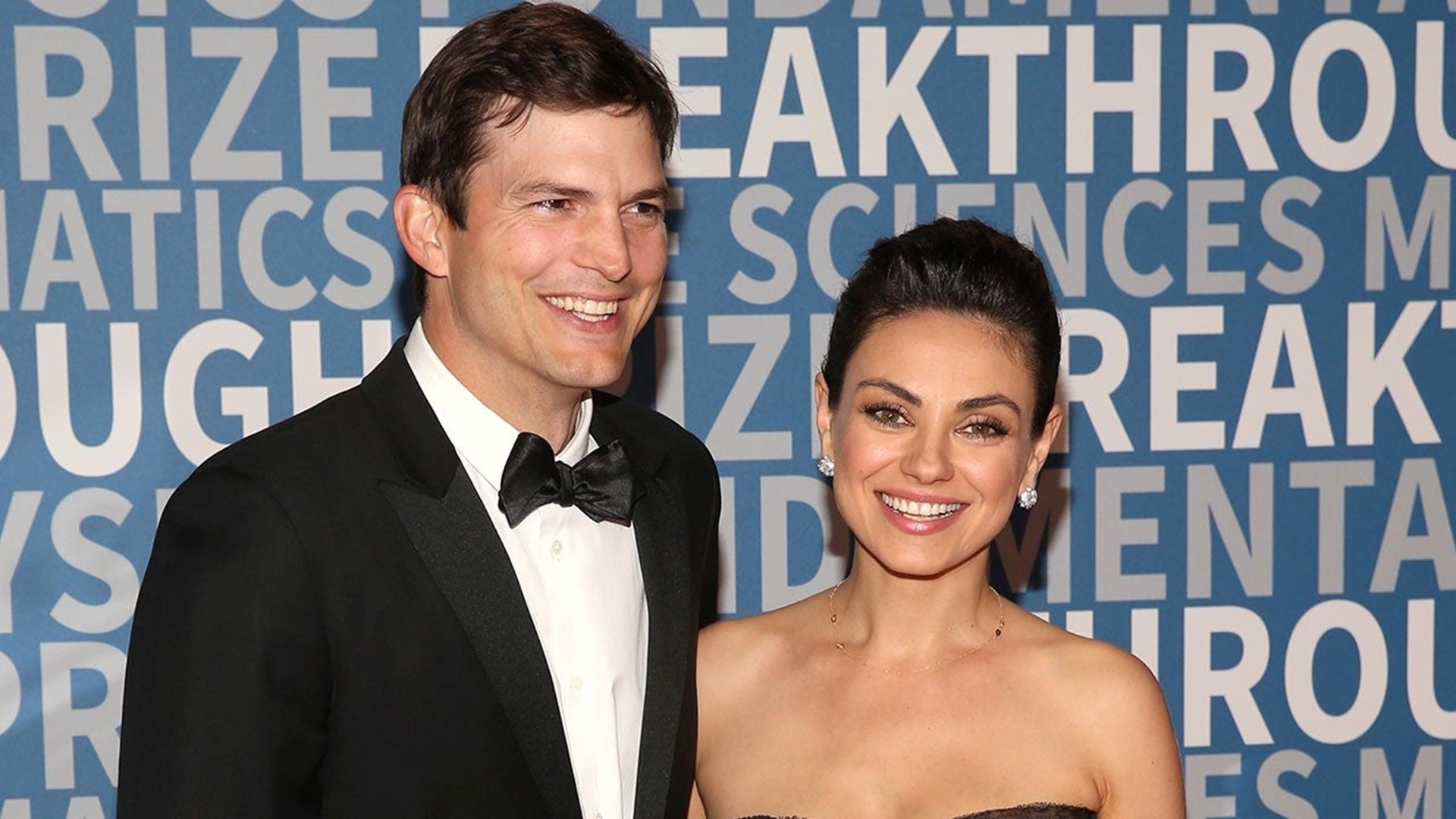
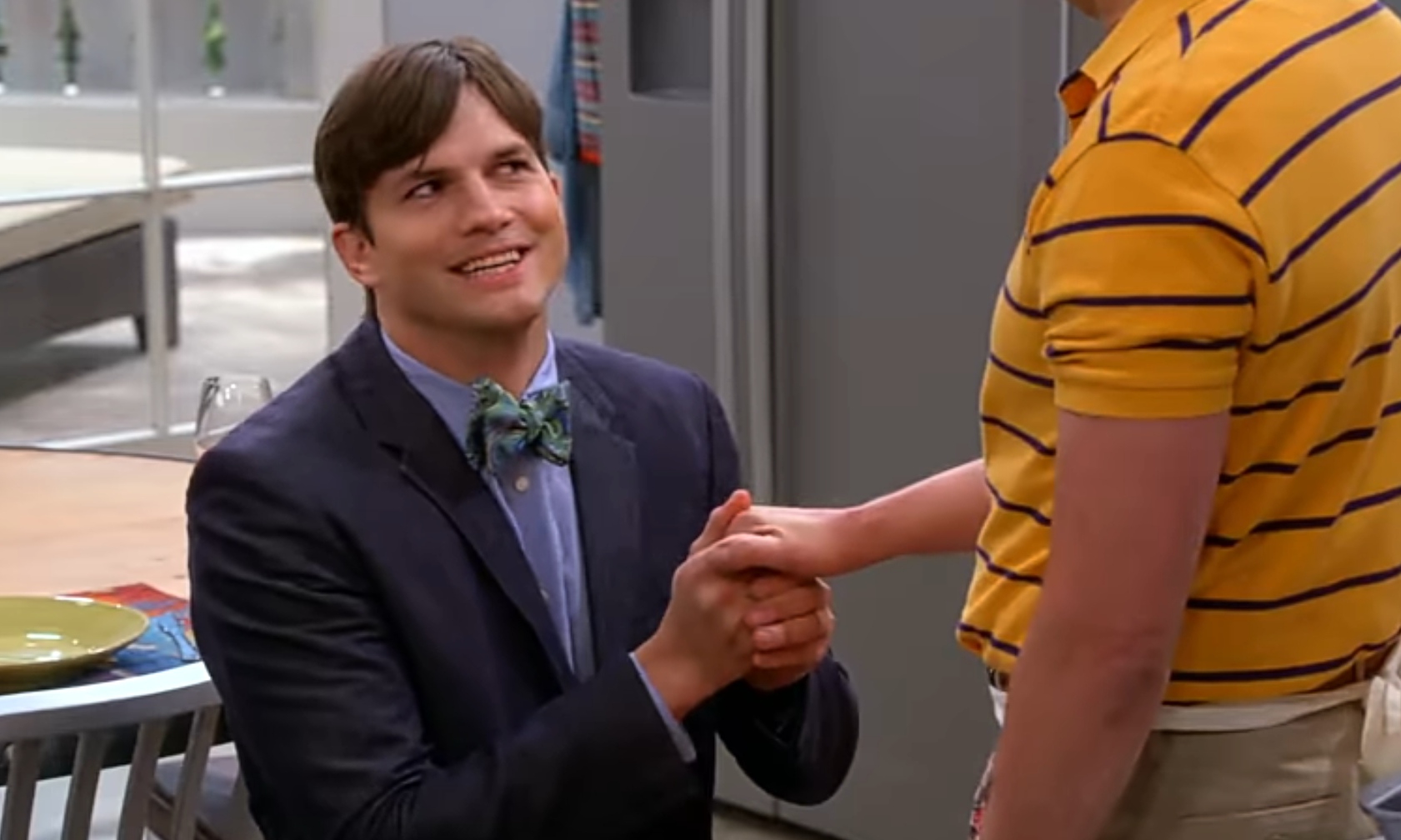
When Ashton Kutcher stepped into Two and a Half Men in 2011 to replace Charlie Sheen, the CBS sitcom entered a radical transition era that redefined its creative direction, character dynamics, and production model for its final four seasons.
When Ashton Kutcher joined the cast of Two and a Half Men for its ninth season, it marked one of the most high-profile cast transitions in television history. Following the tumultuous departure of original lead Charlie Sheen—whose character, Charlie Harper, was killed off-screen—creator Chuck Lorre and the network needed a major star to anchor the multi-camera comedy. Enter Kutcher, cast not as a replacement for Charlie Harper, but as Walden Schmidt, an internet billionaire experiencing a severe emotional breakdown over a divorce. This casting choice shifted the show's narrative architecture away from a cynical bachelor lifestyle toward a modern, unconventional domestic comedy featuring a billionaire, a neurotic chiropractor, and a growing adolescent. This article explores the background of Kutcher's arrival, the structural changes to the series, character dynamics, audience reception, and the long-term legacy of the Walden Schmidt era.
The Context of the Transition: From Charlie Harper to Walden Schmidt
To understand how Ashton Kutcher fits into the Two and a Half Men ecosystem, it is essential to examine the circumstances surrounding the casting change. By early 2011, Two and a Half Men was one of the highest-rated comedies on television, anchoring CBS's Monday night lineup. However, public disputes between creator Chuck Lorre and Charlie Sheen led to the suspension and eventual cancellation of production on the remaining episodes of Season 8.
Faced with the choice of canceling a multi-million-dollar asset or reinventing it, Warner Bros. Television and CBS opted for reinvention. The production team needed an actor with substantial mainstream appeal, comedic timing, and the star power necessary to retain a massive, anxious viewing audience. Ashton Kutcher, known for his work on That '70s Show and films like Dude, Where's My Car? and The Butterfly Effect, signed on for the ninth season reportedly making significant per-episode compensation, instantly revitalizing industry interest in the show.
Instead of recasting the role of Charlie Harper, the writers chose to address the elephant in the room directly. Season 9 opened with Charlie's funeral, followed by the introduction of Walden Schmidt, a suicidal internet billionaire who attempts to drown himself in the ocean off the Malibu beach house deck. Alan Harper (Jon Cryer), still living in the house, rescues Walden, initiating a co-living arrangement that mirrors the original dynamic while introducing entirely new comedic vulnerabilities.
Character Dynamics: Walden Schmidt vs. Alan Harper
The comedic engine of Two and a Half Men had always relied on the contrast between contrasting personalities. With Charlie Sheen, the dynamic was built on a hedonistic, cynical songwriter exploiting his neurotic, cheapskate brother Alan. When Kutcher entered the picture, the dynamic evolved into a naive, emotionally fragile billionaire sheltered and manipulated by a chronically insecure freeloader.
Walden Schmidt was written as a tech genius who invented and sold his first software company for a fortune, yet possessed the emotional maturity of a teenager. This vulnerability made him distinct from Charlie Harper. While Charlie was unapologetically manipulative and predatory, Walden was sweet, gullible, and desperate for genuine affection, frequently falling victim to bad romantic decisions.
| Attribute | Charlie Harper (Seasons 1–8) | Walden Schmidt (Seasons 9–12) |
|---|---|---|
| Primary Profession | Jingle writer / Advertising composer | Internet software billionaire and tech investor |
| Living Situation | Owner of the Malibu beach house | Buyer and owner of the Malibu beach house |
| Core Personality | Cynical, manipulative, confident bachelor | Naive, emotionally fragile, romantic tech mogul |
| Relationship with Alan | Exploitative, condescending, yet codependent | Generous, enabling, and surprisingly protective |
| Marital Status | Unmarried lifelong bachelor | Divorced, later briefly married (and fake married) |
This table illustrates the fundamental narrative pivot. By making Walden the owner of the house who generously allows Alan to stay, the power dynamic inverted. Alan no longer stayed out of familial obligation to a resentful brother; he stayed because Walden was too emotionally dependent and financially careless to evict him.
The Introduction of Jake and Little Walden: Generational Shifts
Ashton Kutcher’s arrival coincided with significant changes in the show's supporting cast. Angus T. Jones, who played Jake Harper, was transitioning from a child actor into a young adult. During the Kutcher seasons, Jake's storyline shifted from being the mischievous nephew to a young man joining the U.S. Army, leading to his eventual departure as a regular cast member in Season 10.
To fill the void of the younger demographic, the writers introduced Amber Tamblyn in Season 11 as Jenny, Charlie Harper’s long-lost illegitimate daughter who moves into the Malibu house. Jenny mirrored Charlie’s vices—drinking, womanizing, and free-wheeling independence—providing Kutcher's character with a female counterpart who behaved much like the original protagonist.
Furthermore, in the final two seasons, Walden decides to adopt a child to bring more meaning and stability to his life. This storyline led to a fake marriage between Walden and Alan to satisfy adoption agency requirements, creating an extended domestic farce where the two adult men posed as a same-sex married couple raising a foster child named Louis. This narrative choice leaned heavily into traditional sitcom tropes of domestic chaos, contrasting Walden's earnest desire to be a good father with Alan's erratic coaching.
Production, Ratings, and Critical Reception
The introduction of Ashton Kutcher breathed new life into the ratings during Season 9, driven by high audience curiosity. The season premiere drew massive viewership numbers, proving that viewers were willing to tune in to see how the show would survive without its original star.
However, critical reception during the Kutcher era was mixed. Reviewers noted that while Kutcher brought undeniable charm, high energy, and a fresh visual aesthetic to the series, the writing occasionally relied on repetitive physical comedy, slapstick gags, and heavy reliance on Kutcher's boyish persona. Over time, the show settled into a reliable rhythm, maintaining solid syndication value even as linear television ratings began their broader industry-wide decline.
Another notable production shift occurred during Season 10 when Angus T. Jones publicly criticized the show in a religious video testimonial, urging viewers to stop watching what he called "filth." Although Jones apologized and made brief guest appearances later, his reduced presence forced the writers to restructure the ensemble around Kutcher, Cryer, and supporting mainstays like Conchata Ferrell (Berta the housekeeper).
The Series Finale and Conclusion of the Walden Era
Two and a Half Men concluded in February 2015 with a two-part series finale titled "Of Course He's Dead." The finale addressed persistent rumors and fan theories regarding the fate of Charlie Harper, playing heavily into meta-humor, breaking the fourth wall, and acknowledging the chaotic history of the production.
In the final moments of the series, Walden Schmidt and Alan Harper successfully navigate their final domestic hurdles, bidding farewell to the Malibu house just before a stray piano drops from the sky onto a Charlie Harper lookalike. Ashton Kutcher's tenure proved that a long-running sitcom could survive a seismic casting change by pivoting the core character archetype from dark cynicism to whimsical innocence.
Frequently Asked Questions
Why did Ashton Kutcher replace Charlie Sheen on Two and a Half Men?
Ashton Kutcher was hired after CBS and Warner Bros. terminated Charlie Sheen's contract following highly publicized public disputes and erratic behavior in early 2011. To keep the profitable franchise running, producers cast Kutcher to introduce a new lead character, Walden Schmidt, rather than recasting Charlie Harper.
What is the name of Ashton Kutcher's character on the show?
Ashton Kutcher plays Walden Schmidt, an internet billionaire who makes his fortune selling software startups. He purchases the Malibu beach house after Charlie Harper's death and invites Alan Harper to live with him.
How many seasons of Two and a Half Men featured Ashton Kutcher?
Ashton Kutcher starred in four seasons of the show, spanning from Season 9 in 2011 through the series finale in Season 15 (Series Season 12, as the show adapted its numbering). His run comprised 84 episodes.
Did Charlie Sheen ever return during Ashton Kutcher's tenure?
No, Charlie Sheen never returned to the physical set or filmed new scenes for Two and a Half Men during the Kutcher era. The series finale used body doubles, CGI effects, and extensive meta-humor to reference his character without Sheen's actual participation.
How did the ratings change when Ashton Kutcher joined?
The Season 9 premiere featuring Ashton Kutcher experienced a massive ratings surge, drawing over 28 million viewers in the United States as audiences tuned in out of curiosity. While viewership naturally stabilized and declined over the subsequent four seasons in line with general television trends, the show remained a strong performer for CBS.
Final Recommendation
For viewers revisiting Two and a Half Men or evaluating the transition eras of long-running sitcoms, approaching Seasons 9 through 12 as a soft reboot provides the best viewing context. Rather than comparing Walden Schmidt directly to Charlie Harper, recognizing Walden as an eccentric, wealthy naïf helps clarify the show's shift toward broader physical comedy and domestic farce.