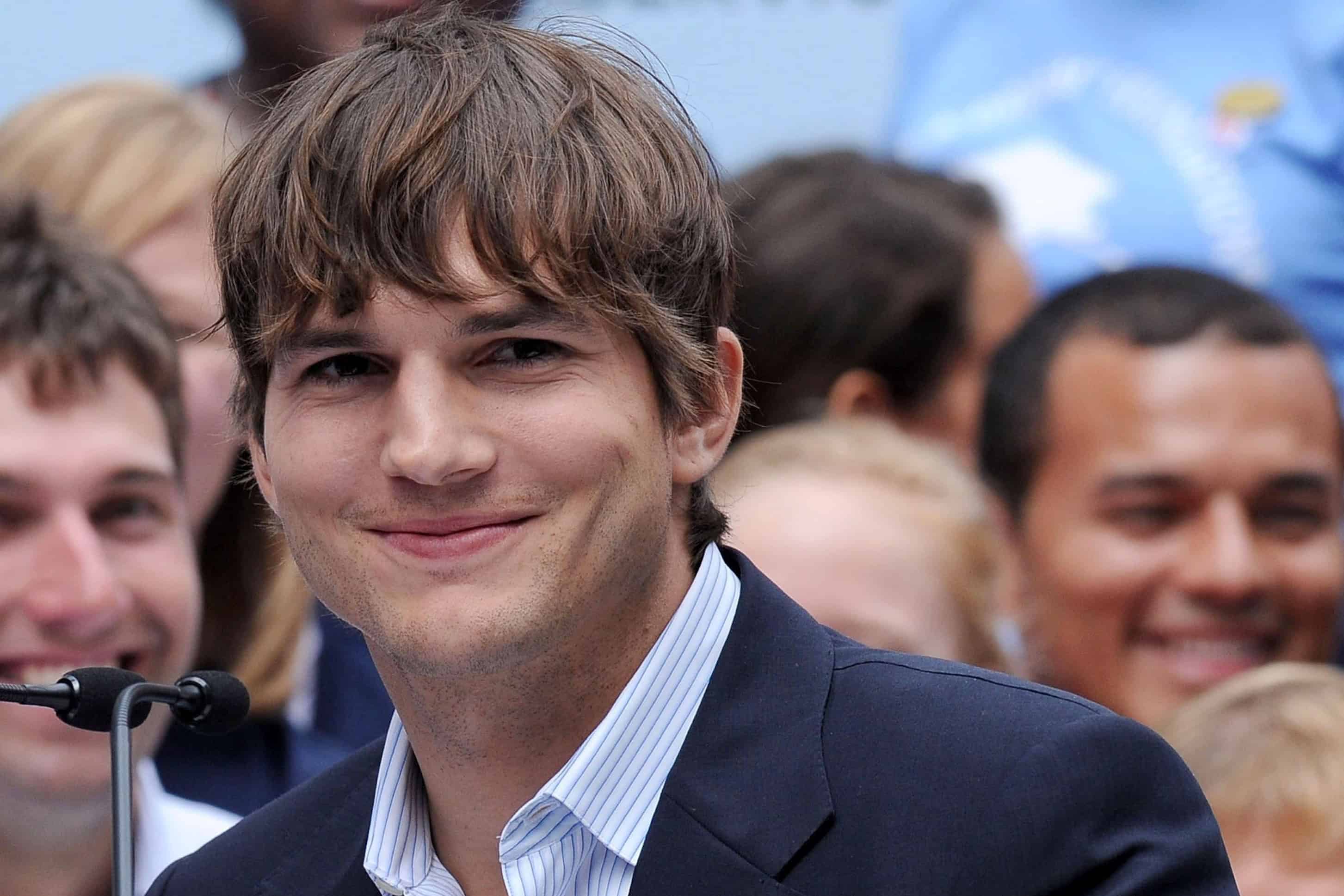
Ashton Kutcher has built a formidable financial portfolio that extends far beyond his early television and film salaries. Through early-stage venture capital investments in major tech disruptors like Uber, Airbnb, and Spotify, his estimated net worth reaches the hundreds of millions of dollars. This dual legacy—spanning mainstream Hollywood entertainment and high-conviction Silicon Valley investing—illustrates a modern archetype of celebrity wealth accumulation.
The Evolution of Hollywood Earnings
To understand the scope of Ashton Kutcher's financial standing, it is necessary to examine his foundational career in television and film. Kutcher first rose to prominence in the late 1990s and early 2000s portraying Michael Kelso in the Fox sitcom That '70s Show. While early episodic television salaries in that era were modest compared to modern streaming packages, long-term syndication deals provided a steady, compounding revenue stream over subsequent decades.
Following his tenure on That '70s Show, Kutcher transitioned to film roles in romantic comedies and thrillers such as Dude, Where's My Car?, The Butterfly Effect, and What Happens in Vegas. He also served as the creator, executive producer, and host of the MTV hidden-camera prank show Punk'd, which established his early credentials as a producer with a direct stake in intellectual property and unscripted television formats.
Perhaps his most lucrative traditional acting gig came when he replaced Charlie Sheen on the CBS sitcom Two and a Half Men in 2011. Reports from industry trade publications at the time indicated that Kutcher commanded a salary of approximately $700,000 to $750,000 per episode, making him the highest-paid television actor in the United States during several of those seasons. These traditional entertainment earnings provided the liquid capital necessary for him to transition from a passive actor into an active technology investor and venture capitalist.
Transitioning to Silicon Valley and Venture Capital
While mainstream media often attributes Kutcher’s wealth primarily to his on-screen appearances, his transformation into a prominent venture capitalist accounts for a substantial portion of his modern net worth. Long before celebrity venture funds became a standard Hollywood trend, Kutcher developed an authentic interest in consumer technology, social media, and software infrastructure.
In 2010, Kutcher co-founded A-Grade Investments alongside talent manager Guy Oseary and billionaire Ron Burkle. A-Grade Investments began as a boutique angel fund with a modest initial pool of capital contributed by the founders. Instead of merely deploying capital, Kutcher leveraged his celebrity status and marketing insights to help early-stage consumer internet startups scale their user bases.
Following the success of A-Grade Investments, Kutcher and Oseary partnered with Effie Epstein in 2015 to launch Sound Ventures, a venture capital firm with a broader institutional scope. Sound Ventures manages significant capital allocations, investing across seed, venture, and growth stages in sectors ranging from artificial intelligence and digital health to consumer goods and enterprise software.
Key Venture Capital Investments
| Company | Investment Stage / Vehicle | Impact & Significance |
|---|---|---|
| Uber | Seed / Early Stage (A-Grade) | One of Kutcher’s most celebrated early bets, securing an equity stake before the ridesharing platform achieved global dominance. |
| Airbnb | Early Stage (A-Grade) | Invested during the peer-to-peer lodging startup's formative years, capitalizing on the broader sharing-economy boom. |
| Spotify | Early Stage (A-Grade) | Participated in funding rounds that positioned the audio streaming service as a dominant global music distributor. |
| Flexport | Growth / Later Stage (Sound) | Backed the modern freight forwarding and logistics platform, illustrating a shift toward complex B2B supply-chain software. |
| NotCo | Growth Stage (Sound) | Invested in the plant-based food technology company utilizing artificial intelligence to replicate animal-based foods. |
Investment Philosophy and Risk Management
Kutcher's approach to venture capital relies heavily on thesis-driven investing rather than speculative celebrity endorsements. In numerous financial and technology conferences, he has articulated a consistent framework: he looks for companies that solve foundational human friction points, utilize technology to drive systemic efficiency, or challenge entrenched monopolies.
Furthermore, Kutcher’s investment strategy emphasizes active operational support. Rather than acting as a silent financial partner, he frequently collaborates with portfolio founders on marketing strategy, public relations positioning, and user acquisition. This hands-on approach allows him to secure allocations in oversubscribed funding rounds that might otherwise be unavailable to individual angel investors or celebrity funds.
However, venture capital remains an inherently volatile asset class characterized by high failure rates among early-stage startups. While high-profile successes like Uber and Airbnb generate exponential returns, they offset numerous smaller, unrealized, or written-off bets within a diversified portfolio. Sound Ventures and A-Grade Investments mitigate these risks through rigorous institutional due diligence, syndication with established venture funds, and disciplined asset allocation.
Real Estate Holdings and Diversified Assets
Beyond media royalties and venture capital equity, Ashton Kutcher’s net worth is supported by significant real estate holdings and diversified personal assets. Real estate investments in prime southern California locations function as both primary residences and long-term capital preservation vehicles.
Notable properties associated with Kutcher and his spouse, actress Mila Kunis, include custom-designed architectural estates in Beverly Hills and Montecito, California. These properties often incorporate sustainable building materials, advanced energy-efficiency systems, and modern smart-home infrastructure, aligning with Kutcher’s broader interest in environmental technology and sustainable living.
Financial Diversification Strategy
- Intellectual Property and Royalties: Ongoing backend participation and syndication revenue from television programs and feature films.
- Venture Equity: Substantial illiquid equity stakes in private technology companies managed through Sound Ventures and legacy funds.
- Real Estate: High-value residential properties located in primary coastal California markets.
- Advisory Roles: Strategic advisory compensation and stock options from established technology corporations where he has served as a brand ambassador or consultant.
Philanthropic Ventures and Social Impact Investing
Financial accumulation for Kutcher has run parallel to active philanthropic engagement, much of which intersects with his technology investments. In 2009, following an incident involving the exploitation of a child, Kutcher and his then-wife Demi Moore co-founded Thorn (originally known as the Digital Defenders 2D).
Thorn is a non-profit organization that builds software technology to combat child sexual abuse material and human trafficking online. By applying machine learning, computer vision, and data analytics, Thorn creates digital tools utilized by law enforcement agencies worldwide to identify victims and track perpetrators. This initiative demonstrates how Kutcher has leveraged software engineering and venture capital networks to address systemic social issues, bridging the gap between commercial tech deployment and public safety.
Frequently Asked Questions
How did Ashton Kutcher build his net worth?
Ashton Kutcher built his net worth through a combination of high-earning television and film roles, strategic syndication royalties, and successful early-stage venture capital investments in technology companies like Uber, Airbnb, and Spotify.
What venture capital firm did Ashton Kutcher found?
Kutcher co-founded A-Grade Investments in 2010 alongside Guy Oseary and Ron Burkle. He later co-founded Sound Ventures in 2015 with Oseary and Effie Epstein to manage larger institutional technology investments.
What was Ashton Kutcher's salary on Two and a Half Men?
During his tenure on the CBS sitcom Two and a Half Men, industry reports indicated that Kutcher earned approximately $700,000 to $750,000 per episode, making him television's highest-paid actor at the time.
Is Ashton Kutcher still active as an investor?
Yes, through Sound Ventures, Kutcher remains actively involved in venture capital, focusing on growth-stage and seed-stage investments across artificial intelligence, enterprise software, digital health, and sustainable consumer products.
What is Thorn and what is Kutcher's involvement?
Thorn is a non-profit organization co-founded by Kutcher in 2009 that develops software tools for law enforcement to combat child sexual abuse material and human trafficking online.
Practical Next Actions for Tech and Media Investors
For individuals analyzing celebrity wealth models or exploring technology investing, Kutcher's trajectory offers several practical takeaways:
- Look Beyond Primary Income: High-earning professionals in entertainment or corporate sectors should systematically allocate surplus capital into asset-producing vehicles rather than relying solely on active labor income.
- Leverage Core Competencies: Use domain expertise—whether in media, marketing, or operations—to add tangible value to early-stage investments, thereby gaining access to superior deal flow.
- Maintain Portfolio Diversification: Balance high-risk, high-reward venture capital or private equity with tangible assets like real estate and liquid instruments to manage overall wealth volatility.