Effective personal savings are built upon the integration of automated cash flow management, high-yield liquid instruments, and a clear understanding of tax-advantaged vehicles. By prioritizing the separation of emergency reserves from long-term capital appreciation accounts, individuals can mitigate inflationary pressures while maintaining the necessary liquidity to navigate unexpected financial volatility.
Establishing the Foundation: Liquidity and Emergency Reserves
Before allocating capital toward long-term investments, the primary prerequisite for financial stability is the maintenance of an emergency fund. In 2026, financial advisors generally recommend maintaining a liquid reserve equivalent to three to six months of essential living expenses. This capital serves as a defensive buffer against unforeseen occurrences such as medical emergencies, temporary loss of income, or urgent property repairs.
The critical factor in managing this reserve is accessibility versus yield. While traditional passbook savings accounts often provide minimal interest, high-yield savings accounts (HYSAs) and money market accounts—which are typically insured by the Federal Deposit Insurance Corporation (FDIC) up to $250,000 per depositor—offer a balance of security and competitive annual percentage yields (APYs). It is essential that this money remains "liquid," meaning it can be withdrawn without penalty or the risk of principal loss, regardless of current market volatility.
Analyzing Savings Vehicles and Account Types
The efficacy of a savings strategy often depends on selecting the correct vehicle for the intended purpose. Distinguishing between short-term goals (under three years) and long-term objectives (five years or more) is the first step in optimizing returns.
High-Yield Savings Accounts (HYSA)
HYSAs are best suited for short-term goals. In 2026, these accounts continue to benefit from digital-first banking models that pass lower overhead costs onto the consumer in the form of higher interest rates compared to brick-and-mortar institutions.
Certificates of Deposit (CDs)
CDs require the saver to lock away funds for a predetermined period, ranging from three months to several years. In exchange for this lack of liquidity, the bank provides a fixed interest rate. This is an effective strategy when interest rates are expected to decline, as it "locks in" the current yield. Conversely, if rates are rising, the saver may find their capital trapped in a lower-earning instrument.
Tax-Advantaged Retirement Accounts
For long-term growth, personal savings should flow into tax-advantaged accounts such as an Individual Retirement Account (IRA) or a workplace-sponsored 401(k). These vehicles provide significant tax benefits, either through deferred income taxes on contributions or tax-free growth and withdrawals, depending on whether the account is traditional or a Roth variant.
Comparison of Savings Instruments
| Feature | HYSA | Fixed-Term CD | Money Market Account |
|---|---|---|---|
| Liquidity | High (Unlimited) | Low (Penalty for early exit) | Moderate (Check/Debit access) |
| Interest Rate | Variable | Fixed | Variable |
| Primary Use | Emergency Fund | Goal-based saving | Frequent transactions/Savings |
| Risk Profile | Negligible (FDIC insured) | Negligible (FDIC insured) | Negligible (FDIC insured) |
Automation: The Mechanism of Consistency
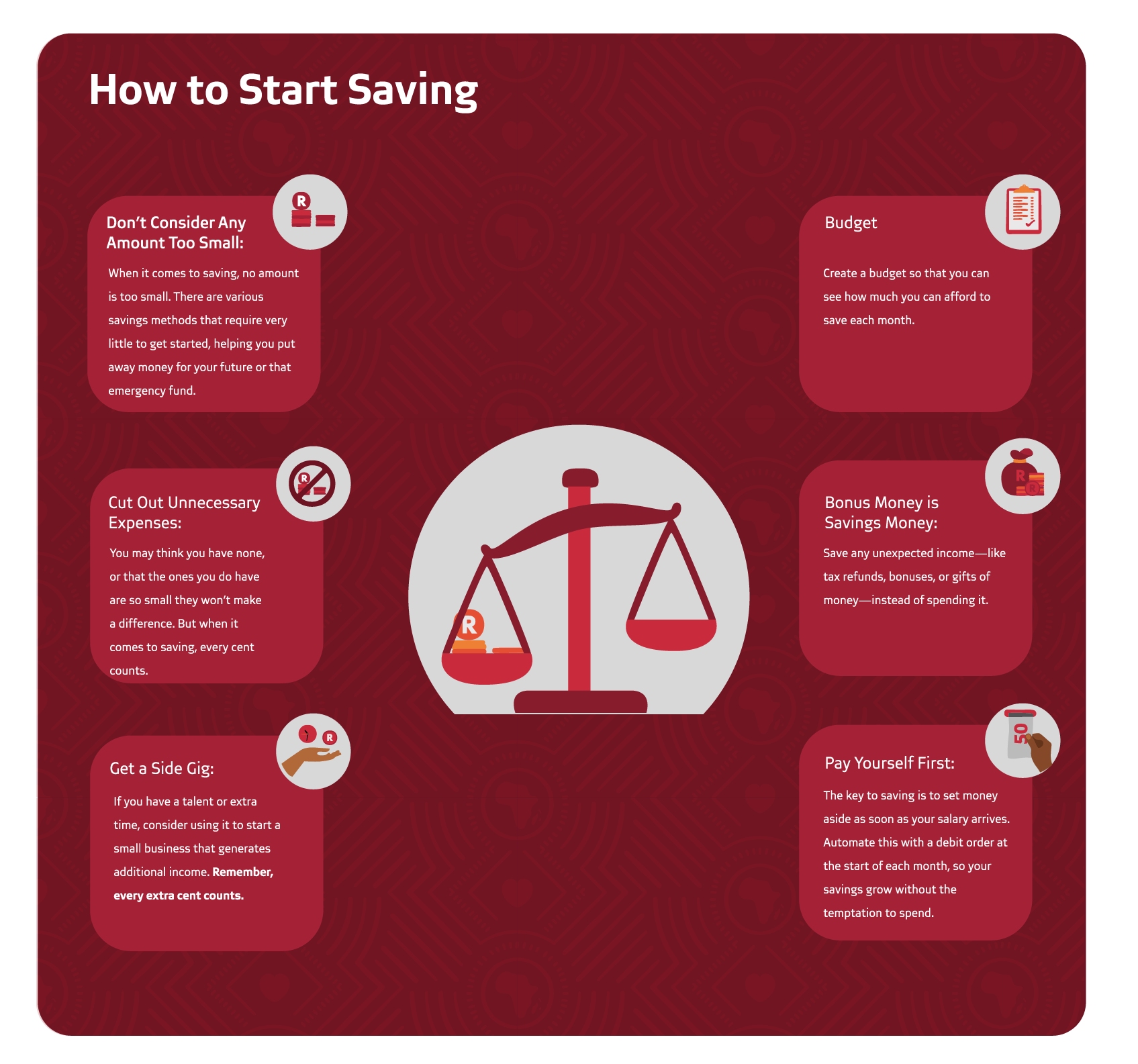
The most significant barrier to effective saving is the reliance on willpower. Behavioral finance suggests that the "pay yourself first" methodology is the most reliable path to capital accumulation. This involves automating transfers from a primary checking account into a dedicated savings or investment account immediately upon the receipt of income.
By treating the savings transfer as a non-negotiable monthly "bill," individuals effectively remove the discretionary temptation to spend those funds on non-essential consumption. In 2026, most banking platforms allow for granular scheduling of these transfers, enabling users to synchronize their saving schedule with their specific pay cycles, whether weekly, bi-weekly, or monthly.
Identifying and Avoiding Common Savings Pitfalls
Many individuals struggle to grow their savings due to "lifestyle creep"—a phenomenon where increased income is met with a proportional increase in discretionary spending. To combat this, savers should adopt a budget-neutral approach where at least 50% of any pay increase or bonus is automatically diverted toward savings before it enters the daily spending pool.
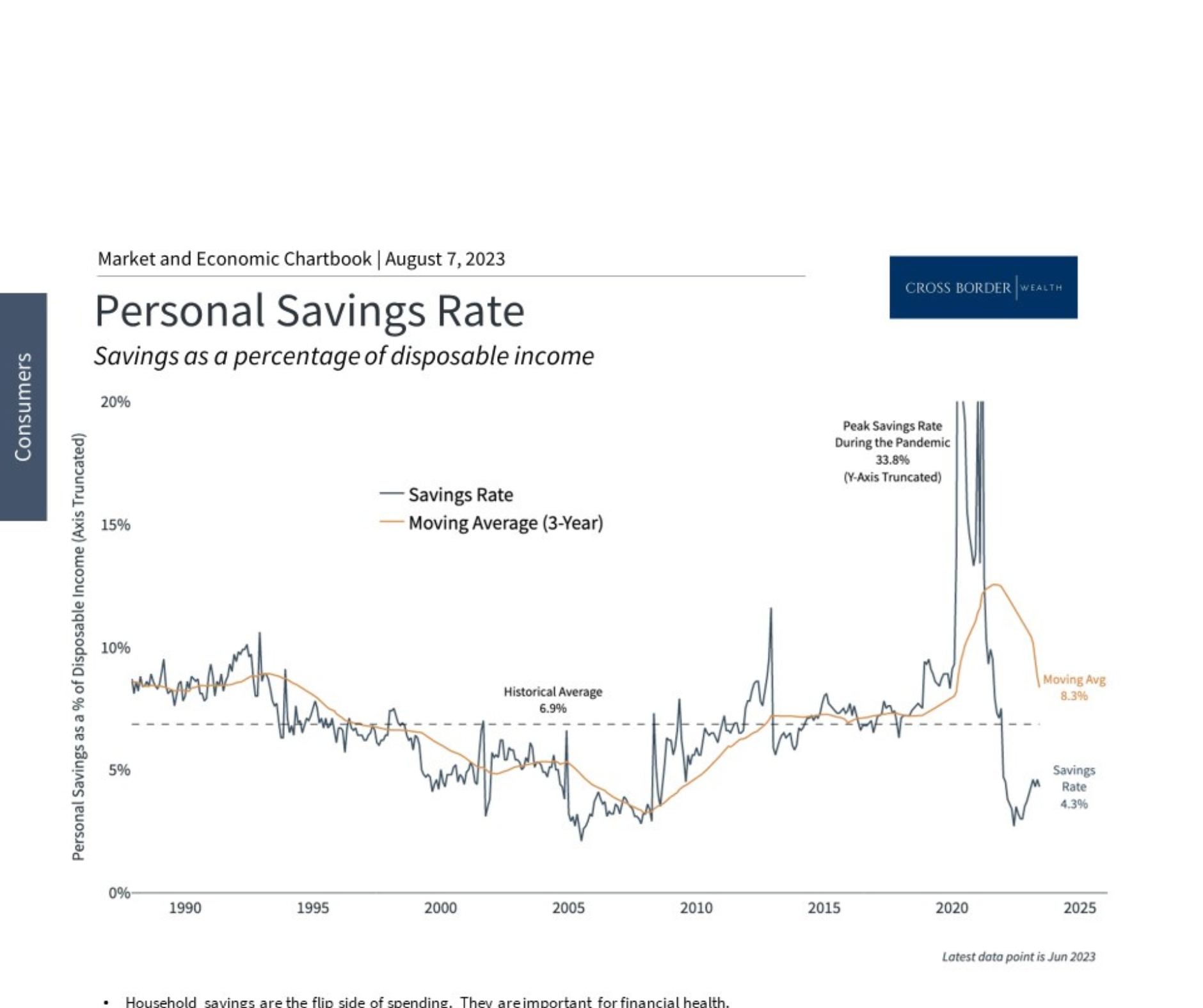
Another common mistake is failing to account for inflation. While money sitting in a non-interest-bearing checking account may feel "safe," its purchasing power is actively eroding over time. In an inflationary environment, the real return on savings is the nominal interest rate minus the inflation rate. If the interest earned does not outpace inflation, the saver is effectively losing value, even if the account balance remains positive.
Strategic Debt Management as a Form of Savings
It is a common misconception that savings and debt management are unrelated. High-interest debt, particularly from consumer credit cards, often carries an annual percentage rate (APR) far higher than any safe interest-bearing savings account could provide. Consequently, every dollar used to pay down high-interest debt provides a "guaranteed return" equal to the interest rate of that debt. Before aggressively pursuing market-based investments, it is often mathematically superior to eliminate high-interest liabilities, effectively "saving" the cost of that interest payment.
Troubleshooting Savings Hurdles
If you find that your savings progress has stagnated, consider the following troubleshooting steps:
- Audit Fixed Costs: Conduct a thorough review of recurring subscriptions, insurance premiums, and utility contracts. Renegotiating these or eliminating unused services can often unlock an immediate surplus for savings.
- Verify Bank Tiers: Some banks offer tiered interest rates where higher balances earn lower interest. Ensure your capital is held in an account that prioritizes growth for your specific balance level.
- Inflation Adjustment: If your savings goal is for a date more than five years in the future, evaluate whether your current low-risk strategy is sufficient. You may need to introduce lower-volatility market instruments, such as Treasury Inflation-Protected Securities (TIPS), to ensure your savings goal remains viable against the rising cost of goods and services.
Legal and Financial Limitations
When planning for long-term savings, it is vital to acknowledge jurisdictional limits. Contribution limits for tax-advantaged accounts like IRAs and 401(k)s are subject to annual adjustments by the Internal Revenue Service (IRS). In 2026, it is incumbent upon the saver to verify the current contribution ceilings for their specific age bracket and employment status to avoid potential tax penalties.
Disclaimer: This information is for educational purposes only and does not constitute personalized financial, tax, or legal advice. Financial situations are unique, and you should consult with a qualified professional before making significant decisions regarding your investments or debt management.
Frequently Asked Questions
How much of my income should I aim to save each month? While the "50/30/20 rule" suggests allocating 20% of net income toward savings and debt repayment, this is a starting point rather than a mandate. The optimal percentage depends on your cost of living, proximity to retirement, and specific financial goals.
Is it better to pay off debt or contribute to savings? Mathematically, if your debt carries an interest rate higher than the after-tax return you could earn from a savings or investment vehicle, prioritizing debt repayment is generally the more efficient use of capital.
What happens to my savings if my bank fails? If your funds are held in an institution that is an FDIC member, your deposits are insured up to $250,000 per depositor, per ownership category. This protection ensures that even in the event of a bank failure, your principal is recovered.
Can I access money in my retirement account if I have an emergency? While you generally can access funds in traditional retirement accounts, doing so before the age of 59½ often triggers a 10% penalty in addition to income taxes on the withdrawn amount. This is why a separate, liquid emergency fund is essential.
How do I adjust my savings for inflation? To combat inflation, ensure that a portion of your long-term savings is invested in assets that have historically outpaced the Consumer Price Index, such as equities or inflation-indexed bonds, rather than keeping all funds in cash.
Recommended Next Action
Review your last three months of bank statements to identify your average monthly "leakage"—non-essential spending that provides minimal long-term value. Create a new automated transfer rule in your banking portal to move 50% of that identified amount into a high-yield savings account effective immediately. This creates a sustainable habit without requiring a drastic reduction in your standard of living.