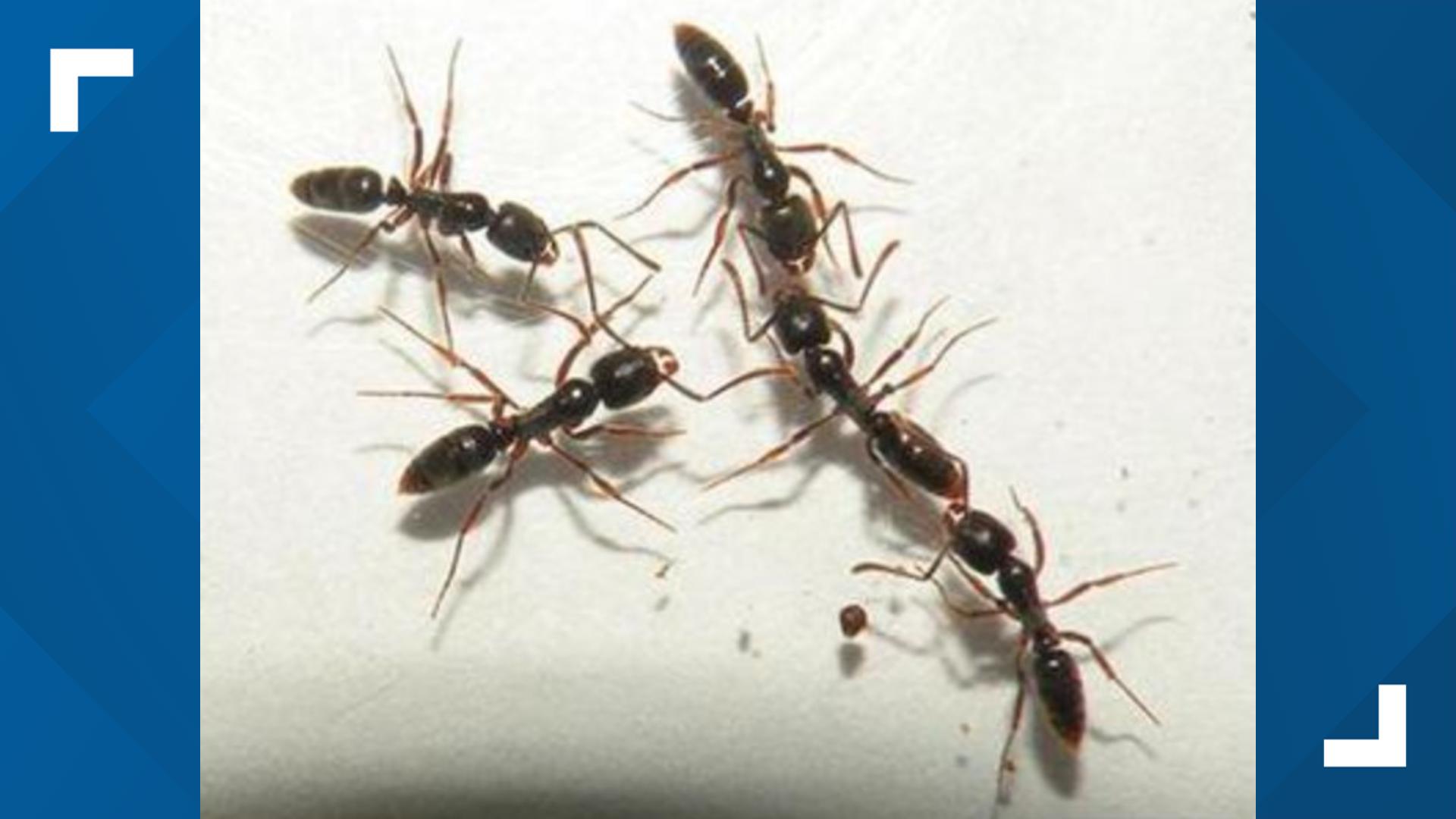
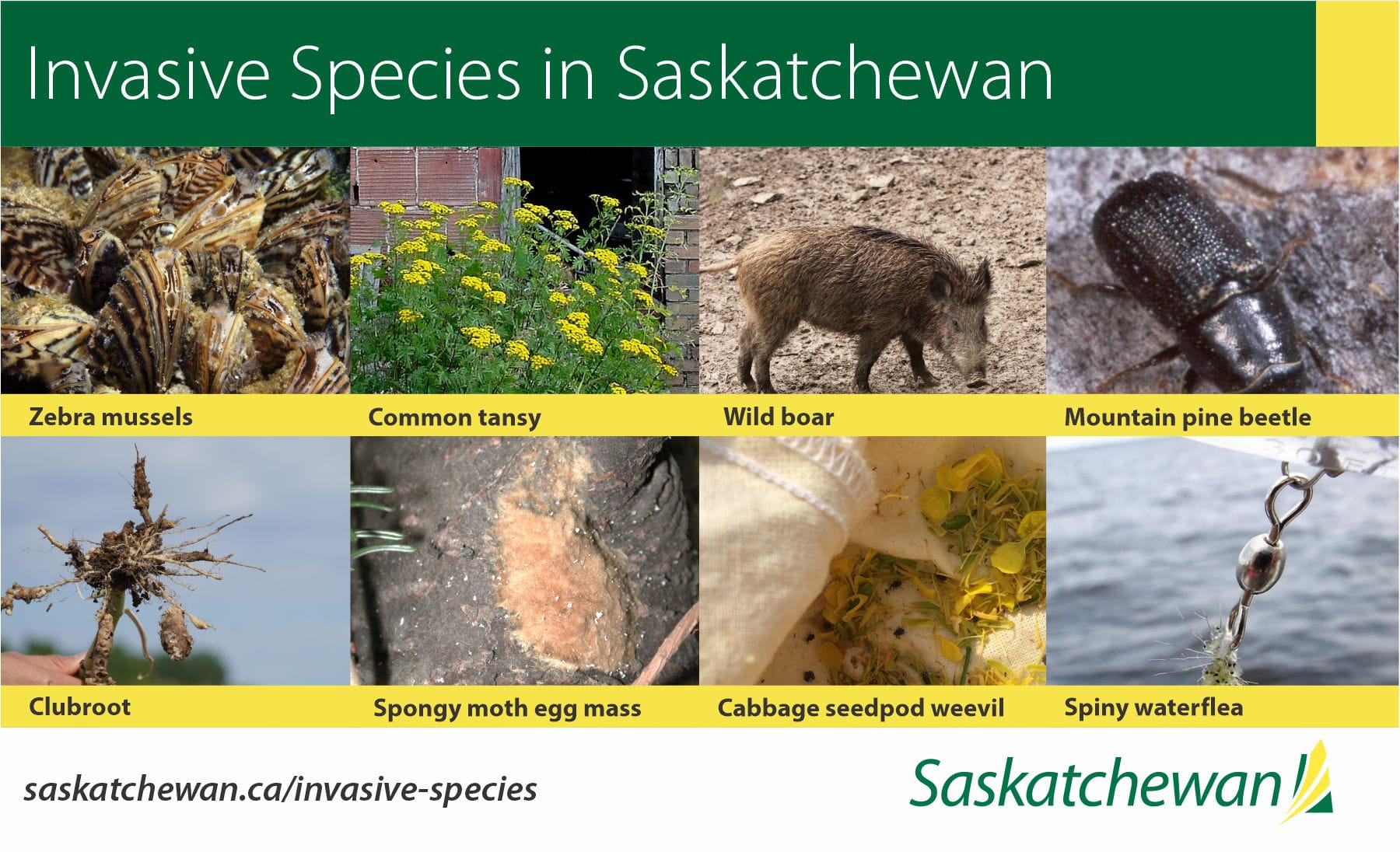
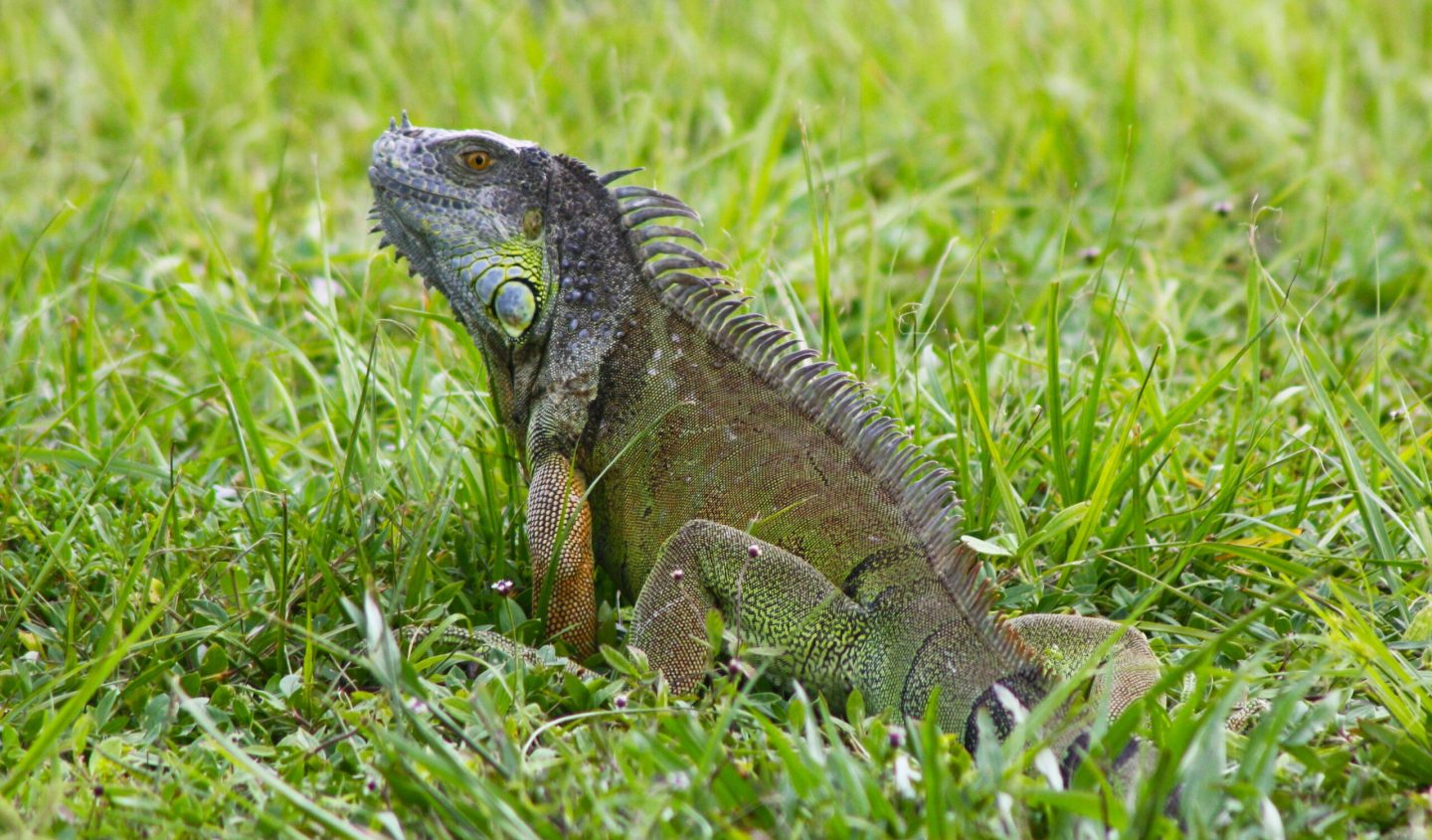
Invasive species are non-native organisms that cause ecological, environmental, or economic harm in the ecosystem they have invaded. Researching this topic requires access to verified ecological databases, government management guidelines, and peer-reviewed scientific literature to distinguish between established non-native species and those that are truly invasive and disruptive to local biodiversity.
Defining the Scope of Invasive Species Research
The term "invasive species" is frequently misused in casual discourse to describe any organism found outside its native range. However, in scientific and regulatory contexts, the designation is reserved for species whose introduction causes—or is likely to cause—economic or environmental harm, or harm to human health. When reading articles on this subject, it is essential to distinguish between naturalized species and invasive species. A naturalized species may exist in a new environment without significantly altering the native food web or competing aggressively for resources, whereas an invasive species actively displaces native flora and fauna.
Researching these species requires an understanding of the vectors of introduction. Humans are the primary vector, intentionally or accidentally transporting species via global trade, ballast water from shipping vessels, ornamental plant sales, and the pet trade. Understanding the "pathway" is often as important as understanding the biology of the organism itself.
Assessing Credibility in Invasive Species Documentation
Not all articles about invasive species carry the same weight. When gathering information, you must prioritize sources that provide verifiable data rather than anecdotes. The hierarchy of credibility typically follows this order:
- Government and Regulatory Databases: Agencies such as the USDA Animal and Plant Health Inspection Service (APHIS) or equivalent national bodies in other jurisdictions provide the most reliable information on management and legal status.
- Academic Peer-Reviewed Journals: Publications focusing on invasion biology, ecology, and conservation provide the foundational research on population dynamics and impact assessments.
- Institutional Reports: Universities and non-governmental conservation organizations often publish specific case studies regarding localized invasive threats.
- General News and Media: These sources are useful for identifying current outbreaks or policy shifts but should be cross-referenced with technical data to avoid sensationalism.
Key Factors in Species Assessment
When evaluating an article concerning a specific invasive species, look for evidence regarding its biological traits. Invasive species often share specific characteristics that contribute to their success in new environments.
The "Ideal" Invasive Profile
- Rapid Reproduction: Many invasive plants and animals produce offspring at higher rates than native counterparts.
- Generalist Diet/Habitat: The ability to consume a variety of food sources or thrive in degraded environments allows them to persist where native species fail.
- Lack of Natural Predators: In their new environment, these organisms are often released from the "enemy release" pressure, meaning the diseases, predators, and parasites that kept their population in check in their native range are absent.
- High Phenotypic Plasticity: This is the capacity of an organism to alter its physical or behavioral traits in response to environmental conditions, allowing it to adapt to diverse climates.
Comparison of Management Strategies
Management of invasive species is generally divided into three phases: prevention, early detection and rapid response (EDRR), and long-term control. Articles discussing these strategies should be evaluated based on the specific phase of management they address.
| Management Strategy | Objective | Typical Method | Primary Challenge |
|---|---|---|---|
| Prevention | Stop introduction | Trade regulations, ballast water treatment | International policy coordination |
| Early Detection | Identify new arrivals | Surveillance, community monitoring | Public awareness gaps |
| Eradication | Remove population | Physical removal, targeted chemicals | Cost and habitat sensitivity |
| Control/Containment | Manage existing spread | Biocontrol, habitat modification | Long-term maintenance costs |
Understanding Regulatory and Legal Frameworks
The legal status of a species can vary significantly between regions. For example, a species designated as an invasive weed in one state or province may be considered an ornamental plant in another. It is vital to verify the "noxious weed" or "invasive species" list for your specific jurisdiction if you are reading an article about control measures. Regulatory agencies often update these lists periodically; always verify if the document you are referencing is current.
In the United States, for instance, the Federal Noxious Weed Act and subsequent executive orders guide the management of these organisms. Many states have their own, more stringent lists. Following advice from an article based in a different climate or regulatory zone may lead to ineffective or even illegal control efforts (e.g., using a chemical herbicide that is banned in your specific county).
The Role of Citizen Science in Invasive Species Research
In recent years, the democratization of data collection via mobile applications and citizen science projects has significantly bolstered the literature on invasive species. Projects that encourage the public to map occurrences—such as those utilizing platforms like iNaturalist or EDDMapS (Early Detection and Distribution Mapping System)—have moved from peripheral tools to central components of invasive species research.
Articles that reference these datasets often provide more granular, localized information than broader national reports. However, users should be cautious. Citizen science data, while vast, requires expert verification. When reading reports derived from these platforms, ensure that the data has undergone an identification validation process by recognized experts or taxonomists.
Common Pitfalls in Amateur Invasive Species Reporting
A common error in non-technical literature is the recommendation of "blanket" solutions. For example, an article might suggest pulling a specific invasive plant by the root as a universal cure. However, for certain species, pulling can cause fragmentation, where small pieces of the root system break off and remain in the soil, leading to multiple new plants where only one existed before.
Always look for context regarding the species’ reproductive strategy. If an article does not discuss whether the species reproduces vegetatively (via roots/stems) versus via seed, the control advice provided may be incomplete or harmful. Furthermore, be skeptical of articles promoting "miracle" biological control agents (introducing a predator to kill the invasive species) without mentioning the risk of non-target effects—where the introduced predator begins attacking native species instead.
Evaluating Economic vs. Ecological Costs
High-quality research on invasive species will almost always address the trade-off between economic cost and ecological benefit. For instance, the use of large-scale chemical treatments might be economically viable for agricultural interests but could have devastating effects on local water tables or pollinator populations.
When analyzing cost-benefit sections of research articles, assess whether the author accounts for "externalities." Does the article calculate the loss of ecosystem services, such as water filtration, flood control, or habitat provision, that the native environment provides? If an article focuses solely on the cost of mechanical removal versus the price of herbicides, it may be overlooking the long-term ecological cost of chemical runoff.
Addressing Uncertainties and Emerging Threats
The field of invasion biology is inherently dynamic. Climate change is currently shifting the ranges of thousands of species, allowing organisms that were previously limited by cold winters to expand into new territories. Consequently, articles written five or ten years ago may be outdated regarding the potential range of a species.
If you are researching a specific invasive species in 2026, prioritize information that considers current climate modeling. Some species are "sleeper" invasives—they have been present in an environment for decades but are only now becoming aggressive due to shifting environmental variables. Research that acknowledges this uncertainty and suggests monitoring rather than just immediate eradication is often more scientifically robust than articles that rely on static, outdated assumptions.
Practical Steps for Local Action
If you are reading about invasive species to take action on your own property or in your community, follow this structured approach:
- Verification: Do not rely on photos alone. Use a physical specimen or a verified local identification guide provided by your local university extension service.
- Consult Experts: Contact your local conservation district or invasive species council before attempting any large-scale removal.
- Plan for Disposal: Many invasive species cannot be put into standard compost piles, as seeds and roots will survive the process. Research specific disposal methods, such as bagging for landfill or hot-composting, to prevent spreading the problem.
- Monitor Post-Removal: Removing the invasive species creates a void. Have a plan for replanting with native species, or the invasive species will almost certainly return or be replaced by another opportunistic invader.
Frequently Asked Questions (FAQ)
How do I report a new invasive species I have found?
Report your findings through your state’s Department of Natural Resources or the national EDDMapS portal. These organizations have established channels for verification and can provide guidance on whether the species requires immediate action or simply routine monitoring.
Why are some non-native species not considered invasive?
A species is only classified as invasive if it causes harm. Many non-native species—such as many agricultural crops or garden flowers—are beneficial or benign. They do not outcompete native species to the point of extinction, nor do they disrupt local food webs, and therefore remain categorized as "non-native" or "naturalized" rather than "invasive."
Are chemical treatments the only way to manage invasive plants?
No, but they are often the most common in professional literature. Integrated Pest Management (IPM) is the preferred standard, which combines mechanical, biological, and cultural methods (such as changing soil pH or competition through dense native planting) to minimize chemical reliance.
Can I use online photos to identify an invasive species?
Online photos are a starting point, but they are often mislabeled or show rare variations. Always compare your specimen against a verified identification key (a diagnostic tool) or submit your observation to an expert-verified database to ensure accuracy before beginning any management activity.
How does climate change affect invasive species management?
Climate change expands the potential range of invasive species, allowing them to survive in areas previously too cold or too dry. This necessitates updated monitoring efforts, as species once considered a low threat in a specific region may become high-priority targets as regional climates warm.
Next Steps for Researchers and Concerned Citizens
The most effective way to engage with the challenge of invasive species is to move beyond passive reading and toward informed action. Start by identifying the top three invasive threats in your local county using government-provided lists. Once identified, familiarize yourself with the specific identification features of these species so you can contribute to local surveillance efforts. If you have land, focus on native plant restoration, as the most effective defense against invasive colonization is a healthy, diverse, and intact native ecosystem. Always prioritize official, peer-reviewed, or government-validated information over third-party, non-cited summaries.