The 2026 Arkansas Sales Tax Holiday takes place from 12:01 a.m. on Saturday, August 1, until 11:59 p.m. on Sunday, August 2. During this 48-hour window, state and local sales taxes are waived on specific clothing, school supplies, and electronic devices, providing significant savings for families and back-to-school shoppers across the state.
Understanding the 2026 Arkansas Sales Tax Holiday
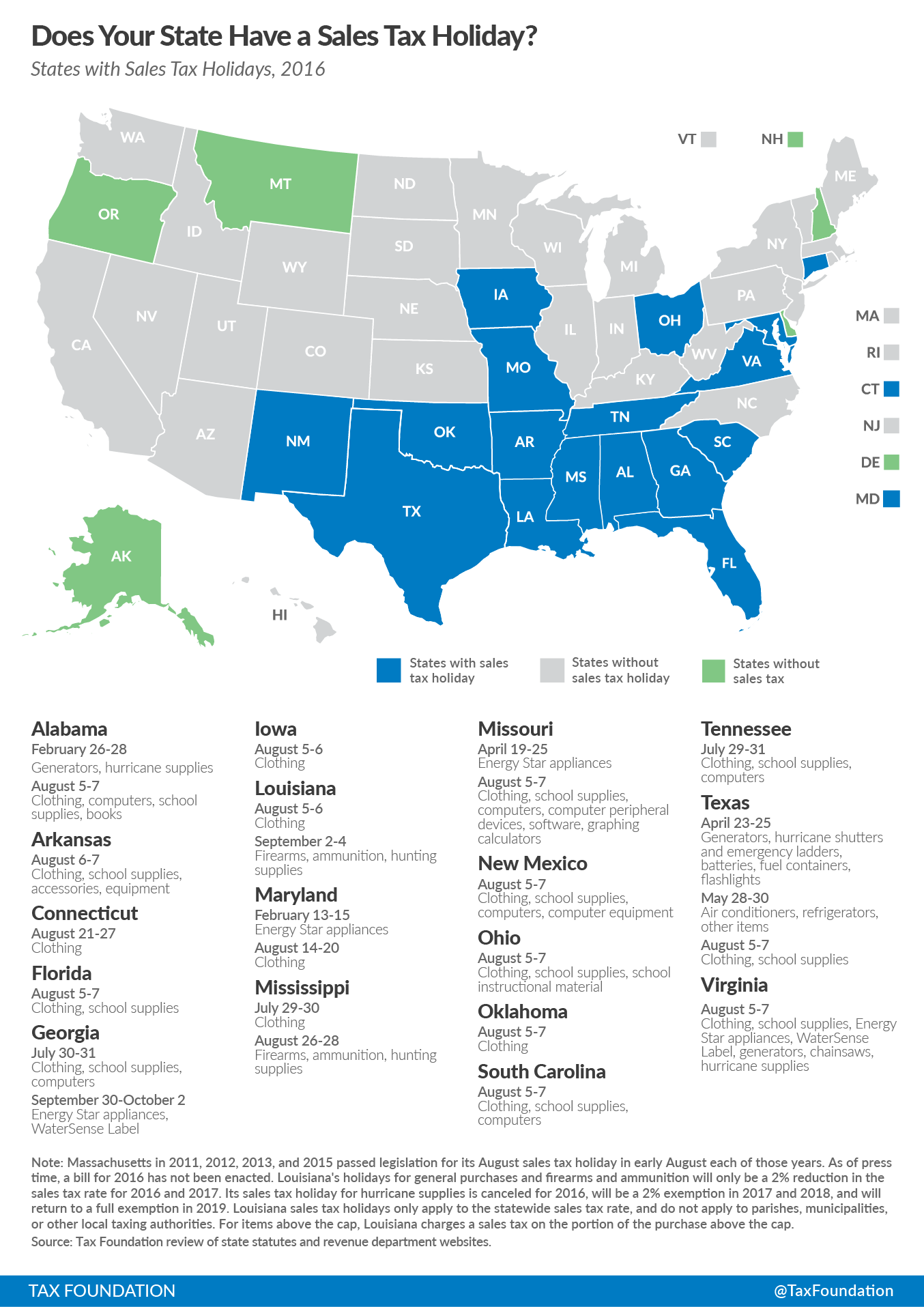
The Arkansas Sales Tax Holiday is an annual event established by the state legislature to provide financial relief to residents, particularly those preparing for the upcoming school year. Under Arkansas law, specifically Act 757 of 2011, the holiday occurs every year on the first Saturday and Sunday of August. Because both state and local sales taxes are waived, the total savings can range from 6.5% (the base state rate) to over 11% in certain municipalities with higher local tax rates.
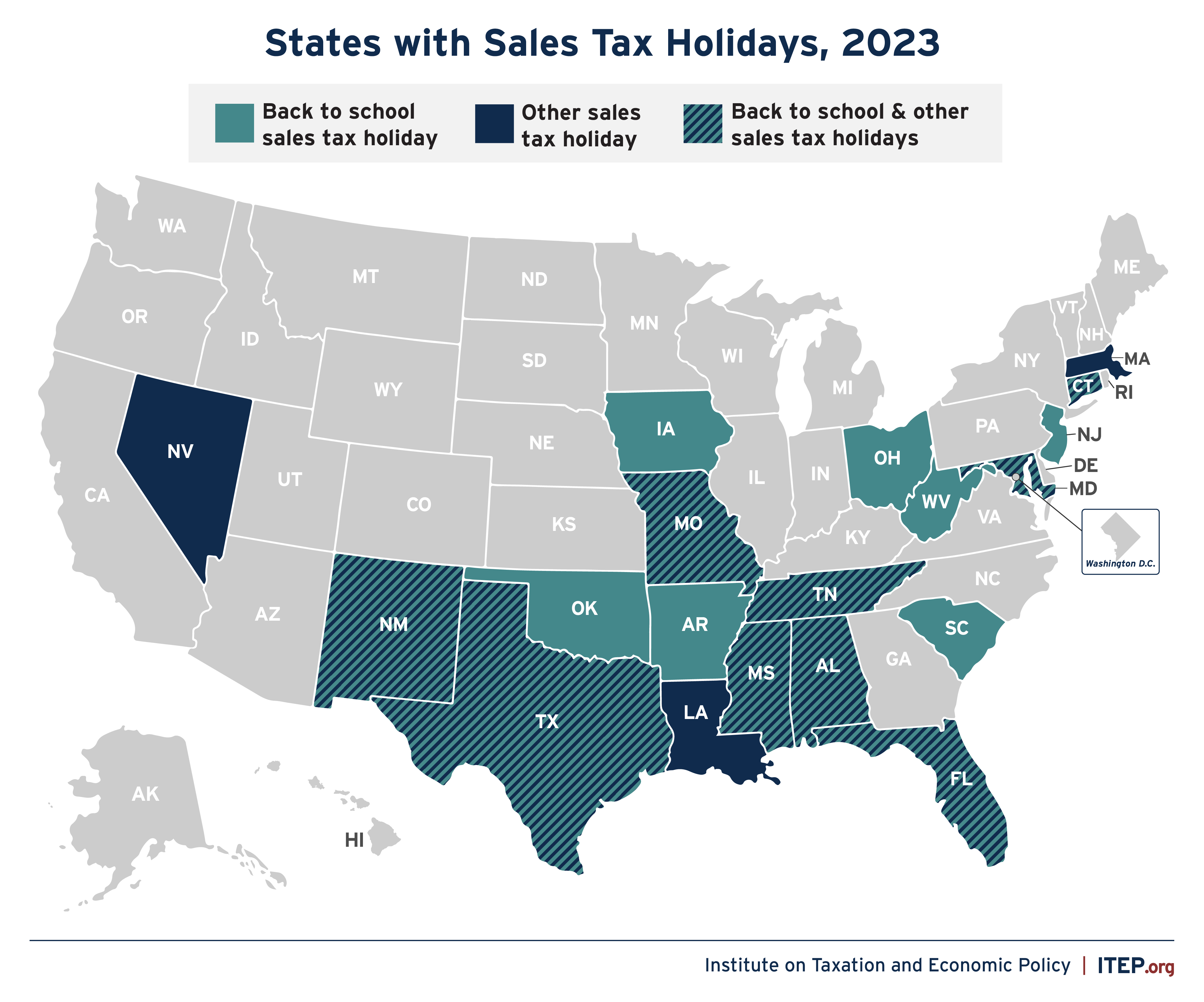
This event is unique because it is mandatory for all retailers within the state. Unlike some other states where local jurisdictions can "opt-out" of the tax holiday, every city and county in Arkansas participates. This ensures a uniform experience for consumers, whether they are shopping in Little Rock, Fayetteville, Jonesboro, or a small rural community.
For the 2026 calendar year, the timing is ideal for back-to-school preparations. By removing the tax burden on essential goods, the state encourages local spending and helps offset the rising costs of educational materials and apparel. It is important to note that while the holiday is often associated with students, eligibility is not restricted to students. Anyone purchasing qualifying items during the 48-hour period is entitled to the tax exemption.
Eligible Items and Price Thresholds
Not every item sold in a department store or electronics shop is tax-exempt. The Arkansas Department of Finance and Administration (DFA) provides specific categories and price "caps" or thresholds that determine whether a product qualifies for the exemption. If an item exceeds the designated price threshold, the entire price of that item remains subject to full sales tax; the tax is not merely waived on the portion below the limit.
Clothing and Footwear (Under $100 per item)
Clothing is defined as all human wearing apparel suitable for general use. To qualify for the 2026 tax holiday, an individual item of clothing must cost less than $100. This includes a wide variety of items such as:
- Daily Apparel: Shirts, pants, dresses, skirts, and sweaters.
- Outerwear: Coats, jackets, and rainwear.
- Undergarments: Socks, hosiery, underwear, and diapers (both cloth and disposable).
- Footwear: Shoes, sneakers, boots, and sandals.
- Specialty Items: School uniforms, athletic supporters, and formal wear (if under $100).
Clothing Accessories and Equipment (Under $50 per item)
Clothing accessories are incidental items worn on the person or in conjunction with clothing. For these items, the price threshold is lower, at less than $50 per item. Common examples include:
- Handbags and Luggage: Purses, briefcases, and wallets.
- Jewelry and Timepieces: Watches, bracelets, and necklaces.
- Hair Items: Barrettes, bobby pins, and hair bows.
- Cosmetics: Makeup and sunblock (though some skin care may be classified differently).
- Optics: Non-prescription sunglasses.
School Supplies (No Price Limit)
Unlike clothing, most "school supplies" do not have a specific price cap in Arkansas, provided they are items commonly used by a student in a course of study. These include:
- Writing Materials: Pens, pencils, erasers, highlighters, and markers.
- Paper Products: Notebooks, loose-leaf ruled paper, graph paper, and index cards.
- Organization: Binders, folders, and cellophane tape.
- Tools: Protractors, compasses, rulers, and scissors.
Electronic Devices
A significant expansion to the tax holiday in recent years includes electronic devices. This category includes computers, tablets, and peripheral equipment intended for use by a student. While there is no strict price cap listed for certain "educational" electronics under the general school supply definition, consumers should verify with the retailer if a specific high-end laptop qualifies under the "Electronic Device" provision of the current state guidelines.
| Category | Price Threshold | Examples of Included Items |
|---|---|---|
| Clothing | Under $100 per item | Shirts, jeans, shoes, baby diapers, coats |
| Clothing Accessories | Under $50 per item | Wallets, watches, handbags, hair bows |
| School Supplies | No Limit | Binders, paper, pens, calculators, glue |
| Art Supplies | No Limit | Clay, glazes, paints, drawing pads |
| Instructional Materials | No Limit | Reference books, maps, globes, textbooks |
| Electronic Devices | Varies/Specific | Laptops, tablets, printers for school use |
Non-Eligible Items: What is Still Taxed
It is equally important to understand what is not included in the Arkansas Sales Tax Holiday. Purchasing these items during the August 1–2, 2026, weekend will still require payment of all applicable state and local taxes.
Protective and Sport Equipment
While general clothing is exempt, items designed specifically for protective or athletic use that are not suitable for general wear remain taxable. This includes:
- Sports Gear: Baseball cleats, football pads, and shin guards.
- Protective Gear: Breathing masks, earplugs, and safety glasses used in industrial settings.
- Specialty Footwear: Skates (roller or ice) and spiked athletic shoes.
Household Goods and Furniture
The tax holiday does not extend to home goods, even if they are for a dorm room or a home office.
- Furniture: Desks, chairs, and lamps.
- Linens: Bedding, towels, and curtains.
- Appliances: Microwaves, mini-fridges, and coffee makers.
Personal Care and Miscellaneous
- Consumables: Food, beverages, and candy.
- Cleaning Supplies: Laundry detergent and disinfecting wipes.
- Recreation: Toys, video games (that are not educational software), and sporting goods like basketballs or tennis rackets.
Guidelines for Online and Remote Sales
In 2026, a significant portion of back-to-school shopping occurs online. The Arkansas Sales Tax Holiday applies to online purchases, mail orders, and telephone orders under the following conditions:
- Timing of the Order: The item must be ordered and paid for during the holiday window (Saturday, Aug 1, 12:01 a.m. to Sunday, Aug 2, 11:59 p.m.).
- Immediate Fulfillment: The item must be available for immediate shipment. If an item is backordered and cannot be shipped until after the holiday, it may not qualify for the exemption depending on when the retailer "processes" the payment.
- Shipping Address: The delivery address must be within the state of Arkansas.
- Shipping and Handling Charges: Arkansas law generally considers shipping and handling charges as part of the sales price. If the addition of a shipping charge pushes an item of clothing over the $100 threshold, the item may become taxable. Consumers should check if the retailer offers "free shipping" during the holiday to avoid this issue.
Major retailers like Amazon, Walmart.com, and Target.com typically update their systems automatically to reflect Arkansas's tax holiday based on the customer's shipping zip code. However, it is always prudent to review the final checkout screen to ensure the tax has been removed before completing the transaction.
Instructions for Retailers and Business Owners
Retailers operating in Arkansas are legally required to participate in the sales tax holiday. The Arkansas Department of Finance and Administration (DFA) does not require a special registration for the holiday, but businesses must ensure their Point of Sale (POS) systems are updated to handle the exemptions correctly.
Reporting Requirements
When filing sales tax returns for the month of August 2026, retailers must report their total gross receipts, including the exempt sales made during the holiday. They then take a deduction for the specific amount of tax-exempt sales. It is vital for businesses to maintain detailed records of these transactions in case of a state audit.
Sales to Non-Exempt Entities
The holiday applies to individuals. If a business or organization purchases items that would otherwise be exempt, the exemption still applies as long as the item meets the criteria and price thresholds. The focus is on the nature of the item, not the identity of the purchaser.
Dealing with "Split" Transactions
If a customer buys a suit where the jacket is $90 and the pants are $60, both items are exempt because each individual item is under $100. Retailers cannot "bundle" items together to artificially exceed the threshold if those items are normally sold separately. Conversely, they cannot "unbundle" a single item (like a $150 designer dress) into multiple components to try and qualify for the exemption.
Advanced Scenarios: Rainchecks, Layaway, and Returns
Navigating the tax holiday can become complicated when transactions aren't straightforward "cash and carry."
- Layaway: Items placed on layaway during the holiday qualify for the exemption if the final payment is made during the holiday. Similarly, if an item was already on layaway and the final payment is made during the tax-free weekend, the tax is waived on that final transaction.
- Rainchecks: If a store is out of stock of an eligible item and issues a raincheck during the holiday, the item will be tax-exempt when it is eventually purchased, even if that purchase happens weeks later. However, a raincheck issued before the holiday cannot be used during the holiday to claim an exemption on a non-qualifying item.
- Returns and Exchanges: If you buy an exempt item during the holiday and return it later for a different size or color of the same item, no tax is due. However, if you return the item for a credit and then use that credit to buy a different, taxable item after the holiday ends, you will have to pay sales tax on the new purchase.
Strategic Tips for Maximum Savings
To get the most out of the 2026 Arkansas Sales Tax Holiday, consumers should plan ahead. Because this is one of the busiest shopping weekends of the year, inventory can deplete rapidly.
- Inventory Your Needs: Check your children's closets and school supply lists in July. Make a specific list of what is needed to avoid impulse buys on taxable items.
- Compare Local Tax Rates: If you live near a county line, check which city has the highest local sales tax. Since both state and local taxes are waived, you save more in high-tax jurisdictions. For example, if Little Rock has a combined tax rate of 11.5% and a neighboring town has 9.5%, you save an extra 2% by shopping in Little Rock during the holiday.
- Check Store Hours: Many retailers in major hubs like the Pinnacle Hills Promenade in Rogers or the Outlets of Little Rock extend their hours during the tax holiday.
- Watch the Thresholds: If a pair of shoes is $105, you pay roughly $11 in tax (depending on location). If you find a similar pair for $99, you pay $0 in tax. The $6 price difference actually becomes a $17 difference in your total out-of-pocket cost.
Frequently Asked Questions
Does the tax holiday apply to used clothing?Yes. The law does not distinguish between new and used items. If you purchase qualifying clothing from a thrift store or consignment shop during the holiday weekend, and the item is under the $100 threshold, it is tax-exempt.
Are textbooks included in the holiday?Yes. Textbooks fall under the category of "School Instructional Materials." There is currently no price limit on these items, meaning even expensive college textbooks can be purchased tax-free during the August 1–2, 2026 window.
If I buy a computer for $800, is it tax-free?Under the "Electronic Devices" provision of the Arkansas tax holiday, computers and tablets intended for school use are exempt. Unlike clothing, which has a strict $100 cap, computers usually qualify regardless of the price, provided they are classified as an "electronic device" under the DFA guidelines for the holiday.
What if a retailer accidentally charges me sales tax?If you are charged tax on a qualifying item during the holiday, you should immediately bring it to the attention of the store manager. If the store refuses to refund the tax, you can save your receipt and contact the Arkansas Department of Finance and Administration to seek a refund or report the non-compliance.
Are masks or medical supplies included?Generally, no. Medical supplies and protective equipment (like N95 masks) are not classified as "clothing" or "school supplies" and remain taxable. However, simple cloth face coverings that are suitable for general wear may be classified as clothing and qualify if under $100.
Next Actions for Shoppers
As August 1, 2026, approaches, your first step should be to visit the official Arkansas Department of Finance and Administration website to download the most current list of exempt items. Many retailers will also begin advertising "Tax Holiday Sales" in late July. Use these advertisements to price-match and ensure you are getting the best deal on top of the tax savings. Finally, ensure your online shopping carts are ready to go at midnight on Saturday to secure high-demand electronics before they sell out.
Legal Disclaimer: This guide is for informational purposes only and does not constitute professional tax or legal advice. Tax laws and eligible item lists are subject to change by the Arkansas State Legislature or the Department of Finance and Administration.