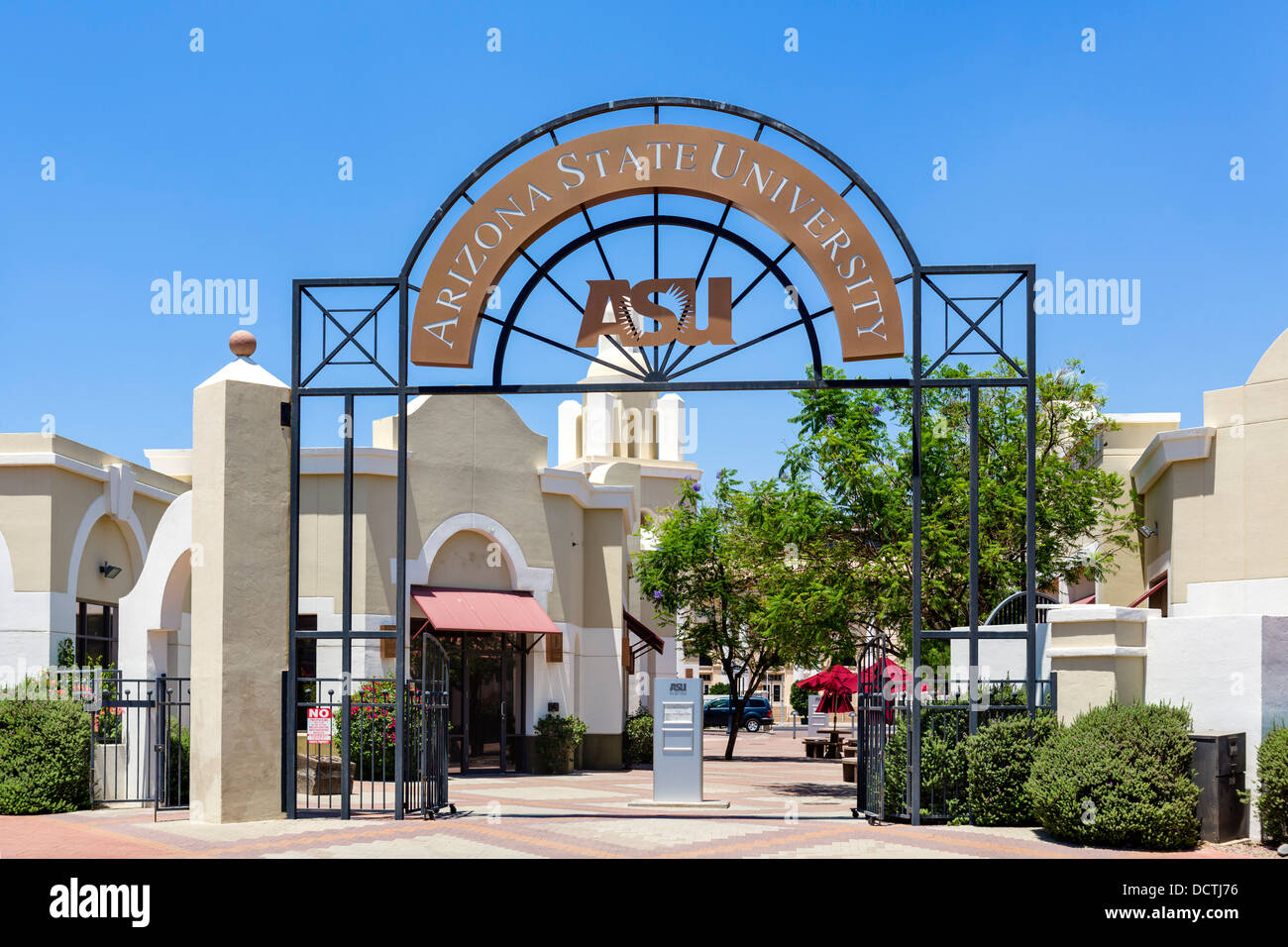
Arizona state education is a multifaceted system overseen by the Arizona Department of Education (ADE) and the Arizona Board of Regents (ABOR). It is characterized by one of the most expansive school-choice landscapes in the United States, including universal Empowerment Scholarship Accounts (ESA), a robust charter school sector, and three major public research universities alongside an extensive community college network.
The Arizona education system serves over 1.1 million K-12 students and hundreds of thousands of post-secondary learners. Navigating this landscape requires an understanding of the various pathways—from traditional district schools and public charters to private education funded by state-directed scholarships. As of 2026, the state continues to refine its "Move on When Reading" initiatives and its career-technical education (CTE) programs to align with a rapidly evolving workforce.
The Governance of Arizona K-12 Education
The governance of education in Arizona is split between several entities to ensure local control while maintaining state-level standards. The Arizona Department of Education (ADE), led by the Superintendent of Public Instruction, handles the day-to-day administration, distribution of funds, and compliance.
The State Board of Education
The State Board of Education is a constitutional body charged with setting policy for the public school system. This includes defining graduation requirements, establishing academic standards (such as the Arizona English Language Arts and Mathematics Standards), and overseeing teacher certification. The board also acts as a judicial body for educator discipline cases.
District vs. Charter Schools
Arizona is a leader in the charter school movement. While both are public schools funded by taxpayers, they operate under different rules:
- Unified School Districts: These are traditional public schools governed by locally elected boards. They have specific geographic boundaries but often participate in "open enrollment," allowing students from outside the district to attend if space is available.
- Charter Schools: These are public, tuition-free schools that operate under a contract (or "charter") with an authorizer, usually the Arizona State Board for Charter Schools. They have more flexibility in curriculum and management but must meet specific academic and financial performance markers to remain open.
The Empowerment Scholarship Account (ESA) Program
By 2026, the Empowerment Scholarship Account (ESA) program has become a cornerstone of Arizona’s educational philosophy. Originally designed for students with disabilities, the program was expanded to be "universal," meaning any student who qualifies for Arizona public school is eligible for state-funded scholarship money to be used for private school tuition, homeschooling materials, or tutoring.
Eligibility and Funding
To qualify, a student must be a resident of Arizona and eligible to enroll in a public school. The funding typically represents approximately 90% of the state’s per-pupil funding that would have gone to a local district. For the 2025–2026 academic year, this amount generally ranges from $7,000 to $8,000 for typical students, with significantly higher amounts for students with documented disabilities.
Usage and Compliance
The ESA funds are managed through an online portal. Parents can use the funds for:
- Private school tuition and fees.
- Textbooks and required curricula.
- Tutoring services provided by a certified teacher.
- Educational therapies (Speech, Occupational, etc.).
- Examination fees for college entrance or career certification.
Mismanagement of ESA funds can lead to account suspension or required reimbursement. The ADE performs regular audits to ensure that funds are used exclusively for "qualified educational expenses."
Academic Standards and Standardized Testing
Arizona utilizes the Arizona Academic Standards, which outline what students should know and be able to do at each grade level. The assessment of these standards is critical for school grading (A-F labels) and student advancement.
Arizona’s Academic Standards Assessment (AASA)
The AASA is the primary statewide achievement test for students in grades 3 through 8. It measures proficiency in English Language Arts (ELA) and Mathematics. High school students typically take the ACT or ACT Aspire as their state-mandated assessment, which also serves as a gateway for college admissions.
Move on When Reading (MOWR)
Arizona state law includes a strict literacy requirement known as "Move on When Reading." This policy dictates that a third-grade student who scores "minimally proficient" on the reading portion of the state assessment may be retained and not promoted to fourth grade. There are exceptions for English Language Learners (ELLs) and students with certain disabilities, but the goal is to ensure foundational literacy before students transition to "reading to learn" in higher grades.
Higher Education: Universities and Community Colleges
Arizona’s higher education system is designed to provide diverse pathways, ranging from massive research institutions to specialized vocational training.
The "Big Three" Public Universities
The Arizona Board of Regents (ABOR) governs the three public universities, each of which has a distinct identity:
- Arizona State University (ASU): Known for its massive scale and focus on innovation. ASU operates multiple campuses across the Phoenix metro area and a globally recognized online campus.
- University of Arizona (UofA): Located in Tucson, the UofA is a premier land-grant institution with a heavy emphasis on medicine, space sciences, and law.
- Northern Arizona University (NAU): Situated in Flagstaff, NAU is often recognized for its focus on undergraduate education, forestry, and environmental sciences.
The Community College System
The Maricopa County Community College District (MCCCD) is one of the largest in the nation, providing affordable entry points for higher education. In recent years, Arizona legislation has allowed community colleges to offer a limited number of four-year baccalaureate degrees in high-demand fields like nursing and fire science.
Comparing Arizona Higher Education Options (2026 Data)
| Institution Type | Primary Focus | Typical Tuition (Resident/Year) | Notable Feature |
|---|---|---|---|
| Research University (ASU/UofA) | Research, Graduate Studies | $11,500 – $13,500 | Large-scale facilities and NCAA sports |
| Regional University (NAU) | Undergraduate, Education | $11,000 – $12,500 | Specialized mountain campus environment |
| Community College | Associates, Vocational | $2,500 – $3,500 | Direct transfer paths to universities |
| Private/Tribal Colleges | Liberal Arts, Cultural | Varies | Localized support and smaller classes |
Teacher Certification Requirements
To teach in an Arizona public or charter school, individuals must hold a valid certificate issued by the ADE. Arizona offers several pathways to certification to combat the persistent teacher shortage.
Standard Professional Certificate
This is the traditional route, requiring a bachelor’s degree from an accredited institution, completion of a teacher preparation program, and passing scores on the Arizona Educator Proficiency Assessments (AEPA) or National Evaluation Series (NES) exams.
Alternative Pathways
- Subject Matter Expert Certificate: This allows professionals with at least five years of experience in a specific field (like engineering or biology) to teach that subject in grades 6-12 without a traditional education degree.
- Classroom-Based Preparation: Some districts are authorized to "grow their own" teachers by providing on-the-job training for individuals who hold a degree but have not completed a formal preparation program.
- Reciprocity: Arizona has a generous reciprocity policy, often granting certificates to out-of-state teachers who hold a valid, comparable license in another jurisdiction.
Vocational and Technical Education (CTE)
Arizona places a high priority on Career and Technical Education (CTE) through Joint Technical Education Districts (JTEDs). These are specialized districts that partner with existing high schools to provide hands-on training in fields such as:
- Aerospace and Aviation
- Nursing and Medical Assisting
- Cybersecurity and Information Technology
- Construction and Advanced Manufacturing
JTEDs, such as Pima JTED or West-MEC in the Phoenix area, allow students to earn industry-recognized certifications concurrently with their high school diplomas, significantly enhancing their employability upon graduation.
Funding and Educational Costs
Funding for Arizona state education is derived from a mix of local property taxes, state sales tax (including the voter-approved Proposition 123), and federal contributions. Arizona has historically ranked lower than the national average in per-pupil spending, which has led to ongoing legislative debates regarding teacher salaries and facility maintenance.
Tax Credit Contributions
A unique aspect of Arizona’s education funding is the Extra-Curricular Activity Tax Credit. Individual taxpayers can contribute up to $200 (or $400 for married couples) to a public school of their choice to support extracurricular activities, such as sports, music, or field trips. This contribution is a dollar-for-dollar credit against state income tax liability.
Frequently Asked Questions
How do I apply for an Arizona ESA?
Applications are submitted through the Arizona Department of Education ESA portal. You must provide proof of Arizona residency and a birth certificate for the student. Once approved, you must sign a contract agreeing to provide an education in at least the subjects of reading, grammar, mathematics, social studies, and science. Funds are then disbursed quarterly into a dedicated account.
What is the difference between an Arizona tax credit and an ESA?
A tax credit is a personal contribution made by a taxpayer to a school, which reduces their state tax bill. An ESA is a state-funded scholarship account where the state provides public funds directly to a parent for their child's educational expenses. You cannot use ESA funds and a private school tuition tax credit for the same student in the same year.
Can my child attend a school outside of our local neighborhood?
Yes, Arizona has "Open Enrollment" laws. This means a student can apply to attend any public school in the state, regardless of their home address, provided the school has available space and the parents provide transportation. Some popular schools may use a lottery system for admissions.
What are the high school graduation requirements in Arizona?
To graduate from an Arizona public high school, a student must earn a minimum of 22 credits. These must include 4 credits of English, 4 credits of Mathematics, 3 credits of Science, 3 credits of Social Studies, and 1 credit of Fine Arts or CTE. Additionally, students must pass a civics test based on the U.S. Immigration and Naturalization Service citizenship test.
How does Arizona support students with special needs?
Under the Individuals with Disabilities Education Act (IDEA), Arizona public schools must provide a Free Appropriate Public Education (FAPE) via an Individualized Education Program (IEP). Alternatively, parents of students with disabilities may opt for the ESA program, which often provides higher funding amounts to cover specialized therapies and private instruction tailored to the child's specific needs.
Is homeschooling legal in Arizona?
Homeschooling is fully legal and widely practiced in Arizona. Parents must file an Affidavit of Intent to Homeschool with their local County School Superintendent within 30 days of starting. Homeschoolers are responsible for their own curriculum and costs unless they choose to participate in the ESA program, which subjects them to different state oversight and funding rules.
Recommended Next Actions
If you are a parent or student navigating Arizona state education in 2026, your first step should be to determine which "track" best fits your needs. Use the Arizona Department of Education's School Report Cards to compare the performance of local district and charter schools. If you are considering private education or homeschooling, visit the ADE ESA website to check the current quarterly funding rates and application deadlines. For those looking toward higher education, the Arizona Board of Regents provides a comprehensive "tri-university" portal that allows for simplified applications to ASU, NAU, and the UofA simultaneously.