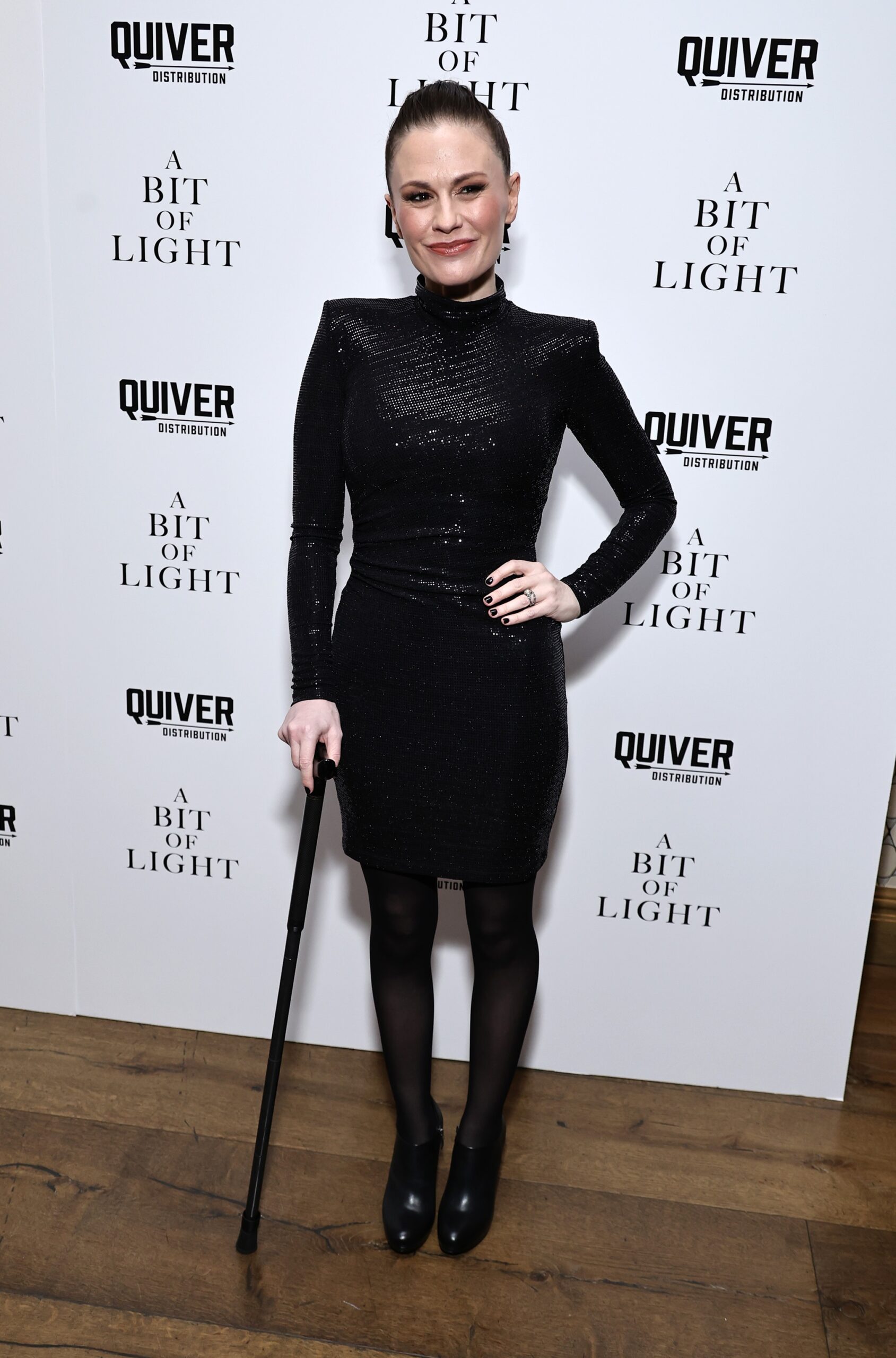
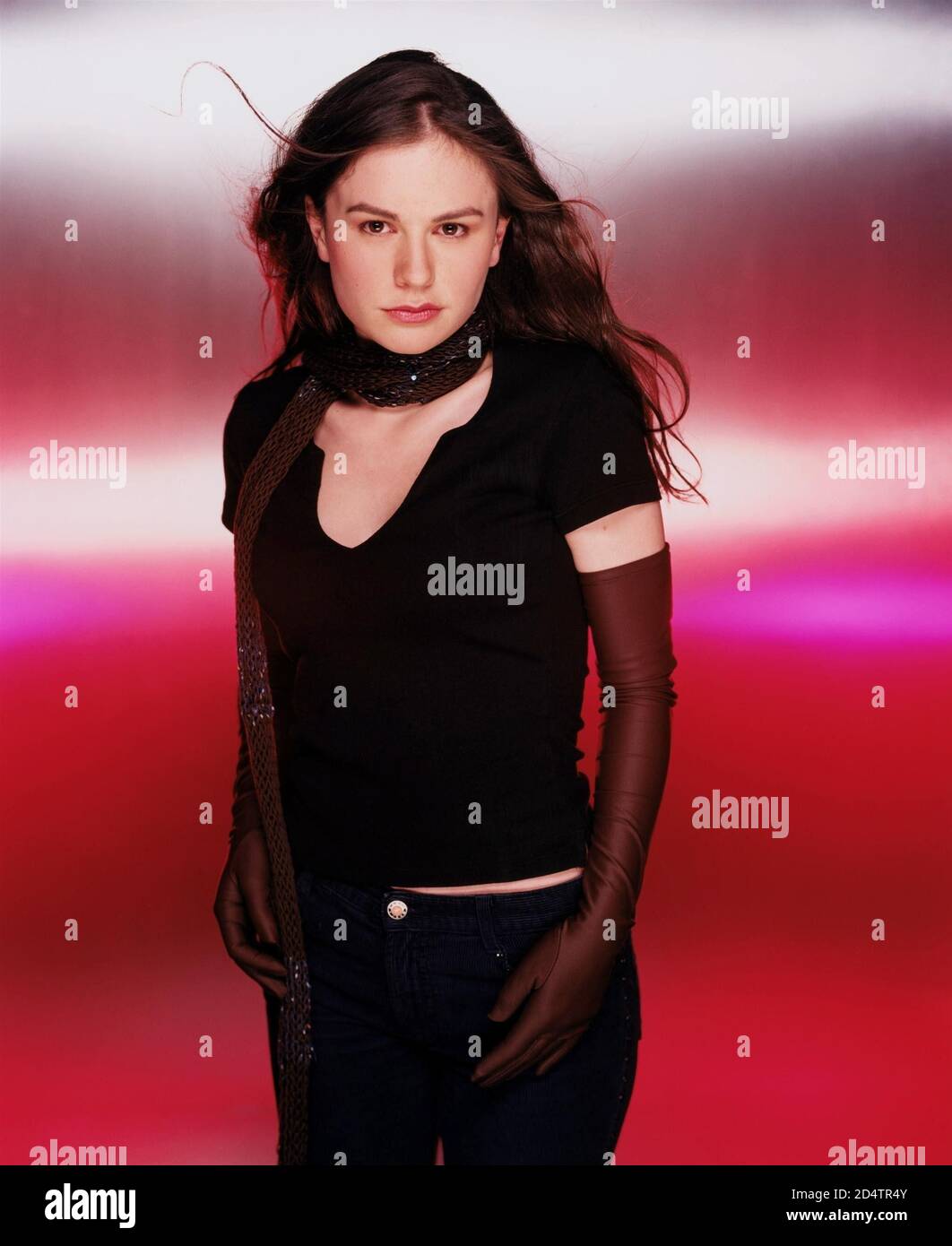
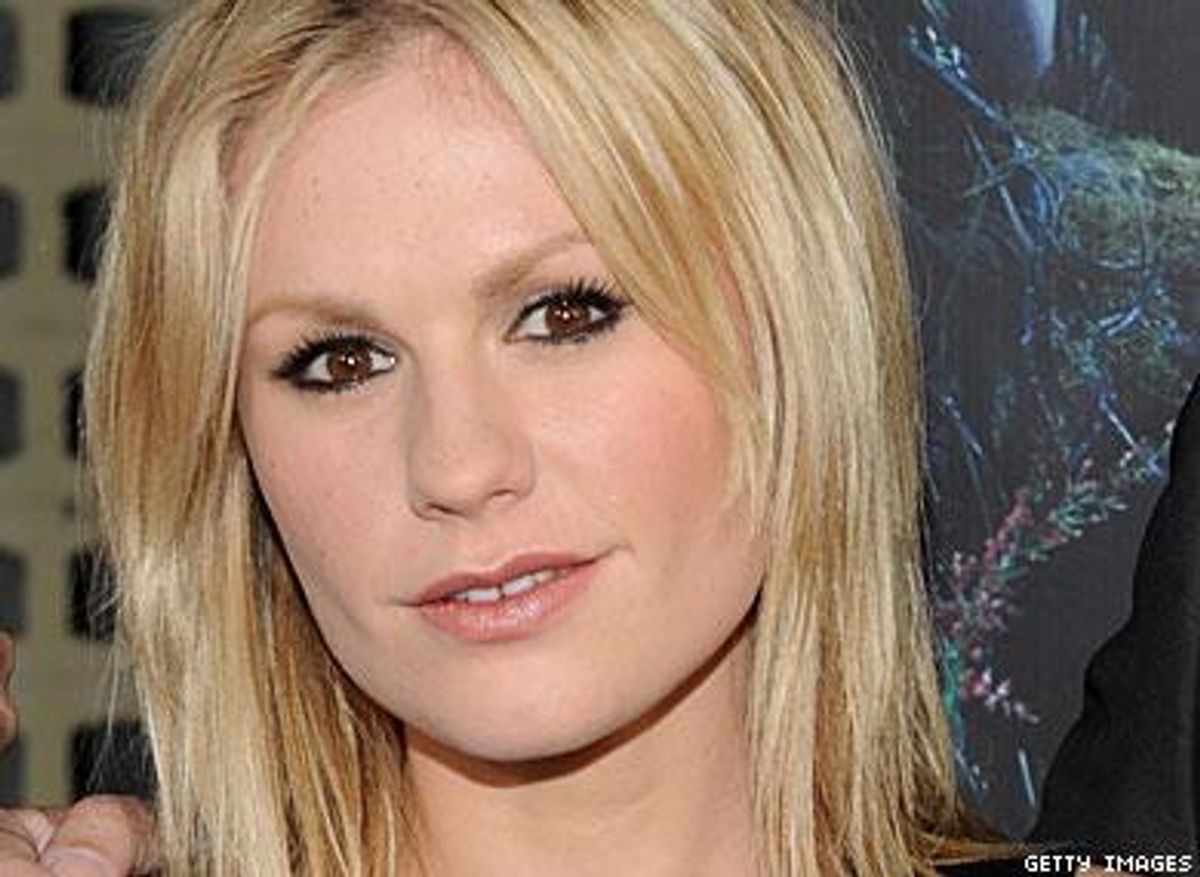
Anna Paquin’s physical measurements are approximately 5 feet 2 inches (157 cm) in height, with an estimated weight of 52 kg (115 lbs) and body proportions commonly cited in public profiles as 34-24-34 inches. As a celebrated Academy Award-winning actress known for her roles in The Piano, True Blood, and X-Men, public interest in her personal statistics often intersects with discussions of her career trajectory, red carpet appearances, and long-standing presence in the entertainment industry.
Introduction to Anna Paquin and Public Interest in Celebrity Statistics
Public curiosity regarding the physical attributes and personal statistics of prominent actors, musicians, and public figures remains a persistent element of popular culture and celebrity journalism. For performers like Anna Paquin, who entered the global spotlight at a remarkably young age, tracking changes in public profile data over decades offers a window into how the media and audiences consume celebrity culture. While digital search queries frequently target specific metrics such as height, weight, and general body measurements, understanding these figures requires separating verified professional facts from estimates typically found in unofficial celebrity databases.
In the case of Anna Paquin, her physical presentation has been documented extensively through red carpet photography, film stills, and magazine features since the early 1990s. However, official medical or biometric statistics are private personal data, meaning all widely circulated measurements represent estimates, agency portfolio notes, or media approximations rather than verified clinical records. Analyzing these figures involves looking at how celebrity statistics are compiled, why audiences search for them, and the broader context of Paquin’s notable career in cinema and television.
Verified and Estimated Physical Statistics
When examining celebrity measurements, establishing a distinction between verified data points (such as height, which is often listed in official casting directories or union profiles) and variable metrics (such as weight and body measurements, which fluctuate naturally over time) is essential. Below is a structured breakdown of the commonly cited statistics associated with Anna Paquin based on public media archives and industry profiles.
| Metric Category | Reported / Estimated Value | Context and Verification Status |
|---|---|---|
| Height | 5 feet 2 inches (157 cm) | Widely corroborated across film casting databases, red carpet comparisons, and official press materials. |
| Weight | Approximately 52 kg (115 lbs) | Varies based on life stages, roles, and personal health; cited as an average estimate in lifestyle profiles. |
| Body Shape / Figure | Slender / Petite | Observable physical build consistent across multiple decades of public appearances and acting roles. |
| Hair Color | Naturally Light Brown / Dark Blonde | Frequently dyed or styled to suit specific acting roles (e.g., golden blonde for True Blood). |
| Eye Color | Hazel-Green | Distinctive facial feature noted in close-up cinematography and editorial photography. |
These figures provide a general baseline for how the actress is categorized within entertainment reference guides. Because human bodies naturally change across different decades of life, career phases, and personal milestones—including motherhood—static numbers rarely capture the dynamic reality of an individual's physical presence.
Career Milestones and Physical Portrayal in Film and Television
Anna Paquin’s career provides crucial context for why her public profile remains a subject of ongoing interest. Born in Canada and raised in New Zealand, Paquin achieved international fame at age eleven when she won the Academy Award for Best Supporting Actress for her debut role as Flora McGrath in Jane Campion’s 1993 drama The Piano. This made her one of the youngest Oscar winners in cinematic history.
As she transitioned from a child actor to adult roles, her physical presentation on screen evolved significantly. In blockbuster action franchises such as the X-Men series, where she portrayed the mutant Rogue, her stature—standing at 5 feet 2 inches—contrasted with taller ensemble cast members, influencing fight choreography, camera angles, and wardrobe design. Later, in her critically acclaimed starring role as Sookie Stackhouse in the HBO supernatural drama series True Blood (2008–2014), her physical styling, hair coloration, and costume choices were carefully curated by production teams to match the southern Gothic aesthetic of the character.
Directors and casting professionals utilize height and physical proportions not merely for aesthetic categorization, but for practical considerations on set, including framing, lighting, and wardrobe fittings. Paquin’s petite frame has allowed her to adapt to a diverse range of characters across independent cinema, period dramas, and high-budget television productions without being pigeonholed by physical archetype.
The Evolution of Celebrity Body Image Standards
The public fascination with celebrity measurements reflects broader cultural shifts in how media outlets, fans, and the entertainment industry discuss bodies. During the 1990s and 2000s, entertainment journalism frequently focused heavily on exact height, weight, and diet regimens, often promoting restrictive or idealized standards of thinness.
In recent years, the discourse surrounding actors like Anna Paquin has shifted toward recognizing natural bodily diversity, aging with grace, and prioritizing professional achievements over superficial metrics. Paquin herself has navigated public scrutiny regarding her appearance, weight fluctuations, and health choices across various press junkets and interviews. By maintaining a career that spans over three decades, she exemplifies longevity in an industry that has historically subjected female performers to intense physical evaluation.
Furthermore, discussions of celebrity measurements often intersect with health and wellness queries from fans attempting to model their own fitness or lifestyle choices after public figures. Experts generally caution against attempting to replicate celebrity statistics, noting that genetics, access to specialized trainers, nutritionists, and personal health circumstances make individual physical metrics highly unique and non-transferable.
Frequently Asked Questions
How tall is Anna Paquin?
Anna Paquin is 5 feet 2 inches (157 cm) tall. This height is consistently documented in film industry directories, red carpet event records, and biographical profiles throughout her career.
What are Anna Paquin's body measurements?
While unofficial celebrity gossip websites frequently list her measurements as 34-24-34 inches, these numbers are unverified estimates rather than official disclosures. Personal biometric data of this nature is private and rarely published by performers.
How much does Anna Paquin weigh?
Her weight is estimated to be around 52 kg (115 lbs), though weight fluctuates naturally over time due to life events, health status, and changing roles, making static figures unreliable.
What are Anna Paquin's most famous acting roles?
Her most prominent roles include Flora McGrath in The Piano (for which she won an Academy Award), Rogue in the X-Men film franchise, and Sookie Stackhouse in the television series True Blood.
How old was Anna Paquin when she won her Oscar?
Anna Paquin was eleven years old when she won the Academy Award for Best Supporting Actress in 1994, making her the second-youngest competitive Oscar winner in history after Tatum O'Neal.
Conclusion and Next Actions
Examining public details such as Anna Paquin measurements reveals a combination of verified professional statistics, such as her height, and speculative estimates found across online entertainment databases. For fans and researchers interested in her life and career, the most rewarding approach is to focus on her extensive filmography, award-winning performances, and contributions to modern cinema and television rather than unverified biometric figures. To explore her work further, reviewing her filmography on verified cinema databases or watching her foundational performances in The Piano and True Blood provides a direct appreciation of her artistic range.