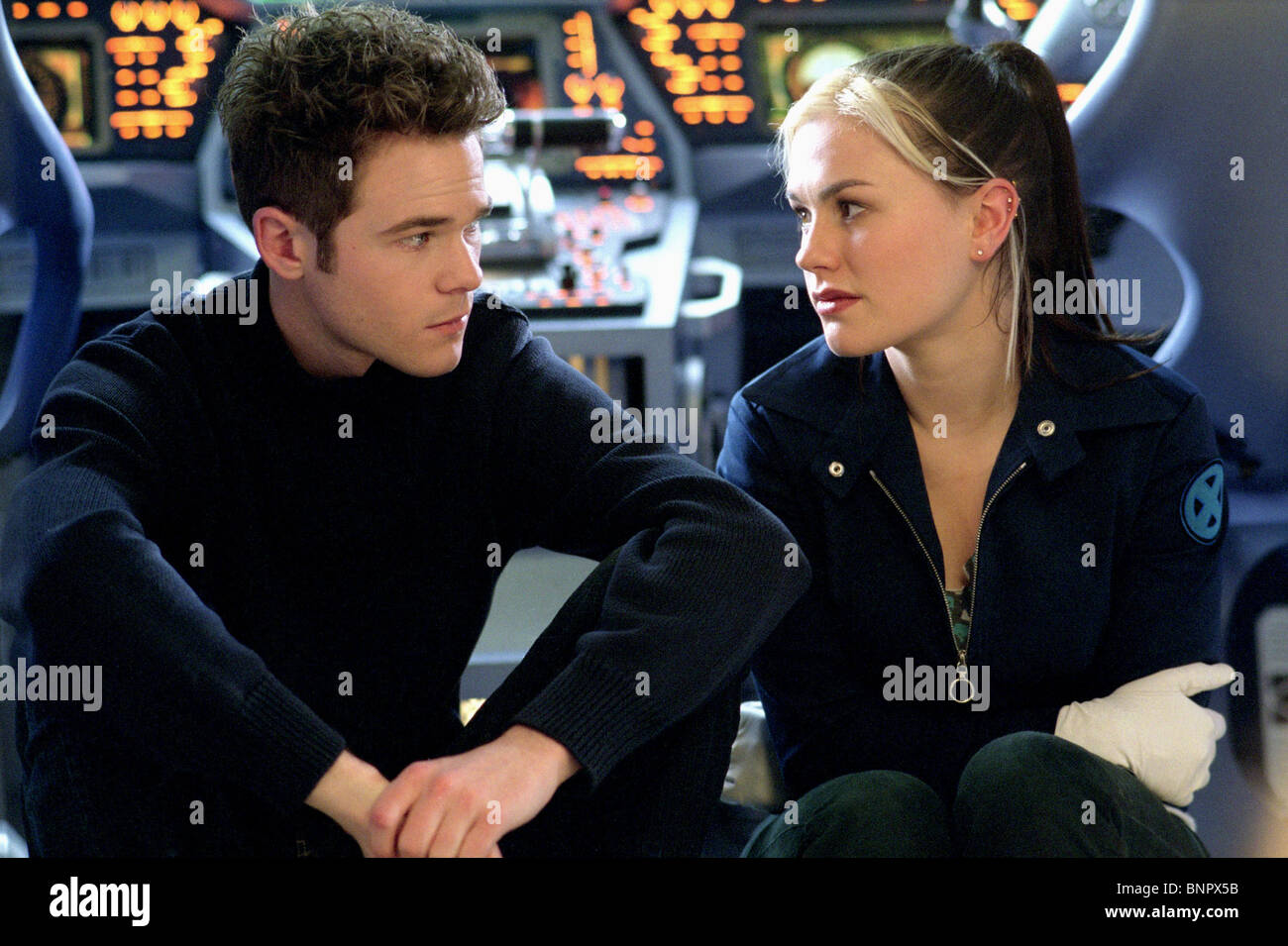
Anna Paquin’s portrayal of Rogue (Marie D'Ancanto) in the 20th Century Fox X-Men film franchise stands as one of the definitive comic-book adaptation performances of the early 2000s, grounding a massive science-fiction universe in genuine human vulnerability. Introduced in the original 2000 X-Men film directed by Bryan Singer, Paquin's version of Rogue served as the emotional audience proxy, a runaway teenager grappling with a dangerous mutant ability that made physical human contact lethal. Over the course of the franchise, her character evolved from a terrified fugitive into a resilient mutant activist, though her journey on screen was marked by notable theatrical omissions, script revisions, and a landmark return in 2014’s X-Men: Days of Future Past.
To fully understand Anna Paquin’s role in the X-Men series, one must examine her casting context, the unique mechanics of her character's mutant powers, her trajectory across the original trilogy, the controversy surrounding her deleted scenes in Days of Future Past, and her lasting legacy within modern superhero cinema.
Casting and Introduction in the Original 2000 X-Men Film
When director Bryan Singer and casting director Julie Tucker began assembling the cast for the year 2000 blockbuster X-Men, they sought actors who could balance high-concept comic-book action with dramatic gravity. Anna Paquin came to the project already holding an Academy Award for Best Supporting Actress, which she won at age eleven for her work in Jane Campion’s 1993 drama The Piano. Her established dramatic credentials brought immediate prestige to a genre that, at the time, was still recovering from a slump of poorly received comic adaptations.
In the film, Rogue is introduced as a runaway teenager living in Mississippi. After accidentally putting her high school boyfriend into a coma by kissing him, she flees her home and wanders into the Canadian wilderness, where she encounters Logan / Wolverine (Hugh Jackman). This pairing forms the narrative anchor of the first act. Wolverine, an immortal bruiser with a cynical outlook, and Rogue, a terrified adolescent isolated by her affliction, mirror one another's alienation.
When they find sanctuary at Professor Charles Xavier’s School for Gifted Youngsters, Rogue is integrated into a community of peers. However, the film's primary conflict revolves around Magneto (Ian McKellen), who seeks to use Rogue’s unique biological capacity to power a machine designed to mutate world leaders. This plot device highlights her central status not merely as a student, but as the literal key to the geopolitical struggle between humans and mutants.
Understanding Rogue’s Mutant Powers and Limitations
In the source material from Marvel Comics, Rogue possesses a suite of abilities that make her distinct: permanent flight, superhuman strength, near-invulnerability, and the power to absorb the memories, personality, and physical capabilities of anyone she touches. Furthermore, in the comics, her absorption of Ms. Marvel (Carol Danvers) left her with those permanent superhuman traits.
The cinematic adaptation handled her powers with a more grounded, tragic approach to align with the realistic tone of the early 2000s films:
- Life Force and Memory Absorption: Physical skin-to-skin contact causes Rogue to absorb the life energy, memories, and skills of living beings.
- Temporary Possession: If she touches a mutant, she temporarily absorbs their specific X-gene mutation along with their consciousness.
- Lethality: Prolonged contact can drain a victim completely, resulting in coma or death.
- The Social Metaphor: Unlike characters with easily concealable powers, Rogue’s inability to touch anyone serves as a direct cinematic metaphor for adolescent alienation, trauma, and the stigma associated with chronic illness or queer identity during the film's production era.
| Cinematic Trait | Film Adaptation (X-Men Trilogy) | Marvel Comics Original |
|---|---|---|
| Permanent Powers | None (relies entirely on human physiology unless absorbing someone) | Superhuman strength, flight, and invulnerability |
| Control Level | Highly volatile; physical contact is strictly forbidden | Controlled, though long-term absorption of Carol Danvers caused psychological strain |
| Relationship Dynamic | Primary romance with Bobby Drake (Iceman) | Complex relationships with Gambit, Magneto, and others |
| Cure Narrative | Central plot point in X-Men: The Last Stand | Explored occasionally, but rarely framed as a primary identity crisis |
Evolution Across the Original Trilogy (X-Men, X2, and The Last Stand)
As the franchise expanded from a single film into a blockbuster trilogy, Rogue’s character arc shifted from a frightened runaway to a young woman navigating first love and bodily autonomy.
X2: X-Men United (2003)
In the second installment, Rogue is an established student at Xavier’s school. Her primary narrative revolves around her romantic relationship with Bobby Drake, known as Iceman (Shawn Ashmore). This storyline introduces a poignant domestic parallel: Bobby struggles to "come out" as a mutant to his non-mutant suburban family, while Rogue’s inability to engage in physical intimacy strains their relationship. When Colonel William Stryker attacks the mansion, Rogue joins her classmates on the run, showcasing increased emotional maturity even as her powers remain a source of personal grief.
X-Men: The Last Stand (2006)
Directed by Brett Ratner, the third film introduces a controversial pharmaceutical "cure" for mutations, derived from the genetic profile of a young mutant boy named Jimmy. This development splits the mutant community and places Rogue at the center of the thematic debate. Feeling alienated by her inability to touch Bobby—who is shown accidentally freezing objects while interacting with other students, such as Kitty Pryde—Rogue voluntarily decides to visit the Worthington Laboratories to receive the cure.
While the resolution of her arc—where she returns to the school having chosen to suppress her mutant abilities—was praised by some for highlighting personal choice, it drew criticism from fans who felt it undermined the franchise's overarching metaphor of self-acceptance.
The Days of Future Past "Rogue Cut" Controversy
Anna Paquin’s involvement in the X-Men franchise experienced a significant behind-the-scenes pivot during the production of 2014’s X-Men: Days of Future Past, directed by Bryan Singer.
Initially, Paquin filmed a substantial supporting role for the film. Her character was featured in a rescue subplot where older Wolverine, Professor X, and Magneto had to break Rogue out of a facility where her powers were being harvested. This sequence was designed to provide a high-stakes mission in the dystopian future timeline. However, during the editing process, Singer and the studio determined that the film's narrative was overstuffed and that the future-timeline rescue plotline disrupted the pacing of the primary conflict involving Wolverine's mission in 1973. Consequently, Paquin's scenes were entirely excised from the theatrical release, leaving her with only a brief, silent cameo in the final frame of the movie.
The decision sparked considerable fan discussion and media coverage. To address the audience's demand, 20th Century Fox released an extended home video version in 2015 titled X-Men: Days of Future Past – The Rogue Cut. This version integrated approximately 17 minutes of previously deleted footage, restoring Paquin’s storyline and giving her character a tangible role alongside Ian McKellen and Patrick Stewart in the film's climax.
Cultural Impact and Legacy in Superhero Cinema
Anna Paquin’s tenure as Rogue established a template for how ensemble superhero films ground their cosmic or fantastic elements in human stakes. By portraying a character paralyzed by the very gift that defined her, Paquin captured the anxieties of youth in a way that resonated deeply with audiences who grew up during the foundational era of modern comic-book adaptations.
While later iterations of superhero films relied heavily on computer-generated spectacle, the early Fox X-Men films anchored themselves in interpersonal drama. Paquin’s understated performance counterbalanced the louder, more flamboyant personalities of characters like Wolverine, Cyclops, and Magneto. Her work remains a touchstone for discussions regarding adaptation choices, character arcs in multi-film franchises, and the intricate balance between ensemble storytelling and individual character growth.
Frequently Asked Questions
Did Anna Paquin play Rogue in all the original X-Men movies?
Yes, Anna Paquin appeared as Rogue in the original trilogy: X-Men (2000), X2 (2003), and X-Men: The Last Stand (2006). She also appeared in the theatrical and extended cuts of X-Men: Days of Future Past (2014).
Why was Anna Paquin cut from the theatrical version of Days of Future Past?
Director Bryan Singer cut her scenes to streamline the theatrical narrative. The original assembly included a rescue mission in the future timeline that slowed down the pacing of the main 1973 plot. Her performance was later fully restored in the home-video release known as The Rogue Cut.
Does Rogue have her comic-book powers in the movies?
No, the cinematic version of Rogue does not possess permanent flight, superhuman strength, or invulnerability. Her powers are strictly limited to absorbing life force, memories, and temporary mutant abilities through direct skin-to-skin contact.
Why did Rogue take the mutant cure in X-Men: The Last Stand?
Rogue chose to take the experimental cure because her mutant ability made physical human contact impossible, preventing her from holding hands or being intimate with Bobby Drake. She wanted a normal life free from the isolation caused by her powers.
Will Anna Paquin return as Rogue in future Marvel projects?
As of 2026, Marvel Studios has integrated various legacy characters from the Fox X-Men universe into the Marvel Cinematic Universe via the multiverse, notably in films like Deadpool & Wolverine. However, no official casting announcements have confirmed a future return for Paquin in upcoming Marvel slate productions.
Conclusion and Next Actions
Examining Anna Paquin’s role in the X-Men franchise reveals how a major studio adaptation adapted a complex comic-book character to fit a grounded, dramatic cinematic universe. From her introduction as a fugitive teenager in 2000 to her pivotal struggles with identity and choice in The Last Stand, and her restoration in The Rogue Cut, her performance defined a generation of superhero storytelling. For those looking to explore her work further, watching the original trilogy in chronological release order provides a clear window into the evolution of early-2000s comic book cinema.