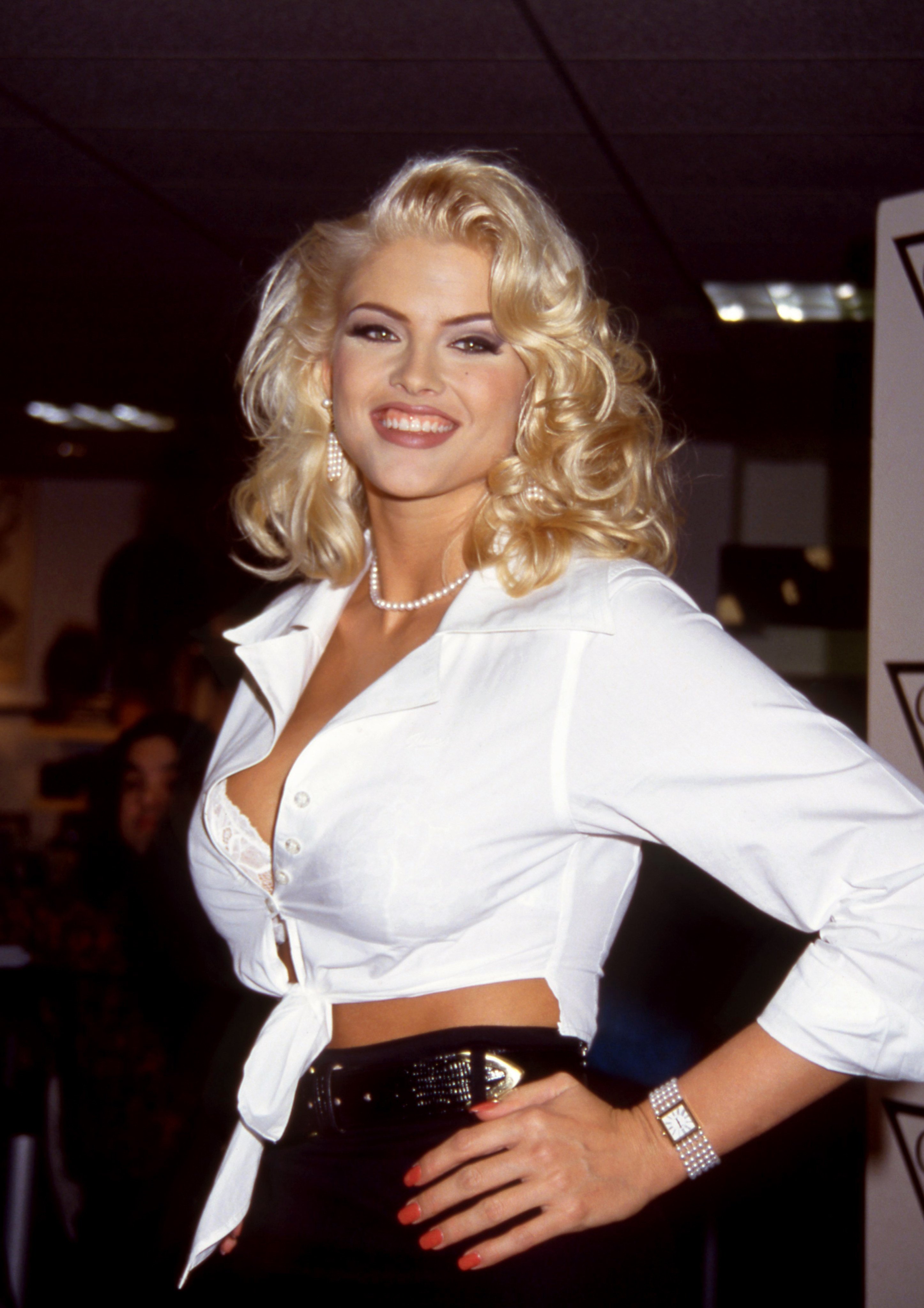
Anna Nicole Smith’s high-profile endorsement of TrimSpa during the mid-2000s remains one of the most prominent and scrutinized celebrity-brand partnerships in the history of the dietary supplement industry. This collaboration merged tabloid celebrity culture with aggressive direct-to-consumer marketing, significantly boosting the product’s market visibility while drawing intense public and regulatory scrutiny over weight-loss claims and safety standards.
The phenomenon surrounding Anna Nicole Smith and TrimSpa represents a distinct era in celebrity endorsements, direct-response television advertising, and the marketing of over-the-counter dietary supplements. During the early 2000s, the former model and television personality became the literal face of TrimSpa, a product manufactured by NutraLabs (later known as Goen Technologies). Her dramatic physical transformation, heavily covered by both celebrity tabloids and mainstream news, was aggressively leveraged in marketing campaigns that promised rapid weight loss.
Understanding this partnership requires examining the regulatory landscape of dietary supplements at the time, the mechanics of celebrity-driven marketing, the public scrutiny surrounding Smith's personal life, and the eventual legal and financial fallout that transformed how regulatory bodies and consumers view commercial weight-loss claims.
Historical Context and the Rise of TrimSpa in the Dietary Supplement Market
To understand the partnership between Anna Nicole Smith and TrimSpa, one must examine the dietary supplement landscape of the late 1990s and early 2000s. The market was heavily populated by thermogenic fat burners and energy boosters that frequently utilized herbal stimulants. TrimSpa entered this competitive ecosystem positioning itself as a revolutionary weight-loss aid designed to help users curb appetite, boost energy, and accelerate metabolism.
NutraLabs positioned TrimSpa not merely as a fitness supplement, but as a lifestyle solution for individuals struggling with weight management. The product's formulation relied on various active ingredients, most notably Hoodia gordonii—a succulent plant native to the Kalahari Desert traditionally used by indigenous San people to suppress hunger during long hunts—alongside green tea extracts and caffeine.
During this period, the regulatory oversight governing dietary supplements in the United States was defined primarily by the Dietary Supplement Health and Education Act (DSHEA) of 1994. Under DSHEA, manufacturers were not required to secure pre-market approval from the U.S. Food and Drug Administration (FDA) for dietary supplements. Instead, the burden fell largely on the FDA to prove that a product was unsafe after it entered the marketplace. This regulatory environment allowed companies like NutraLabs to market aggressive weight-loss formulations with relatively broad claims, provided they included standard disclaimer labels noting that the statements had not been evaluated by the FDA.
The Anna Nicole Smith Endorsement Campaign
The turning point for TrimSpa’s commercial success was the recruitment of Anna Nicole Smith as its primary spokesperson in 2003. Smith, whose turbulent life and career were subjects of intense public fascination, underwent a heavily publicized weight loss while serving as the brand's ambassador.
The advertising campaign utilized television commercials, print advertisements in high-circulation magazines, infomercials, and prominent banner placements. The core message of the campaign centered on Smith's personal transformation, with the tagline famously featuring her declaring, "TrimSpa baby!" The campaign implied that her weight loss was directly attributable to using TrimSpa, creating a powerful psychological hook for consumers seeking similar results.
Marketing Strategies Employed
- Direct-Response Television (DRTV): Lengthy infomercials dominated late-night and daytime television slots, featuring testimonials, dramatic before-and-after photographs, and direct calls to action for ordering the product via telephone or online.
- Tabloid Integration: Smith's frequent presence in celebrity gossip magazines aligned with native advertising placements, blurring the line between editorial coverage of her personal life and promotional messaging for the brand.
- Accessibility and Convenience: The product was distributed widely not only through direct mail and online ordering but also on shelves in major pharmacies, supermarkets, and mass-market retailers, making impulse purchases easy for consumers.
Ingredient Composition and Scientific Scrutiny
As TrimSpa's market share grew, scientists, consumer advocacy groups, and medical professionals began to scrutinize the actual formulation and the scientific backing of the product's claims. The primary marketing hook during Smith's tenure shifted toward Hoodia gordonii, capitalizing on rising consumer interest in natural appetite suppressants.
However, independent nutritional scientists and botanical experts raised significant questions regarding the efficacy and safety of the specific extracts used in commercial formulations.
| Ingredient / Component | Primary Purported Function | Scientific & Regulatory Consensus |
|---|---|---|
| Hoodia gordonii | Appetite suppression via P57 molecule mimicking glucose signaling in the brain. | Limited human clinical trials; sourcing and active compound concentrations varied significantly in commercial products. |
| Caffeine / Green Tea Extracts | Central nervous system stimulation, thermogenesis, and increased energy. | Well-documented short-term metabolic boost; potential cardiovascular side effects for sensitive individuals. |
| Ephedra-free Formulation | Marketed as a safer alternative to banned ephedra alkaloid supplements. | Addressed safety concerns regarding cardiac events associated with earlier stimulants. |
The scientific consensus during that era—and in subsequent reviews—noted that while individual ingredients like caffeine can provide temporary metabolic elevation, robust, long-term clinical trials demonstrating sustainable weight loss specifically from over-the-counter herbal weight-loss blends were largely lacking. Furthermore, investigative reports highlighted challenges in verifying whether commercial supplements contained pure, bioavailable strains of rare botanicals like Hoodia gordonii, given the lack of rigorous batch-testing standards mandated for dietary supplements at the time.
Regulatory Actions, Legal Challenges, and FTC Scrutiny
The aggressive marketing claims made by diet supplement manufacturers in the early 2000s inevitably drew the attention of federal regulatory bodies, most notably the Federal Trade Commission (FTC). The FTC enforces federal laws prohibiting unfair or deceptive acts or practices, which includes scrutinizing advertising claims made for dietary supplements and weight-loss products.
In 2004 and subsequent years, the FTC and various state attorneys general cracked down on deceptive advertising within the diet industry. Companies were increasingly required to substantiate weight-loss claims with competent and reliable scientific evidence—typically defined as randomized, double-blind, placebo-controlled human clinical trials.
NutraLabs faced legal pressure and consumer class-action lawsuits regarding the substantiation of TrimSpa's advertising claims. While the company defended its marketing practices, the regulatory climate shifted dramatically. The scrutiny forced supplement manufacturers to adopt more cautious advertising language, move away from absolute promises of rapid fat loss, and place greater emphasis on diet and exercise as prerequisites for achieving results with their products.
The Cultural Impact and Aftermath
The association between Anna Nicole Smith and TrimSpa remains a defining cultural artifact of the mid-2000s media landscape. Following Smith's sudden and tragic death in February 2007, public conversation surrounding her life, career, and commercial partnerships underwent a profound re-evaluation.
The tragedy brought broader ethical questions into public discourse regarding the exploitation of vulnerable celebrities by aggressive corporate marketing machines. Critics pointed to the intense pressure placed on public figures—particularly women in the entertainment industry—to maintain unrealistic physical standards, and how commercial entities capitalized on these pressures for financial gain.
In the years following the peak of the TrimSpa campaign, the dietary supplement industry experienced significant regulatory evolution. The FTC launched ongoing consumer education campaigns, such as "Operation Skinny Busters," aimed at exposing fraudulent weight-loss products. Additionally, consumers and media outlets became increasingly critical of miracle-cure advertising, paving the way for the more transparent, science-backed wellness marketing trends observed in subsequent decades.
Frequently Asked Questions
What was the primary active ingredient in TrimSpa during Anna Nicole Smith's endorsement?
TrimSpa famously marketed Hoodia gordonii as its primary active ingredient during the Anna Nicole Smith campaign, alongside green tea extracts and caffeine. The formulation was pitched as an innovative natural appetite suppressant designed to help users control caloric intake without synthetic stimulants.
Did the FDA approve TrimSpa before it was sold to consumers?
No. Under the Dietary Supplement Health and Education Act (DSHEA) of 1994, dietary supplements do not require pre-market approval from the FDA. Manufacturers are legally responsible for ensuring product safety, but the burden of proof rests on federal regulators to demonstrate that a product is unsafe after it is already on the market.
What kind of scientific evidence supported TrimSpa's weight-loss claims?
Independent medical experts and regulatory bodies frequently noted that the advertising claims lacked robust, peer-reviewed clinical trials demonstrating sustainable, long-term weight loss. While individual components like caffeine offered temporary metabolic stimulation, evidence supporting the efficacy of commercial Hoodia blends was heavily debated.
How did the FTC respond to weight-loss supplement advertising in the 2000s?
The Federal Trade Commission launched multiple enforcement actions against weight-loss supplement manufacturers during this era for deceptive advertising. The FTC established stricter requirements for scientific substantiation, demanding randomized, controlled human clinical trials to back up any claims of rapid or effortless weight reduction.
What lessons did the supplement industry learn from the TrimSpa marketing era?
The controversy surrounding celebrity-driven weight-loss products prompted increased consumer skepticism, tighter regulatory enforcement by the FTC, and a gradual shift toward more cautious marketing language. Modern supplement brands face heavier scrutiny regarding ingredient transparency, scientific backing, and compliance with federal truth-in-advertising guidelines.