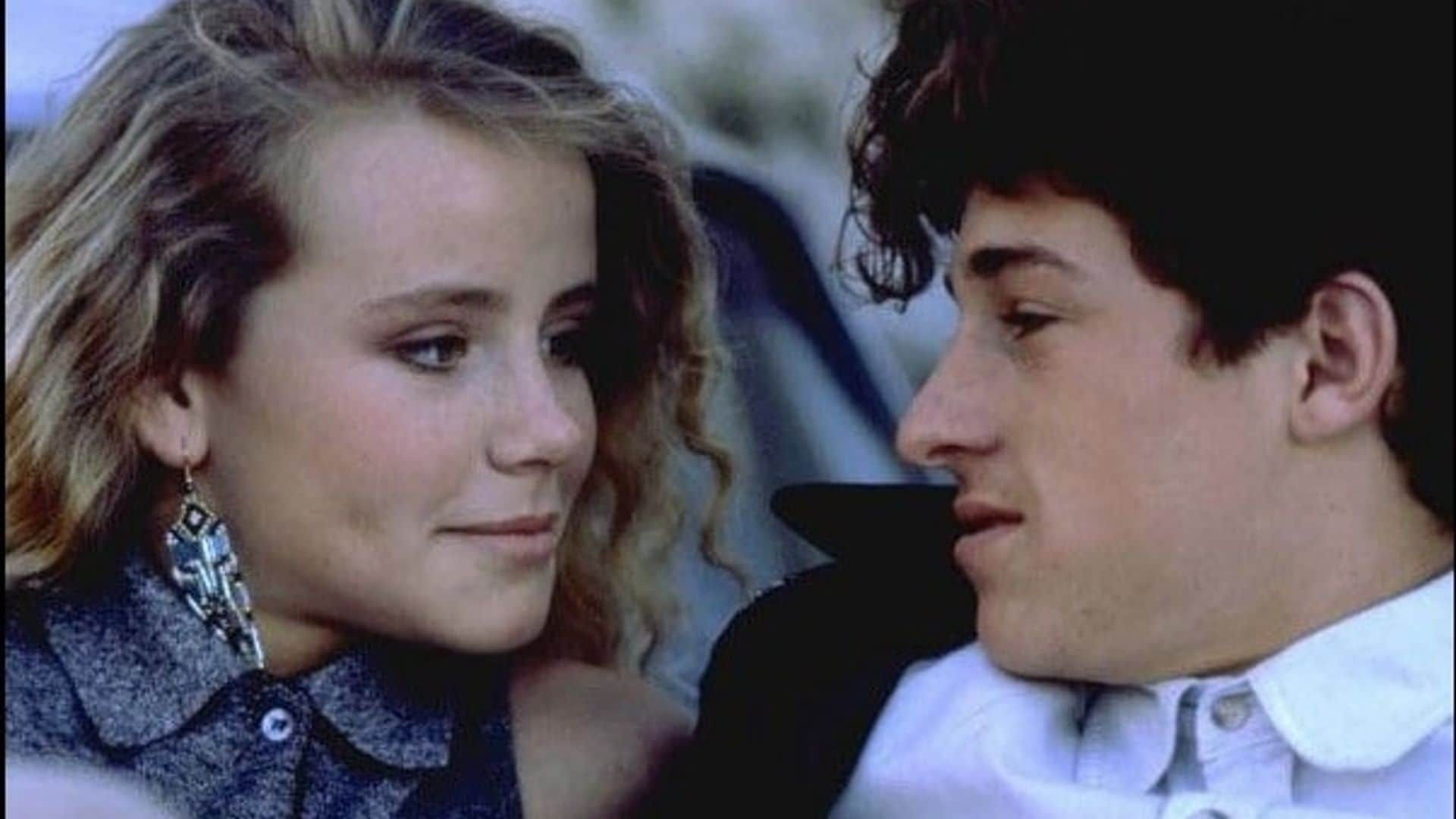
Amanda Peterson was 43 years old when she passed away on July 3, 2015, at her home in Greeley, Colorado. Her untimely death was officially attributed to accidental respiratory failure caused by a polydrug overdose. A beloved figure in the 1980s film scene, Peterson’s passing marked a somber conclusion to a life that had transitioned away from the high-pressure environment of Hollywood long before her final years.
The Rise of a Teen Icon: The 'Can't Buy Me Love' Era
In the mid-1980s, Amanda Peterson became a household name for teenagers across the United States. Her most defining role was that of Cindy Mancini in the 1987 romantic comedy Can't Buy Me Love. Starring alongside Patrick Dempsey, Peterson embodied the archetype of the quintessential popular high school girl whose social standing is transformed by a contract of convenience. The film, directed by Steve Rash, was a modest but culturally significant success that cemented Peterson’s status as a "teen queen" of that era.
Her career began long before her breakout role, however. Born in 1971 in Greeley, Colorado, Peterson started acting as a child. She made her big-screen debut at the age of nine in the musical film Annie (1982), an experience that served as her introduction to the rigors and opportunities of the film industry. Throughout the 1980s, she appeared in various television projects and films, including Explorers (1985) and the television series A Year in the Life. Her natural screen presence allowed her to transition seamlessly between comedy and drama, earning her a nomination for a Young Artist Award during the peak of her popularity.
Understanding the Factors of Her Passing
The death of Amanda Peterson at age 43 brought significant attention to the challenges faced by former child actors and the complexities of opioid and pharmaceutical dependency. According to the report released by the Weld County Coroner’s Office in 2015, the official cause of death was acute respiratory failure. The investigation revealed that the failure was caused by an overdose of various medications that had been prescribed to her for unrelated ailments.
The findings specifically identified the presence of gabapentin, a medication often used for nerve pain and seizures, in her system at levels far exceeding therapeutic doses. The coroner’s report concluded that the manner of death was accidental. For those following her life, the news was a jarring reminder of the private struggles often hidden behind the polished image of former celebrities. It also highlighted a broader public health issue regarding the management of prescription medications and the potential for polypharmacy—the simultaneous use of multiple drugs—to result in fatal outcomes.
The Transition Out of Hollywood
By the mid-1990s, Amanda Peterson had largely withdrawn from the public eye. Unlike many of her contemporaries who remained in the spotlight, Peterson made the conscious decision to leave the film industry behind. She returned to her roots in Colorado, seeking a life defined by personal stability rather than the instability of acting contracts and red-carpet appearances.
This transition is a significant point of interest for those studying the sociology of fame. Many child stars struggle to find their identity outside of their characters, leading to public difficulties. Peterson’s move back to her home state suggests an attempt to reclaim autonomy over her life trajectory. In her post-acting life, she pursued education, attending Colorado State University and eventually finding work in various capacities unrelated to show business. Her departure from the industry allowed her to avoid the persistent gaze of tabloid media for nearly two decades, though her return to the headlines upon her death in 2015 was an inevitable collision between her private life and her public history.
The Cultural Impact of 1980s Teen Cinema
To understand why the death of a 43-year-old former actress received such widespread national coverage, one must look at the cultural significance of the films she defined. Can't Buy Me Love is widely considered a staple of 1980s American cinema. It captured a specific aesthetic and social anxiety—the fear of social rejection and the desire for belonging—that resonated with millions of teenagers during that decade.
When Peterson passed away, the outpouring of grief from fans was not just for the individual, but for the loss of a symbol of their own youth. The table below outlines her notable filmography and the context of those projects.
| Film/Series | Year | Role | Significance |
|---|---|---|---|
| Annie | 1982 | Dancer | Debut film role at age 9. |
| Explorers | 1985 | Lori Swenson | Science fiction cult classic. |
| A Year in the Life | 1986–88 | Sunny Sisk | Primary cast in dramatic series. |
| Can't Buy Me Love | 1987 | Cindy Mancini | Breakout performance; cultural icon status. |
| Listen to Me | 1989 | Donna Lumis | Leading role in debate-themed drama. |
Legacy and Public Health Lessons
The legacy of Amanda Peterson is multifaceted. On one hand, she remains frozen in time as the blonde, charismatic high schooler in Can't Buy Me Love. On the other hand, her passing serves as a grim case study in the dangers of medication mismanagement. Her family, in the aftermath of her death, spoke openly about her struggles with substance abuse, aiming to destigmatize the conversation around addiction and the risks associated with the misuse of prescription drugs.
The circumstances of her death underscore the importance of strict medical oversight. When multiple specialists are involved in a patient's care, the risk of a "prescription cocktail"—where drugs interact in unintended and fatal ways—increases significantly. In 2026, healthcare standards emphasize the integration of electronic medical records (EMR) to track all active prescriptions a patient is taking, a development that might have provided additional safeguards in a different era.
Frequently Asked Questions
What was the official cause of Amanda Peterson's death? The official cause of death was acute respiratory failure as a result of an accidental overdose of multiple prescription medications, including high levels of gabapentin. The coroner ruled the death as accidental.
Did Amanda Peterson leave acting because of her struggles? While Peterson never publicly laid out a single reason for her retirement, she moved back to Colorado and lived a private life for nearly 20 years. Her family has suggested that she faced personal challenges, including struggles with substance abuse, in the years following her time in Hollywood.
How old was Amanda Peterson when she died? Amanda Peterson was 43 years old when she passed away on July 3, 2015. She was born on July 8, 1971, meaning she was just five days shy of her 44th birthday at the time of her death.
Is Can't Buy Me Love her only notable film? While Can't Buy Me Love is undoubtedly her most famous role, she appeared in other notable projects such as the 1985 sci-fi film Explorers alongside Ethan Hawke and River Phoenix, and the television series A Year in the Life, which showcased her range as a dramatic actress.
Where did Amanda Peterson live during her final years? She resided in Greeley, Colorado, where she had grown up. She moved back to her home state after retiring from the entertainment industry to lead a quiet life away from the pressures of fame.
Moving Forward: Awareness and Advocacy
Reflecting on the life of Amanda Peterson serves as a poignant reminder of the humanity behind celebrity personas. For many, her death was a wake-up call regarding the fragility of those who once seemed to have the world at their feet. Today, advocacy groups continue to stress that addiction and dependency do not discriminate based on past fame or economic status.
If you or someone you know is struggling with substance use, resources are available to provide support. In the United States, the Substance Abuse and Mental Health Services Administration (SAMHSA) operates a National Helpline that offers confidential, free, 24-hour-a-day, 365-day-a-year information service for individuals and family members facing mental and/or substance use disorders. Recognizing the signs of medication dependency and ensuring open communication with healthcare providers remains a critical step in preventing accidental tragedies.