Epoxy foundation repair in Akron is a structural solution for fixing cracks in poured concrete walls using high-strength resins. This process restores the wall's integrity by bonding the concrete back together, effectively preventing water infiltration and further shifting caused by Northeast Ohio's heavy clay soils and extreme freeze-thaw cycles.
The State of Foundation Health in Akron, Ohio
As of 2026, homeowners in Akron continue to face unique geological challenges that jeopardize residential and commercial foundations. The region is characterized by a high concentration of "Akron Clay," a heavy, expansive soil that reacts aggressively to moisture. When the soil becomes saturated during the wet spring months or the frequent "lake effect" snowmelts, it expands, exerting immense hydrostatic pressure against foundation walls. Conversely, during dry spells, the soil shrinks, leaving voids that cause the foundation to settle or shift.
In this environment, cracks are not merely aesthetic issues; they are structural vulnerabilities. For poured concrete foundations—the most common type in Akron’s suburban developments—epoxy injection has emerged as the gold standard for structural restoration. Unlike topical sealants that only mask the problem, epoxy penetrates the entire depth of the crack, creating a bond that is often stronger than the original concrete.
Understanding Epoxy Injection Technology
Epoxy is a two-part thermosetting polymer consisting of a resin and a hardener. When these two components are mixed, a chemical reaction occurs that transforms the liquid into a durable, rigid solid. In the context of foundation repair, the viscosity of the epoxy is tailored to the width of the crack.
Structural Bonding vs. Waterproofing
It is essential to distinguish epoxy from polyurethane foam. While both are injected into cracks, their purposes differ:
- Epoxy: Primarily structural. It cures into a hard, inelastic material that welds the concrete back together. It is used when the crack is "moving" or when the structural integrity of the wall is at risk.
- Polyurethane: Primarily for waterproofing. It remains flexible after curing, allowing it to expand and contract. While excellent for stopping leaks in non-structural cracks, it does not provide the "weld" that epoxy offers.
In Akron, where foundation walls often bow inward due to external pressure, epoxy is frequently used in conjunction with other reinforcement methods, such as carbon fiber straps, to ensure the wall remains stable for decades.
The Technical Process of Epoxy Foundation Repair
A successful epoxy repair requires precision and a controlled environment. In the humid and variable climate of Northeast Ohio, professionals must ensure the concrete is sufficiently dry and the temperature is within the manufacturer's specified range for the resin to cure properly.
Step 1: Surface Preparation and Assessment
The technician begins by cleaning the area around the crack. Any loose concrete, paint, or previous DIY repair materials (like hydraulic cement) must be removed using a wire brush or a mechanical grinder. The crack is then inspected to determine its depth and whether it is a "through-wall" crack that reaches the exterior soil.
Step 2: Port Installation
Injection ports, also known as "packers," are adhered directly over the crack at regular intervals—typically every 8 to 12 inches. The spacing depends on the thickness of the foundation wall; a standard 8-inch thick wall usually requires ports spaced 8 inches apart to ensure the epoxy travels fully through the fissure before reaching the next port.
Step 3: Surface Sealing
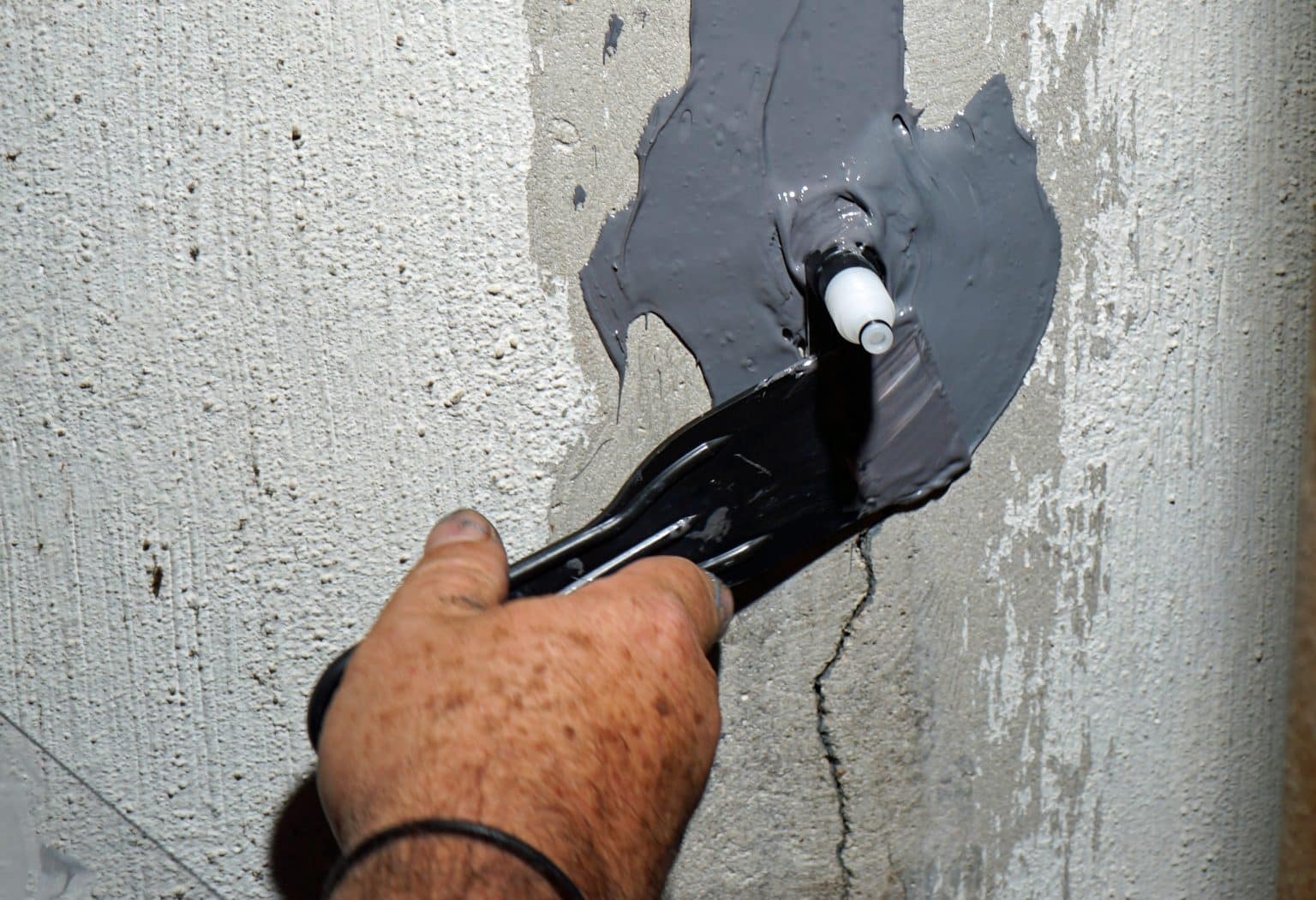
Once the ports are set, a fast-curing epoxy paste is applied over the remainder of the crack’s surface. This "cap" acts as a dam, ensuring that when the liquid epoxy is injected under pressure, it stays within the crack and flows toward the back of the wall rather than leaking out the front.
Step 4: The Injection Sequence
The injection starts at the lowest port. The technician pumps the epoxy into the port until it begins to flow out of the port directly above it. This indicates that the crack has been filled from front to back and up to that height. The bottom port is then capped, and the process is repeated moving upward.
Step 5: Curing and Finishing
The epoxy must cure, which in 2026 formulations typically takes 12 to 24 hours depending on the ambient basement temperature. Once cured, the injection ports are snapped off, and the surface seal can be ground flush with the wall if a smooth aesthetic finish is desired.
Comparing Foundation Repair Methods in Akron
Choosing the right repair method depends on the severity of the damage and the goal of the homeowner. The following table compares epoxy injection with other common regional solutions.
| Method | Primary Purpose | Material Longevity | Best For | Estimated Cost (Per Crack/Foot) |
|---|---|---|---|---|
| Epoxy Injection | Structural Welding | 30+ Years | Poured concrete, structural cracks | $400 - $1,200 |
| Polyurethane Injection | Water Mitigation | 15 - 25 Years | Non-structural leaks, hairline cracks | $300 - $800 |
| Carbon Fiber Straps | Preventing Bowing | Lifetime | Stabilizing moving walls | $600 - $1,500 (per strap) |
| I-Beam Reinforcement | Heavy Bracing | Lifetime | Severe wall inward movement | $1,500 - $3,000 (per beam) |
| Exterior Waterproofing | Hydrostatic Relief | 20 - 40 Years | Complete basement moisture control | $10,000 - $30,000 (full scope) |
Why Soil Composition in Summit County Matters
Akron sits on a complex mix of glacial deposits. According to the USDA Natural Resources Conservation Service, the soil in Summit County often contains high levels of silt and clay, which have low permeability. When it rains, the water does not drain away quickly; instead, it hangs against the foundation.
This creates a "freeze-thaw" cycle that is particularly brutal. As the water-saturated soil freezes in the winter, it expands significantly, pushing against the foundation. When it thaws, the pressure is released, but the concrete may have already developed micro-fractures. Over several seasons, these fractures grow into major cracks. Epoxy repair is uniquely suited for this because it creates a waterproof, structural seal that can withstand these cyclical pressures better than traditional mortars.
Costs and Factors Influencing Pricing in 2026
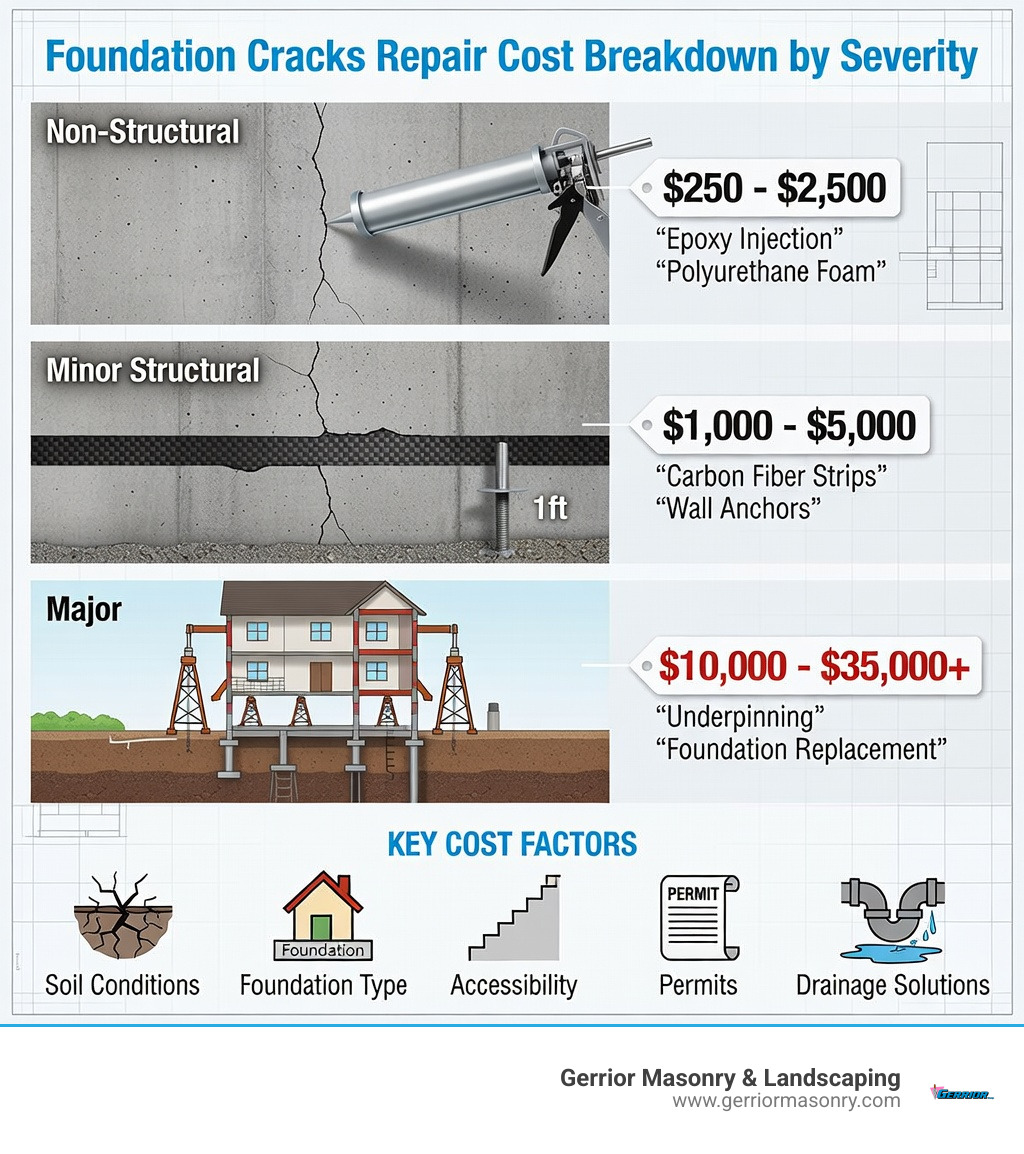
In 2026, the cost of epoxy foundation repair in Akron is influenced by several variables. While the base cost for a single crack repair typically starts around $400, several factors can increase the final quote:
- Accessibility: If the crack is hidden behind drywall, insulation, or built-in cabinetry, the cost of demolition and restoration will be added. Professionals generally prefer the area to be cleared at least three feet back from the wall.
- Crack Width and Depth: Wider cracks require more resin. A "v-groove" may need to be cut into the concrete to accommodate more material if the crack is particularly wide.
- Active Leaking: If a crack is actively gushing water, a standard epoxy may not bond correctly. Technicians may need to use a water-activated polyurethane first to stop the flow before applying structural epoxy.
- Structural Bowing: If the wall has moved more than 1/4 to 1/2 inch inward, epoxy alone is insufficient. It must be paired with reinforcement like carbon fiber or steel beams to meet current building safety standards.
Legal and Safety Requirements in Akron
Foundation repair is often considered a structural modification. In the City of Akron and surrounding Summit County jurisdictions, major structural repairs may require a building permit. Homeowners should verify that their contractor is registered with the Akron Building Inspection Department.
Using a licensed professional ensures that the repair complies with the Residential Code of Ohio (RCO). Furthermore, professional repairs usually come with a transferable warranty—a critical document when selling a home in the competitive 2026 real estate market. A "DIY" epoxy kit might save money upfront, but without a certified technician’s signature, it can become a liability during a home inspection.
Maintenance After Epoxy Repair
An epoxy injection fixes the symptom (the crack), but it does not always address the cause (the water/soil pressure). To ensure the longevity of the repair, Akron homeowners should take the following steps:
- Gutter Maintenance: Ensure gutters are clear of debris and that downspouts extend at least 6 to 10 feet away from the foundation.
- Grading: Soil should slope away from the house at a rate of 6 inches over the first 10 feet.
- Interior Dehumidification: Maintain basement humidity levels below 50% to prevent condensation on the walls, which can interfere with the concrete's health over time.
- Window Well Covers: Install covers to prevent water from pooling against the foundation walls near basement windows.
Common Mistakes in Foundation Crack Repair
One of the most frequent errors observed in Akron home maintenance is the use of "plugging" materials. Homeowners often apply hydraulic cement or silicone caulk over a crack. These materials do not penetrate the wall and fail to bond structurally. Under hydrostatic pressure, these topical patches usually pop off within one to two seasons, often making the eventual professional epoxy injection more difficult and expensive because the old material must be painstakingly removed.
Another mistake is ignoring "stair-step" cracks in block foundations. It is vital to note that epoxy injection is primarily for poured concrete. In cinder block foundations, cracks usually occur in the mortar joints. While epoxy can be used in some block applications, it often requires different techniques, such as pressure-grouting or the installation of reinforcement plates, because blocks are hollow.
Frequently Asked Questions
Is epoxy better than polyurethane for foundation cracks?
Epoxy is superior for structural repairs because it bonds the concrete back together. Polyurethane is better for non-structural cracks that are leaking water, as it remains flexible. In Akron, if the crack is a result of wall movement or pressure, epoxy is the recommended choice to restore structural integrity.
Can I do epoxy foundation repair myself?
While DIY kits are available, they are generally not recommended for structural cracks. Professional-grade resins have specific viscosities and cure times that require high-pressure or specialized low-pressure equipment. Additionally, a professional can identify if the crack indicates a larger foundation collapse risk that a kit cannot fix.
How long does an epoxy foundation repair last?
When performed correctly by a professional, an epoxy injection repair is considered a permanent solution. The epoxy bond is typically stronger than the concrete itself. Most reputable Akron contractors offer a lifetime warranty on the injected crack, provided there is no significant new settling of the entire structure.
Does homeowners insurance cover epoxy foundation repair?
Generally, standard homeowners insurance does not cover foundation repair caused by "earth movement" or "hydrostatic pressure." However, if the crack was caused by a sudden event like a pipe burst, there may be limited coverage. Always review your policy and consult with an agent regarding specific Akron soil-related clauses.
Will epoxy repair stop my basement from flooding?
Epoxy will stop water from entering through the specific crack that was injected. However, it will not prevent water from entering through other areas, such as the "cove joint" (where the wall meets the floor) or through floor cracks. A comprehensive waterproofing strategy is often needed for a completely dry basement.
Recommendation for Next Actions
If you notice a crack in your Akron home's foundation, the first step is to monitor it for changes. Use a pencil to mark the ends of the crack and write the date. If the crack grows in length or width over a single season, or if it is wider than 1/8 of an inch, seek a professional structural evaluation immediately.
Prioritize contractors who specialize in "structural injection" rather than general basement waterproofing. Ensure they provide a detailed contract specifying the type of epoxy resin used and a transferable warranty. Addressing a small structural crack now with epoxy can prevent the need for a $20,000 wall stabilization project in the future.