When an air conditioning system fails in Pembroke Pines, Florida, the intense heat and humidity make prompt professional intervention an absolute necessity rather than a mere convenience. Effective air conditioner repair requires understanding local climate challenges, recognizing early warning signs of mechanical or electrical failure, evaluating repair versus replacement costs, and navigating local contractor selection safely.
Understanding the Pembroke Pines Climate and Your AC System
Pembroke Pines features a tropical monsoon climate characterized by long, hot, and humid summers paired with mild winters. Operating an air conditioner under these conditions means the system runs for extended hours, often cycling continuously for months at a time. This heavy workload accelerates wear and tear on critical components such as compressors, fan motors, capacitors, and evaporator coils.
Because humidity control is just as critical as temperature reduction in Broward County, an efficient AC unit must properly extract moisture from indoor air. When components begin to degrade, moisture removal drops, leading to clammy indoor conditions, musty odors, and potential mold growth. Recognizing how local environmental stress impacts mechanical parts helps homeowners catch minor issues before they cascade into catastrophic system failures.
Common Air Conditioner Problems in South Florida
Air conditioning systems communicate distress through distinct operational changes. Identifying these symptoms early can prevent expensive emergency service calls.
1. Warm Air or Inconsistent Cooling
If your system is blowing room-temperature air, the root cause could range from a simple thermostat misconfiguration or dirty air filter to a complex refrigerant leak or failed compressor. In South Florida homes, blocked airflow due to neglected filtration is a leading culprit.
2. Strange Noises
Unusual sounds always indicate mechanical trouble:
- Squealing or Screeching: Often points to a failing blower motor belt or bearings requiring lubrication.
- Grinding: Typically signifies motor bearing failure, requiring immediate shutdown to prevent total motor burnout.
- Clicking: Continuous clicking at startup usually indicates a failing electrical relay or a bad compressor start capacitor.
- Banging or Rattling: Suggests loose components, debris trapped in the blower assembly, or a failing compressor.
3. Foul Odors
Musty smells usually indicate mold or mildew accumulation inside the condensate drain pan, ductwork, or evaporator coils. A sharp, burning electrical odor, however, signals overheating wires or a failing motor winding and requires immediate power disconnection.
4. Excess Moisture and Leaks
Clogged condensate drain lines are extremely common in humid climates. When algae, dust, or sludge blocks the drain line, water backs up into the drip pan and overflows, risking water damage to ceilings, drywall, and flooring.
Troubleshooting Checklist Before Calling a Technician
Before scheduling a service call, homeowners can safely perform a few basic checks to rule out minor, user-correctable issues:
- Check the Thermostat Settings: Ensure the unit is set to "Cool" and the temperature is set lower than the current room temperature. Verify that battery-powered thermostats have fresh batteries.
- Inspect the Circuit Breaker: Check your home's main electrical panel to see if the breaker dedicated to the air conditioner has tripped. If it trips repeatedly, do not keep resetting it; this indicates an electrical short requiring professional diagnosis.
- Examine the Air Filter: A severely clogged filter restricts airflow completely, causing evaporator coils to freeze over. Replace disposable filters every 30 to 60 days during peak cooling season.
- Inspect the Condensate Line: Look at the primary drain line exit point outside. If water is not dripping freely, the line may be blocked.
Air Conditioner Repair vs. Replacement Cost Analysis
Deciding whether to repair an aging air conditioning unit or invest in a new installation is a significant financial choice for Pembroke Pines property owners.
| Factor | Repair | Replacement |
|---|---|---|
| Average Cost Range | $150 – $950 (depending on part) | $4,500 – $9,000+ (installed) |
| Typical Lifespan Impact | Extends life temporarily | Resets system lifespan (10–15 years) |
| Energy Efficiency | Maintains current efficiency level | Significantly lower monthly utility bills |
| Warranty Coverage | Limited 30-day to 1-year part warranty | 5- to 10-year manufacturer parts warranty |
As a general rule of thumb used by HVAC professionals, multiply the estimated repair cost by the age of the equipment in years. If the resulting figure exceeds the cost of a brand-new replacement system, investing in a replacement is usually the more economical long-term choice.
What to Look for in a Pembroke Pines HVAC Contractor
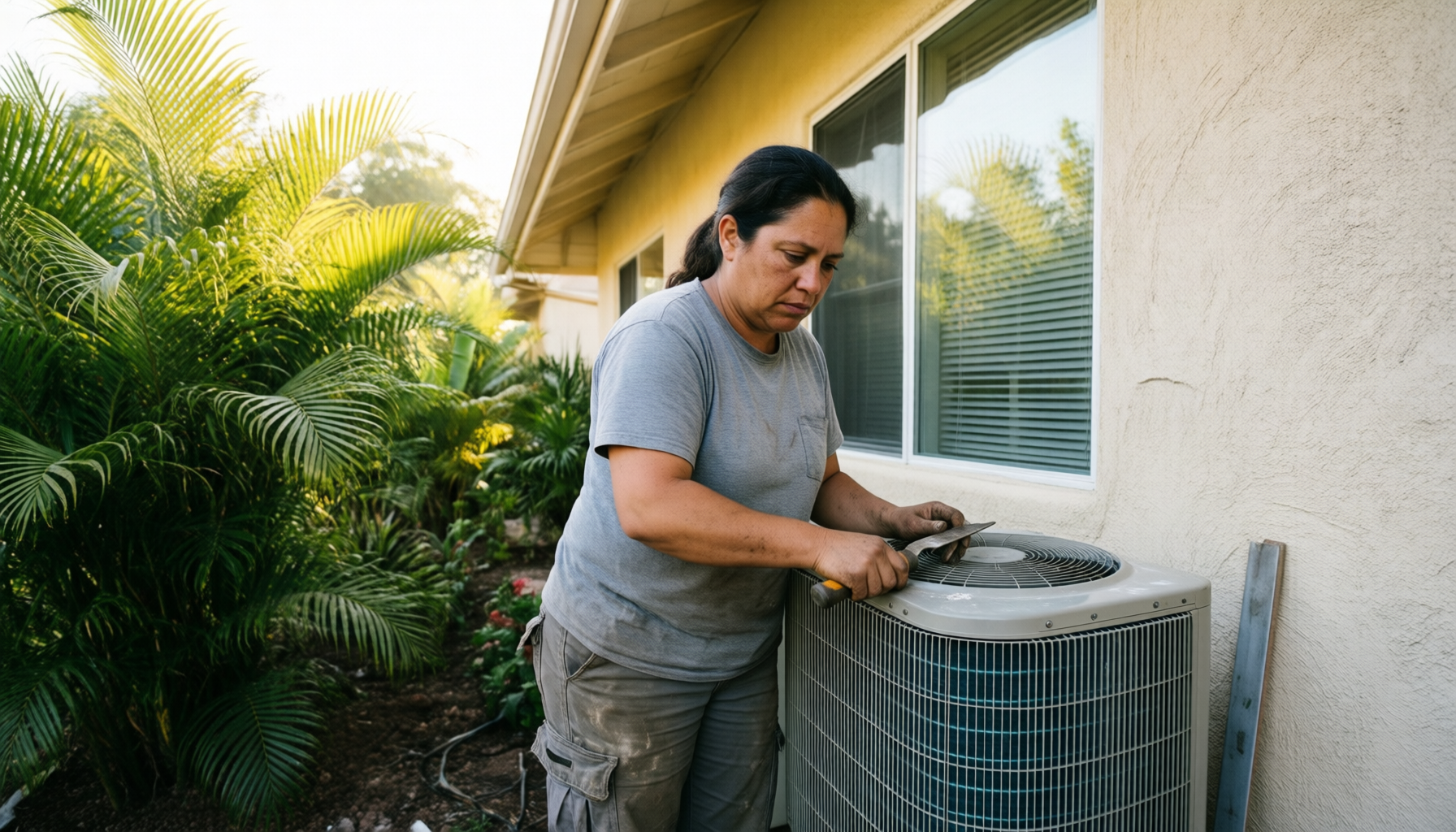
Hiring a qualified, trustworthy technician ensures that repairs comply with building codes and manufacturer specifications. Keep the following criteria in mind when evaluating local service providers:
- Licensing and Insurance: Verify that the contractor holds an active license with the Florida Department of Business and Professional Regulation (DBPR). They must carry both general liability insurance and workers' compensation coverage.
- Certifications: Technicians holding North American Technician Excellence (NATE) certification have demonstrated verified technical competency across complex heating, ventilation, and air conditioning systems.
- Transparent Pricing: Reputable companies provide upfront, flat-rate pricing or clear hourly estimates before initiating physical repair work. Avoid technicians who offer vague verbal estimates or demand cash payment upfront without a written invoice.
- Local Reputation: Look for established local companies with consistent ratings on verified review platforms and a physical address in Broward County.
Preventive Maintenance: Protecting Your Investment
Routine maintenance is the single most effective way to minimize unexpected breakdowns and lower operational expenses. In South Florida, scheduling professional maintenance twice a year—once in the spring before peak cooling season and once in the fall—keeps systems running at peak efficiency.
Key professional maintenance steps include:
- Cleansing and flushing the condensate drain line with anti-algae treatments.
- Checking refrigerant operating pressures to ensure proper cooling charge without leaks.
- Lubricating moving parts to reduce friction and motor strain.
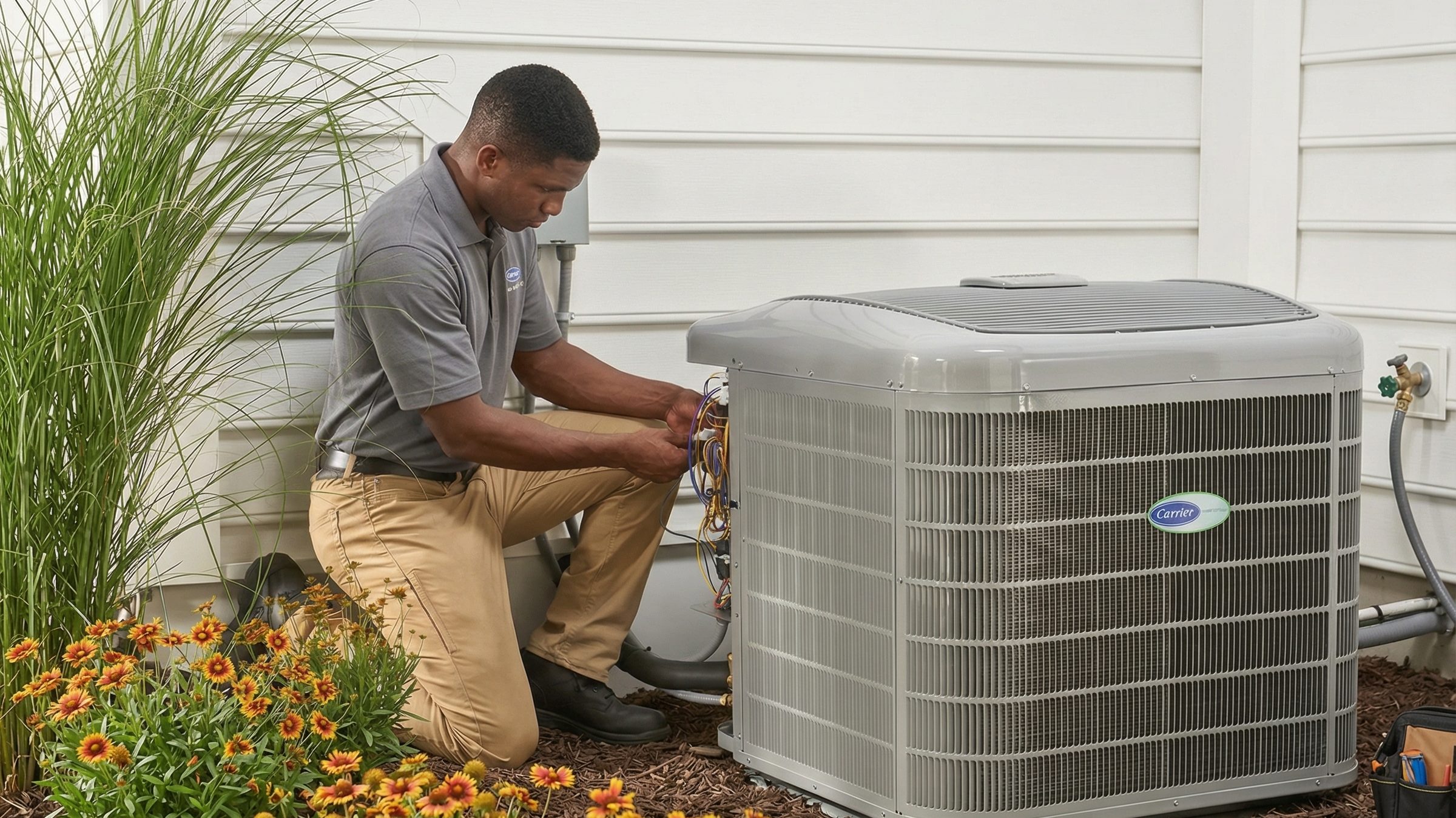
- Testing electrical connections, voltage draws, and capacitor microfarad ratings.
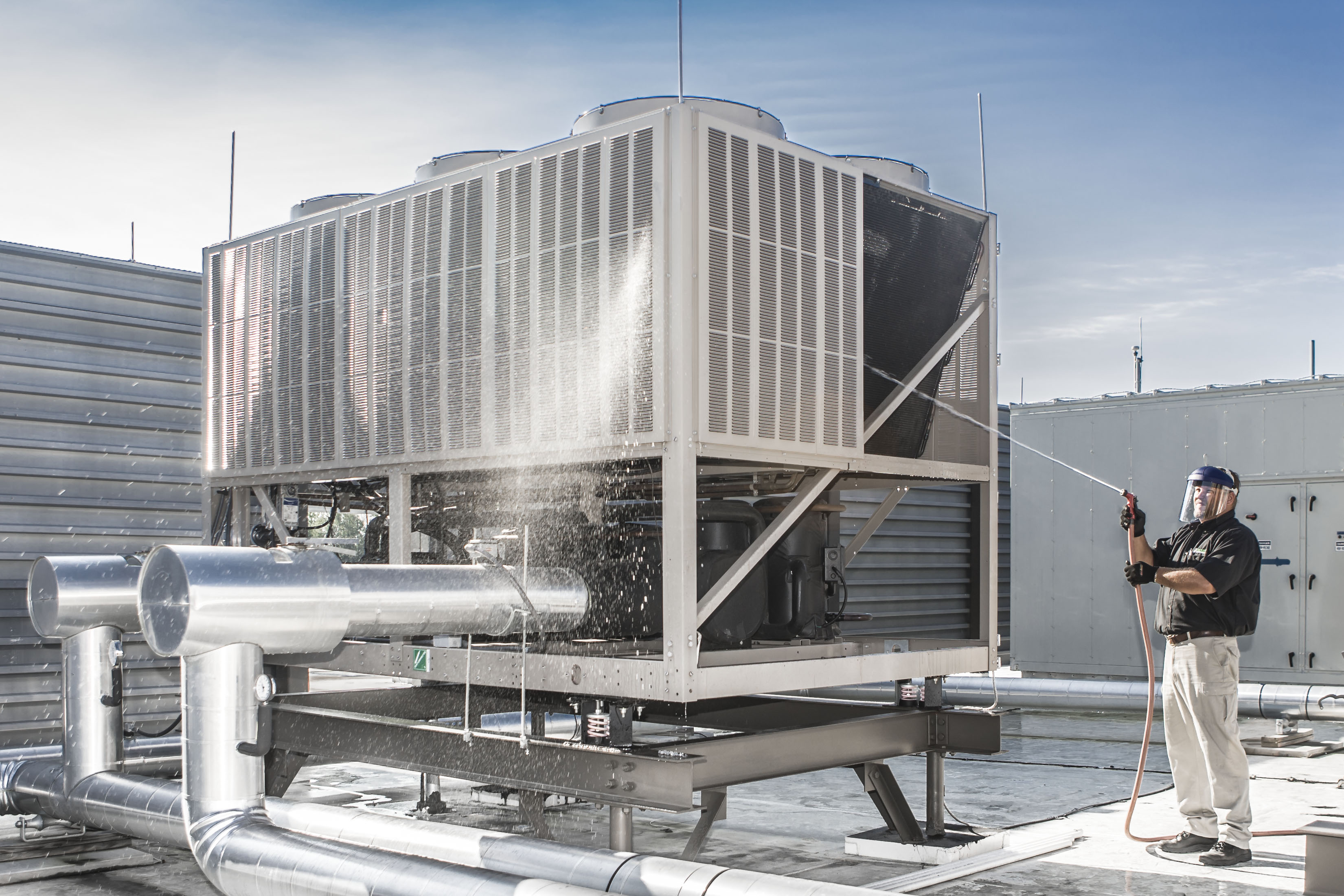
- Cleaning outdoor condenser coils to maintain optimal heat exchange.
Frequently Asked Questions
How quickly can I expect a technician to arrive for an emergency repair in Pembroke Pines?
Most reputable local HVAC companies offer emergency dispatch services with arrival windows ranging from 1 to 4 hours, depending on technician availability, severe weather events, and time of day. Standard service calls are typically scheduled within 24 to 48 hours.
Why is my air conditioner freezing up in the middle of summer?
An iced-over evaporator coil is almost always caused by restricted airflow—such as a dirty filter or blocked return vents—or a refrigerant deficiency. When airflow drops, the refrigerant inside the coil cannot absorb enough heat, causing ambient moisture on the coil to freeze solid. Turn off the system immediately and let it thaw before calling a technician.
Are permits required for air conditioner repairs in Pembroke Pines?
Routine repairs such as replacing a capacitor, fan motor, contactor, or recharging refrigerant do not require municipal permits. However, replacing the entire air conditioning unit or upgrading major electrical infrastructure requires proper permits and inspections through the City of Pembroke Pines Building Department.
How often should I clean or replace my air filter in South Florida?
Due to high dust levels, continuous system operation, and pet dander, standard 1-inch fiberglass or pleated filters should be inspected monthly and replaced every 30 to 45 days. High-efficiency media filters (4-inch thickness) can typically last between 3 to 6 months.
What causes a high electric bill during the summer months in Pembroke Pines?
An escalating electric bill often points to a declining efficiency level caused by dirty condenser coils, failing capacitors, low refrigerant charge, or leaky ductwork. Additionally, an aging compressor working twice as hard to cool your home consumes significantly more electricity.
Next Steps for Homeowners
If your air conditioning system exhibits signs of failure, start by performing the basic troubleshooting steps outlined above. If the problem persists, contact a licensed, insured local HVAC professional in Pembroke Pines to perform a diagnostic evaluation. Prioritizing timely repairs and scheduling biannual tune-ups will protect your indoor comfort, reduce monthly energy expenses, and extend the operating life of your equipment.