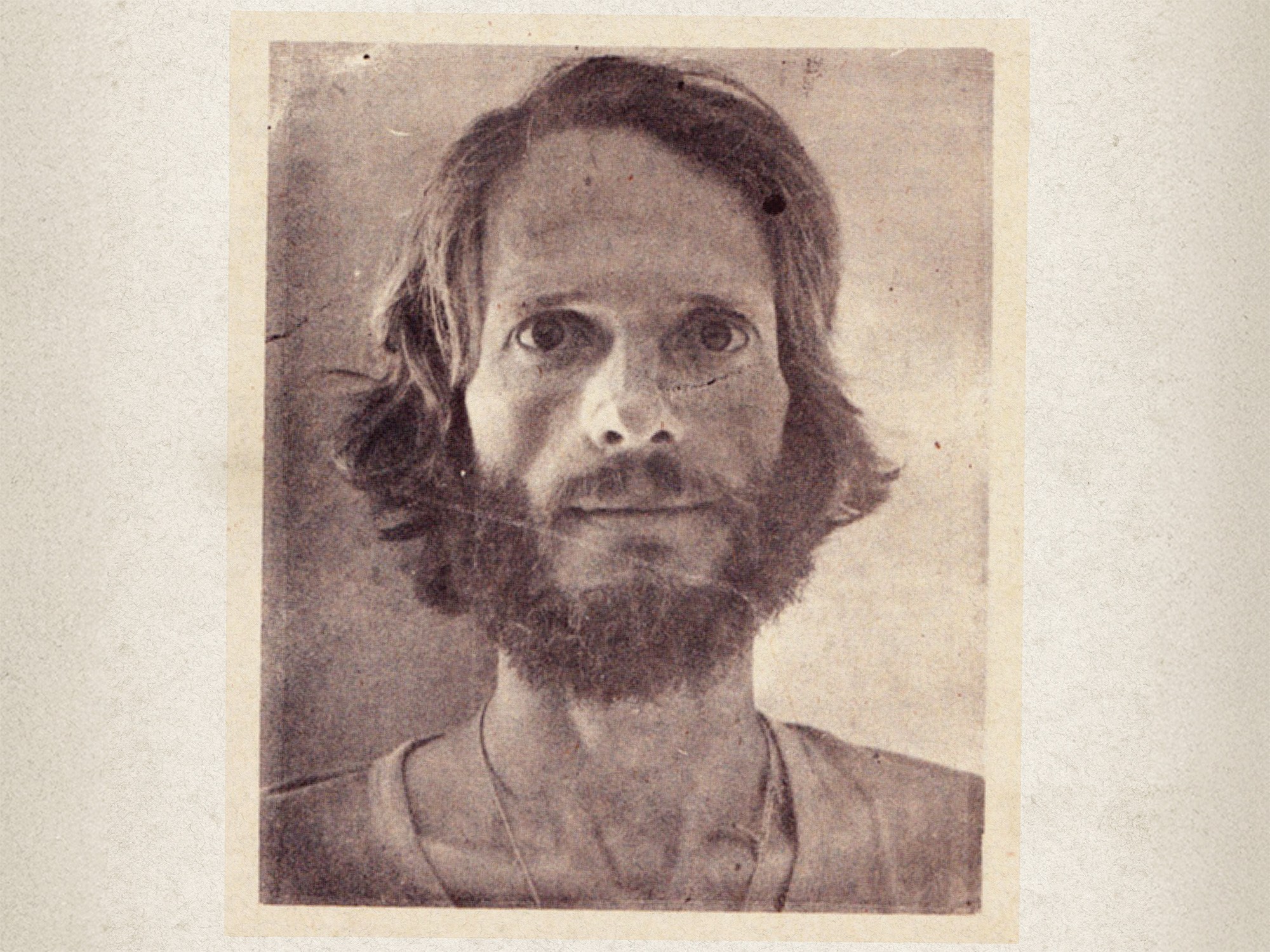
In 1982, naval architect Steven Callahan survived 76 days adrift in the Atlantic Ocean after his sloop, the Napoleon Solo, sank. Trapped in a six-foot circular liferaft, he drifted 1,800 miles from the Canary Islands to the Caribbean, overcoming dehydration, starvation, and shark attacks through technical ingenuity and sheer psychological endurance.
The story of Steven Callahan is not merely a tale of maritime misfortune; it is a definitive case study in survival psychology, naval engineering, and the limits of human physiology. As of 2026, his account remains one of the most cited examples in survival training and maritime safety literature. Callahan’s ordeal began in the early hours of February 5, 1982, during a solo voyage across the Atlantic. His vessel, a 21-foot sloop he designed himself called the Napoleon Solo, suffered a catastrophic hull breach during a gale. While the exact cause remains a point of historical speculation—most likely a collision with a whale or a submerged shipping container—the result was an immediate and irreversible sinking.
The Sinking of the Napoleon Solo
The Napoleon Solo was a testament to Callahan's skill as a designer, built to withstand the rigors of the "Mini Transat" race. However, no small craft is immune to the structural forces of a direct impact at sea. When the hull was breached, the vessel filled with water in less than a minute. Callahan had only seconds to act, diving back into the sinking cabin several times to retrieve a survival kit and an inflatable liferaft.
He managed to inflate his six-person Avon liferaft, which he later nicknamed "Rubber Duck," just as the Napoleon Solo slipped beneath the waves. He was left with a meager collection of supplies: a sleeping pad, a couple of solar stills for creating fresh water, a spear gun, a few pounds of food, and a copy of Sea Survival by Dougal Robertson. At that moment, he was roughly 450 miles north of the Cape Verde Islands, drifting westward toward the Caribbean, completely outside of major shipping lanes.
The Technical Challenge of Water Production
Dehydration is the primary killer in maritime survival scenarios. Callahan’s survival was largely dependent on his ability to operate and repair solar stills. These devices use the heat of the sun to evaporate seawater, which then condenses on the plastic canopy and trickles into a collection reservoir as fresh water.
In the harsh Atlantic environment, these stills were temperamental. Callahan faced several technical hurdles:
- Low Yield: On cloudy days, the stills produced almost no water.
- Salt Contamination: If the still was tossed by a wave, salt water could mix with the distillate, rendering it undrinkable.
- Material Fatigue: The plastic and rubber components of the stills began to degrade under intense UV radiation.
Callahan’s background as an engineer allowed him to troubleshoot these devices. When his primary stills failed or were damaged, he experimented with their configuration to maximize output. He eventually managed to produce about a pint of water a day—just enough to stave off fatal organ failure, though he remained in a state of chronic, painful dehydration for over two months.
Sustenance and the Ecosystem of the Raft
Survival at sea requires a transition from a passenger to a predator. Callahan’s liferaft quickly became a floating reef, attracting barnacles and small fish, which in turn attracted larger predators like Dorado (Mahi-mahi) and Triggerfish.
The Role of the Spear Gun
Callahan’s spear gun was his most vital tool for nourishment. However, using it was a high-stakes gamble. The "Rubber Duck" was an inflatable vessel; one missed shot or a thrashing fish could puncture the air chambers, leading to an immediate end to his journey. He developed a technique to pin fish against the side of the raft or strike them in a way that minimized movement.
Nutritional Sources
- Fish Flesh: Provided protein but increased the body's need for water to process the urea.
- Fish Organs: Callahan ate the eyes and organs of the fish, which provided essential vitamins and some moisture.
- Bird Blood: On rare occasions when he could capture a bird, the blood provided electrolytes and fluid.
He meticulously tracked his food intake, rationing his meager supplies and supplementing them with whatever the ocean provided. By the end of his journey, he had lost one-third of his body weight and suffered from severe salt sores and muscular atrophy.
The "Crew of One": Psychological Endurance
One of the most profound aspects of Callahan’s 76 days at sea was his mental state. He often described a phenomenon common in long-term survival: the fragmentation of the self. To cope with the isolation, he began to view his mind and his body as two different entities—the "captain" and the "crew."
This psychological distancing allowed him to make objective decisions under extreme duress. When the raft’s bottom tube eventually failed and began to leak air, his "internal captain" took over. He spent days performing a grueling repair involving a "man-on-the-raft" patch, using a piece of spare material and a fork-like tool to stitch the rubber back together while the raft was constantly tossed by the sea.
The maintenance of a daily log was another critical psychological tool. By recording his position, the weather, and his water production, he maintained a sense of time and purpose. Without this routine, the "eternal present" of the ocean can lead to a total breakdown of the will to live.
Technical Specifications of the Survival Environment
The following table outlines the stark differences between the vessel Callahan lost and the survival craft that sustained him.
| Feature | Napoleon Solo (Sloop) | Avon "Rubber Duck" (Liferaft) |
|---|---|---|
| Material | Wood/Fiberglass Composite | Neoprene/Hypalon Inflatable |
| Length | 21 feet | 6 feet (Diameter) |
| Primary Propulsion | Sail / Wind | Ocean Currents / Trade Winds |
| Water Capacity | Integrated Tanks | Manual Solar Stills |
| Navigation | Compass, Charts, Sextant | Visual Sighting / Dead Reckoning |
| Primary Threat | Collision / Structural Failure | Punctures / Capsizing / Dehydration |
The Constant Threat of Predators
While the Dorado provided food, they also attracted sharks. Callahan spent weeks in a state of hyper-vigilance. The sharks would often rub against the bottom of the thin rubber raft, their sandpaper-like skin threatening to abrade the material.
The most dangerous encounter occurred when a large shark repeatedly bumped the raft, nearly capsizing it. Callahan had to use his spear as a defensive tool, not to kill the shark—which would have created a blood frenzy—but to prod it away. This constant "biological pressure" contributed to the extreme sleep deprivation that characterized the latter half of his 76-day ordeal.
Rescue and the Caribbean Landfall
By April 1982, Callahan had drifted across the entirety of the Atlantic. He began to see signs of land: changes in the color of the water, a different frequency in the waves, and an increase in bird activity. On the 76th day, he was spotted by fishermen off the coast of Marie-Galante, a small island in Guadeloupe.
His rescue was not the result of a radio signal or a flare; his electronic equipment had long since succumbed to the salt water. Instead, it was his proximity to the island’s fishing grounds. When the fishermen found him, he was skeletal, covered in sores, and barely able to stand, yet he had successfully navigated one of the longest solo survival voyages in recorded history.
The Legacy of Adrift
In 1986, Callahan published his memoir, Adrift: Seventy-six Days Lost at Sea. It became a bestseller and remains a foundational text in survival literature. His insights have been used to improve the design of liferafts and the training of offshore sailors.
Impact on Maritime Safety
- Raft Design: Callahan’s experience highlighted the need for more durable bottom-tube construction and better-integrated survival kits.
- Solar Still Innovation: His struggles with water production led to a re-evaluation of how emergency desalinators are designed for ease of use in rough seas.
- Search and Rescue (SAR): His story emphasized the importance of staying with the "wreckage" or the raft, as it provides a much larger visual target than a person in the water.
In the decades following his rescue, Callahan also served as a consultant for films, including Ang Lee’s Life of Pi, where he used his firsthand knowledge to help recreate the reality of being lost at sea for the screen.
Frequently Asked Questions
How did Steven Callahan get fresh water?
Callahan used solar stills, which are inflatable plastic cones that use solar energy to evaporate seawater. The evaporated water condenses as pure liquid on the inner surface of the cone and collects in a reservoir. He also collected rainwater whenever possible using the canopy of his liferaft.
What did Steven Callahan eat to survive?
His primary food source was fish, specifically Dorado and Triggerfish, which he caught using a spear gun. He ate the entire fish, including the organs and eyes, to obtain necessary vitamins and extra moisture. He also occasionally caught birds.
Why did the Napoleon Solo sink?
The boat suffered a major hull breach during a gale in the middle of the night. While Callahan never saw the object he hit, he suspected it was either a whale or a submerged "growler" (a piece of ice or a shipping container). The impact was so severe that the boat was submerged within minutes.
How far did Callahan drift during his 76 days?
He drifted approximately 1,800 nautical miles (roughly 2,100 miles or 3,300 kilometers). His journey took him from the waters off the coast of Africa across the Atlantic Ocean to the Caribbean Sea.
Was Steven Callahan ever found by a search party?
No. Despite his attempts to use an EPIRB (Emergency Position Indicating Radio Beacon), the signal was not picked up. He was eventually spotted by local fishermen near the island of Marie-Galante who noticed birds hovering over his raft.
Practical Lessons for Modern Sailors
For those navigating the oceans in 2026, Callahan's ordeal serves as a reminder that technology is a supplement to, not a replacement for, survival skills.
- Redundancy is Mandatory: Do not rely on a single desalinator or a single signaling device.
- Know Your Equipment: Callahan’s ability to repair his raft and stills was the direct result of his technical knowledge of their construction.
- Prepare for the Long Haul: Most survival training focuses on the first 72 hours. Callahan’s experience shows that maritime survival can last for months, requiring a focus on long-term physical and mental maintenance.
The story of the man who survived 76 days at sea remains a powerful testament to human resilience. It underscores the reality that in the vastness of the ocean, the most important piece of survival gear is a disciplined and inventive mind.