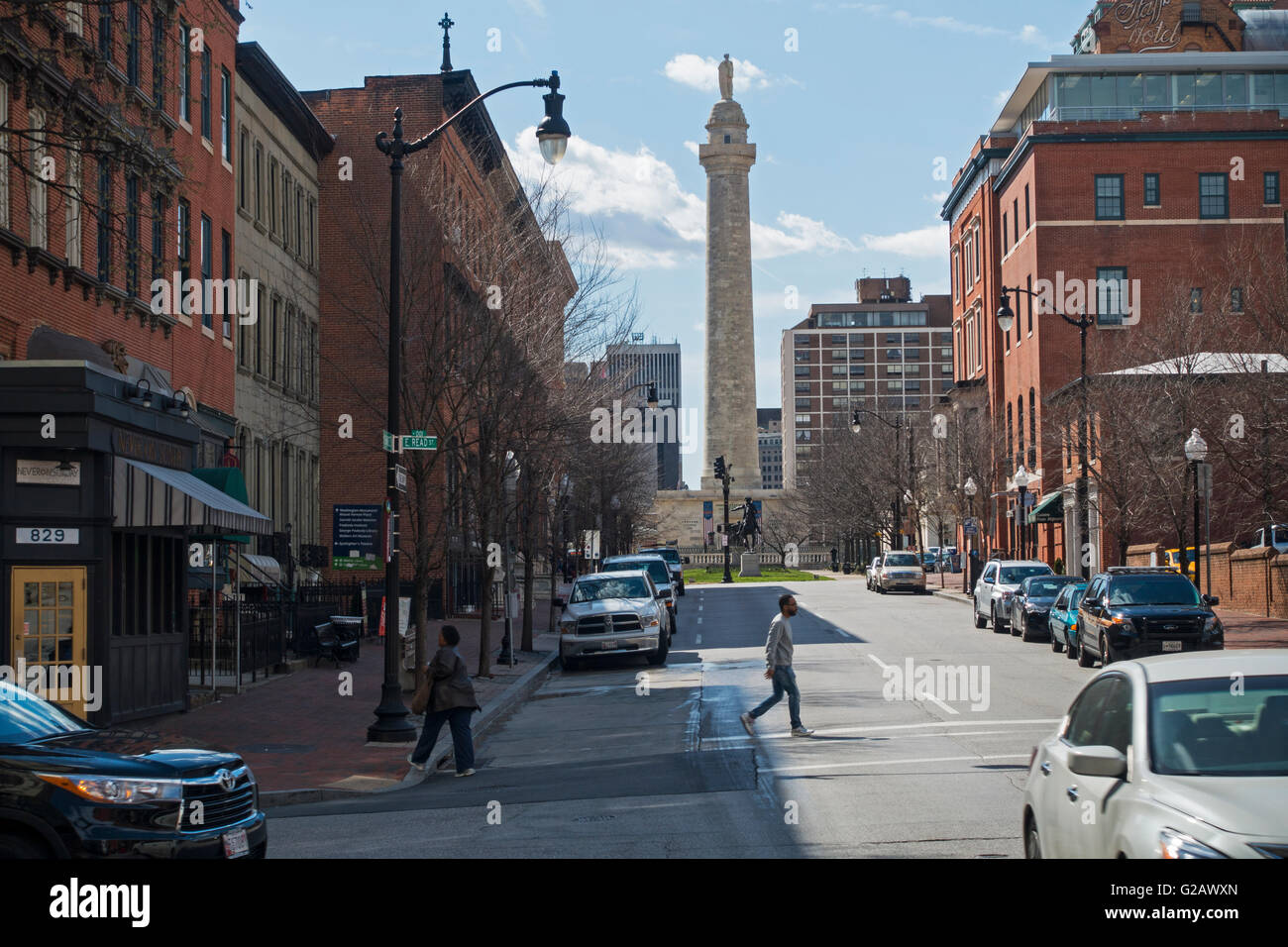
2700 North Charles Street is a landmark six-story historical office complex located in Baltimore’s Charles Village neighborhood. Originally completed in 1930 for the Baltimore Life Insurance Company, it now serves as a multi-tenant professional hub, offering a blend of Art Deco architectural elegance and modernized commercial workspace positioned strategically near Johns Hopkins University.
The Historical Genesis of 2700 North Charles Street
The building at 2700 North Charles Street stands as a testament to Baltimore’s early 20th-century commercial expansion. In the late 1920s, the city began to see a shift in its business center, moving northward from the dense downtown core toward the burgeoning residential and academic districts of Charles Village and Guilford. The Baltimore Life Insurance Company, seeking a prestigious location for its headquarters, commissioned the project during a period of significant architectural transition.
Completed in 1930, the building was designed to convey stability, permanence, and corporate integrity—qualities essential for an insurance firm during the onset of the Great Depression. The site selection was intentional; North Charles Street has long been Baltimore’s premier "Main Street," and the 2700 block offered a prominent corner location that bridged the gap between the industrial harbor and the affluent northern suburbs.
Over the decades, the building has transitioned from a single-owner headquarters into a versatile multi-tenant professional center. While the Baltimore Life Insurance Company eventually moved its operations, the structure retained its name and reputation as a premium address. In 2026, it remains one of the most recognizable professional buildings in the mid-town area, preserved through meticulous maintenance and a commitment to its original aesthetic.
Architectural Excellence: Mottu & White’s Contribution
The design of 2700 North Charles Street is the work of Mottu & White, a distinguished Baltimore architectural firm known for their contribution to the city’s civic and residential landscape. Howard Mottu and Henry S. T. White were masters of the "Baltimore Style," which often blended traditional classical proportions with the emerging streamlined influences of the era.
Exterior Elements and Materiality
The building’s facade is primarily composed of Indiana limestone, a material favored in the 1930s for its durability and the soft, velvet-like texture it acquires over time. The architectural style sits at the intersection of Neo-Classical and early Art Deco.
- Verticality: The window bays are organized into vertical recessed panels, a hallmark of Art Deco design that draws the eye upward, giving the six-story structure a more monumental presence.
- Ornamentation: Unlike the highly decorative Art Deco skyscrapers of New York, 2700 North Charles utilizes restrained ornamentation. Subtle stone carvings around the entrance and along the roofline provide visual interest without detracting from the building's professional gravitas.
- Fenestration: The windows are large for a building of this era, designed to maximize natural light long before the advent of modern fluorescent lighting. In 2026, these high ceilings and large windows are highly sought after by tenants looking for "creative" or "loft-style" office environments.
Interior Configuration and Legacy Features
The lobby of 2700 North Charles Street serves as a time capsule of 1930s corporate luxury. Many of the original materials have been preserved or restored, including:
- Polished Marble Flooring: The use of high-grade marble in the common areas reflects the building's origins as a premier corporate seat.
- Bronze Accents: Original hardware and elevator indicators often feature the intricate metalwork typical of pre-war construction.
- Grand Staircase: While modern elevators handle the bulk of vertical transport, the central staircase remains an architectural highlight, featuring decorative railings and wide treads.
The structural integrity of the building is noteworthy. Constructed with a steel frame and thick masonry walls, it offers superior acoustic insulation between suites, a feature that modern "light-gauge" construction often struggles to replicate.
The Charles Village Commercial Landscape in 2026
As of 2026, the neighborhood surrounding 2700 North Charles Street—Charles Village—has evolved into one of Baltimore’s most stable and diverse micro-markets. The building’s location at the corner of 27th and Charles puts it at the heart of an ecosystem driven by institutional, medical, and professional services.
The proximity to the Johns Hopkins University Homewood Campus (located just a few blocks north) is the primary driver of occupancy. Many tenants at 2700 North Charles are either directly affiliated with the university, provide consulting services to it, or are non-profits that benefit from the academic synergy of the area.
Furthermore, the building sits within the North Charles Village Business Improvement District (CVBID). This designation ensures that the surrounding streets are well-maintained, with dedicated "clean and safe" teams that enhance the curb appeal and security of the block. For businesses, this translates to a professional environment that is welcoming to clients and employees alike.
Modernizing a 1930s Landmark for 2026 Standards
One of the greatest challenges for historical office complexes is remaining relevant in an era of rapid technological change. The management of 2700 North Charles Street has successfully navigated this by implementing "invisible" modernizations that do not compromise the building’s historical character.
Technical Upgrades: Connectivity and Climate Control
In 2026, a "historical" label is no excuse for slow internet or poor air quality. The building underwent a significant infrastructure overhaul to meet the needs of the modern workforce.
- Fiber Optic Backbone: The building is serviced by multiple high-speed fiber providers, with data closets on each floor to ensure low-latency connectivity for tech-heavy tenants.
- HVAC Modernization: Older buildings often struggle with inconsistent heating and cooling. 2700 North Charles utilized a phased replacement of its central plant with a high-efficiency VRF (Variable Refrigerant Flow) system, allowing for individual zone control within specific suites.
- Security Integration: While the building maintains its original heavy wood or metal suite doors, they have been retrofitted with discreet electronic access control systems, allowing for 24/7 tenant access while maintaining a secure perimeter.
Sustainability and Historical Preservation
Adapting a 1930s building for sustainability is both a challenge and an opportunity. Because the building was constructed with high-thermal-mass materials (stone and brick), it naturally retains heat in the winter and stays cooler in the summer compared to glass-walled modern towers.
In recent years, the building has achieved high energy efficiency ratings through the installation of interior storm windows that preserve the original exterior frames while providing modern insulation. These efforts reflect a broader trend in 2026 where "embodied carbon"—the energy already spent to build the structure decades ago—makes historical renovation a greener choice than new construction.
Strategic Advantages for Prospective Tenants
For a law firm, a non-profit, or a specialized medical practice, 2700 North Charles Street offers several advantages that contemporary office parks in the suburbs cannot match.
- Identity and Prestige: A limestone Art Deco building carries a level of "brand weight" that a generic glass box does not. It suggests longevity and reliability.
- Walkability and Amenities: The building is surrounded by "The Painted Ladies" (the famous colorful rowhouses of Charles Village) and dozens of local restaurants, coffee shops, and bookstores. This urban fabric is a major draw for younger employees who prefer a walkable lunch hour.
- Transit Accessibility: The building is located on major bus lines and is a short distance from Penn Station, making it accessible for commuters coming from Washington D.C. or northern Maryland via the MARC or Amtrak.
- Flexible Suite Sizes: Because the building was designed with a classic central-hallway layout, it can accommodate small "starter" suites of 500 square feet as easily as full-floor tenants requiring 10,000 square feet.
Comparative Analysis of Mid-Town Baltimore Office Spaces
To understand the value proposition of 2700 North Charles Street in 2026, it is helpful to compare it to other office types in the Baltimore market.
| Feature | 2700 N Charles (Historical) | Modern Class A (Downtown) | Suburban Office Park |
|---|---|---|---|
| Architectural Style | Art Deco / Neo-Classical | Glass & Steel Curtain Wall | Brutalist or Tilt-up Concrete |
| Ceiling Heights | 10' - 12' (High) | 9' - 10' (Standard) | 8' - 9' (Standard) |
| Window Operability | Often retrofitted for airflow | Fixed / Non-operable | Fixed / Non-operable |
| Parking | Surface lot and street | Integrated Garage (Expensive) | Surface lot (Plentiful) |
| Community Feel | High (Charles Village) | Low (Central Business Dist.) | Low (Isolated) |
| Primary Tenant Type | Professional, Academic, Non-profit | Finance, Legal, Tech | Back-office, Medical, Logistics |
Navigating Leasing and Operations at 2700 North Charles
Leasing space in a historical building requires a different approach than a standard commercial lease. Tenants must often work with the landlord to ensure that any "Tenant Improvements" (TI) respect the historical fabric of the building.
For example, if a tenant wishes to expose the ceiling, they may find original plasterwork or structural terra cotta tiles that require specialized treatment. However, most modern leases at 2700 North Charles are "Full Service," meaning the landlord handles the utilities, taxes, and maintenance, which simplifies the process for smaller professional firms.
Management and Maintenance: The building is professionally managed with on-site or on-call maintenance teams who are familiar with the idiosyncrasies of 1930s plumbing and electrical systems. This specialized knowledge is crucial; maintaining a limestone facade requires different chemicals and techniques than cleaning a modern glass facade to avoid "spalling" or chemical erosion of the stone.
Accessibility and Local Logistics
For clients visiting 2700 North Charles, the experience is generally more user-friendly than the downtown Baltimore core.
- Parking: The building features an adjacent surface parking lot, a rare luxury for a historical property in this area. There is also metered parking along North Charles Street and 27th Street.
- ADA Compliance: Despite its age, the building has been retrofitted with a modern ramp at the main entrance and elevator cabs that meet current ADA (Americans with Disabilities Act) standards.
- Biking: As of 2026, Baltimore’s bike lane network has expanded significantly, and 2700 North Charles is easily accessible via the Maryland Avenue Cycle Track, which connects the neighborhood to Mount Vernon and the Inner Harbor.
FAQ
What was the original purpose of 2700 North Charles Street? The building was constructed in 1930 specifically to serve as the corporate headquarters for the Baltimore Life Insurance Company. It was designed to showcase the company's success and provide a modern, efficient workspace for its large administrative staff.
Is 2700 North Charles Street a designated historical landmark? While it is a contributing structure to the Charles Village-Abell Historic District, which is listed on the National Register of Historic Places, it is primarily managed as a private commercial asset. This status provides certain tax incentives for preservation-minded renovations while ensuring the architectural integrity of the neighborhood is maintained.
How does the building handle modern IT and security requirements? The building has been extensively retrofitted with high-speed fiber optic cabling and secure server areas. Security is managed through a combination of on-site personnel during peak hours and electronic keycard access for 24/7 tenant entry, supported by modern CCTV monitoring.
Are there retail spaces available on the ground floor? While primarily an office complex, the ground floor has historically hosted service-oriented tenants that cater to both the building's occupants and the local Charles Village community. Availability depends on current lease cycles, but the building’s zoning supports professional and some light commercial use.
What is the proximity to Johns Hopkins University? The building is approximately four blocks south of the main Johns Hopkins University Homewood Campus. This makes it an ideal location for university-related departments, research groups, and non-profits that collaborate with the institution.
Recommendation for Prospective Tenants
If you are a professional service provider or a non-profit organization looking for a prestigious, historical address in Baltimore, 2700 North Charles Street should be at the top of your list. The combination of architectural character, modern technical infrastructure, and a vibrant neighborhood makes it a superior alternative to the sterile environments of suburban office parks or the congested nature of the downtown financial district.
When considering a lease, it is recommended to request a walkthrough of the "legacy suites," which often feature original moldings and layout configurations that offer a unique aesthetic for a boutique firm. Ensure that your lease agreement clearly outlines the "Full Service" inclusions, as this provides the most predictable overhead costs in a historical property.