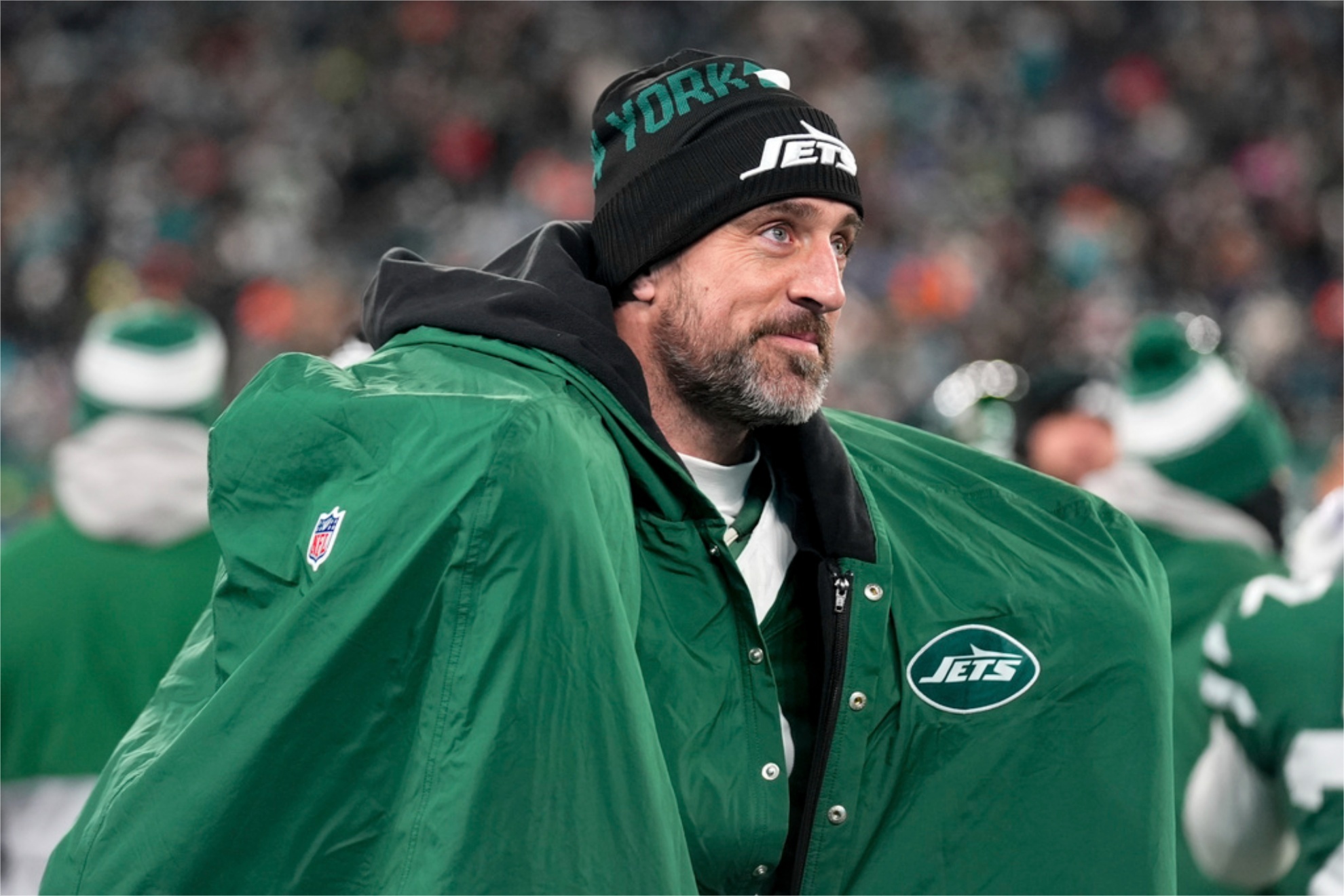
The 2024 NFL season served as a pivotal recovery and assessment year for Aaron Rodgers following his season-ending Achilles injury in 2023. As a member of the New York Jets, Rodgers returned to active duty to navigate team instability, coaching transitions, and his own physical recalibration, ultimately marking a transition point in his storied professional football career.
Contextualizing the 2024 Season
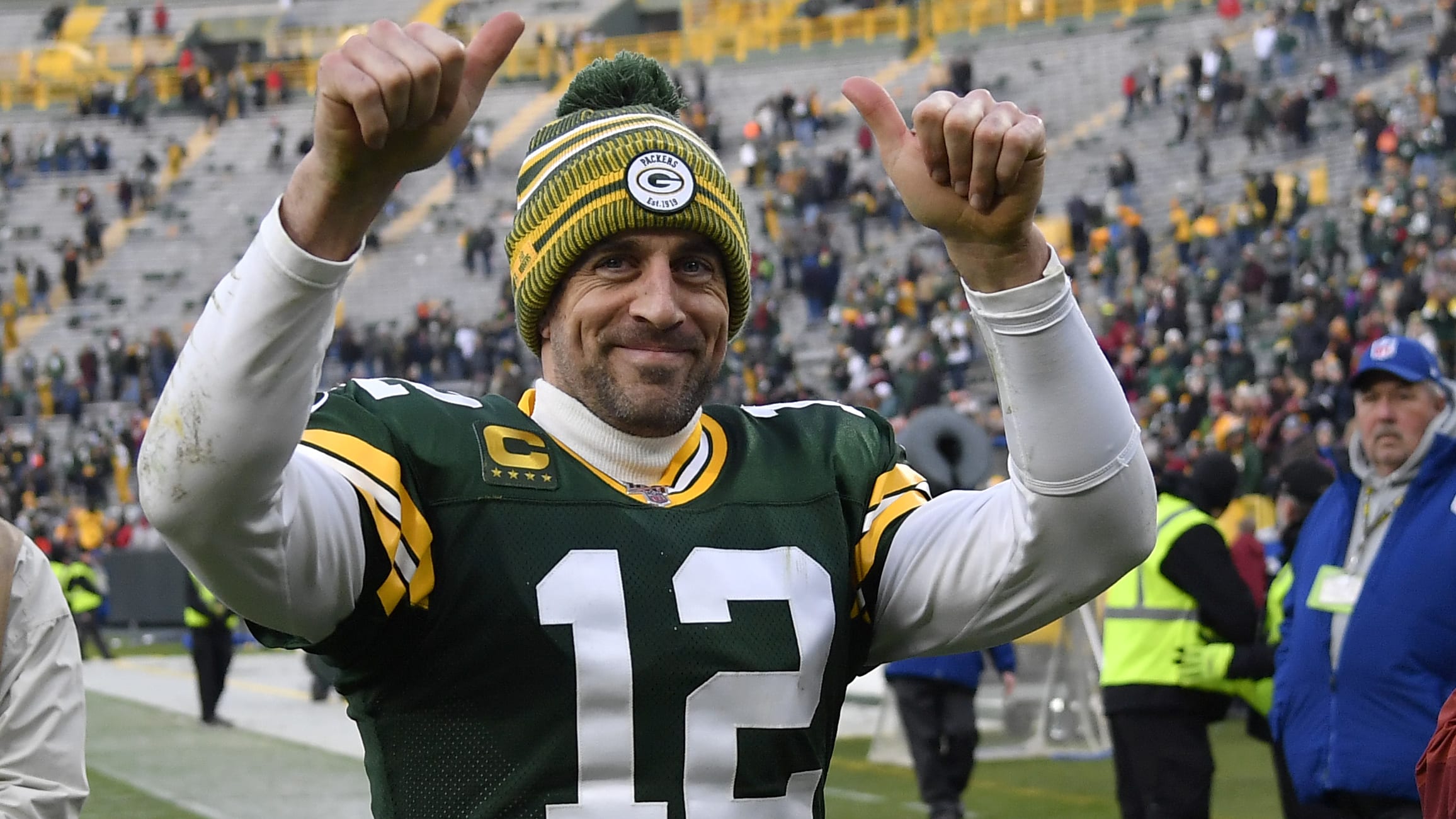
To understand the status of Aaron Rodgers in 2024, one must first recognize the dramatic shift that occurred in his career arc. After eighteen seasons with the Green Bay Packers, where he secured four NFL MVP awards and a Super Bowl XLV championship, his trade to the New York Jets in 2023 was intended to be the final chapter of a legendary career. However, the rupture of his left Achilles tendon just four snaps into the season opener rendered 2023 a non-factor.
Entering 2024, the primary objective for the quarterback was twofold: proving that at age 40, he could still operate at an elite level, and fulfilling the expectations placed upon him by the Jets organization and their fan base. The 2024 campaign became a diagnostic year, testing whether the combination of veteran intellect and post-surgery mobility could coexist in the modern, high-speed NFL environment.
Physical Recovery and Tactical Adaptation
The most significant factor influencing Rodgers' 2024 status was his health. Recovering from an Achilles injury at his age is a physiological challenge that few professional athletes attempt to overcome. Throughout the 2024 season, the observation of Rodgers focused heavily on his pocket presence and his ability to extend plays—the trademark of his prime years.
By 2024, the "Aaron Rodgers style" had necessarily evolved. While he remained one of the most accurate passers in the league, his reliance on pure escapability diminished. This shift forced the Jets’ offensive coaching staff to prioritize quick-game concepts, timing routes, and pre-snap adjustments. The success of this transition was measured not only in yardage but in the reduction of "sacks taken"—a statistic that became a barometer for his improved mobility and the team's pass protection efficacy.
Organizational Dynamics and Leadership
The status of a veteran quarterback is inextricably linked to the organizational stability of his team. The 2024 season was marked by significant volatility for the New York Jets, including the mid-season dismissal of head coach Robert Saleh. For a player of Rodgers’ stature, this created a complex layer of influence.
His role in 2024 extended beyond the field, as he served as the primary on-field leader during a period of coaching uncertainty. Analysts noted that throughout 2024, Rodgers’ influence over the team's offensive philosophy and locker-room culture was more pronounced than in any previous season of his career. This power dynamic—where the veteran signal-caller effectively bridges the gap between coaching staff and personnel—defined his professional standing during the year.
The 2024 Statistical Landscape
The numbers accumulated during the 2024 regular season provided a clear view of his performance capacity. While the team’s overall success fluctuated, Rodgers’ efficiency remained a point of analysis.
| Metric | Contextual Importance |
|---|---|
| Completion Percentage | Reflects accuracy in the new, accelerated offensive scheme. |
| Interception Rate | Used to gauge his continued mastery of ball security. |
| Games Started | Provided proof of structural recovery from the 2023 injury. |
| Sack Percentage | Served as a proxy for both offensive line play and his personal mobility. |
Assessing Performance Against Expectations
For critics and fans alike, 2024 was the year that determined if Rodgers could avoid the "decline curve" that often affects quarterbacks in their fourth decade of life. Throughout the season, his performance demonstrated that his arm talent remained top-tier. His ability to read complex defensive coverages and deliver the ball into tight windows remained at a Hall of Fame standard.
However, the "status" of his career was often overshadowed by the team's inability to consistently convert that performance into wins. The disconnect between elite quarterback play and collective team output during 2024 led to widespread debates regarding the "window of contention" for the Jets. For Rodgers, the 2024 status was characterized as a "productive but unfulfilled" tenure, given that his personal output did not result in the deep postseason run that his arrival had originally promised.
Factors Influencing Future Longevity
By the conclusion of the 2024 season, the discourse surrounding Aaron Rodgers shifted toward his future. His status was no longer about proving he could return from injury, but rather about assessing his motivation to continue playing. Several factors emerged as critical to this determination:
- Contractual Status: The financial obligations and cap implications of his existing deal with the New York Jets dictated the team's ability to add surrounding talent.
- Roster Construction: The need for offensive upgrades—specifically at the wide receiver and tight end positions—became a recurring point of emphasis for the veteran during his media availabilities.
- Coaching Continuity: The hiring of a new permanent coaching staff heading into the following cycle served as the primary variable for his decision-making process.
- Physical Maintenance: The toll of an 18-game season in 2024 necessitated a longer recovery period, leading to intensified focus on his off-season regimen and mental readiness for future competition.
Common Questions Regarding the 2024 Status
How did the 2023 injury affect his 2024 performance?
The 2023 Achilles injury forced a complete change in his training methodology. In 2024, Rodgers played with a more conservative approach to outside-the-pocket movement, opting to release the ball faster to avoid direct contact, which impacted his traditional scramble-drill passing style.
Was the 2024 season considered a success for Aaron Rodgers?
From a personal standpoint, the 2024 season was a success in terms of injury rehabilitation and consistent play. However, from a team perspective, it was widely viewed as a disappointment due to the Jets failing to meet high-level playoff expectations, resulting in significant organizational turnover.
Did Aaron Rodgers contemplate retirement after 2024?
Following every season in the latter stages of his career, retirement remains a standing topic of conversation. While Rodgers acknowledged the physical demands of the 2024 season, his public comments focused on the necessity of organizational improvement rather than an immediate departure from the sport.
How did the coaching change in 2024 impact his role?
The mid-season coaching changes empowered Rodgers to have a greater voice in offensive play-calling and personnel strategy. This elevated his role to an "on-field coordinator" level, where his veteran experience became the primary engine for the team's late-season adjustments.
What was the biggest limitation for Rodgers in 2024?
The primary limitation was the lack of cohesion within the offensive unit. Injuries to key skill-position players and inconsistent protection meant that even when Rodgers performed at his expected level, the efficiency of the overall offense was frequently hindered.
Next Actions and Outlook
For those evaluating the 2024 status of Aaron Rodgers, the core takeaway is that he successfully validated his physical capability to compete at the highest level despite the severe injury sustained in the prior year. His career status remains defined by his unique ability to manipulate defenses through superior football IQ, though his reliance on physical tools has reached a refined, measured state.
Moving forward, the primary action for observers is to monitor the team's organizational commitment to building a competitive roster around him. As of 2026, the 2024 season stands as the year that proved the veteran could withstand the rigors of an NFL schedule post-injury, but it also highlighted that his continued success is strictly tethered to the quality of the supporting cast and structural stability of the franchise. Fans and analysts should continue to focus on team-specific offseason personnel moves and official front-office statements as the most reliable indicators of his ongoing tenure.