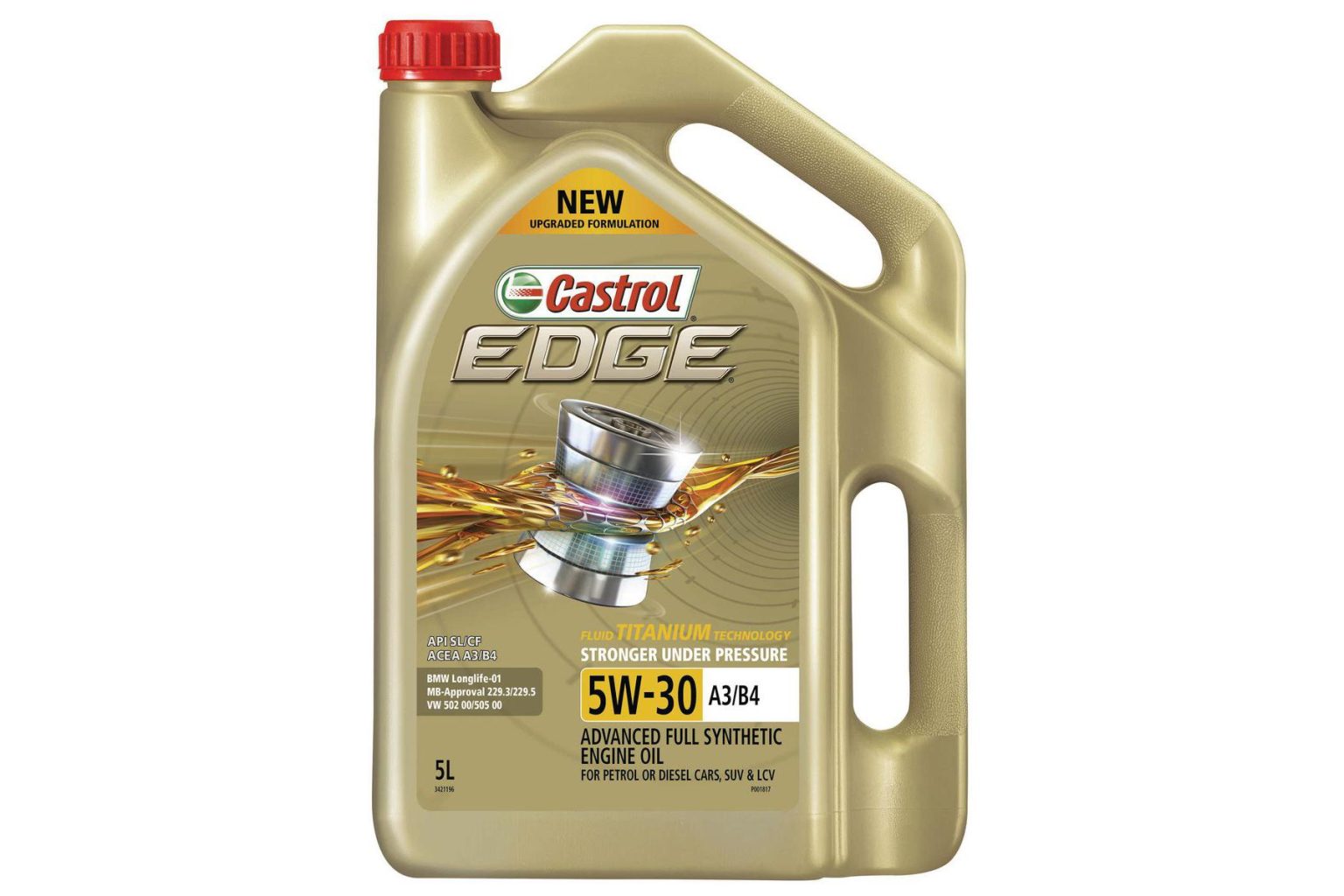
The correct oil type for a 2020 Chevrolet Malibu depends entirely on which engine option is installed in the vehicle. For the standard 1.5L turbocharged 4-cylinder engine, General Motors specifies SAE 0W-20 full synthetic engine oil meeting the dexos1 approval standard. For models equipped with the optional 2.0L turbocharged 4-cylinder engine, the manufacturer requires SAE 5W-30 full synthetic engine oil that also meets the dexos1 specification. Using the correct viscosity grade and approved certification ensures optimal fuel economy, proper component lubrication, and compliance with the vehicle factory warranty.
Maintaining a modern passenger vehicle requires strict adherence to manufacturer fluid specifications. Modern internal combustion engines feature tight manufacturing tolerances, advanced emissions control equipment, and sophisticated turbocharger systems that rely heavily on clean, precisely formulated lubricants. For owners and technicians servicing a 2020 Chevrolet Malibu, understanding the exact oil requirements, capacities, and change intervals prevents premature mechanical wear and expensive repairs.
Engine Options and Their Specific Oil Requirements
The 2020 Chevrolet Malibu was offered with distinct powertrain configurations, each engineered for specific performance and efficiency characteristics. Because these engines vary in displacement, compression ratios, and induction methods, their lubrication needs differ significantly. Selecting the wrong oil viscosity can lead to restricted fluid flow, increased friction, and potential damage to internal components.
1.5L Turbocharged Engine (L3V)
The 1.5L turbo engine serves as the high-volume powerplant for the 2020 Malibu lineup. Designed to maximize fuel efficiency while providing responsive low-end torque, this engine relies on lightweight internal moving parts.
- Viscosity Grade: SAE 0W-20. The low cold-temperature viscosity allows the oil to flow rapidly during winter start-ups, while the 20-weight hot viscosity provides adequate protection at operating temperatures.
- Specification: GM dexos1 Gen 2 or Gen 3 approved full synthetic.
- Oil Capacity: Approximately 4.2 quarts (4.0 liters) with filter replacement. Always verify the exact level using the dipstick after filling.
2.0L Turbocharged Engine (LTG)
Found in higher trim levels such as the Premier, the 2.0L turbocharged engine delivers increased horsepower and torque for a more dynamic driving experience. Higher boost pressures and operating loads place greater thermal and mechanical stress on the engine oil.
- Viscosity Grade: SAE 5W-30. This slightly heavier hot viscosity offers a stronger fluid film barrier under high-load, high-temperature conditions common in forced-induction performance applications.
- Specification: GM dexos1 Gen 2 or Gen 3 approved full synthetic.
- Oil Capacity: Approximately 5.0 quarts (4.7 liters) with filter replacement.
Understanding the GM dexos1 Standard
General Motors developed the dexos oil certification program to ensure that lubricants used in its vehicles meet stringent performance and quality benchmarks that exceed standard industry minimums. For gasoline engines, the relevant standard is dexos1.
When shopping for oil, drivers will notice various industry acronyms such as API (American Petroleum Institute) and ILSAC (International Lubricant Standardization and Approval Committee). While these standards are important, GM vehicles explicitly require the dexos1 seal of approval to maintain warranty coverage.
- Oxidation Resistance: dexos1 oils resist breaking down under high engine temperatures, minimizing the formation of sludge and varnish on critical surfaces.
- Deposit Control: Advanced detergent packages keep turbocharger bearings and piston rings clean, preventing carbon buildup that can lead to sticking rings or oil consumption.
- Fuel Economy: Formulations are optimized to reduce internal fluid friction, contributing to the EPA fuel economy ratings associated with the 2020 Malibu.
- Emissions Protection: The chemical composition is tailored to safeguard sensitive components like catalytic converters from premature contamination.
Oil Comparison and Specification Summary
To simplify fluid selection during routine maintenance, the following table outlines the distinct requirements for both engine variants found in the 2020 Chevrolet Malibu.
| Engine Type | Recommended Viscosity | Required Specification | Approximate Capacity (with Filter) | Primary Focus |
|---|---|---|---|---|
| 1.5L Turbo I4 | SAE 0W-20 | GM dexos1 Approved | 4.2 quarts (4.0L) | Maximum fuel efficiency and cold-start protection |
| 2.0L Turbo I4 | SAE 5W-30 | GM dexos1 Approved | 5.0 quarts (4.7L) | High-temperature film strength and turbo durability |
Oil Change Intervals and the Oil Life System
Determining when to change the oil in a 2020 Chevrolet Malibu goes beyond traditional mileage rules of thumb. General Motors equips these vehicles with an electronic Oil Life System (OLS).
How the Oil Life System Works
The OLS is not a simple mileage counter. Instead, an advanced powertrain control module algorithm monitors various operating conditions, including:
- Engine revolutions and operating temperatures.
- Ambient air temperatures.
- Trip lengths and driving habits (frequent short trips versus prolonged highway cruising).
- Engine load profiles.
Based on these parameters, the system calculates the remaining useful life of the oil. When the monitor reaches 0%, a "Change Engine Oil Soon" message appears on the Driver Information Center (DIC).
Standard Operating Windows
- Typical Interval: Under normal driving conditions, the OLS typically prompts an oil change between 7,500 and 10,000 miles, or once per year, whichever comes first.
- Severe Service Conditions: If the vehicle is primarily driven in heavy city traffic, dusty environments, extreme ambient temperatures, or used for frequent short commutes under 10 miles, the OLS may trigger much sooner. Adhering to the dashboard prompt is vital regardless of mileage.
Step-by-Step Oil Maintenance Procedure
Performing an oil change on a 2020 Chevrolet Malibu requires basic hand tools, safety gear, and proper disposal methods for used fluids. Always ensure the vehicle is parked on a level surface, the parking brake is engaged, and the engine has cooled sufficiently to prevent burns.
Required Tools and Materials
- Correct volume and viscosity of dexos1-certified full synthetic oil.
- Replacement oil filter (OEM ACDelco PF64 or equivalent high-quality aftermarket filter).
- Oil filter wrench and socket set (typically a 15mm socket for the drain plug).
- Drain pan, funnel, clean shop rags, and safety glasses.
- Hydraulic floor jack and rated jack stands (never work under a vehicle supported only by a hydraulic jack).
Execution Steps
- Elevate and Secure: Safely raise the front of the vehicle using a hydraulic jack and secure it firmly with sturdy jack stands. Block the rear wheels.
- Locate and Remove Drain Plug: Place the drain pan beneath the oil pan drain plug. Loosen the plug with a socket wrench, then carefully spin it out by hand, allowing the used oil to empty completely into the pan.
- Replace the Oil Filter: Locate the spin-on oil filter. Use an oil filter wrench if it is overtightened. Clean the mounting base gasket surface on the engine block to ensure no old rubber gasket material remains stuck.
- Prepare the New Filter: Apply a thin film of clean engine oil to the rubber gasket of the new filter to ensure a proper seal. Spin the filter onto the adapter until the gasket contacts the seat, then tighten it according to the manufacturer or filter instructions (usually three-quarters to one full turn past contact).
- Reinstall Drain Plug: Inspect the drain plug washer or O-ring for wear, reinstall the plug into the oil pan, and torque it to the correct specification (avoid overtightening to prevent stripping threads).
- Add Fresh Oil: Remove the engine oil filler cap under the hood. Insert a clean funnel and pour in the specified volume of oil (start with slightly less than total capacity to account for residual oil left in internal galleries).
- Verify Level and Reset Monitor: Start the engine, let it idle for 30 seconds to build oil pressure, and check for leaks underneath. Shut down the engine, wait a few minutes for oil to drain back into the pan, pull the dipstick, and verify the level falls within the operating crosshatch. Finally, reset the Oil Life Monitor through the steering wheel controls and DIC menu.
Frequently Asked Questions
Can I use conventional oil in a 2020 Chevrolet Malibu?
No. Both engine options for the 2020 Chevrolet Malibu require full synthetic oil that meets the dexos1 specification. Conventional oils break down under the high temperatures generated by modern turbocharged engines, leading to sludge formation and potential internal component failure.
What happens if I put 5W-30 into the 1.5L turbo engine?
While an isolated instance of using 5W-30 in a 1.5L engine will not instantly destroy it, continued use can negatively impact cold-weather oil flow and reduce fuel economy. Always stick to the viscosity designated on the oil filler cap and owner manual for your specific engine size.
Does changing my own oil void the factory warranty?
No. Under federal legislation such as the Magnuson-Moss Warranty Act, performing your own routine maintenance or having it done at an independent facility does not void your warranty, provided you use parts and fluids that meet manufacturer specifications (dexos1) and keep detailed service records and receipts.
How do I reset the oil life monitor after an oil change?
Turn the ignition to the "On" position without starting the engine. Use the directional pad on the steering wheel to navigate to the "Info" tab on the instrument cluster, scroll until you see the "Oil Life" remaining percentage, and press and hold the checkmark button (or select "Reset") until the display returns to 100%.
Is an OEM oil filter mandatory?
While aftermarket filters are acceptable, ensure they meet OEM filtration efficiency and internal bypass valve pressure requirements. Using a reputable brand like ACDelco, Wix, or Mann ensures proper oil pressure regulation and filtration standards are maintained.
Conclusion
Selecting the correct oil type for a 2020 Chevrolet Malibu is a straightforward process that safeguards the longevity and performance of your vehicle. Whether your Malibu features the efficient 1.5L turbo requiring 0W-20 or the more powerful 2.0L turbo requiring 5W-30, verifying that the chosen lubricant carries the official GM dexos1 certification is non-negotiable. Pair the correct fluid with timely changes guided by the vehicle's electronic Oil Life System to keep your engine running smoothly for years to come.