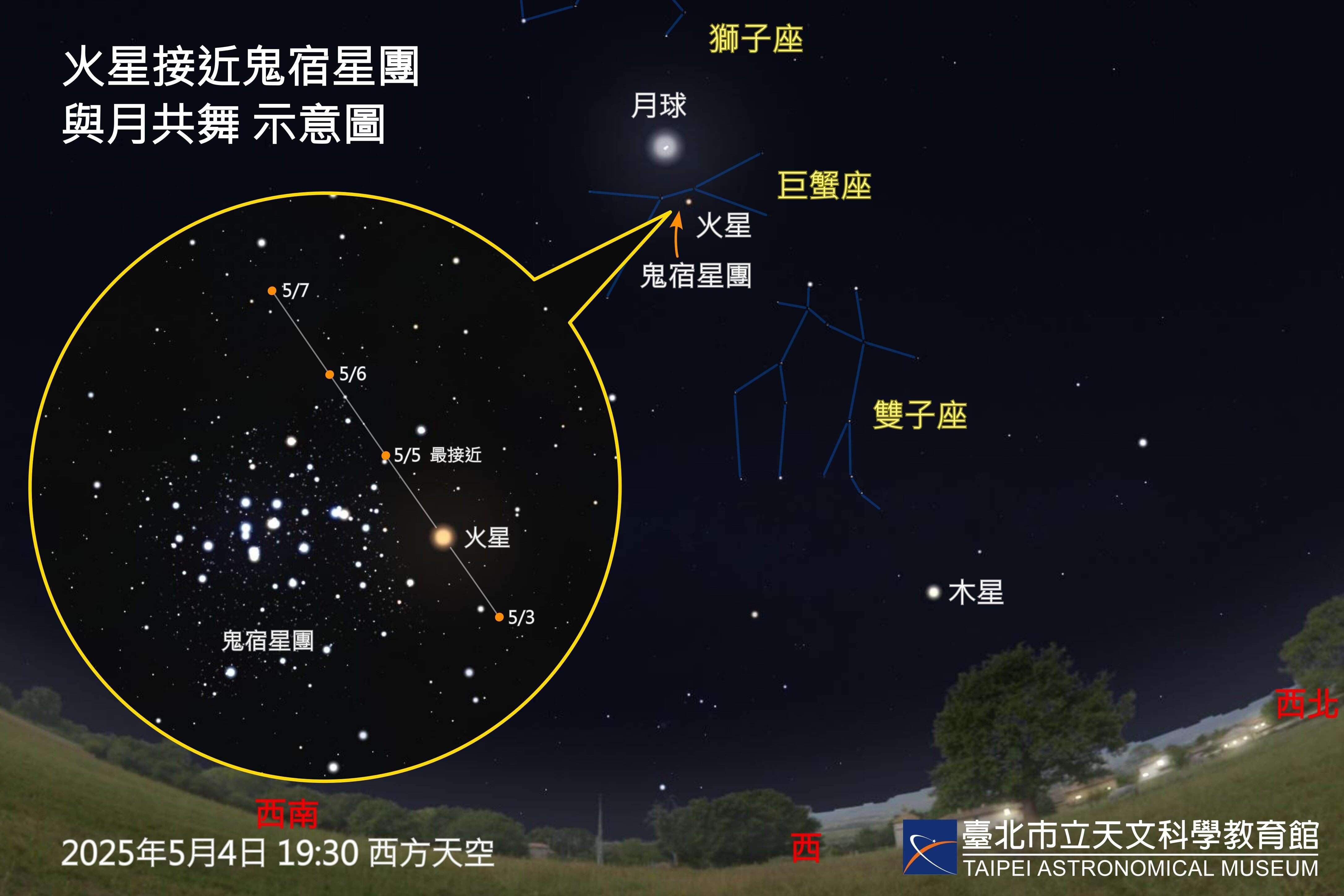
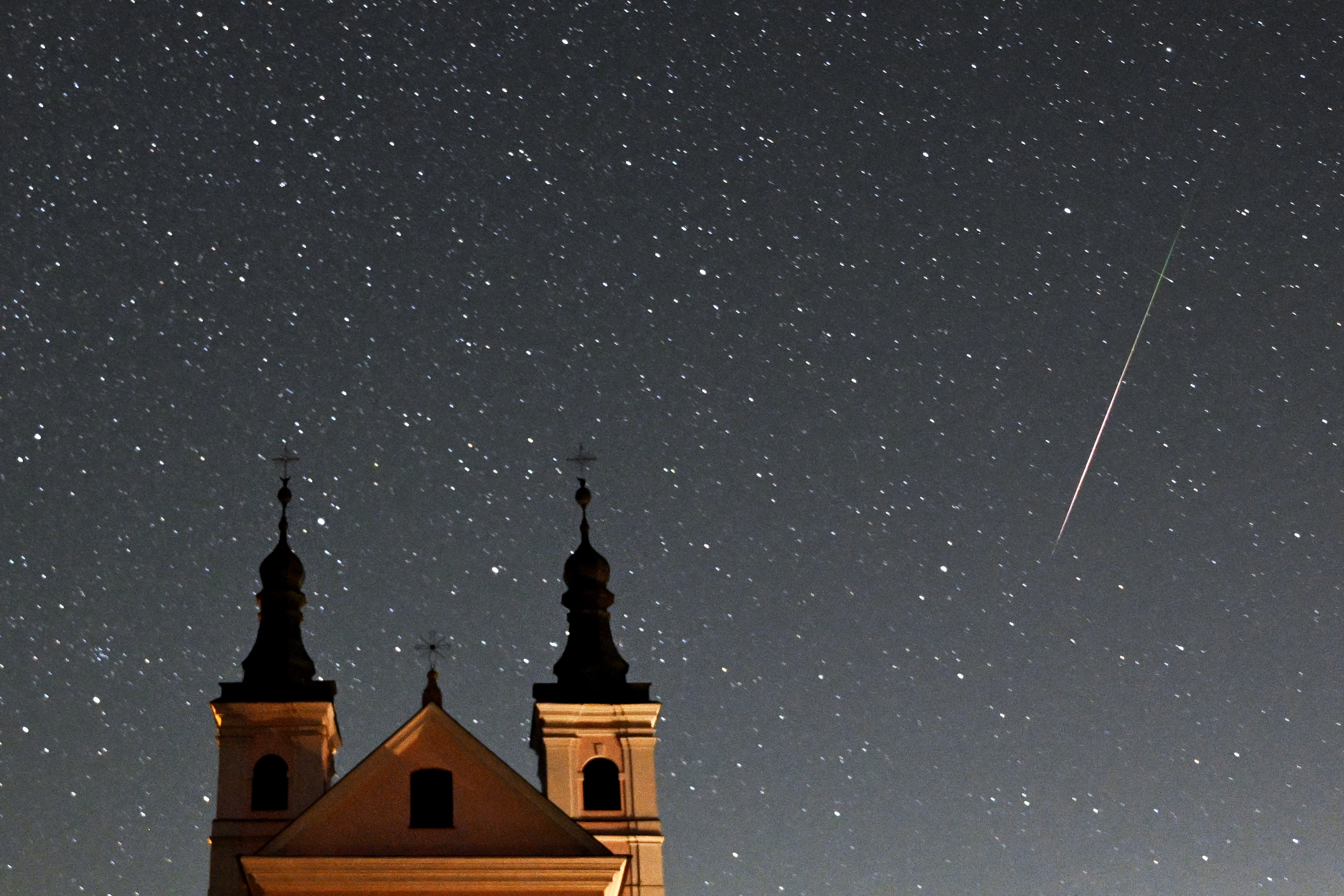
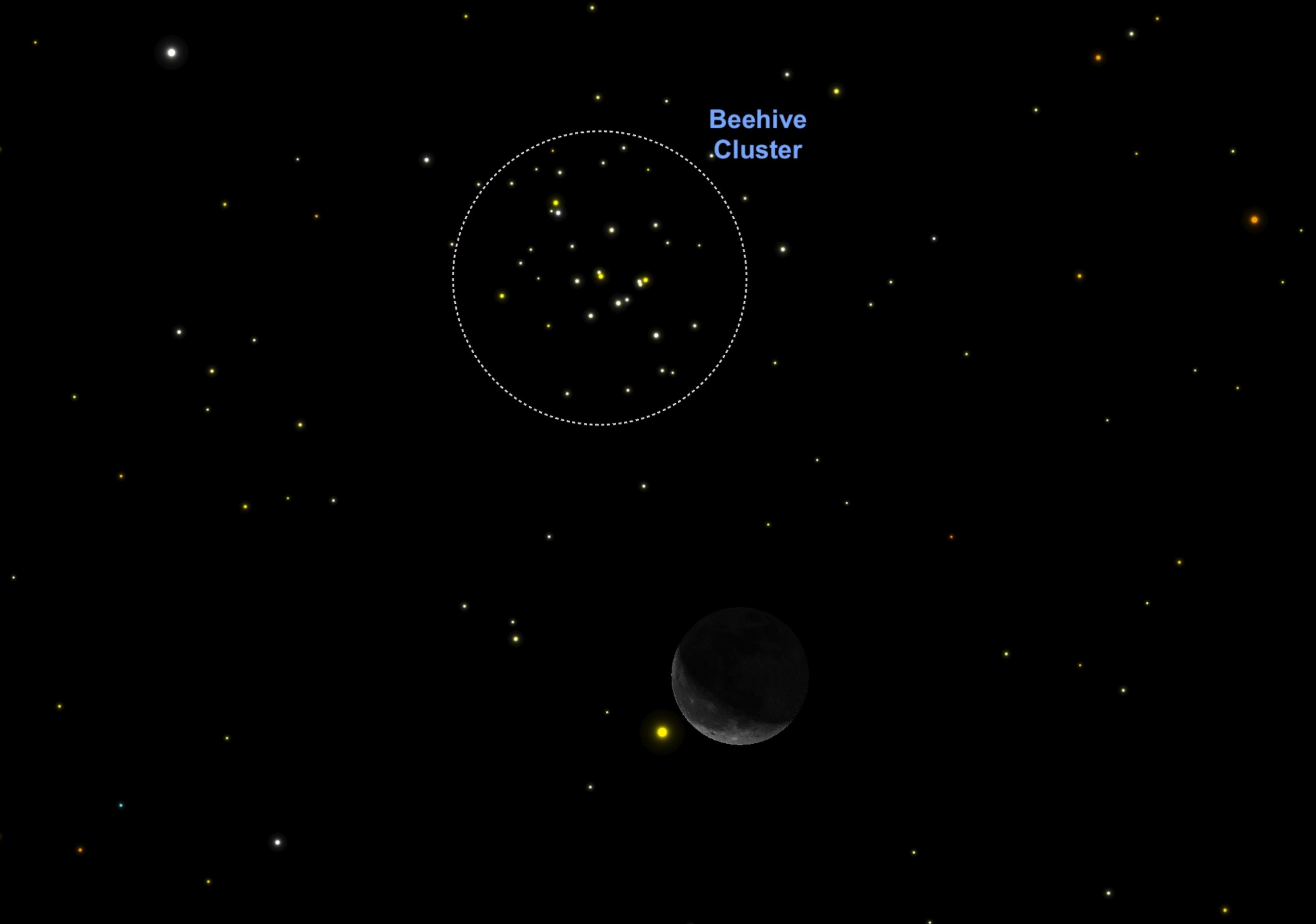
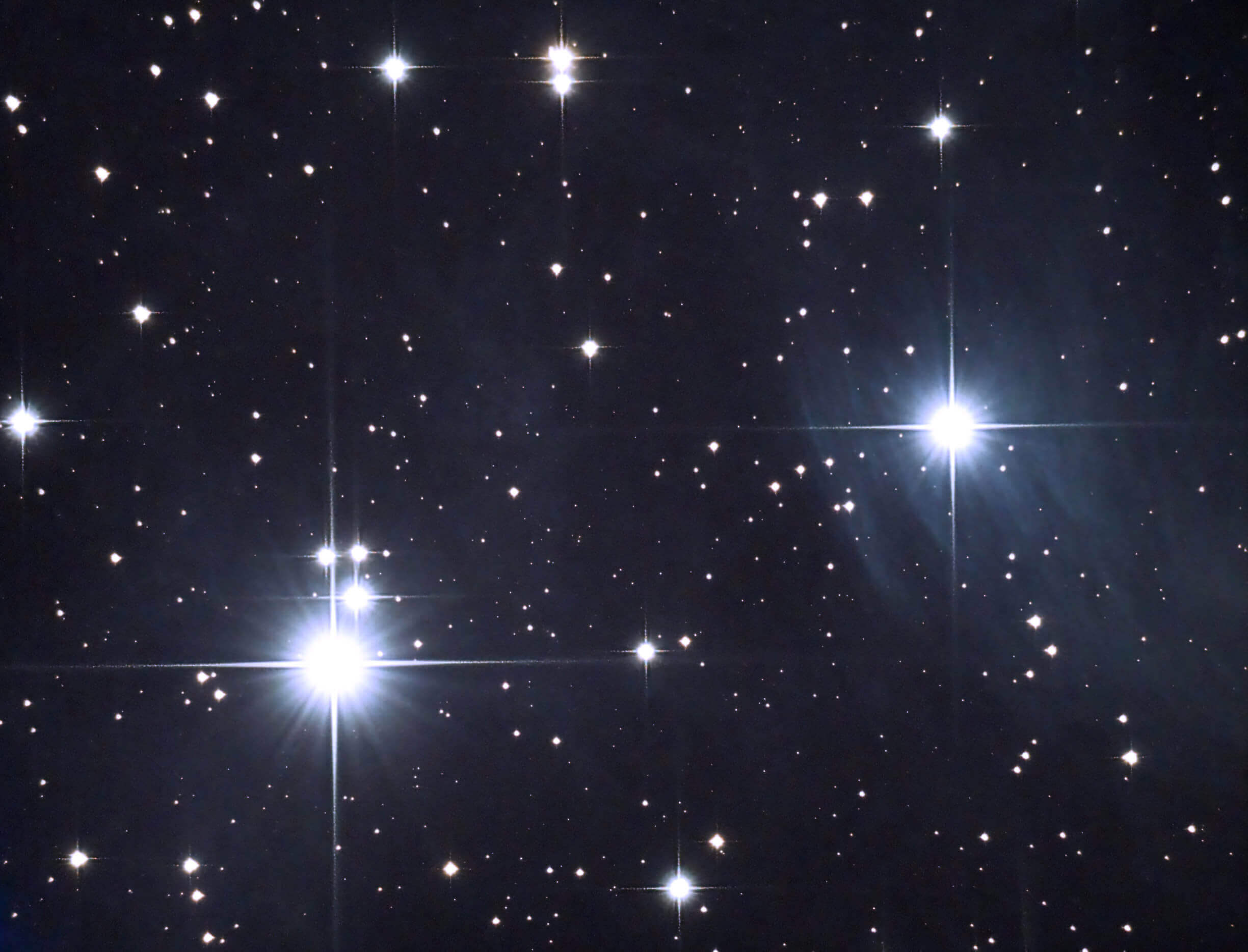
In 2018, the astronomical community and amateur skywatchers focused their attention on the intersection of the Perseid meteor shower and the prominent Pleiades star cluster. While the Pleiades—an open star cluster in the constellation Taurus—is not a meteor shower, 2018 saw significant public interest in the visual proximity and photographic alignment of the two phenomena. Understanding the distinction between these events is essential for accurately interpreting astronomical data from that year.
Distinguishing Between Meteor Showers and Asterisms
To understand the discussions surrounding the 2018 Pleiades meteor shower, one must first clarify the fundamental difference between the objects involved. The Pleiades, also known as Messier 45 (M45) or the Seven Sisters, is an open star cluster located approximately 444 light-years from Earth in the constellation Taurus. It is an asterism, a grouping of stars, not a source of meteoroid streams.
Conversely, meteor showers occur when the Earth passes through the trail of debris—dust and ice particles—left behind by a comet or, more rarely, an asteroid. When these particles enter Earth's atmosphere at high velocity, they vaporize, creating the streaks of light we identify as meteors. The confusion in 2018 arose primarily because the Perseid meteor shower, which peaks in mid-August, occurs while the constellation Taurus (containing the Pleiades) rises in the late night and early morning hours. Observers often look toward Taurus for planetary alignments or to track meteor radiant points, leading to the misnomer of a "Pleiades meteor shower."
The 2018 Perseids Context
The Perseids are an annual event caused by the debris left by Comet 109P/Swift-Tuttle. In 2018, the peak of the Perseids occurred on the nights of August 12 and 13. During this period, the Moon was near its new phase, which provided exceptionally dark skies for observers globally. This lack of lunar interference made the 2018 Perseids one of the most favorable viewing opportunities in recent history.
Because the radiant of the Perseids is in the constellation Perseus, which sits relatively near the Taurus constellation in the sky, photographers and observers who were tracking the movement of the night sky throughout August 2018 often captured images featuring the bright stars of the Pleiades in the same field of view as streaks from the Perseids. This visual grouping led to widespread online content erroneously labeled as the "Pleiades meteor shower."
Astronomical Alignment and Photogrammetry
For those reviewing data from 2018, it is useful to note how celestial geometry impacts observational reports. As the Earth orbits the Sun, the apparent position of the Sun changes relative to the background stars. In August, the constellation Taurus, and therefore the Pleiades, begins to rise in the northeast during the pre-dawn hours.
Photographers in 2018 frequently utilized long-exposure techniques to capture the Perseids. Because the Pleiades is a bright, high-contrast target, it served as a convenient reference point for framing long-exposure shots. This resulted in a high volume of images showing the Pleiades as a backdrop to the meteor activity. These images, once circulated through social media and amateur astronomy forums, created a recursive search query for a "Pleiades meteor shower," despite the scientific impossibility of such an event.
Comparing 2018 Observational Data
The table below highlights the differences between the Perseid meteor shower, which was active in 2018, and the Pleiades cluster often associated with it in search queries.
| Feature | Perseid Meteor Shower | Pleiades (M45) |
|---|---|---|
| Object Type | Cometary Debris Stream | Open Star Cluster |
| Origin | Comet 109P/Swift-Tuttle | Stellar formation (Nebulae) |
| 2018 Peak | August 12–13 | Constant presence |
| Visibility | Transient light streaks | Permanent stellar grouping |
| Mechanism | Atmospheric combustion | Nuclear fusion |
Why Misconceptions Persist
The term "Pleiades meteor shower" remains a recurring topic in search indexes due to linguistic conflation. Amateur skywatchers often describe where they saw a meteor by referencing the nearest prominent object. If a meteor appeared to streak near the Seven Sisters, the observer might record the event as a "meteor near the Pleiades." Over time, the preposition "near" is often dropped in digital shorthand, leading to the search term "Pleiades meteor shower."
In 2018, the prevalence of high-quality smartphone cameras and accessible long-exposure apps allowed a wider demographic to engage with astrophotography. This increased the volume of user-generated content, further cementing the association in search engines. Experts in 2018 attempted to correct this by clarifying that the Pleiades are distant stars, not the radiant point of any meteor shower.
Technical Guidance for Identifying Radiant Points
If you are investigating archival data from 2018 or preparing for future observations, it is important to understand the concept of a "radiant." A radiant is the point in the sky from which the meteors of a shower appear to originate. The Perseids radiate from Perseus, while the Taurids—another annual shower—radiate from the constellation Taurus.
Because the Taurids occur later in the year (typically peaking in October and November) and share the same constellation as the Pleiades, they are the only meteor shower that could be semantically linked to the Pleiades. However, even the Taurids do not originate from the cluster itself. Using a star chart or software such as Stellarium or SkySafari allows researchers to verify the specific coordinate distance between the Pleiades and the actual radiant point of any given shower.
Viewing Best Practices
To effectively observe meteor activity near star clusters like the Pleiades, one should focus on the following technical requirements:
- Dark Skies: Seek locations far from light pollution (Bortle scale 4 or lower is ideal).
- Adaptation: Allow 20–30 minutes for eyes to adjust to the dark.
- Peripheral Vision: Meteors are often best seen in the periphery of your vision rather than staring directly at the radiant point.
- Perspective: Use a tripod and a wide-angle lens for photography to ensure the desired asterism (like the Pleiades) and the sky region where meteors appear are both in the frame.
FAQ: Clarifying 2018 Astronomical Queries
Was there an actual meteor shower caused by the Pleiades in 2018? No. The Pleiades is a star cluster. Meteor showers are caused by cometary debris trails intersecting Earth's orbit. No debris stream is associated with the Pleiades.
Why do search results link the Pleiades to 2018 meteors? The association is purely visual and photographic. During the August 2018 Perseid meteor shower, the Pleiades were positioned in the same portion of the sky as the radiant point, leading to many images featuring both together.
How can I tell the difference between a star and a meteor? A star is a static, point-like light source. A meteor is a transient, fast-moving streak of light that appears and disappears in a matter of seconds or fractions of a second.
Did the Taurid meteor shower occur in 2018? Yes, the Taurid meteor showers (Northern and Southern) occur annually. They are unrelated to the Pleiades, though they are located within the same constellation (Taurus) from an Earth-based perspective.
Are the Pleiades moving toward Earth? No. The Pleiades are moving through space as a cluster, but they are not on an intercept course with Earth. They remain at a stable distance of over 400 light-years.
Recommendation for Further Research
To verify astronomical events from 2018 or to track future meteor activity, consult the International Meteor Organization (IMO) archives. The IMO provides verified data on peak dates, zenithal hourly rates (ZHR), and radiant positions. Relying on scientific organizations rather than social media tags or general search queries ensures accuracy when distinguishing between meteor showers and coincidental stellar alignments. If you are examining historical photos, compare the timestamps against the peak dates of the Perseids (August) or the Taurids (October/November) to identify the true origin of the captured activity.