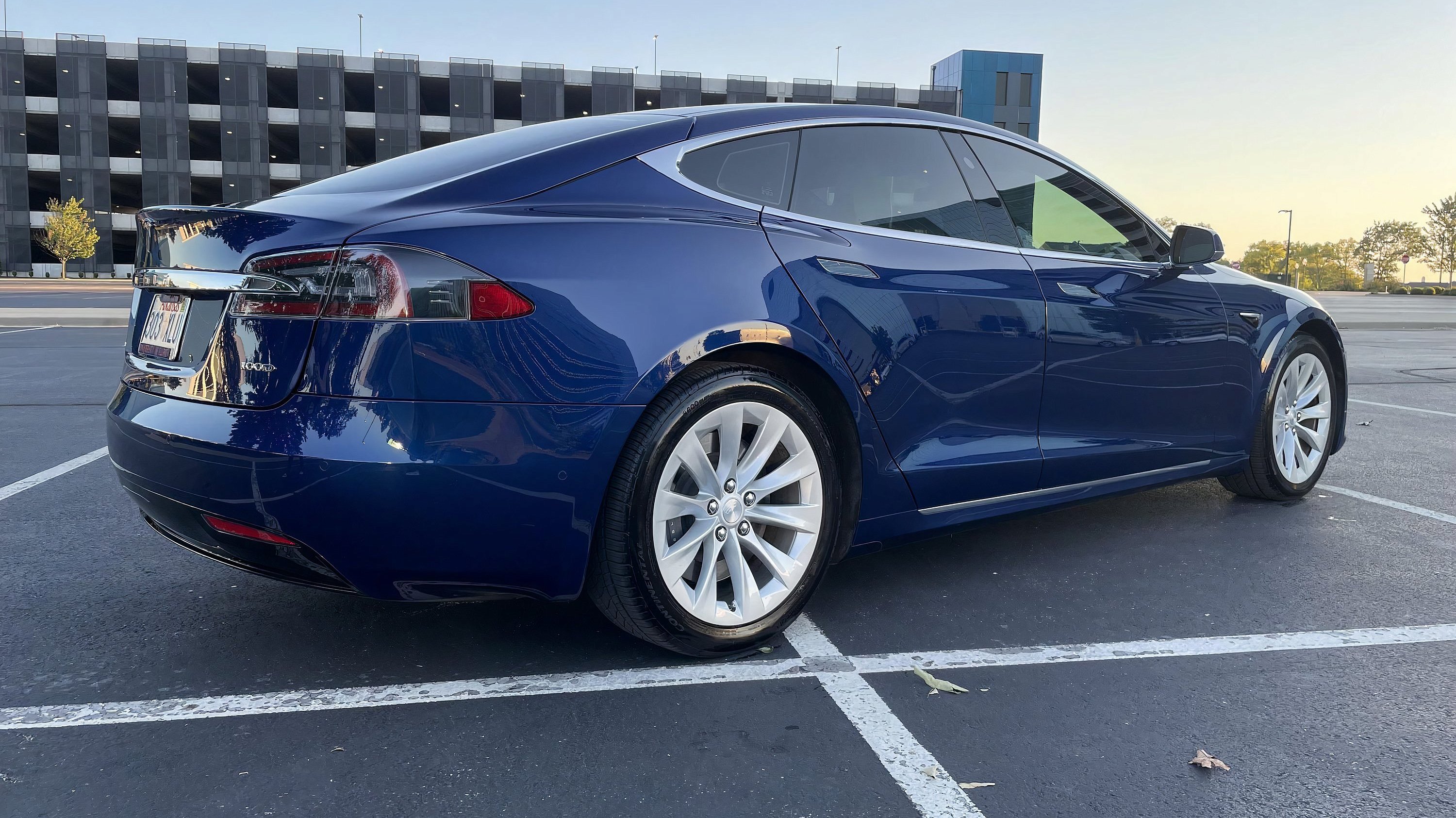
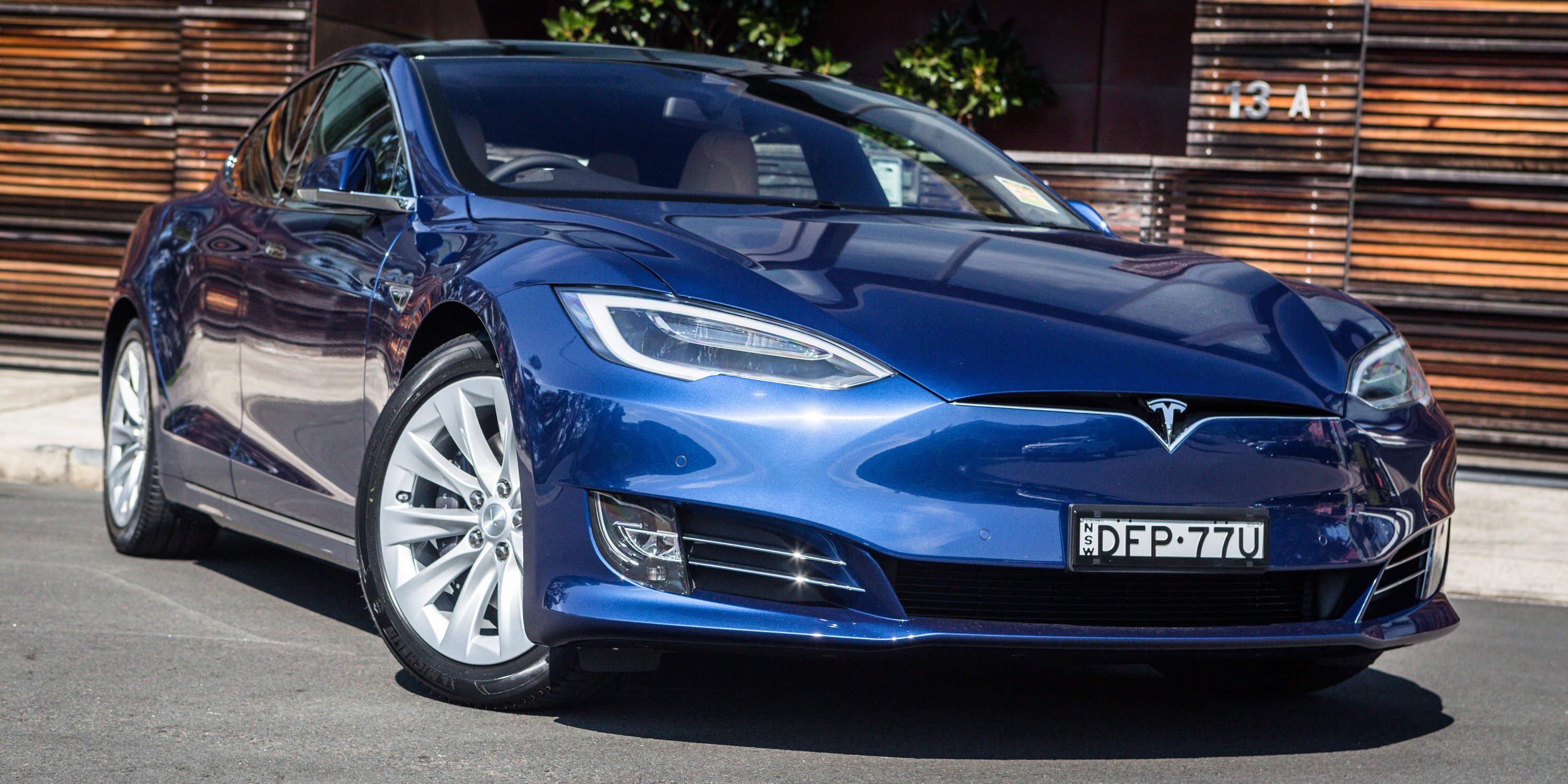
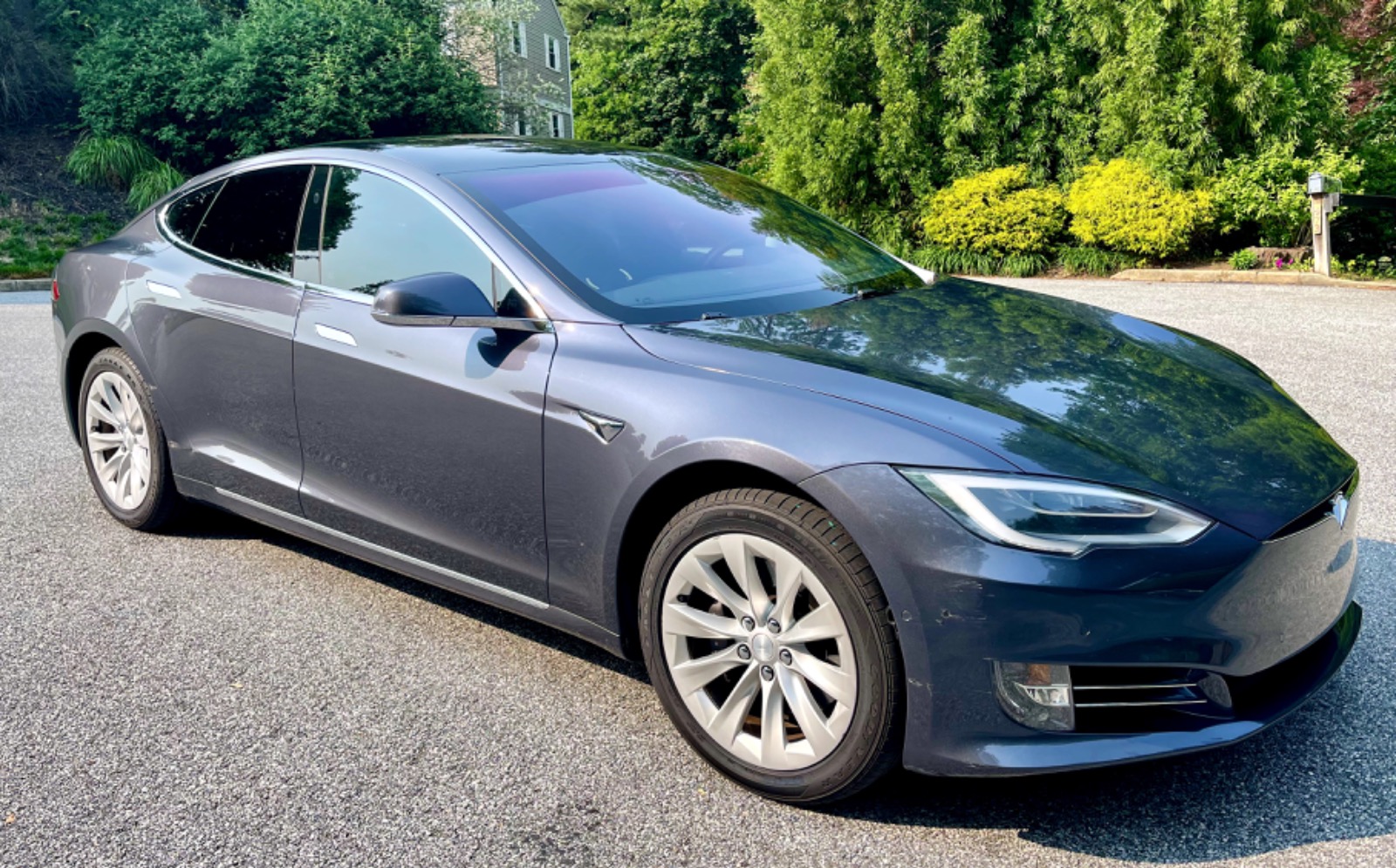
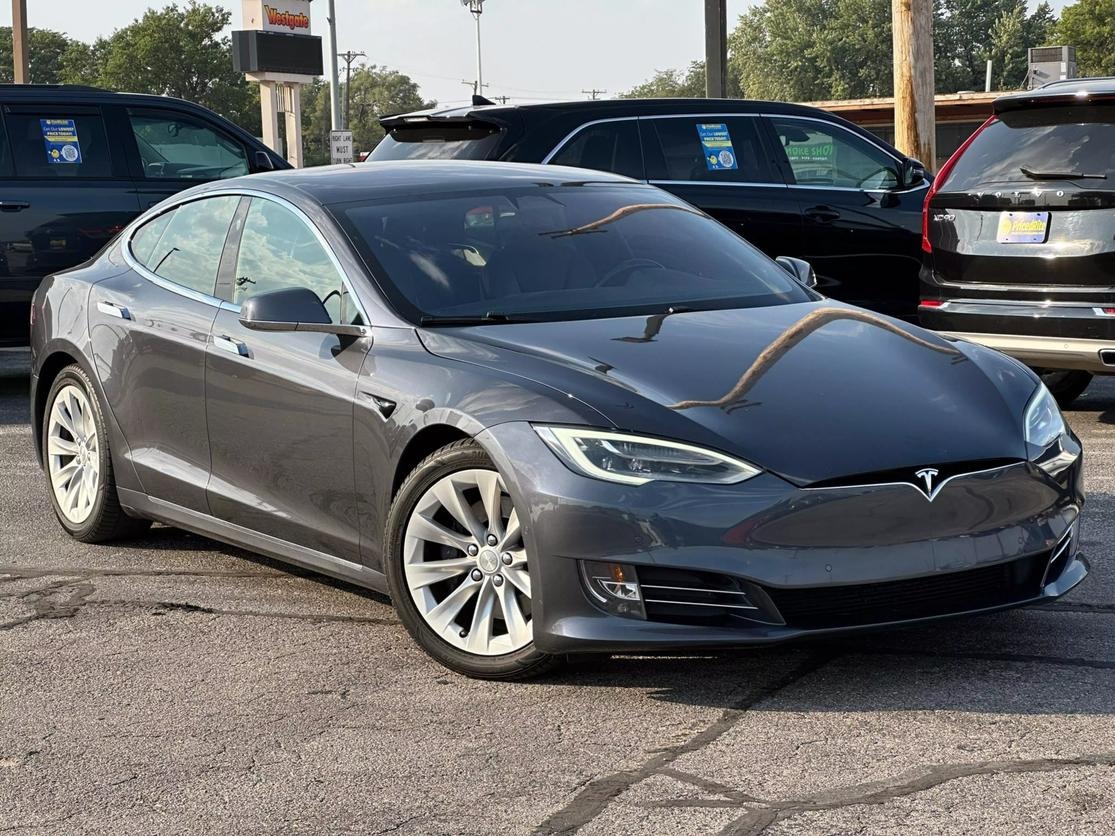
The 2017 Tesla Model S 75D achieves a factory-claimed 0-60 mph time of 4.2 seconds, powered by a dual-motor all-wheel-drive system delivering instant torque. Independent testing frequently verified this figure within a tenth of a second under optimal conditions, cementing the variant's reputation as a surprisingly rapid luxury cruiser despite sitting below the high-performance P100D variants in Tesla’s historical lineup.
Evaluating the straight-line performance of an electric vehicle requires looking beyond a single benchmark number. When Tesla updated its Model S nomenclature and battery options through the mid-2010s, the introduction of the 75D designation marked a critical shift toward accessible all-wheel-drive capability, replacing older rear-wheel-drive base models and smaller-battery variants. Understanding how the 2017 Tesla Model S 75D performs from a standstill to sixty miles per hour involves analyzing its powertrain architecture, battery technology, firmware iterations, and real-world factors that influence acceleration times.
Evolution of the Model S 75D Powertrain
To understand the 2017 Model S 75D performance profile, one must examine the engineering choices behind the vehicle. The "75" denotes the nominal 75 kWh lithium-ion battery pack, while the "D" stands for Dual Motor, signifying independent electric motors mounted on the front and rear axles.
Prior to the 75 kWh pack, Tesla offered a 70 kWh configuration. The transition to 75 kWh brought incremental energy density improvements without a massive weight penalty. The dual-motor layout fundamentally altered how power met the pavement. Unlike single-motor rear-wheel-drive setups that could suffer from traction limitations during hard launches on imperfect road surfaces, the 75D leveraged computerized traction control to distribute torque dynamically between the front and rear wheels thousands of times per second.
| Feature | Specification |
|---|---|
| Battery Capacity | 75 kWh (Nominal) |
| Powertrain | Dual Motor All-Wheel Drive (AWD) |
| Factory 0-60 Time | 4.2 Seconds |
| Horsepower | Estimated ~328 hp to 417 hp (Firmware dependent) |
| Transmission | Single-Speed Fixed Gear |
This electronic torque vectoring ensured minimal wheel slip. When a driver mashed the accelerator pedal from a complete stop, the car calculated available grip instantly, maximizing acceleration across dry asphalt, damp pavement, or light snow.
Factory Claims Versus Independent Testing
Tesla’s stated specifications for the 2017 Model S 75D placed the 0 to 60 mph sprint at 4.2 seconds. In the automotive industry, manufacturer acceleration figures are often treated with skepticism, as they are typically achieved under highly controlled, idealized conditions using pre-production vehicles with professional drivers on specialized test tracks.
However, independent automotive journalists and testing organizations, including Motor Trend and Car and Driver, put the 2017 Model S 75D through rigorous instrumented testing. Their findings largely validated Tesla's claims. On a standard asphalt surface with a one-foot rollout subtracted—a standard industry testing practice—the 75D consistently clocked 0-60 mph times ranging from 4.2 to 4.4 seconds.
Without the rollout adjustment, the times hovered closer to 4.5 seconds. While this placed the car significantly behind its high-performance stablemates like the P90D or P100D (which dipped well into the sub-3-second range), a 4.2-second 0-60 mph time in 2017 put the executive sedan in territory previously reserved for dedicated sports cars and high-end V8 muscle cars, all while maintaining a quiet, emission-free cabin.
Factors Influencing Real-World Performance
Achieving optimal acceleration in a 2017 Tesla Model S 75D is not merely a matter of pressing a pedal; several physical and digital variables dictate whether the car hits its peak performance envelope during daily driving.
Battery State of Charge (SoC)
Electric vehicle performance is intimately tied to battery voltage and temperature. When the battery state of charge drops below 50%, the battery management system (BMS) begins to restrict maximum current output to protect cell health and prevent voltage sag. A 75D launched at 90% to 100% state of charge will deliver a noticeably sharper, more forceful push than the same vehicle operating at 20% SoC.
Thermal Management and Preconditioning
Lithium-ion cells operate most efficiently within a specific temperature window. In cold weather, cold cells exhibit higher internal resistance, which throttles power output. Conversely, extreme heat can trigger thermal mitigation protocols. Modern Teslas feature sophisticated liquid cooling and heating loops to manage pack temperatures, but ambient conditions still play a measurable role in raw acceleration consistency.
Software Updates and "Ludicrous" Context
Unlike traditional internal combustion vehicles whose engine outputs are mechanically fixed, Tesla vehicles frequently receive Over-The-Air (OTA) software updates. Throughout the lifespan of the Model S, various updates optimized inverter efficiency and torque delivery. It is worth noting that the 75D never received the "Ludicrous" or "Insane" mode upgrades reserved for Performance (P) variants; its acceleration profile remained governed by standard dual-motor parameters, prioritizing everyday responsiveness over brutal, neck-snapping launches.
Comparing the 75D to Contemporaneous Model S Variants
To contextualize the performance snapshot of the 75D, it helps to compare it against other powertrain configurations available in the 2017 Model S lineup. Buyers during this model year faced a complex matrix of battery sizes and motor configurations.
| Variant | Powertrain | 0-60 mph Time |
|---|---|---|
| Model S 60 / 60D | RWD / Dual Motor | 5.5 - 5.2 Seconds |
| Model S 75 | Rear-Wheel Drive | 4.3 Seconds |
| Model S 75D | Dual Motor AWD | 4.2 Seconds |
| Model S 90D | Dual Motor AWD | 4.2 Seconds |
| Model S 100D | Dual Motor AWD | 4.2 Seconds |
| Model S P100D | Dual Motor AWD | 2.5 - 2.7 Seconds |
Interestingly, the 75D, 90D, and 100D shared very similar 0-60 mph times despite having different battery capacities and weight profiles. The heavier battery packs in the 90D and 100D offset their greater energy capacity with increased vehicle mass, meaning the lighter 75D held its own in short-burst acceleration while sacrificing overall driving range compared to its larger-battery siblings.
Daily Drivability and Power Delivery Characteristics
Raw acceleration figures tell only part of the story. The subjective experience of driving a 2017 Tesla Model S 75D stems from the fundamental nature of electric propulsion: instant torque delivery.
In a traditional gasoline-powered car with an internal combustion engine and an automatic transmission, acceleration requires a brief delay as the engine builds revs, the turbocharger spools up (if equipped), and the transmission kicks down a gear or two. In the Model S 75D, torque is available instantaneously at zero RPM.
When a driver depresses the accelerator pedal, the response is immediate and linear. There is no shift shock, no hesitation, and no engine noise—just a smooth, relentless surge of acceleration accompanied by a faint electric whine from the dual inverters. This immediacy makes passing at highway speeds or merging onto fast-moving freeways effortless and predictable, contributing significantly to driver confidence.
Maintenance, Degradation, and Longevity Considerations
As these vehicles age, prospective buyers and current owners frequently examine how battery degradation and powertrain wear impact historical performance metrics.
By the mid-2020s, data accumulated across hundreds of thousands of Model S vehicles indicated that the 75 kWh battery packs experienced an initial capacity degradation curve during the first few years of operation—typically losing around 5% to 10% of their range—before stabilizing significantly. While total usable range decreases over a decade of use, the instantaneous torque delivery of the electric motors themselves remains largely unaffected, provided the drive units do not suffer from the mechanical coolant ingress issues that plagued some early-generation Tesla drive assemblies.
Routine maintenance for a 75D remains remarkably minimal compared to internal combustion vehicles. There are no oil changes, spark plugs, timing belts, or exhaust systems to maintain. Brake pad wear is also substantially reduced due to regenerative braking, which uses the electric motors to slow the vehicle while simultaneously feeding energy back into the battery pack.
Frequently Asked Questions
Can the 2017 Tesla Model S 75D be upgraded to be faster via software?
No. Tesla did not offer official acceleration boost packages for the 75D variant. Acceleration upgrades were historically reserved for specific dual-motor performance variants (such as older 90D or certain dual-motor configurations), while the 75D retained its standard factory power output throughout its production life.
How does battery degradation affect the 0-60 time of a 75D?
Minor battery degradation does not drastically alter the 0-60 mph time under normal conditions, but a heavily degraded battery or a low state of charge (under 20%) will cause the battery management system to limit peak current output, resulting in a noticeably softer launch and slower acceleration times.
Is the 2017 Model S 75D equipped with Autopilot?
Autopilot hardware (Hardware 2 or 2.5, depending on exact build date) was standard equipment on 2017 models, but activating active safety features and driver-assist capabilities like Enhanced Autopilot or Full Self-Driving required software activation packages that varied depending on the original or subsequent vehicle configuration.
What is the real-world driving range of a 2017 Model S 75D?
When new, the EPA-rated range for the 75D was approximately 259 miles. In real-world driving—factoring in highway speeds, climate control use, and historical battery degradation over time—actual operating range typically sits between 180 and 220 miles on a full charge.
How does cold weather impact the performance of this vehicle?
Cold weather increases internal battery resistance, which temporarily restricts high power output until the battery pack warms up. Drivers often notice reduced regenerative braking effectiveness and a slightly more docile acceleration response during freezing winter mornings until the thermal management system conditions the pack.
Next Actions for Owners and Enthusiasts
For individuals examining or owning a 2017 Tesla Model S 75D, evaluating performance requires looking past marketing metrics to focus on vehicle health. Reviewing the car's current state of health via the touchscreen service menu or third-party diagnostic tools (such as Scan My Tesla) provides clear insight into battery pack degradation and drive unit status. Ensuring firmware is up to date and monitoring tire tread depth and pressure are critical steps, as instant torque places high demands on tires, and proper mechanical traction is essential to actually achieving that factory 4.2-second benchmark on the road.