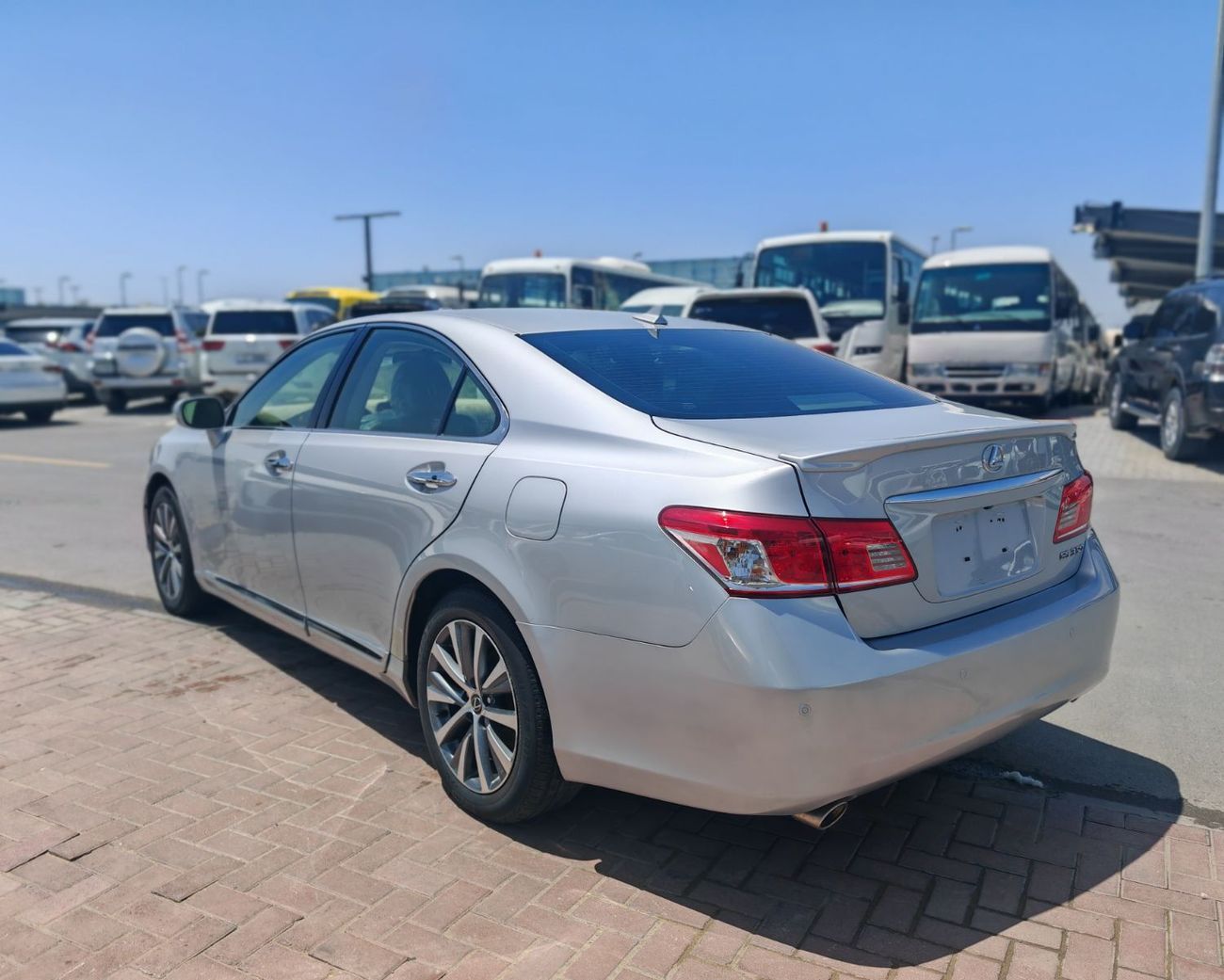
The 2011 Lexus ES 350 is a front-wheel-drive mid-size luxury sedan powered by a 3.5-liter V6 engine producing 268 horsepower and 248 lb-ft of torque. Renowned for its exceptional cabin insulation, smooth 6-speed automatic transmission, and high reliability ratings, it remains a benchmark for entry-level luxury comfort in the secondary market.
The Engineering Behind the 2011 Lexus ES 350
The 2011 model year represents the penultimate year of the fifth-generation (XV40) ES series. By this time, Lexus had refined the platform to offer one of the most serene driving experiences available in a non-airsprung vehicle. The core of this experience is the 2GR-FE engine, a 3.5-liter V6 that utilizes Dual Variable Valve Timing with intelligence (VVT-i). This system optimizes the timing for both intake and exhaust camshafts, ensuring that the engine provides ample low-end torque for city driving while remaining efficient at highway speeds.
Mechanically, the ES 350 shares its architecture with the Toyota Camry of the same era, but Lexus engineers applied significant structural reinforcements and sound-deadening measures. The use of fluid-filled engine mounts and extensive asphalt-sheet insulation in the floorboards helps to isolate the cabin from the mechanical vibrations of the powertrain. In 2026, these vehicles are often sought after specifically because this mechanical simplicity—lacking the complex turbochargers or hybrid batteries found in newer models—translates to long-term durability.
Performance and Drivetrain Specifications
The 2011 ES 350 was designed with a "cushion-first" philosophy. While it is capable of a 0-60 mph sprint in approximately 6.8 seconds, the power delivery is linear and muted. The 6-speed Electronically Controlled Transmission with intelligence (ECT-i) features sequential shifting, allowing drivers to manually select gears, though the system is tuned primarily for seamless transitions rather than aggressive downshifts.
| Feature | Specification |
|---|---|
| Engine Type | 3.5L V6, 24-Valve DOHC, Dual VVT-i |
| Horsepower | 268 hp @ 6,200 rpm |
| Torque | 248 lb-ft @ 4,700 rpm |
| Transmission | 6-speed Sequential-Shift Automatic |
| Drivetrain | Front-Wheel Drive (FWD) |
| 0-60 MPH | 6.8 Seconds |
| Top Speed | 137 mph (Electronically Limited) |
| Fuel Economy | 19 City / 27 Highway / 22 Combined MPG |
| Fuel Tank Capacity | 18.5 Gallons |
| Curb Weight | 3,580 lbs |
Interior Luxury and Craftsmanship
The 2011 Lexus ES 350 interior is a study in "L-finesse" design, which focuses on creating a seamless flow between technology and comfort. In the 2011 model, Lexus introduced minor updates to the center console and wood trim options to keep the aesthetic modern. Standard equipment includes 10-way power-adjustable front seats, genuine bird’s-eye maple or brown walnut wood trim, and a power tilt-and-telescopic steering wheel.
One of the defining characteristics of this model year is the quality of the leather. While the standard leather is high-quality, the Ultra Luxury Package upgraded the interior to semi-aniline leather, which is softer and more breathable. This package also added a panorama glass roof, which was a rare feature for the segment at the time, providing an airy feel to both front and rear passengers.
Acoustic Engineering and Cabin Comfort
Lexus employed several specific technologies to ensure the ES 350 remained one of the quietest cars in its class:
- Acoustic Glass: The windshield is composed of two layers of glass with an inner layer of sound-dampening film to reduce wind noise.
- Thicker Weatherstripping: Triple-sealed doors prevent road noise from entering the cabin at high speeds.
- Vibration Analysis: During the design phase, Lexus used laser spectroscopy to identify and eliminate "hot spots" where cabin resonance could occur.
The result is a cabin where the ambient noise level at 60 mph is significantly lower than that of its contemporary rivals, such as the Acura TL or the Infiniti G37. For owners in 2026, maintaining this silence often requires checking the condition of the door seals and ensuring that high-quality, low-noise tires are installed.
Advanced Technology and Safety Features
For 2011, the ES 350 offered a suite of technology that remains functional and relevant, though the infotainment interface is naturally dated compared to modern smartphone-integrated systems. The available Hard Disk Drive (HDD) Navigation system includes a high-resolution display and a backup camera.
One of the most notable tech features is the Mark Levinson Premium Surround Sound system. With 14 speakers and 300 watts of power, this system was engineered specifically for the ES 350's cabin acoustics, offering 7.1-channel architecture that still rivals many modern premium audio setups.
Safety Systems and Ratings
Lexus did not compromise on safety for the 2011 ES 350. The vehicle comes standard with 10 airbags, including:
- Front-seat knee airbags for both driver and passenger.
- Front and rear seat-mounted side airbags.
- Full-length side curtain airbags.
The vehicle is also equipped with the Vehicle Dynamics Integrated Management (VDIM) system. Unlike standard stability control systems that react to a skid, VDIM is proactive, processing data from various sensors to anticipate a loss of traction and subtly adjusting engine output and braking force before the driver even notices a problem.
According to the Insurance Institute for Highway Safety (IIHS), the 2011 Lexus ES 350 received "Good" ratings (the highest possible) in frontal-offset and side-impact crash tests. Additionally, the National Highway Traffic Safety Administration (NHTSA) awarded it high marks for occupant protection, making it a reliable choice for families or safety-conscious commuters.
2026 Ownership: Reliability and Common Issues
As the 2011 Lexus ES 350 approaches its 15th year of service, its reputation for reliability is well-documented. However, like any aging luxury vehicle, there are specific maintenance areas that require attention to ensure another decade of service.
The 2GR-FE V6 Longevity
This engine is capable of exceeding 250,000 miles with basic maintenance. However, owners should be aware of the following:
- VVT-i Oil Line: Early versions of the 2GR-FE had a rubber portion in the VVT-i oil line that could fail. By 2011, most of these were corrected at the factory with an all-metal line, but it is a critical "check-point" for any high-mileage unit.
- Water Pump: The water pumps on these engines are known to develop slow leaks or "weeping" around the 100,000 to 120,000-mile mark. If you notice a pinkish crust (dried Toyota Long Life Coolant) near the drive belt, replacement is necessary to prevent overheating.
- Spark Plug Intervals: Changing the rear three spark plugs on the V6 requires removing the intake manifold. Because this is labor-intensive, it is often deferred, which can lead to ignition coil failure.
Dashboard and Interior Wear
A known issue for Lexus vehicles from this era was the "sticky" or melting dashboard/door panels caused by prolonged UV exposure in hot climates. Lexus previously offered a "ZLZ" warranty enhancement program for this. In 2026, when purchasing a used ES 350, it is vital to inspect the texture of the dashboard. If it has not been replaced or cared for with UV protectants, it may feel tacky to the touch.
Market Positioning and Comparison
In 2011, the ES 350 occupied a unique space. It was more luxurious and larger than the IS series but lacked the rear-wheel-drive dynamics and high price tag of the GS or LS series. It competed primarily with the Buick LaCrosse and the Acura TL.
- Lexus ES 350 vs. Acura TL: The TL offered a more engaging, "sporty" driving experience with available All-Wheel Drive, but it could not match the ES 350's ride quality or interior quietness.
- Lexus ES 350 vs. Buick LaCrosse: The Buick was a strong competitor in terms of comfort and quietness, but the Lexus held a significant advantage in long-term resale value and powertrain reliability.
Today, in the 2026 used car market, the ES 350 holds its value better than almost any other vehicle in its class. While a contemporary German luxury sedan might offer more "prestige" or "driving feel," the ES 350 is the pragmatist's choice for a luxury car that won't break the budget with repair costs.
Troubleshooting and Maintenance Tips
For those currently operating a 2011 ES 350, several simple steps can preserve the vehicle’s condition:
- Transmission Fluid: While Lexus claimed the transmission fluid was "lifetime," most independent specialists recommend a "drain and fill" (not a high-pressure flush) every 60,000 miles to preserve the U660E transmission's shift quality.
- Headlight Clarity: The plastic headlight lenses are prone to oxidation. Using a high-quality ceramic coating after restoration can prevent them from yellowing again.
- Sunroof Drains: If you notice moisture in the footwells, the sunroof drains are likely clogged with debris. Cleaning these with compressed air or a flexible wire can prevent expensive water damage to the interior electronics.
Frequently Asked Questions
Does the 2011 Lexus ES 350 require premium fuel?
While Lexus originally recommended 91 octane (Premium) for maximum performance, the 2GR-FE engine is equipped with knock sensors that allow it to run safely on 87 octane (Regular). Users may notice a slight decrease in fuel economy and a minor loss of horsepower (roughly 5-10 hp) when using Regular fuel, but it will not damage the engine.
Is the 2011 ES 350 a timing belt or timing chain engine?
The 2011 ES 350 uses a timing chain. Unlike the earlier ES 330 models which used a timing belt that required replacement every 90,000 miles, the timing chain in the ES 350 is designed to last the life of the engine, provided that oil changes are performed regularly to keep the chain tensioners lubricated.
What are the most common mechanical failures for this model?
The most frequent mechanical issues include leaking water pumps, worn front control arm bushings, and occasional alternator failure around 150,000 miles. Some owners also report "transmission flare" (a brief rise in RPM between gears), which can often be solved by a software update to the Transmission Control Module (TCM) or a fluid service.
Can I add Apple CarPlay or Android Auto to a 2011 ES 350?
The factory system does not support these features. However, because the 2011 model uses a standard double-DIN style integration for the non-navigation models or a bypass interface for navigation models, several reputable aftermarket solutions (such as GROM VLine or Beat-Sonic) allow you to add modern smartphone integration while retaining the factory screen and steering wheel controls.
How does the 2011 ES 350 handle in snow?
As a front-wheel-drive vehicle with a heavy V6 engine over the drive wheels, the ES 350 performs predictably in light to moderate snow. However, because it is tuned for comfort, it has relatively low ground clearance. For those in 2026 living in "Snow Belt" regions, fitting a set of dedicated winter tires is highly recommended, as the standard all-season tires may struggle with the engine's torque on icy surfaces.
Practical Recommendations
If you are looking to purchase a 2011 Lexus ES 350 in 2026, prioritize vehicles with a documented service history at a Lexus or Toyota dealership. Check specifically for the status of the water pump and the condition of the dashboard. If the vehicle has more than 120,000 miles, ensure the spark plugs have been replaced.
The 2011 Lexus ES 350 is perhaps the best example of "sensible luxury." It offers a level of refinement that remains impressive 15 years later, backed by a powertrain that is widely considered one of the most reliable V6 engines ever produced. For a daily commuter or a first car for a new driver, it provides a safe, comfortable, and statistically reliable platform that is difficult to beat at its current market price point.