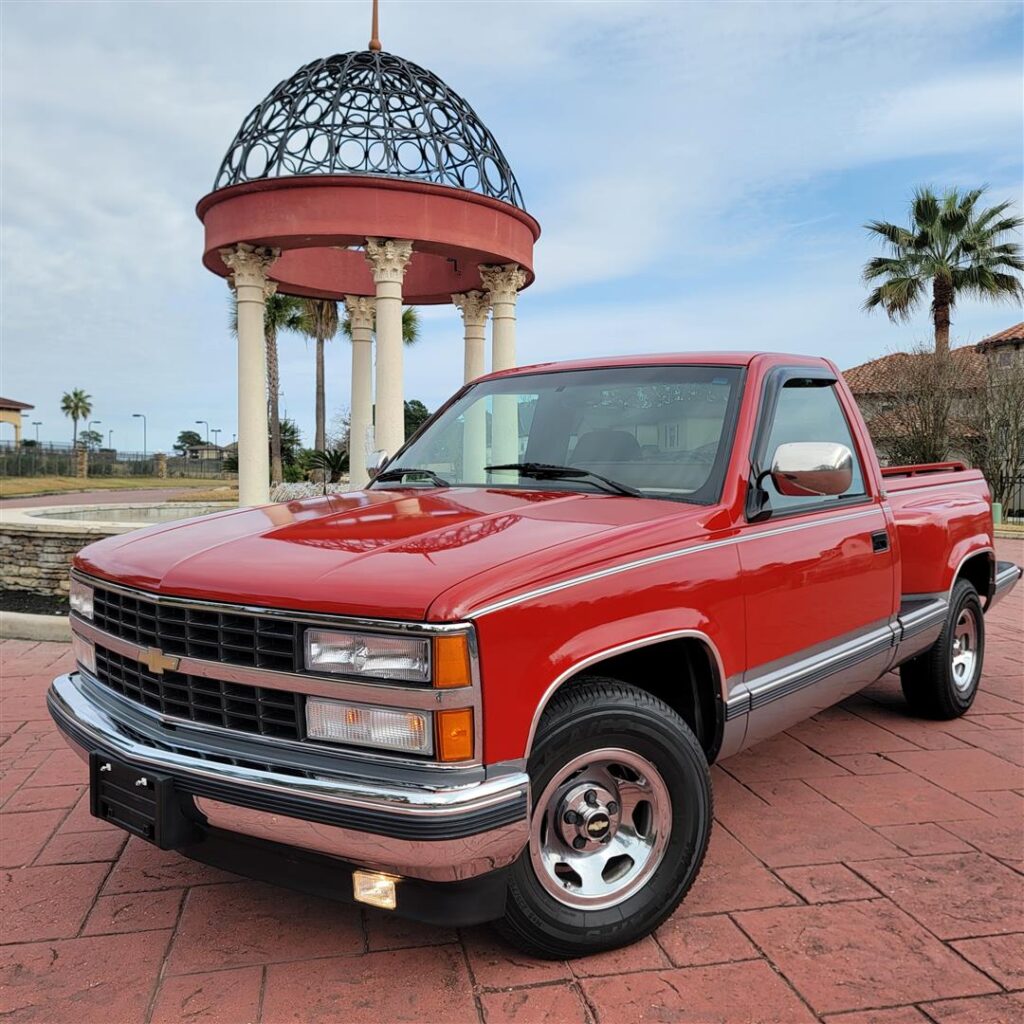
The 1990 Chevy 1500 4x4 is a foundational model of the GMT400 platform, celebrated for introducing independent front suspension and a modern, aerodynamic design to the full-size truck market. Known for its reliability and the iconic "Observed Body Style" (OBS) aesthetic, it remains a highly sought-after vehicle for collectors and daily drivers alike in 2026.
The Evolution of the GMT400 Platform
When General Motors introduced the GMT400 platform in 1988, it represented the first clean-sheet redesign of their pickup line in fifteen years. By the time the 1990 Chevy 1500 4x4 rolled off the assembly line, the platform had matured, addressing the minor teething issues of the inaugural years. This truck was not merely a utility vehicle; it was a technological leap that moved the American pickup from the farm to the driveway of the suburban family.
The 1990 model year sits in a "sweet spot" for many enthusiasts. It retains the classic "brick" interior styling—characterized by its functional, rectangular dashboard and sliding heater controls—while benefiting from the advanced frame engineering that made the GMT400 lighter, stiffer, and more fuel-efficient than the "Square Body" trucks that preceded it. The 1500 designation refers to the half-ton payload capacity, and the 4x4 configuration (often designated as the K1500) featured the innovative Insta-Trac system, which allowed drivers to shift into four-wheel drive at any speed.
Technical Specifications and Powertrain Options
The 1990 Chevy 1500 4x4 offered a variety of engines, though the majority of surviving examples in 2026 are powered by the legendary Small Block Chevy V8. These engines used Throttle Body Injection (TBI), a precursor to modern multi-port fuel injection that provided significantly better cold-start reliability and fuel economy than the carburetors of the previous decade.
Engine Lineup
The base engine was the 4.3L V6, a respectable choice for those focused on fuel economy, but the V8 options defined the truck's character. The 5.0L (305 cu in) V8 was common, but the 5.7L (350 cu in) V8 was the gold standard for 4x4 models, offering the torque necessary for off-road maneuvers and towing.
| Feature | 4.3L V6 (LB4) | 5.0L V8 (L03) | 5.7L V8 (L05) |
|---|---|---|---|
| Horsepower | 160 hp @ 4,000 RPM | 175 hp @ 4,000 RPM | 210 hp @ 4,000 RPM |
| Torque | 235 lb-ft @ 2,400 RPM | 270 lb-ft @ 2,400 RPM | 300 lb-ft @ 2,800 RPM |
| Fuel System | TBI | TBI | TBI |
| Best Use Case | Commuting/Light Duty | General Utility | Towing/Off-Roading |
Transmission and Drivetrain
For the 1990 model year, buyers could choose between a 5-speed manual (often the Getrag 290) or the 700R4 four-speed automatic. The 700R4, later renamed the 4L60, is widely regarded as one of the best transmissions of the era when properly maintained. In the 4x4 models, this was paired with a New Process NP241 transfer case, which is noted for its ruggedness and ease of service.
The Shift to Independent Front Suspension (IFS)
Perhaps the most controversial change at the time—and the most appreciated today—was the move from a solid front axle to Independent Front Suspension (IFS) on the 4x4 models. While hardcore off-roaders initially feared a loss of durability, the IFS setup using torsion bars provided a vastly superior ride quality on pavement.
The IFS allowed each front wheel to react to bumps independently, reducing the "bump steer" common in older trucks. This design choice turned the Chevy 1500 into a vehicle that could comfortably be driven across the country, not just across a field. In 2026, the aftermarket support for this suspension system is massive, allowing owners to replace aging bushings and ball joints with polyurethane or heavy-duty components that exceed original factory specifications.
Trim Levels and Interior Comfort
In 1990, Chevrolet categorized the 1500 into three primary trim levels: Cheyenne, Scottsdale, and Silverado. Understanding these trims is vital for anyone looking to purchase or restore one of these trucks today.
- Cheyenne: The workhorse. These typically featured vinyl flooring, manual windows, and basic cloth or vinyl bench seats. Chrome was minimal, and the focus was entirely on utility.
- Scottsdale: The mid-tier option. It offered a blend of comfort and durability, often including upgraded cloth upholstery and additional interior lighting.
- Silverado: The top-of-the-line luxury trim. This included full carpeting, power windows, power locks, air conditioning, and often the iconic "velour" upholstery that has become a hallmark of 90s GM nostalgia.
The 1990 interior is often called the "brick dash" due to its blocky, upright geometry. It features a unique instrument cluster with needle gauges (replacing the "moonies" of 88-89) and a cockpit-style layout that tilts slightly toward the driver. Despite the age, the ergonomics remain surprisingly modern compared to contemporary trucks.
Common Maintenance and Reliability Concerns
While the 1990 Chevy 1500 4x4 is mechanically robust, its age in 2026 means that certain areas require diligent inspection. The simplicity of the TBI system is a double-edged sword; it is easy to fix, but it can suffer from age-related issues like vacuum leaks or failing fuel pressure regulators.
Rust and Corrosion
The primary enemy of the GMT400 is rust. Specific areas to inspect include:
- Cab Corners and Rocker Panels: These are notorious for holding moisture and rotting from the inside out.
- Frame Rails: While the frame is strong, the area near the rear fuel tank and leaf spring hangers can accumulate debris and corrode.
- Brake Lines: Original steel lines are prone to rusting through; many owners in 2026 have upgraded to stainless steel.
Mechanical Wear Points
The steering rag joint and the idler/pitman arms often wear out, leading to "sloppy" steering where the truck wanders on the highway. Additionally, the 700R4 transmission relies on a TV cable (Throttle Valve) to regulate shift points and internal pressure. If this cable is improperly adjusted after a repair, it can burn out the transmission clutches in a matter of miles.
The 2026 Market: Why the 1990 Model is Spiking in Value
In the current 2026 automotive market, the 1990 Chevy 1500 4x4 has transitioned from a "cheap used truck" to a "modern classic." Several factors drive this appreciation. First, the 1990 model is eligible for antique or classic plates in almost every jurisdiction, often reducing registration and insurance costs.
Second, the LS-swap movement has kept these trucks relevant. The engine bay of the 1990 K1500 is incredibly spacious, making it one of the easiest platforms for dropping in a modern 5.3L or 6.0L LS V8 engine. This allows owners to keep the classic look of a 1990 truck while enjoying 400+ horsepower and modern reliability.
According to data from Hagerty and other classic vehicle indices, clean, low-mileage 4x4 Silverados have seen a steady 5-8% annual increase in value over the last five years. Short-bed regular cab models remain the most valuable, followed by the "stepside" configurations.
Essential Upgrades for Modern Driving
If you are operating a 1990 Chevy 1500 4x4 in 2026, a few targeted upgrades can significantly improve the daily driving experience without sacrificing the truck's vintage soul.
- LED Lighting: The original sealed-beam or composite headlamps are dim by modern standards. Upgrading to high-quality LED housings improves safety during night driving.
- Polyurethane Bushings: Replacing 36-year-old rubber suspension bushings with polyurethane will tighten the handling and eliminate many squeaks and rattles.
- Modern Audio: While many enthusiasts prefer the look of the original radio, "retrosound" units are available that fit the factory dash opening but provide Bluetooth connectivity and modern amp outputs.
- Transmission Cooler: If you plan on towing or off-roading, an auxiliary transmission cooler is the cheapest insurance you can buy for the 700R4 automatic.
Frequently Asked Questions
Is the 1990 Chevy 1500 4x4 fuel efficient?
By 2026 standards, no. The 5.7L V8 with TBI typically returns between 12 and 15 miles per gallon (MPG) depending on driving conditions and gear ratios. The 4x4 system adds weight and aerodynamic drag, which further impacts efficiency compared to the 2WD models. However, its simplicity makes it much cheaper to maintain than modern, high-tech engines.
Can I shift into 4WD while driving?
Yes, the 1990 model features the Insta-Trac system. You can shift from 2H (two-wheel high) to 4H (four-wheel high) at any legal speed. However, to shift into 4L (four-wheel low), you must stop the vehicle and shift the transmission into neutral to allow the transfer case gears to sync.
What is the difference between a K1500 and a C1500?
This is a common point of confusion. The "C" designation refers to two-wheel-drive models, while the "K" designation refers to four-wheel-drive models. Therefore, a 1990 Chevy 1500 4x4 is technically a K1500.
Are parts still easy to find in 2026?
Extremely. Because GM produced millions of GMT400 trucks over a decade, parts availability is among the best for any classic vehicle. Companies like LMC Truck and RockAuto continue to stock everything from body panels and interior trim to complete crate engines and wiring harnesses.
Does the 1990 model have airbags?
No. For the 1500 series, driver-side airbags were not introduced until the 1995 interior refresh. The 1990 model relies on its heavy steel frame and standard three-point seatbelts for occupant protection. Those seeking modern safety features should look at later GMT400 models or newer platforms.
Final Recommendations for Buyers and Owners
If you are looking to purchase a 1990 Chevy 1500 4x4 in 2026, prioritize body integrity over mechanical perfection. It is much easier and cheaper to rebuild a 350 V8 or a 700R4 transmission than it is to properly repair a rusted-out cab or a twisted frame. Look for a truck from a dry climate (such as the American Southwest) to ensure the sheet metal is solid.
For current owners, the best investment is preventative maintenance of the cooling system and the drivetrain fluids. These trucks are remarkably resilient and can easily surpass 300,000 miles with basic care. Whether you are using it as a weekend project, a trail rig, or a nostalgic daily driver, the 1990 Chevy 1500 4x4 remains a testament to a time when American trucks were built with a perfect balance of simplicity and innovation.