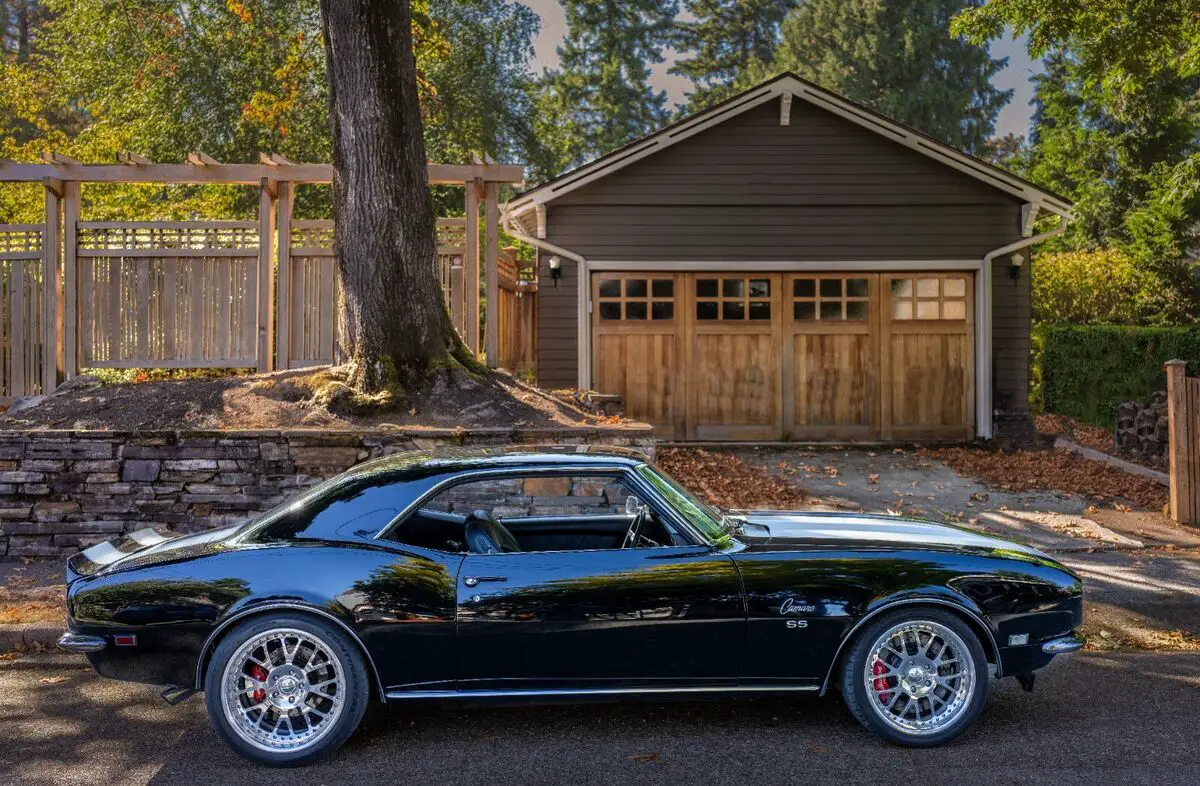
A 1968 restomod Camaro pairs the iconic classic styling of first-generation Chevrolet muscle with modern engineering, integrating high-performance fuel-injected engines, updated suspension geometry, upgraded braking systems, and comfortable interiors to deliver contemporary reliability and handling without sacrificing vintage aesthetic appeal.
Building, buying, and maintaining a first-generation Chevrolet Camaro requires navigating a complex intersection of automotive history, advanced fabrication, and modern component integration. Among all the production years of the legendary F-body platform, the 1968 model holds a distinct place in the hearts of collectors and performance enthusiasts. Distinguished by its split-less side glass, squared-off front marker lights, and more aggressive rear taillight bezels compared to the 1967 model, the '68 coupe and convertible variants serve as ideal blank canvases for restomod transformations.
A restomod project transforms a vintage car into a high-performance machine that starts reliably, stops securely in modern traffic, corners with confidence, and provides creature comforts like climate control and premium audio. Undertaking a 1968 restomod Camaro project requires careful planning, a clear understanding of mechanical and structural requirements, and a realistic budget to account for the depth of modernization involved.
Anatomy of a 1968 Camaro Restomod
The term "restomod" signifies a philosophy where a classic exterior and interior aesthetic are paired with modern mechanical systems. Unlike a numbers-matching restoration—which prioritizes factory-correct assembly line specifications—a restomod prioritizes drivability, safety, and performance.
At the structural core of any 1968 Camaro restomod is the unibody frame. Because these vehicles are decades old, structural integrity is the primary inspection point. Builders routinely install subframe connectors, full aftermarket subframes from manufacturers like Detroit Speed or Heidts, or tubular chassis systems from companies like Art Morrison Enterprises. These upgrades eliminate chassis flex, a notorious issue for original unibody muscle cars burdened with modern torque and horsepower.
Powertrain Upgrades: Modern Muscle
The standard small-block or big-block V8 engines of the late 1960s have largely been superseded by modern powerplants. The Chevrolet LS-series (such as the LS3 or LS7) and the newer LT-series direct-injection engines (like the LT1 or LT4) are the default choices for a 1968 restomod Camaro.
| Engine Family | Common Displacement Options | Key Advantages |
|---|---|---|
| Classic SBC/BBC | 350ci, 383ci, 454ci | Traditional look, straightforward |
| GM LS Series | 6.0L (LQ9), 6.2L (LS3/LS7) | Abundant aftermarket support, light |
| GM LT Series | 6.2L (LT1/LT4) | Direct injection, high compression |
These modern engines offer superior fuel efficiency, reliable cold-starts, emissions compliance in many regions, and massive horsepower potential straight out of the crate. They are typically paired with modern transmissions, such as the 4L60E/4L80E four-speed automatics or Tremec T56 and TR-6060 six-speed manuals. This overdrive capability allows the vehicle to cruise at highway speeds with low engine RPMs, drastically improving long-distance touring comfort.
Suspension, Steering, and Braking Infrastructure
An unmodified 1968 Camaro features leaf springs in the rear and unequal-length A-arm independent front suspension with recirculating ball steering. While acceptable for 1968, this setup feels floaty and imprecise by modern standards. Restomodding completely alters the driving dynamics.
Front and Rear Suspension Overhauls
Modern restomods typically replace the factory front clip or upgrade to tubular control arms, coilover shocks, and modern rack-and-pinion steering. Rack-and-pinion steering eliminates the slop and vague on-center feel inherent in vintage steering boxes. In the rear, builders frequently ditch the factory leaf springs in favor of a modern four-link suspension system or a sophisticated independent rear suspension (IRS) harvested from donor vehicles like the C5 or C6 Corvette. These systems keep the rear tires firmly planted under heavy acceleration and cornering.
Stopping Power
Doubling or tripling the horsepower of a classic car necessitates a corresponding upgrade to the braking system. Drum brakes—standard equipment on many original '68 Camaros—are prone to brake fade and insufficient stopping power. A quality restomod incorporates power-assisted four-wheel disc brakes featuring multi-piston calipers (such as Baer, Wilwood, or Brembo units), cross-drilled or slotted rotors, and a modern dual-reservoir master cylinder with an electronic or vacuum-assisted booster.
Interior Comfort and Modern Conveniences
While the exterior silhouette of a 1968 Camaro remains untouched, the interior is where the restomod philosophy shines brightest. Owners expect the comfort, safety, and technology of a modern daily driver wrapped in vintage styling cues.
- Climate Control: Vintage Air and similar aftermarket systems replace bulky factory heater boxes with integrated air conditioning, heating, and defrost units that utilize modern rotary controls disguised to look vintage.
- Seating and Ergonomics: Factory bench or bucket seats lack modern lateral support and safety features. Builders often install bolstered sport seats upholstered in leather or custom houndstooth cloth, paired with three-point retractable seatbelts.
- Instrumentation and Electronics: Retro-looking gauge clusters from companies like Dakota Digital provide sweep-style or round analog displays powered by modern stepper motors, feeding real-time data on oil pressure, water temperature, fuel level, and vehicle speed. Modern sound systems featuring hidden Bluetooth head units, multi-channel amplifiers, and high-end speakers are seamlessly integrated into custom door panels and kick panels.
Sourcing, Building, or Buying: Routes to Ownership
Acquiring a 1968 restomod Camaro generally follows one of two paths: building a custom car from the ground up or purchasing a pre-built vehicle from a reputable builder or auction house. Each route carries distinct financial and logistical considerations.
Building from Scratch
Building a restomod requires access to a solid donor car or an aftermarket reproduction steel body (officially licensed bodies are available through companies like Dynacorn).
- Chassis & Body Preparation: Repairing rust, aligning panel gaps, and installing subframe connectors or a full custom frame.
- Dry Fitting: Installing the engine, transmission, suspension, and wiring harnesses before paint and bodywork to prevent damaging finished paint.
- Paint and Body: Applying high-end multi-stage paint finishes.
- Final Assembly & Tuning: Wiring electrical systems, plumbing fuel and brake lines, and dyno-tuning the engine and transmission control modules.
This path allows for complete personalization of every bolt, color choice, and performance component, but it requires significant time (often 12 to 36 months) and a flexible budget.
Buying a Turnkey Restomod
Purchasing a completed restomod provides immediate gratification and often saves money compared to custom fabrication labor rates. However, buyers must perform rigorous due diligence:
- Inspect Documentation: Verify receipts for parts, build sheets, and engineering certificates.
- Examine Craftsmanship: Check wiring tidiness beneath the dash, weld quality on frame modifications, and the condition of the undercarriage.
- Professional Inspection: Hire an independent mechanic familiar with classic car modifications to put the car on a lift and test-drive it.
Common Pitfalls and How to Avoid Them
Embarking on a classic car modification project involves navigating several well-documented engineering challenges. Recognizing these hurdles early prevents costly rework.
- Wheel and Tire Clearance: Installing wider modern wheels (such as 18-inch rims with 275-width rubber) often requires mini-tubs in the rear and rolled fender lips to prevent rubbing during hard cornering.
- Electrical Gremlins: Merging a modern engine harness with a vintage chassis requires a dedicated, modern fuse panel (such as those from Ron Francis Wiring or American Autowire). Do not rely on original 1960s wiring to handle modern electrical loads.
- Exhaust and Clearance Issues: Aftermarket full-length headers, larger transmission cases (like the T56), and aftermarket crossmembers can create tight clearance spots against the floorboards, requiring careful heat shielding and custom exhaust routing.
Frequently Asked Questions
How much does a quality 1968 restomod Camaro cost?
Costs vary wildly based on the level of build quality and components used. A professionally built restomod with an LS engine, tubular suspension, and high-end interior typically ranges from $100,000 to over $250,000. DIY builds can be accomplished for less, depending on labor input and parts selection.
Are restomod Camaros street-legal and easy to register?
Yes, provided they pass local emissions and safety inspections applicable to the vehicle's registration year or state laws. Many jurisdictions exempt older vehicles from stringent modern emissions testing, but verify local Department of Motor Vehicles regulations before starting an engine swap.
What is the difference between a restoration and a restomod?
A restoration returns a car to its exact factory-original factory specifications using date-coded parts. A restomod retains the classic exterior and interior design language while upgrading mechanical components like engines, brakes, suspension, and electronics for enhanced performance and reliability.
Can a restomod Camaro be used as a daily driver?
While modern upgrades make a restomod vastly more reliable than an original 1968 model, most owners treat them as weekend drivers or touring cars due to the lack of modern safety crumple zones, side-impact airbags, and the potential for stone chips on custom paintwork.
Which engine is best for a 1968 Camaro restomod?
The GM LS3 (6.2-liter V8) is widely considered the gold standard for restomods due to its compact dimensions, light aluminum block weight, immense aftermarket support, and readily available 430 to 525 horsepower outputs.
Conclusion and Next Actions
Investing time or capital into a 1968 restomod Camaro delivers an unmatched blend of timeless mid-century styling and modern supercar-adjacent performance. Whether you choose to commission a bespoke build from a specialty shop or search high-end automotive marketplaces for a finished driver, success relies on prioritizing structural integrity, braking, and suspension geometry over sheer horsepower numbers. Begin your journey by establishing a firm budget, identifying whether you want a grand tourer or a track-focused machine, and consulting with reputable builders who specialize in first-generation F-body platforms.