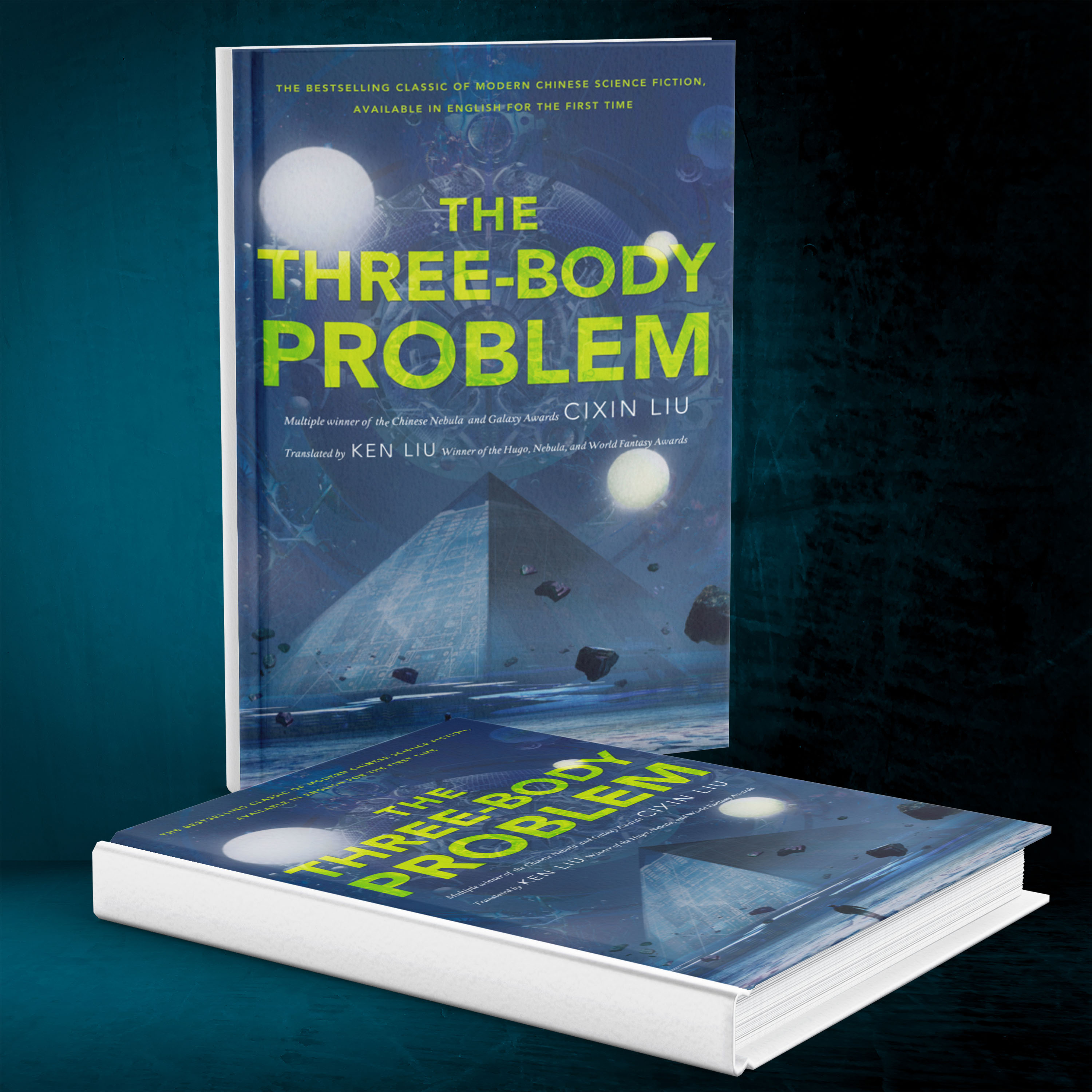
As of 2026, the official production status and development details for a potential third season of Netflix's 3 Body Problem remain subject to the broader arc established by creators David Benioff, D.B. Weiss, and Alexander Woo. Following the series adaptation greenlight of Liu Cixin’s acclaimed science fiction trilogy, the overarching narrative strategy and production pipeline have focused on fully adapting the complex, multi-millennial timeline from The Three-Body Problem, The Dark Forest, and Death's End. This comprehensive guide breaks down the structural plans, production timelines, behind-the-scenes milestones, and creative scope surrounding the eventual culmination of the series.
Understanding the Scope of the Adaptation
Adapting Liu Cixin's sprawling trilogy into a serialized television format is one of the most ambitious engineering feats in modern streaming history. The source material spans millions of years, moving from the Chinese Cultural Revolution to the distant future death of the solar system. When Netflix announced the series, the creators made it clear that a single season could not capture the philosophical, physical, and sociological depths of the books.
Season 1 introduced audiences to the San-Ti threat, the Sophon blockade, and the impending arrival of an alien fleet four centuries in the future. Rather than rushing through the plot, the showrunners structured the narrative to lay extensive groundwork for the cosmic sociology explored later in the books. Season 2 and the anticipated Season 3 represent the realization of this grand design, covering the middle and final thirds of Liu Cixin's masterwork, specifically focusing on the Wallfacer project, dark forest deterrence, and the ultimate fate of humanity across dimensions.
The Vision of Showrunners Benioff, Weiss, and Woo
David Benioff, D.B. Weiss, and Alexander Woo approached the adaptation with a deliberate roadmap. While television production cycles are notoriously long—requiring extensive pre-production, visual effects (VFX) development, principal photography, and post-production—the creative team designed the narrative arcs to flow continuously.
The production workflow for a high-concept science fiction series of this magnitude involves several distinct phases:
- Writer's Room and Script Breakdown: Mapping out the complex scientific theories—such as multidimensional folding, droplets, and gravitational waves—into cinematic narrative beats.
- Pre-Production and Concept Art: Designing futuristic spacecraft, Trisolaran architecture, and the immersive virtual reality game environments that mirror the books' alien physics.
- Principal Photography: Utilizing cutting-edge volumetric stages, location shooting across multiple continents, and advanced soundstages to simulate zero-gravity and cosmic phenomena.
- Post-Production and Visual Effects: Allocating significant time to rendering CGI elements, including the iconic droplet weapon, stellar-scale engineering, and advanced UI overlays.
Production Status and Timeline Breakdown
The journey toward a third season depends heavily on the production milestones of Season 2 and Netflix’s multi-season renewal agreements. Because high-end science fiction requires extensive lead times, the production schedule differs drastically from traditional network dramas.
| Production Phase | Estimated Window / Status | Primary Focus & Deliverables |
|---|---|---|
| Development & Writing | Completed / Ongoing | Scripting core narrative arcs based on The Dark Forest and Death's End. |
| Pre-Production | Staged | Scouting international locations, casting new eras, and designing VFX pipelines. |
| Principal Photography | Multi-Month Blocks | Capturing physical performances across global soundstages and on-location sets. |
| VFX & Post-Production | 12–18 Months | CGI rendering, sound design, scoring, and final editing for cosmic sequences. |
This structured timeline ensures that the heavy burden of visual effects does not compromise the narrative integrity of the show's final movements. The complexity of rendering things like the destruction of worlds and relativistic space travel demands a meticulous post-production window.
Narrative Trajectory: Bridging Season 2 and Season 3
To understand what production details matter for a third season, one must examine where the story leaves off. The Dark Forest explores humanity's desperate psychological defense against an enemy that can read human thoughts through subatomic particles, leading to the creation of the Wallfacers—individuals tasked with devising secret strategies known only to themselves.
Season 3, mapping onto the final volume Death's End, requires production teams to scale up exponentially. The narrative shifts focus across vast expanses of time, introducing characters like Cheng Xin, an aerospace engineer whose choices ripple across centuries. Bringing Death's End to the screen involves logistical challenges that have rarely been attempted on television:
- Multi-Era Casting: Utilizing makeup, digital aging, and distinct ensemble casts to portray characters undergoing hibernation and waking up in vastly different technological epochs.
- Cosmic Scale Visuals: Depicting the dimensional collapse of solar systems, lightspeed spacecraft, and pocket universes.
- Philosophical and Scientific Realism: Translating complex theoretical physics concepts into visceral, dramatic television without alienating the audience.
Behind-the-Scenes Challenges in High-Budget Sci-Fi
Producing a series like 3 Body Problem presents unique operational hurdles for the production crew, directors, and VFX supervisors. Unlike grounded dramas, every episode requires a high degree of digital augmentation.
Virtual Production and Practical Sets
The production relies heavily on a hybrid approach, combining physical, tactile set design with advanced LED volume walls. This allows actors to interact with simulated environments—such as the Trisolaran three-sun problem landscapes or deep-space interiors—with realistic lighting reflections and spatial awareness. However, scenes set in abstract physical dimensions or utilizing futuristic materials like "strong interaction material" (the droplet) require intense coordination between stunt coordinators, prop fabricators, and CGI artists.
International Collaboration and Scale
The cast of the series is intentionally global, reflecting the international nature of the scientific community responding to an existential threat. Filming locations historically spanned multiple continents, including the United Kingdom and various international backdrops, mirroring the book's sweeping geography. Maintaining continuity across these international units requires rigorous scheduling and logistical support from production management teams.
Frequently Asked Questions
What books does the 3 Body Problem series cover?
The television adaptation covers the entire trilogy written by Liu Cixin: The Three-Body Problem, The Dark Forest, and Death's End. The structural layout divides these expansive novels across planned seasons to maintain narrative depth and pacing.
Why do seasons of 3 Body Problem take so long to produce?
High-end science fiction series require extensive pre-production, complex script adaptation of difficult theoretical physics, and lengthy post-production cycles. Visual effects alone for cosmic-scale events, alien technology, and virtual reality simulations can take over a year to render and refine.
Are the original book creators involved in the production?
Liu Cixin serves as a consulting producer on the adaptation, ensuring that the core scientific themes, philosophical questions, and cultural contexts of the original Chinese novels are respected and appropriately translated for a global audience.
How does the Wallfacer project influence the plot structure?
The Wallfacer project forms the central narrative engine of the middle chapters of the story. It shifts the dramatic tension from outward physical combat to psychological warfare, secrecy, and game theory, dictating how directors and writers pace the middle seasons of the show.
Practical Next Actions for Fans
For viewers and followers tracking the progression of the series, the most effective approach is to engage directly with the source material while monitoring official studio announcements from Netflix. Reading or re-reading Death's End provides clear insight into the exact narrative milestones the production crew must tackle in the final stages of the show. Keep an eye on official Netflix press releases for definitive casting announcements, teaser trailers, and projected release windows as principal photography reaches completion.