Analyzing Leviticus 19:28 in its original Hebrew reveals a profound textual nuance often obscured by modern translations, moving far beyond a simple surface-level prohibition against body modification into the realms of ancient cultural polemics, ritual purity, and theological boundary-setting.
To fully grasp the instruction found in Leviticus 19:28, one must examine the linguistic architecture of the Hebrew text, specifically the terms ketovet ka'aka and nefesh. Rather than addressing contemporary tattooing practices in a modern context, the verse addresses ancient Near Eastern mourning rituals, pagan identity markers, and the theological imperative of the Israelites remaining distinct from surrounding cultures. This comprehensive exploration unpacks the historical background, philological evidence, contextual legal framework, and modern interpretive approaches surrounding this iconic biblical passage.
Philological Breakdown: Deconstructing the Hebrew Text
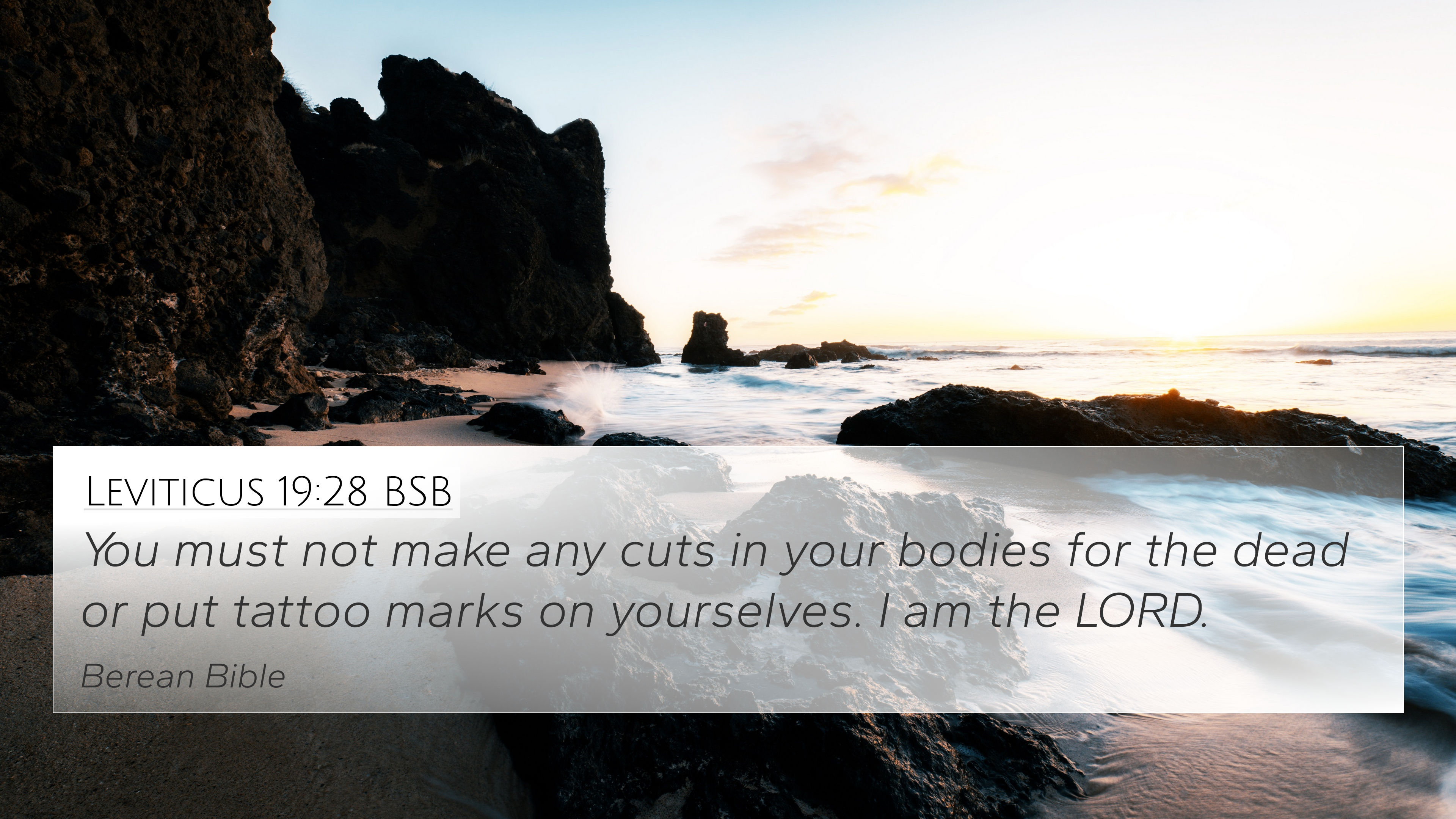
To understand the core insight of Leviticus 19:28, scholars must analyze the exact Hebrew terminology employed in the Torah. The verse is traditionally translated in English Bibles along the lines of, "You shall not make any cuttings in your flesh for the dead, nor print any marks upon you: I am the Lord."
The original Hebrew phrasing presents specific linguistic challenges and rewards careful exegesis. Two distinct clauses comprise the commandment, each utilizing rare or unique vocabulary terms that shed light on the ancient Israelite worldview.
Examining Ketovet Ka'aka (כתובת קעקע)
The second half of the verse contains the Hebrew phrase ketovet ka'aka, which is universally translated into English as "tattoo" or "brand." However, a closer look at the etymology and rabbinic tradition reveals a more specific historical application.
- Ketovet (כתובת): Derived from the root katav (כ-ת-ב), meaning "to write" or "an inscription." It signifies something written, etched, or recorded on a surface.
- Ka'aka (קעקע): A hapax legomenon (a word that occurs only once in the entire Hebrew Bible), making its exact biblical definition difficult to derive solely from internal biblical context. Later Rabbinic Hebrew and Talmudic literature (such as Makkot 21a) define it as a process involving puncturing the skin and inserting pigment—essentially the ancient equivalent of tattooing.
Ancient Near Eastern parallels indicate that such inscriptions often denoted servitude to a specific deity or loyalty to a tribal clan. By prohibiting ketovet ka'aka, the text forbids Israelites from permanently marking themselves with the insignia of foreign gods or pagan cultic associations.
Understanding Sarot LaNefesh (שרת לנפש)
The first half of the verse commands, "You shall not make any cuttings in your flesh for the dead (la-met), nor print any marks upon you..." The Hebrew phrase often associated with mourning practices is sarot la-nefesh.
- Sarot (שרת): From the root s-r-r or g-r-d, meaning to slash, cut, or lacerate.
- Nefesh (נפש): While modern readers often translate nefesh as "soul," in ancient biblical Hebrew it frequently refers to the physical life, a person, or in this specific context, a deceased individual (a corpse).
Thus, the text prohibits self-laceration as an expression of grief over the dead. Archaeological evidence from Canaanite, Phoenician, and Egyptian cultures demonstrates that mourners regularly slashed their arms, chests, and faces to appease netherworld deities, express extreme devotion, or comfort the departed spirit.
Historical and Cultural Context: The Ancient Near Eastern Backdrop
Ancient Israel did not exist in a vacuum. The legal and ritual codes of the Torah were formulated in deliberate contrast to the religious and social norms of neighboring populations, including the Egyptians, Canaanites, Babylonians, and Assyrians.
Mourning Rituals in the Ancient World
Laceration and branding were standard components of grief management and religious devotion throughout the ancient Near East. For example, during annual lamentation rituals for deities such as Baal, Tammuz, or Osiris, worshippers engaged in ritual self-harm to demonstrate solidarity with the dying and rising god.
The prohibitions in Leviticus 19 are part of the Holiness Code (Leviticus 17–26), a section designed to elevate the moral, ethical, and ritual standards of the Israelite community. By banning self-laceration for the dead, the Torah rejects the fatalistic and chaotic grief practices of surrounding nations, directing Israelites to mourn with dignity without engaging in self-destructive pagan rites.
Identity Markers and Cultic Branding
In the ancient world, bodily modification served as an identity passport. Slaves were routinely branded with the mark of their master to signify ownership. Similarly, temple prostitutes and zealous devotees bore the tattoo (ketovet ka'aka) of their respective deities.
The primary insight of Leviticus 19:28 in Hebrew is therefore deeply theological: The Israelite body belongs exclusively to Yahweh. Marking the flesh with foreign symbols or dedicating one's physical form to grief over the dead compromised the ontological status of the covenant people, who were called to be a goy kadosh (a holy nation).
Comparative Analysis of Translations and Interpretations
Translating ancient Hebrew legal texts into modern languages involves navigating significant cultural and semantic shifts. The table below compares how ancient and modern sources interpret the key elements of Leviticus 19:28.
| Source / Translation | Hebrew Term Used | Traditional English Rendering | Primary Cultural Context |
|---|---|---|---|
| Masoretic Text (Hebrew) | Sarot la-nefesh / Ketovet ka'aka | Cutting for the dead / Imprinted mark | Ancient Near Eastern mourning and cultic branding |
| Septuagint (Greek) | Entomas / Stigmata | Slashings / Brand marks | Hellenistic rejection of pagan body mutilation |
| King James Version (1611) | Cuttings / Print any marks | Flesh cuttings for the dead / Marks | Early modern Christian theological reception |
| Rabbinic Halakha (Talmud) | Kesuvat Ka'aka | Puncturing and ink insertion | Binding legal restriction within Jewish law |
The Legal and Theological Scope within Biblical Law
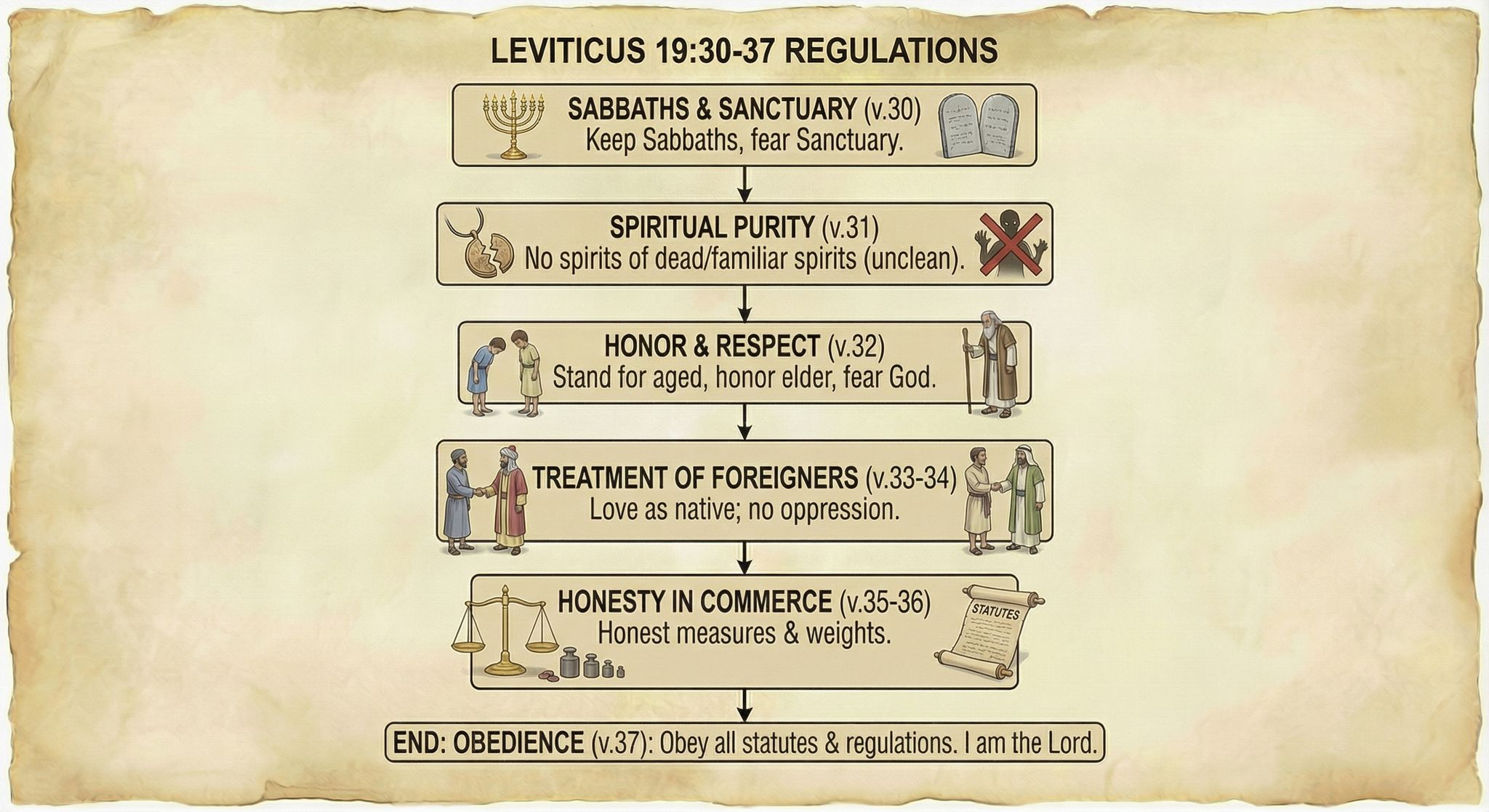
To view Leviticus 19:28 strictly as an isolated commandment is to miss its structural integration into the broader biblical legal framework. The verse sits within a dense cluster of ethical and ritual mandates concerning societal holiness, agricultural practices, and interpersonal relations.
The Anchor Phrase: "I am the Lord" (Ani YHWH)
A vital element of Leviticus 19 is the recurring refrain, "I am the Lord" (אני יהוה). This phrase serves as the divine warrant behind the prohibition. It transitions the command from a mere cultural taboo to an absolute moral obligation. Because Yahweh brought the Israelites out of Egypt and established a covenant with them, their bodies, actions, and social expressions must reflect that divine liberation rather than foreign subjugation.
Rabbinic Interpretation and Halakhic Boundaries
In classical Jewish law (Halakha), the prohibition of Leviticus 19:28 is strictly defined. According to the Talmud (Makkot 21a), a transgression of ketovet ka'aka requires two distinct actions:
- Puncturing or breaking the skin.
- Inserting indelible ink or pigment into the wound.
Consequently, temporary body art (such as henna or modern stickers) does not violate the halakhic standard. Furthermore, surgical procedures, medical incisions, and therapeutic interventions are entirely permitted and even mandated under the overarching principle of pikuach nefesh (the preservation of human life), which supersedes ritual restrictions.
Modern Relevance and Application
As contemporary attitudes toward body modification have shifted dramatically, theologians, historians, and observant believers continue to grapple with the modern implications of Leviticus 19:28.
Navigating Modern Contexts
Modern tattooing is rarely associated with ancient Canaanite mourning rites, pagan deity branding, or ritual self-laceration. For many individuals today, tattoos serve as expressions of personal art, memorialization of loved ones, or statements of cultural identity.
However, faith communities approach the text through diverse lenses:
- Traditional / Orthodox Communities: Maintain the literal application of the halakhic prohibition, viewing permanent tattoos as a violation of biblical law and traditional Jewish bodily stewardship (the concept that the body is a loaned asset from God).
- Progressive and Contextual Scholars: Emphasize the historical-critical method, arguing that the commandment was specifically targeted at ancient Canaanite mourning practices and pagan servitude, rendering the literal ban distinct from modern artistic expression.
Frequently Asked Questions
Does Leviticus 19:28 forbid all modern tattoos?
From a strict historical-grammatical perspective, the verse targets specific ancient practices: ritual self-laceration during mourning and pagan cultic branding. However, traditional Jewish legal interpretation (Halakha) has historically generalized ketovet ka'aka to prohibit all voluntary, permanent ink-based tattoos, regardless of the wearer's intent.
What does the Hebrew word nefesh mean in this verse?
While nefesh is often translated as "soul" in modern theological discussions, in Biblical Hebrew it frequently carries physical and biological connotations. In Leviticus 19:28, la-nefesh refers explicitly to a deceased person or a corpse, supporting the context of mourning rituals.
Why is the phrase "I am the Lord" attached to this command?
The concluding formula "I am the Lord" (Ani YHWH) serves as the theological anchor for the entire Holiness Code. It reminds the Israelites that their bodies are consecrated to God, distinguishing them from surrounding cultures that marked their flesh in service to pagan deities.
Are medical procedures or surgeries prohibited by this verse?
No. Traditional Jewish law and biblical interpretation exempt medical interventions, surgeries, and life-saving procedures from this prohibition. The overarching biblical principle of preserving human life (pikuach nefesh) takes precedence over ritual purity laws.
Conclusion and Practical Next Actions
Examining Leviticus 19:28 in Hebrew transforms our understanding of the text from a generalized, decontextualized rule into a specific, historically grounded mandate against ancient pagan mourning rites and cultic branding. Recognizing the precise meanings of sarot la-nefesh and ketovet ka'aka allows scholars, students, and believers to appreciate the deep literary and theological texture of the Torah.
When studying biblical passages, readers should prioritize consulting interlinear Hebrew texts, historical commentaries, and archaeological context to uncover the original authorial intent before applying ancient statutes to modern cultural practices.