Finding the single best shave gel for ingrown hairs requires focusing on products that combine rich lubrication, anti-inflammatory agents, and gentle exfoliating acids like salicylic or glycolic acid to keep hair follicles clear and skin smooth.
Understanding the Root Cause of Ingrown Hairs and Razor Burn
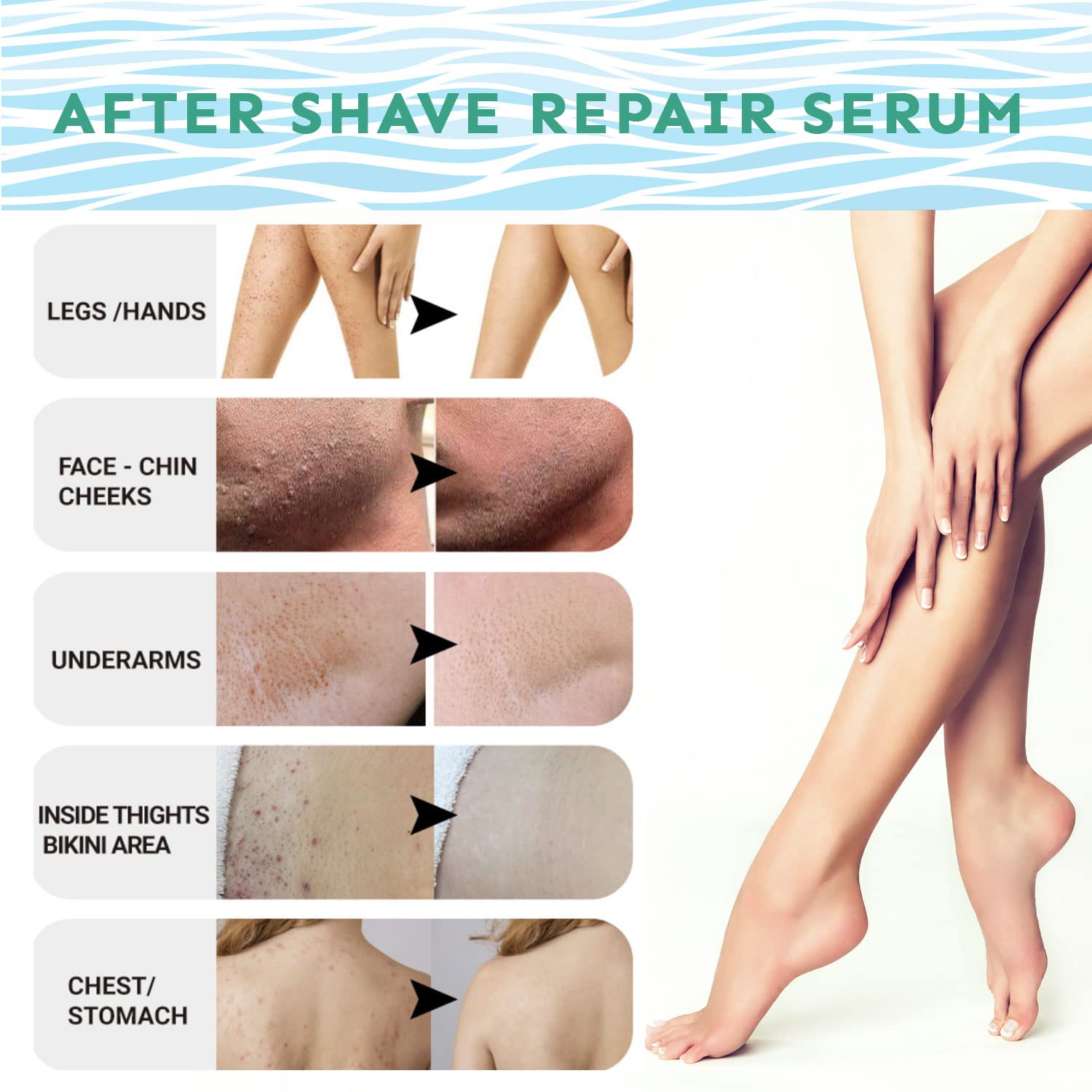
Ingrown hairs—clinically known as pseudofolliculitis barbae or simply razor bumps—occur when shaved hair curls back or grows sideways into the skin instead of rising straight out of the pore. This foreign body reaction triggers localized inflammation, redness, and sometimes painful pustules. While curly, coarse hair types are particularly susceptible to this condition, anyone who shaves can experience ingrown hairs if their preparation, technique, and product selection are flawed.
The shaving process itself is inherently aggressive. As the razor blade glides across the skin’s surface, it performs a dual action: it shears the hair shaft and often takes a microscopic slice out of the topmost layer of the epidermis. If the skin lacks proper hydration and lubrication, the blade tugs and pulls the hair rather than slicing it cleanly. This leaves behind jagged, sharply angled hair tips that easily pierce the surrounding tissue as they begin to regrow.
Furthermore, dry or unlubricated shaving causes micro-abrasions, prompting the body to mount an inflammatory response. The resulting swelling around the hair follicle effectively narrows the pore opening, trapping the emerging hair inside. To break this cycle, you must shift your focus from treating ingrown hairs after they form to preventing them during the prep and shave stages. This requires a specialized shave gel engineered to soften stubborn whiskers, lift hair strands, and gently dissolve dead skin cells that block pore exits.
Key Criteria for Selecting a Specialized Shave Gel
Not all shaving products are created equal. Traditional canned foams and cheap gels are often packed with drying alcohols, synthetic fragrances, and heavy soaps that strip the skin's natural moisture barrier, aggravating inflammation. When shopping for the absolute best shave gel to combat ingrown hairs, you need to evaluate formulations based on specific performance criteria.
Chemical Exfoliation Integration
The presence of alpha-hydroxy acids (AHAs) like glycolic or lactic acid, or beta-hydroxy acids (BHAs) like salicylic acid, is a hallmark of a high-performance anti-ingrown shave gel. Salicylic acid is oil-soluble, meaning it can penetrate deep inside the pore lining to dissolve sebum, dirt, and cellular debris that trap growing hairs. Glycolic acid works on the skin's surface to slough away dead skin cells, ensuring a flat, unobstructed exit path for the hair.
Friction Reduction and Glide
A superior shave gel must create a dense, slick, cushioning barrier between the multi-blade razor and your skin. Look for ingredients like glycerin, aloe vera, and natural plant oils (such as jojoba or argan) that provide exceptional glide without leaving a greasy, pore-clogging film. This eliminates drag, reducing the likelihood of skin nicking and razor burn.
Anti-Inflammatory and Calming Agents
Shaving-induced irritation requires immediate soothing agents to calm redness and swelling. Effective formulas incorporate botanical extracts like chamomile, green tea, allantoin, and tea tree oil. Tea tree oil, in particular, offers natural antimicrobial properties that help prevent secondary bacterial infections within irritated hair follicles.
Evaluating Top Contenders: The Contender Formulations
To determine the single most effective product, we must analyze the market leaders that specifically address ingrown hairs through targeted chemical compositions and dermatological testing.
| Product Name | Primary Active Ingredients | Best Suited For | Key Limitation |
|---|---|---|---|
| Jack Black Beard Lube | Macadamia Nut Oil, Jojoba Oil, Peppermint | Sensitive skin, multi-purpose use | Lacks chemical exfoliants (AHAs/BHAs) |
| Art of Shaving Shaving Cream | Glycerin, Coconut Acid, Essential Oils | Heavy, coarse beard types | Requires a shaving brush for optimal lather |
| Bump Patrol Cool Shave Gel | Salicylic Acid, Aloe Vera, Menthol | Severe ingrown hairs and razor bumps | Strong fragrance and menthol sensation |
| King C. Gillette Transparent Shave Gel | White Tea Extract, Glycerin, Argan Oil | Precise edging and clear visibility | Minimal treatment agents for existing bumps |
Among these, formulations featuring targeted chemical exfoliants paired with intensive moisturizers stand out. However, when evaluating the ultimate solution for preventing ingrown hairs specifically, products that incorporate Salicylic Acid into a clear, non-foaming gel base rise to the top. The clear formulation allows you to see exactly where you are edging or shaving, preventing accidental over-shaving in sensitive areas, while the salicylic acid works continuously to keep follicles clear.
The Overall Winner: Bump Patrol Cool Shave Gel and Advanced BHA Formulas
Based on targeted performance against trapped hairs, Bump Patrol Cool Shave Gel (and structurally similar BHA-infused clear gels) earns the designation as the top choice for individuals battling persistent ingrown hairs.
Why It Works
The inclusion of salicylic acid is the decisive factor. While traditional gels only cushion the blade, a BHA-infused gel actively treats the skin environment during the shave. As the razor glides across the face, neck, head, or bikini line, the salicylic acid penetrates the follicle walls to dissolve the keratin plugs and sebum blocks that cause hairs to curl inward.
Texture and Visibility
Unlike traditional aerosol foams that puff up and obscure your line of sight, a specialized gel maintains a transparent or translucent layer. This visibility is vital for precision shaving around the jawline, neck, and sensitive body contours. By seeing the exact path of the blade, you can avoid passing over the same patch of skin multiple times—a primary cause of razor burn and micro-trauma.
Hydration Balance
While active acne and ingrown treatments can often over-dry the skin, this formulation balances the exfoliating acids with high concentrations of aloe vera and glycerin. These humectants draw moisture into the skin barrier, keeping it supple so that hair shafts can push through easily upon regrowth.
Step-by-Step Shaving Routine to Eliminate Ingrown Hairs
Even the finest shave gel will underperform if applied incorrectly. Maximizing the efficacy of your anti-ingrown shave gel requires a disciplined, multi-step routine.
1. Pre-Shave Cleansing and Softening
Never shave dry or unwashed skin. Wash the area with a gentle, non-stripping cleanser using warm water. The warmth opens the pores, softens the keratin protein in the hair shafts, and washes away surface bacteria that can infect shaved follicles. For stubborn ingrown hairs, consider applying a warm, damp towel to the area for two to three minutes prior to lathering.
2. Strategic Gel Application
Dispense a quarter-sized amount of your specialized shave gel into your palms and massage it thoroughly into the skin using circular motions. This action lifts flat-lying hairs, ensuring they stand upright and ready for a clean slice. Let the gel sit on the skin for 60 to 90 seconds before bringing the razor to your face or body. This dwell time allows the active soothing and exfoliating ingredients to penetrate the pore matrix.
3. Shaving Technique Optimization
- Follow the Grain: Always shave in the direction of hair growth on your first pass. While shaving against the grain yields a closer shave, it significantly increases the risk of the hair retracting beneath the skin surface and turning into an ingrown hair.
- Maintain Sharp Blades: Dull razor blades bend, tug, and slice hairs unevenly, creating jagged edges. Replace your multi-blade cartridge or safety razor blade every 5 to 7 shaves.
- Light Pressure: Let the weight of the razor do the work. Pressing down flattens the skin and encourages the blade to cut hair below the surface level.
4. Post-Shave Care and Hydration
Rinse the shaved area thoroughly with cool water to close the pores and calm the skin. Pat the skin dry with a clean towel—never rub. Follow up with an alcohol-free, soothing aftershave balm or a dedicated ingrown hair serum containing glycolic or salicylic acid to maintain clear pores during the crucial 48-hour regrowth window.
Common Mistakes That Worsen Ingrown Hairs
Avoiding counterproductive habits is just as important as choosing the right product. Many grooming routines inadvertently sabotage skin health.
- Dry Shaving or Using Soap Bars: Standard bath soap strips natural oils and creates high friction, while dry shaving acts like sandpaper on the epidermis. Always use a dedicated lubricating gel.
- Over-Stretching the Skin: Pulling or tautening the skin while passing the razor causes the hair to snap back below the skin line once released, guaranteeing an ingrown hair upon regrowth.
- Picking and Poaching: Never pick at existing ingrown hairs with tweezers, pins, or fingernails. This introduces bacteria, causes scarring, and worsens localized inflammation. Instead, use chemical exfoliation to coax the trapped hair to the surface naturally.
Troubleshooting Persistent Ingrown Hairs
If you have upgraded your shave gel and optimized your technique but still experience chronic bumps, you may be dealing with deeper follicular issues.
- Evaluate Your Tooling: If you use a multi-blade razor (4 or 5 blades), the first blade pulls the hair up while subsequent blades slice it below skin level. Switching to a single-blade safety razor often resolves chronic ingrown hair problems overnight.
- Incorporate Rest Days: Give your skin a break from shaving every few days. Shaving compromised, inflamed skin continuously prevents the epidermal barrier from healing.
- Dermatological Consultation: If persistent pustules, cysts, or scarring occur, consult a board-certified dermatologist. You may require prescription topical retinoids, antibiotic washes, or professional treatments such as laser hair removal to permanently eliminate the cycle of ingrown hairs.
Conclusion and Final Recommendation
Achieving a smooth, bump-free shave is entirely possible when you stop treating shaving as a chore and treat it as a skin-care routine. The single best shave gel for ingrown hairs is one that pairs deep, friction-reducing lubrication with active chemical exfoliants like salicylic acid, all while maintaining a transparent consistency for precise control. By integrating a BHA-infused clear gel with proper pre-shave preparation, grain-following technique, and disciplined post-shave care, you can eliminate razor bumps and maintain clear, healthy skin.