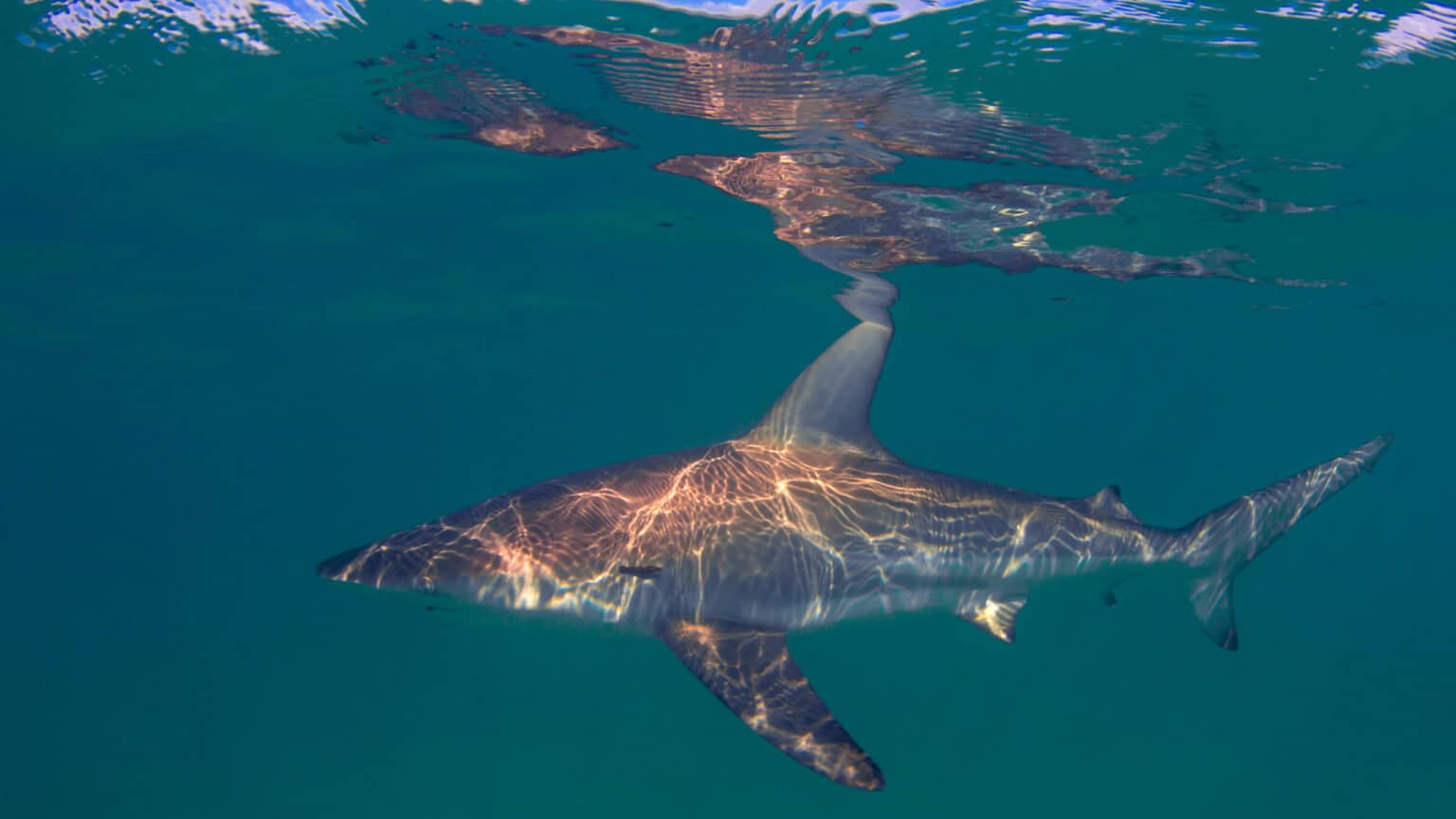
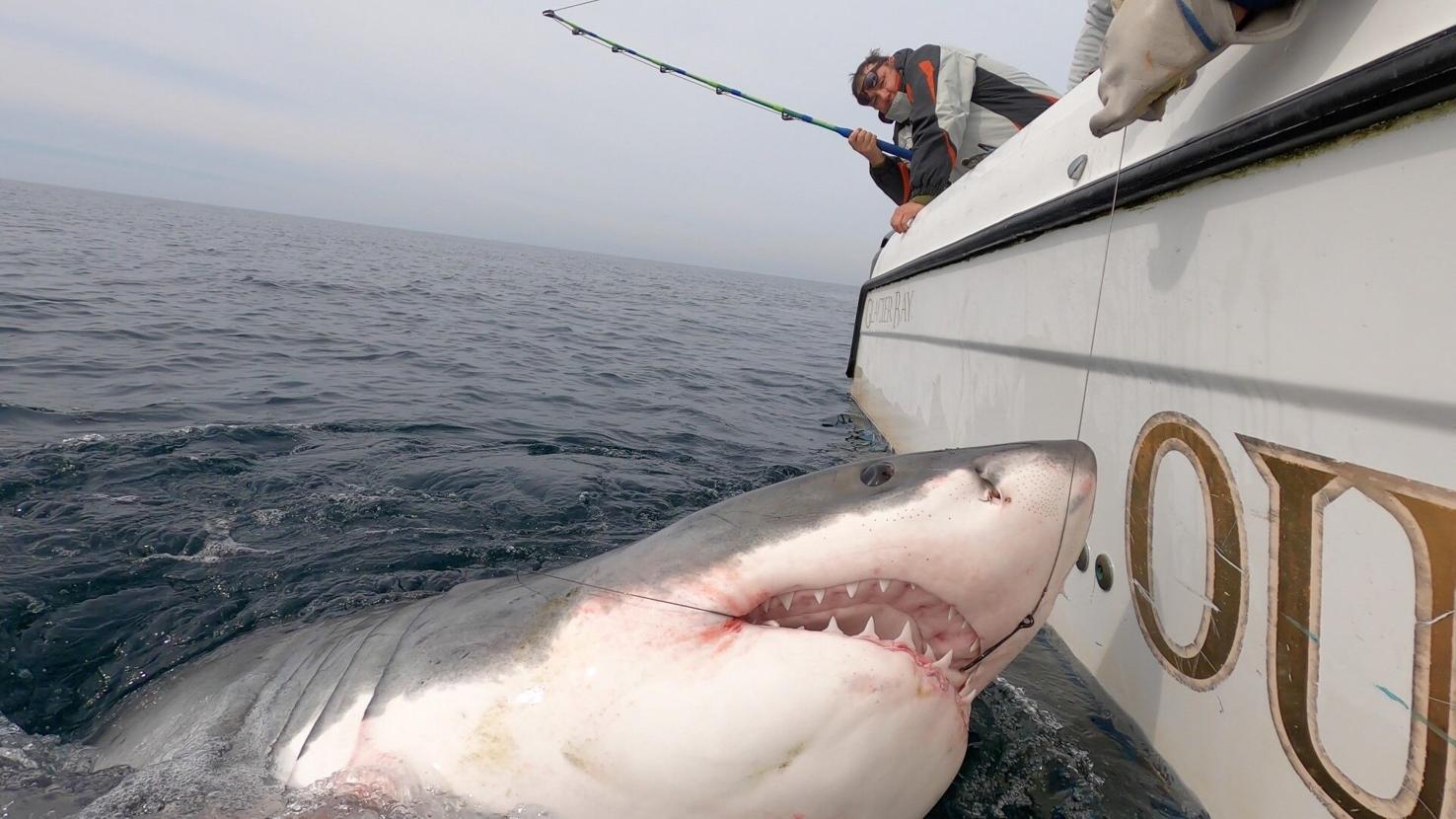
Hilton Head Island is home to a diverse marine ecosystem, and yes, sharks do inhabit the coastal waters, tidal creeks, and surrounding Atlantic Ocean. Because sharks are a natural part of the local marine habitat, beachgoers, swimmers, and anglers frequently encounter them or wonder about their presence during vacations along the South Carolina coast.
The Reality of Marine Life in Hilton Head Waters
When people plan a trip to South Carolina’s Lowcountry, questions about marine predators inevitably arise. The short answer is affirmative: sharks live in the waters surrounding Hilton Head Island. However, understanding their behavior, the species present, and the actual risk they pose helps separate sensationalism from reality.
The waters off Hilton Head are part of a rich, dynamic ecosystem that includes the Atlantic Ocean, Port Royal Sound, Calibogue Sound, and an extensive network of salt marshes and tidal creeks. These environments provide abundant food sources, including schooling fish, crustaceans, and rays, making the area an ideal habitat for multiple shark species year-round or seasonally.
Despite their presence, unprovoked shark attacks in Hilton Head are exceptionally rare. Sharks are generally apex predators that prefer to avoid humans. Most interactions occur when humans inadvertently venture into feeding zones, swim during peak feeding times (such as dawn and dusk), or fish in areas where bait attracts marine life close to the shore.
Common Shark Species Found Near Hilton Head Island
Marine biologists and researchers from organizations like the South Carolina Department of Natural Resources (SCDNR) and OCEARCH track various shark species along the Atlantic seaboard. While dozens of species can pass through the region, several are commonly identified in the local waters:
- Atlantic Sharpnose Shark: One of the most abundant small coastal sharks in the region. They rarely exceed three to four feet in length and pose virtually no threat to humans.
- Blacktip Shark: Easily recognized by the distinct black markings on their fins, blacktips are fast-swimming coastal predators. They occasionally frequent the surf zone, particularly during seasonal migrations, but prefer fish over humans.
- Bonnethead Shark: A smaller member of the hammerhead family characterized by a spade-shaped head. They primarily feed on crabs and shrimp in shallow estuaries and tidal creeks.
- Spinner Shark: Known for their acrobatic leaps out of the water when hunting schools of fish, spinner sharks frequent offshore and nearshore waters.
- Sandbar Shark: Frequently found in the shallow coastal waters and bays around Hilton Head, sandbar sharks can grow quite large but are generally docile.
- Bull Shark: Capable of entering low-salinity and freshwater environments, bull sharks inhabit local sounds, rivers, and coastal shallows. Known for their robust build and unpredictable temperament, they require heightened caution.
- Tiger Shark: Large apex predators that occasionally travel through deeper offshore waters near the island, though sightings close to popular public beaches are rare.
Understanding Shark Behavior and Habitat Patterns
To stay safe and appreciate the marine environment, it helps to understand where sharks go and why. Hilton Head’s geography—featuring extensive marshes, inlets, and tidal shifts—creates a natural nursery for many marine species.
Seasonal Migrations
Shark populations in Hilton Head fluctuate significantly throughout the year. During late spring and summer, warmer water temperatures draw many species closer to the shore and into shallow sounds to breed, feed, and nurse their young. As water temperatures drop in the late autumn and winter, most migratory sharks move further south or into deeper offshore waters where temperatures remain stable.
Tidal Movements and Feeding Zones
Tides heavily influence marine activity in the Lowcountry. During incoming and outgoing tides, water rushes through the sounds and tidal creeks, stirring up nutrients and drawing baitfish. Sharks often utilize these tidal currents to hunt. Consequently, swimming or wading in swift tidal channels, inlets, or murky creek mouths during active tide changes increases the likelihood of sharing the water with marine wildlife.
Shark Species Comparison in Lowcountry Waters
The following table outlines the characteristics, typical sizes, and general disposition of the shark species most frequently encountered or documented in the waters surrounding Hilton Head Island.
| Species Name | Average Adult Length | Typical Habitat | Disposition Toward Humans |
|---|---|---|---|
| Atlantic Sharpnose | 2 to 3 feet | Shallow coastal waters, bays, estuaries | Timid; poses negligible risk |
| Bonnethead Shark | 2 to 4 feet | Shallow flats, tidal creeks, seagrass beds | Harmless; feeds primarily on crustaceans |
| Blacktip Shark | 4 to 6 feet | Surf zone, nearshore sandbars, bays | Skittish; minor risk if provoked or near bait |
| Bull Shark | 7 to 11 feet | Estuaries, shallow marine waters, rivers | Potentially dangerous; powerful and opportunistic |
| Sandbar Shark | 6 to 8 feet | Coastal bays, harbors, turbid shallow waters | Generally docile; avoids human contact |
| Tiger Shark | 10 to 14 feet | Deep offshore waters, occasional nearshore | Potentially hazardous; large apex predator |
Safety Guidelines for Swimming and Visiting Hilton Head Beaches
Millions of visitors enjoy Hilton Head’s 12 miles of pristine public beaches every year without incident. Following common-sense ocean safety guidelines drastically minimizes any risk associated with marine wildlife.
Best Practices for Beachgoers
- Swim Near Lifeguards: Hilton Head’s designated swimming areas are monitored by professional lifeguards who watch for marine hazards, rip currents, and large wildlife.
- Avoid Swimming at Dawn and Dusk: Many predatory marine species, including sharks, are crepuscular feeders, meaning they are most active during early morning and late evening hours.
- Stay Out of the Water with Schools of Fish: If you notice large numbers of splashing fish, diving seabirds, or dolphins feeding aggressively nearby, exit the water. Predators are likely hunting the same bait.
- Do Not Swim Near Fishermen: Surf fishing is popular on Hilton Head, but swimming near individuals casting lines or cleaning fish introduces blood and bait into the surf, which attracts sharks.
- Leave Jewelry Behind: Shiny objects reflect light in a way that can mimic the scales of injured fish, potentially attracting the attention of curious sharks in murky water.
- Avoid Murky Water: If visibility is low and you cannot see your feet in the water, it is best to remain ankle-deep or stay ashore, as sharks may mistake movement for prey in low-visibility conditions.
Frequently Asked Questions
Can you swim in the ocean at Hilton Head?
Yes, swimming is one of the primary activities on Hilton Head Island, and millions of people safely enjoy the Atlantic Ocean every year. While marine life like sharks, rays, and jellyfish inhabit the waters, dangerous encounters remain exceptionally rare when standard safety precautions are observed.
Are there shark attacks in Hilton Head?
Unprovoked shark attacks in Hilton Head are extremely rare. The South Carolina Department of Natural Resources tracks statewide incidents, and while encounters occur occasionally given the high volume of beachgoers and fishermen, serious injuries are statistically negligible compared to other coastal hazards like rip currents and heat exhaustion.
Are there sharks in Hilton Head lagoons and ponds?
Hilton Head features numerous brackish and freshwater lagoons throughout residential and resort properties. While most of these man-made or altered water bodies do not support permanent shark populations, bull sharks can occasionally enter tidal connections or brackish stormwater systems linked directly to coastal sounds or marshes. Swimming in resort lagoons is strictly prohibited for safety and ecological reasons.
What should I do if I see a shark while swimming?
If you spot a shark while in the ocean, remain calm and do not splash frantically. Slowly back away and exit the water without making sudden movements. Most sharks have no interest in humans and will swim away once they realize you are present. Alert a lifeguard or beach patrol immediately.
Are sharks protected in South Carolina?
Yes, multiple shark species are protected under state and federal regulations. The South Carolina Department of Natural Resources enforces strict bag limits, size restrictions, and seasonal closures for recreational and commercial shark fishing to maintain healthy marine populations.
Conclusion and Next Actions
Sharks are an integral, healthy component of Hilton Head Island's marine ecosystem. While they are present in the local Atlantic waters, sounds, and tidal creeks, the risk of a negative encounter is exceptionally low. By respecting local wildlife, swimming in designated areas during daylight hours, and avoiding feeding zones, visitors can safely enjoy everything the Lowcountry coastline has to offer. For up-to-date beach safety conditions, consult local town advisories or speak with beach patrol staff upon arrival.