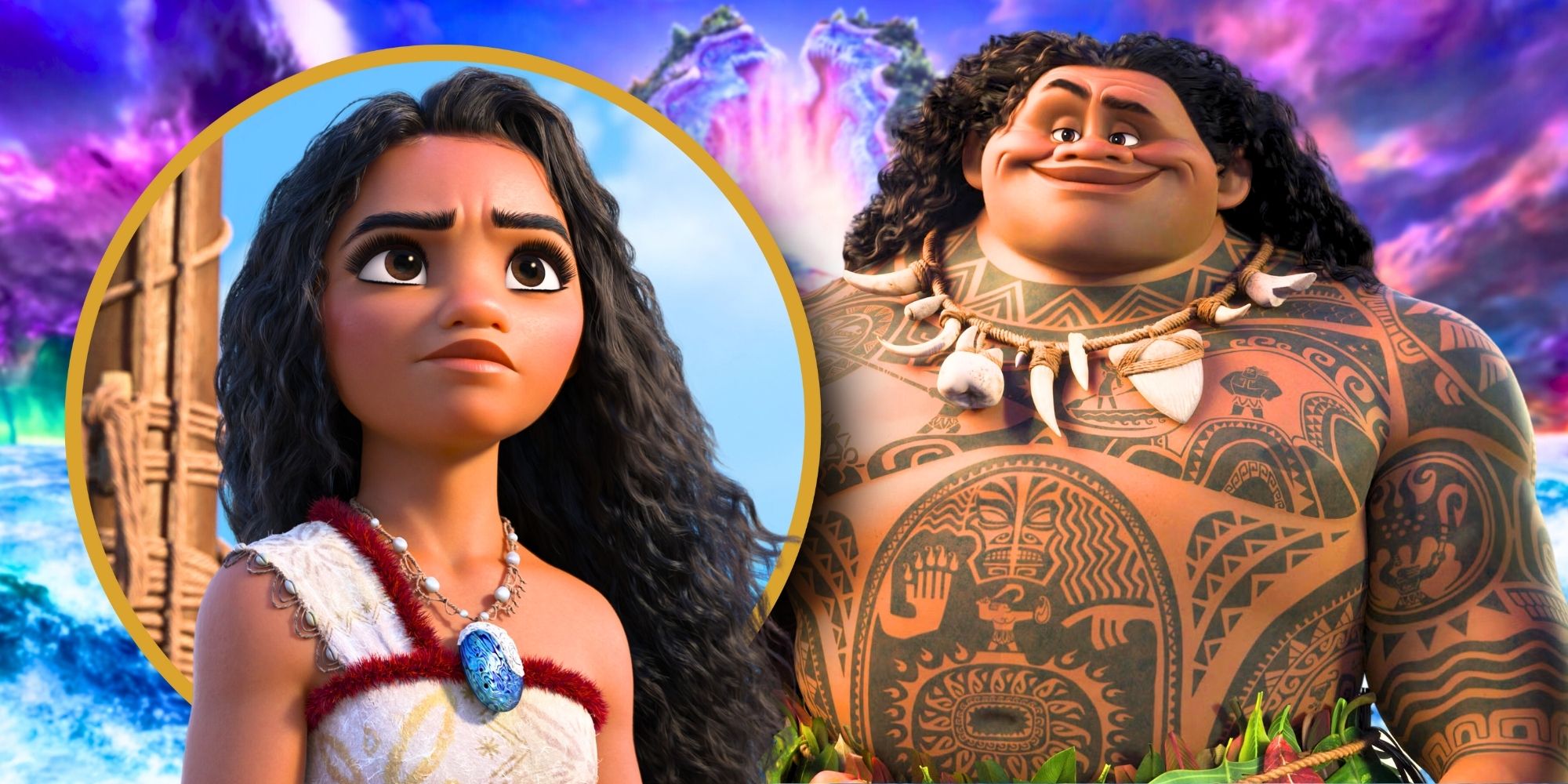
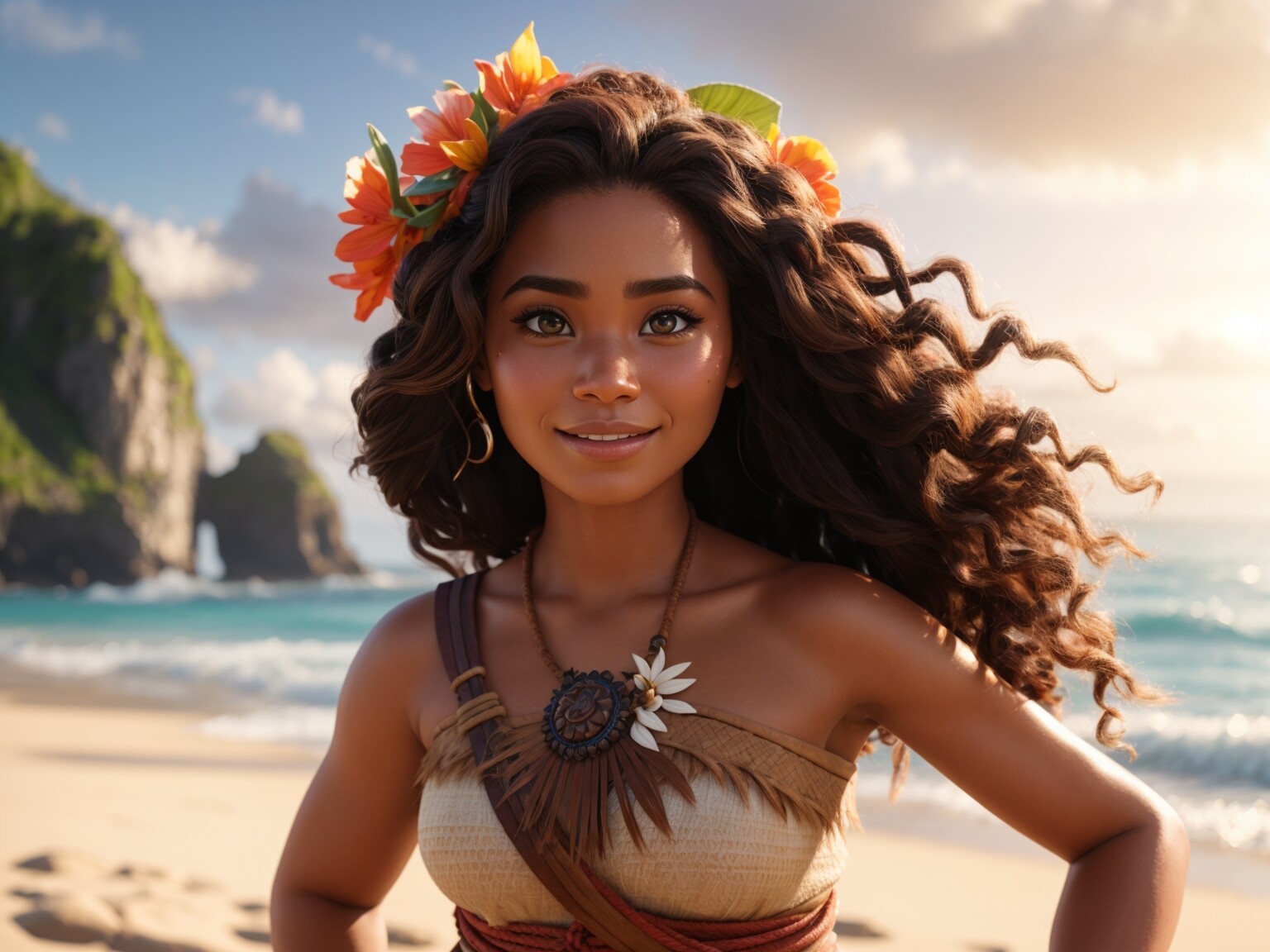
Walt Disney Pictures is actively developing a live-action feature-film adaptation of its 2016 animated hit Moana, bringing the sweeping Pacific navigational tale into the realm of live-action cinema. This upcoming project stands separate from Moana 2, the animated sequel released theatrically in November 2024, ensuring that audiences experience both a continuation of the animated storyline and a reimagined physical adaptation of the original cultural journey.
The intersection of modern cinematic technology, cultural authenticity, and major studio franchise planning has made the transition of animated properties into live-action adaptations a dominant trend in Hollywood. Among these, the live-action Moana holds a distinct place because of its deep ties to Pacific Islander culture, mythology, and geography. Understanding the scope, timeline, casting decisions, and production realities of this project requires looking closely at how Disney approaches modern adaptations of recent animated classics.
The Evolution of Disney Live-Action Remakes
For decades, Walt Disney Studios focused its live-action adaptation strategy primarily on hand-drawn animated classics from the mid-to-late 20th century. Titles like Cinderella, Beauty and the Beast, Aladdin, and The Little Mermaid allowed the studio to reinterpret foundational fairy tales and musical milestones for contemporary audiences using computer-generated imagery (CGI), photorealistic effects, and live actors.
Transitioning a computer-animated film that is less than a decade old—such as the 2016 original Moana—into live-action represents a shift in strategy. Rather than waiting multiple generations to nostalgia-bait an older demographic, modern media conglomerates leverage recognizable, globally dominant intellectual properties while original voice cast members and creative teams remain culturally and professionally active. Dwayne Johnson, who voiced the demigod Maui in the 2016 film, serves as a primary producer and returns to play the character in live-action form, bridging the gap between the animated milestone and the physical adaptation.
Furthermore, this adaptation process involves navigating the fine line between frame-for-frame replication and creative reinvention. While films like The Lion King (2019) relied heavily on photorealistic digital animals, Moana features human protagonists, mythical monsters, and elemental spirits like the ocean itself. This requires a hybrid approach combining practical set design, location shooting across Pacific regions, and advanced visual effects to bring fantastical elements to life without losing the tactile, handmade feel of the original animated waves and island landscapes.
Official Announcement, Development Timeline, and Status
The live-action Moana was officially announced by Dwayne Johnson and Disney CEO Bob Iger in April 2023 during a Disney shareholders meeting. Since that initial reveal, the project has moved through various stages of pre-production, writing, and casting, though its timeline experienced adjustments due to industry-wide developments, including the 2023 Hollywood labor strikes.
| Project Phase | Status | Key Milestones and Details |
|---|---|---|
| Announcement | Completed | Revealed by Dwayne Johnson and Bob Iger in April 2023 via a video filmed in Hawaii. |
| Writing and Screenplay | Completed / Refining | Script penned by Jared Bush (co-writer of the 2016 animated film) and Dana Ledoux Miller. |
| Director Attachment | Confirmed | Thomas Kail, known for directing the filmed version of Hamilton and various Broadway productions, tapped to direct. |
| Casting | In Progress / Advanced | Catherine Lagaʻaia cast as Moana; Dwayne Johnson confirmed as Maui. |
| Principal Photography | Ongoing / Scheduled | Production schedules adjusted following the 2023 strike delays, targeting a theatrical release window. |
The involvement of original creative talent is a notable aspect of the production's development. Jared Bush, who co-wrote the original animated film and co-directed Encanto, returned to co-write the screenplay alongside Dana Ledoux Miller, a writer and producer with strong ties to Pacific storytelling. Thomas Kail’s direction brings theatrical staging sensibilities to a cinematic canvas, which aligns with the musical structure established by Lin-Manuel Miranda, Mark Mancina, and Opetaia Foaʻi in the 2016 film.
Casting the Lead Roles: Finding Moana and Maui
Casting the central role of Moana of Motunui required an extensive global search to find a newcomer who could embody the physical, emotional, and cultural demands of the character. In June 2024, Disney announced that 17-year-old Australian newcomer Catherine Lagaʻaia had won the role. Lagaʻaia, who hails from Western Samoa through her father's side, expressed deep personal connection to the heritage and geography represented in the film.
Dwayne Johnson’s attachment to the project was solidified from its inception. Not only is Johnson reprising his role as Maui, but his production company, Seven Bucks Productions, is actively involved in producing the film alongside FlynnPictureCo. and Walt Disney Pictures. Johnson’s connection to Pacific culture—specifically his Samoan heritage on his mother's side—has been a central talking point in marketing and promotional materials, emphasizing a commitment to authentic representation.
Other key roles, such as Chief Tui, Sina (Moana's parents), and Gramma Tala, require actors who can balance dramatic weight with musical performance. While the complete supporting ensemble is revealed incrementally as production proceeds, the core casting choices reflect an intentional effort to center actors of Polynesian descent, addressing historical criticisms of whitewashing or cultural homogenization in Hollywood productions depicting Pacific Islander societies.
Distinguishing the Live-Action Film from Moana 2
A common source of confusion among moviegoers is distinguishing between the live-action Moana remake and Moana 2. While both projects involve the same core intellectual property, they are entirely separate entities with distinct production formats, release schedules, and creative trajectories.
- Moana 2 (Animated Sequel): Originally conceived as a television series for Disney+, this project was redeveloped into a theatrical feature film. It was released in theaters in November 2024 by Walt Disney Animation Studios. It features the returning voice talents of Auliʻi Cravalho as Moana and Dwayne Johnson as Maui, following the characters on an expansive new navigational voyage across the ocean.
- Live-Action Moana: This is a live-action feature film adaptation of the original 2016 animated movie. It stars physical actors (with Catherine Lagaʻaia as Moana and Dwayne Johnson as Maui) and is handled by Walt Disney Pictures' live-action division rather than the animation studio.
Understanding this distinction helps clarify why audiences saw a new Moana film in theaters in late 2024 while production updates for the live-action version continue to unfold. The two projects exist in parallel, expanding the franchise across both animation and live-action cinematic mediums.
Cultural Representation, Authenticity, and Community Engagement
Adapting stories rooted in indigenous mythologies and living cultures presents significant responsibilities for major studios. Pacific Islander communities, historians, cultural practitioners, and navigators form an integral part of the advisory framework for the live-action Moana. During the production of the 2016 animated film, Disney established the Oceanic Story Trust—an advisory collective comprising cultural practitioners, anthropologists, linguists, tattoo artists, choreographers, and navigators from across Polynesia.
This collaborative approach continues for the live-action adaptation. Ensuring respectful depiction of voyaging traditions, navigation techniques, traditional tattooing (tatau), and sacred ancestral connections to the ocean requires continuous dialogue with communities across Samoa, Hawaii, New Zealand (Aotearoa), and other Pacific islands.
Navigating these cultural elements also involves balancing the fantastical nature of Disney's musical storytelling with the lived realities of Pacific heritage. While characters like Maui draw from rich pan-Polynesian mythological traditions, the narrative framework must respect the sacredness of these figures to modern indigenous populations while delivering an entertaining global blockbuster.
Music, Visual Effects, and Cinematic Execution
Music played a massive role in the success of the 2016 film, driven by catchy songs like "How Far I'll Go" and "You're Welcome." The live-action adaptation retains the musical DNA of the original while adapting it for a physical medium. Opetaia Foaʻi and Mark Mancina are involved in the musical landscape of the live-action film, building upon the sonic foundation that blended traditional Pacific chants with contemporary musical theater styling.
On the technical side, bringing the ocean to life as a sentient character in a live-action environment presents formidable challenges for visual effects artists. While computer-generated water has become standard in modern blockbusters—evident in films like Avatar: The Way of Water—integrating a character that interacts physically with live actors while retaining its watery, fluid form requires cutting-edge CGI and motion capture techniques. Additionally, practical water tanks, location shoots in tropical environments, and physical set construction for the fictional island of Motunui are utilized to ground the digital elements in a tangible, physical world.
Frequently Asked Questions
Is Auliʻi Cravalho playing live-action Moana?
No. Auliʻi Cravalho, who voiced Moana in the 2016 animated film and the 2024 animated sequel, chose not to reprise the physical role in the live-action adaptation. Instead, she serves as an executive producer on the live-action film to help pass the torch to a younger actress, while newcomer Catherine Lagaʻaia plays the live-action role. Cravalho continues her association with the character through voice performance in the animated projects.
Who is directing the live-action Moana?
Thomas Kail is directing the live-action adaptation. Kail is widely recognized for his extensive theater and film work, including directing the stage and filmed versions of Hamilton, as well as television projects like Grease: Live and Fosse/Verdon. His theatrical background brings a strong sense of musical staging and character-driven performance to the production.
Will the live-action movie follow the exact same plot as the 2016 film?
While the live-action film adapts the core narrative of Moana answering the call of the ocean to save her people and restore the heart of Te Fiti, adaptations typically include expanded character arcs, updated pacing, and new scenes designed to fit the live-action cinematic format. Producers have indicated that it honors the spirit and narrative arc of the original while exploring the world through a physical lens.
Where is the live-action Moana being filmed?
Principal photography and location work center around regions capable of authentically representing Pacific island environments, including Hawaii and locations that capture the tropical landscapes and oceanic vistas essential to the story of Polynesian navigation.
Does the live-action movie replace the animated original?
No. The live-action adaptation exists alongside the 2016 animated film and the animated sequel Moana 2. Both animated films remain available on home media and streaming platforms, offering distinct artistic styles compared to the upcoming live-action reimagining.
Summary and Next Actions
Walt Disney Pictures is actively producing a live-action version of Moana, anchored by Dwayne Johnson as Maui and newcomer Catherine Lagaʻaia in the title role. Distinct from the animated sequel Moana 2 released in late 2024, this live-action project combines physical production, advanced visual effects, and cultural consultation to translate the 2016 hit onto the live-action screen. For moviegoers tracking its progress, following official announcements from Walt Disney Studios and checking theatrical release updates provides the most accurate timeline as production moves toward completion.