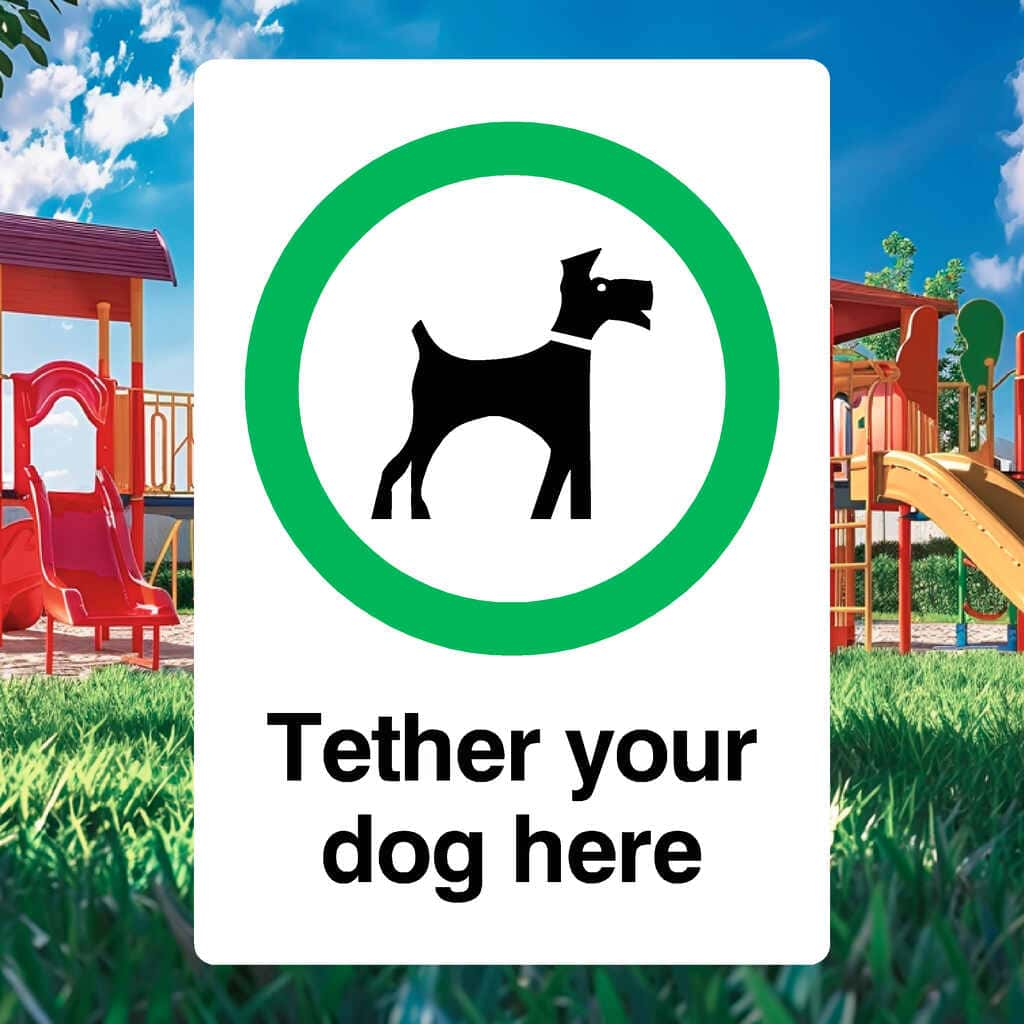
A sign for a dog serves two primary functions: communication and protection. Whether you are alerting visitors to a pet's presence on the property for safety, marking a designated relief area for training, or identifying a professional working dog, selecting the correct material, message, and placement is essential for ensuring your sign is both legally effective and clearly understood by others.
Understanding the Purpose and Legal Context of Dog Signs
Before purchasing or installing a sign, it is vital to distinguish between a "Beware of Dog" sign and other types of canine-related signage. In many jurisdictions, the phrasing of your sign carries legal weight. A "Beware of Dog" sign is often perceived as an admission that an owner is aware their dog possesses "vicious propensities." In some legal frameworks, this can work against an owner in a liability claim if an incident occurs, as it serves as evidence of prior knowledge regarding the animal's aggression.
Conversely, "Dog on Premises" or "Protected by Guard Dog" signs serve as neutral notifications. They inform delivery personnel, emergency responders, and visitors that a dog is present without necessarily implying the animal is dangerous. If your intent is to warn people to close a gate to prevent the dog from escaping, a sign stating "Please Close the Gate: Dog on Premises" is far more effective and less legally charged than a traditional warning sign.
Categories of Dog Signs and Their Use Cases
Dog signs generally fall into three categories: instructional, warning-based, and identification-focused. Identifying your primary need will dictate the size, material, and content of the sign you choose.
Instructional Signs
These signs are designed for practical management. Common examples include:
- "Please Close the Gate": Used primarily for home security and pet safety to prevent escapes.
- "Dog Relief Area": Used in apartment complexes, parks, or shared outdoor spaces to direct pets to specific zones, which helps in maintaining landscaping.
- "No Dogs Allowed": Used in sensitive areas, such as retail food environments or private garden beds.
Warning-Based Signs
These are meant to deter trespassers or manage expectations.
- "Caution: Dog on Property": A neutral notification that a dog is present.
- "Security Patrol Dog": Indicates a professional working animal, which is often legally distinct from a household pet in terms of local ordinances.
Identification Signs
- Service/Working Dog Patches: Attached to vests or harnesses. These serve as a clear signal that the dog is performing a specific task and should not be distracted by the public.
Material Selection for Durability and Visibility
Since most signs for dogs are placed outdoors, the material must withstand environmental stressors such as UV radiation, heavy rain, and extreme temperature fluctuations.
| Material | Durability | Best Use Case |
|---|---|---|
| Aluminum | High | Permanent outdoor mounting; rust-resistant. |
| Plastic/PVC | Moderate | Temporary or light-duty indoor/outdoor usage. |
| Vinyl Decal | Low | Application on smooth surfaces like glass or metal gates. |
| Cast Iron | Very High | Aesthetic, long-term mounting on heavy wooden or metal fences. |
When selecting a material, consider the surface to which it will be attached. Aluminum signs often require drilling and screws, which can compromise the integrity of a wooden gate over time. If you prefer to avoid drilling, look for signs with adhesive backings or mounting brackets that wrap around fence pickets.
Strategic Placement for Maximum Effectiveness
A sign is only as effective as its visibility. Placement should be governed by the "Line of Sight" principle.
Height and Eye Level
For human visitors, signs should be placed between 4.5 and 5.5 feet from the ground. Mounting a sign too low (near the bottom of a gate) or too high (above the top of a fence) reduces the likelihood that a delivery driver or utility worker will notice it before interacting with the entrance.
Entrance Points
The most critical location for a "Dog on Premises" or "Close the Gate" sign is at the main point of entry. If you have a side gate, the sign must be placed there as well, as this is where utility workers are most likely to enter if the front door is inaccessible.
Lighting Conditions
In 2026, many homeowners are opting for reflective materials for their property signage. Reflective aluminum or high-intensity vinyl ensures that a dog sign is visible to emergency responders or visitors during nighttime hours, provided there is any ambient light from streetlamps or vehicle headlights.
Factors in Customization and Professional Design
While generic store-bought signs are often sufficient, custom signs allow for more precise communication. If your dog has specific requirements, such as a extreme sensitivity to noise or a tendency to jump, a sign that reads "Please Do Not Knock: Dog Inside" is significantly more effective than a generic warning.
When designing a custom sign, prioritize contrast. Black lettering on a yellow or white background remains the industry standard for readability. Avoid complex fonts that are difficult to read from a distance. The goal is for a person to absorb the message within two seconds of approaching your property.
Managing Liability and Safety Requirements
In many local jurisdictions, there are specific ordinances regarding what a dog owner must display if they keep an animal that has been designated as "dangerous" by the state or city. In these cases, the law often dictates the size of the lettering, the color of the sign, and the exact verbiage required. Always consult your municipal code or local animal control website before installing a sign to ensure you are meeting your legal obligations.
If you are a renter, check your lease agreement. Some landlords have specific requirements for signage on property gates to ensure uniform aesthetics for the neighborhood or apartment community. Unauthorized signage can occasionally lead to fines or requests for removal.
Troubleshooting Common Signage Issues
If you find that people are still leaving gates open despite your signage, the issue may be the sign’s design rather than the human behavior.
- Poor Contrast: If the sign is faded, replace it. A sign with low contrast is effectively invisible to a distracted visitor.
- Ambiguity: If your sign says "Beware of Dog," it tells people the dog is there, but it does not tell them what to do. If the goal is safety, change the sign to "Close the Gate Immediately After Entering."
- Obstructions: Ensure that tree branches, overgrown hedges, or porch decorations are not obscuring the sign from the street. Perform a "walk-up test" once per season to verify that the sign remains visible from the perspective of a newcomer.
Expert Guidance: The "Three-Step" Strategy
To optimize your property for dog safety, follow these three steps:
- Assess the approach: Approach your home as a stranger would. Is the sign the first thing you see when reaching for the latch or doorbell?
- Standardize: Use a uniform color and font style if you have multiple signs. This creates a professional look that signals to the public that the information provided is official and important.
- Maintain: Inspect signage annually for hardware loosening or material degradation.
By selecting the right, clearly visible, and well-positioned sign, you create a safer environment for both your dog and your visitors. When you clearly define the interaction expected—whether it is keeping a gate shut or simply being aware of an animal's presence—you reduce the risk of incidents and ensure that your home remains a controlled, safe environment for your pet.
Frequently Asked Questions
Do I need a "Beware of Dog" sign for insurance purposes?
Some homeowner insurance policies may suggest or require a sign if a specific dog breed is considered "high risk" by the insurer. However, you should check your specific policy wording, as some insurers prefer simple notification signs rather than "Beware of Dog" labels due to the liability concerns mentioned earlier.
Can a sign replace a secure physical fence?
No. A sign is a communication tool, not a physical barrier. A sign does not stop a dog from escaping or an intruder from entering. It should always be used as a supplement to high-quality, properly maintained fencing and gate latches.
What is the best color for a dog sign?
Yellow and black is the most effective color combination for high-visibility warning signs, as it is processed quickly by the human brain as a caution signal. White and red or white and blue are also effective for instruction and property identification.
Should I put a "Dog on Premises" sign in my window?
If you have a home alarm system or a "Knox Box" (a secure emergency access box for fire departments), a decal in a window near the front door is highly recommended. It alerts emergency responders to the presence of a pet, which can influence their search and rescue priorities during an emergency.
How often should I replace my dog signs?
Depending on the material, an aluminum sign typically lasts 5–7 years before significant fading occurs. Plastic signs may require replacement every 2–3 years due to brittleness caused by UV exposure. Replace any sign that has developed cracks, deep scratches, or significant fading that makes the text difficult to read from the street.
Is it legally required to have a sign if I own a dog?
In most places, there is no blanket law requiring a sign for owning a dog. However, if your dog has a history of biting or has been declared dangerous by local authorities, most jurisdictions will mandate the installation of a specific, government-compliant warning sign on your property. Always check local city ordinances.
Recommendation for Next Action
For the most reliable property management, start by auditing your current gate security. If your primary goal is to prevent escapes, replace or install a high-contrast, metal "Please Close the Gate" sign at every entry point. Ensure it is mounted at eye level. If you are concerned about liability, consult with your insurance agent to see if they prefer specific language for property signage to ensure you remain fully compliant with your coverage terms.