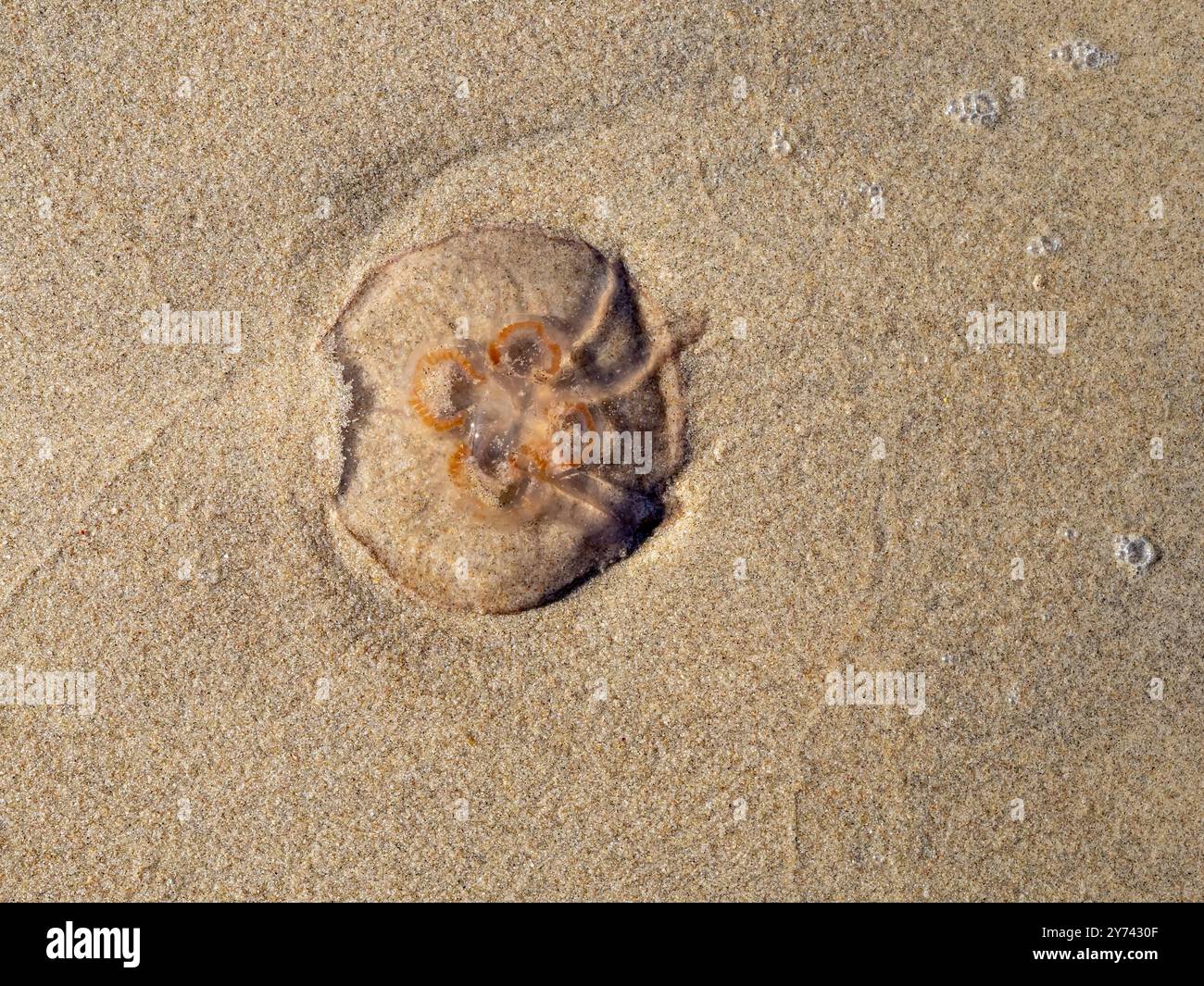
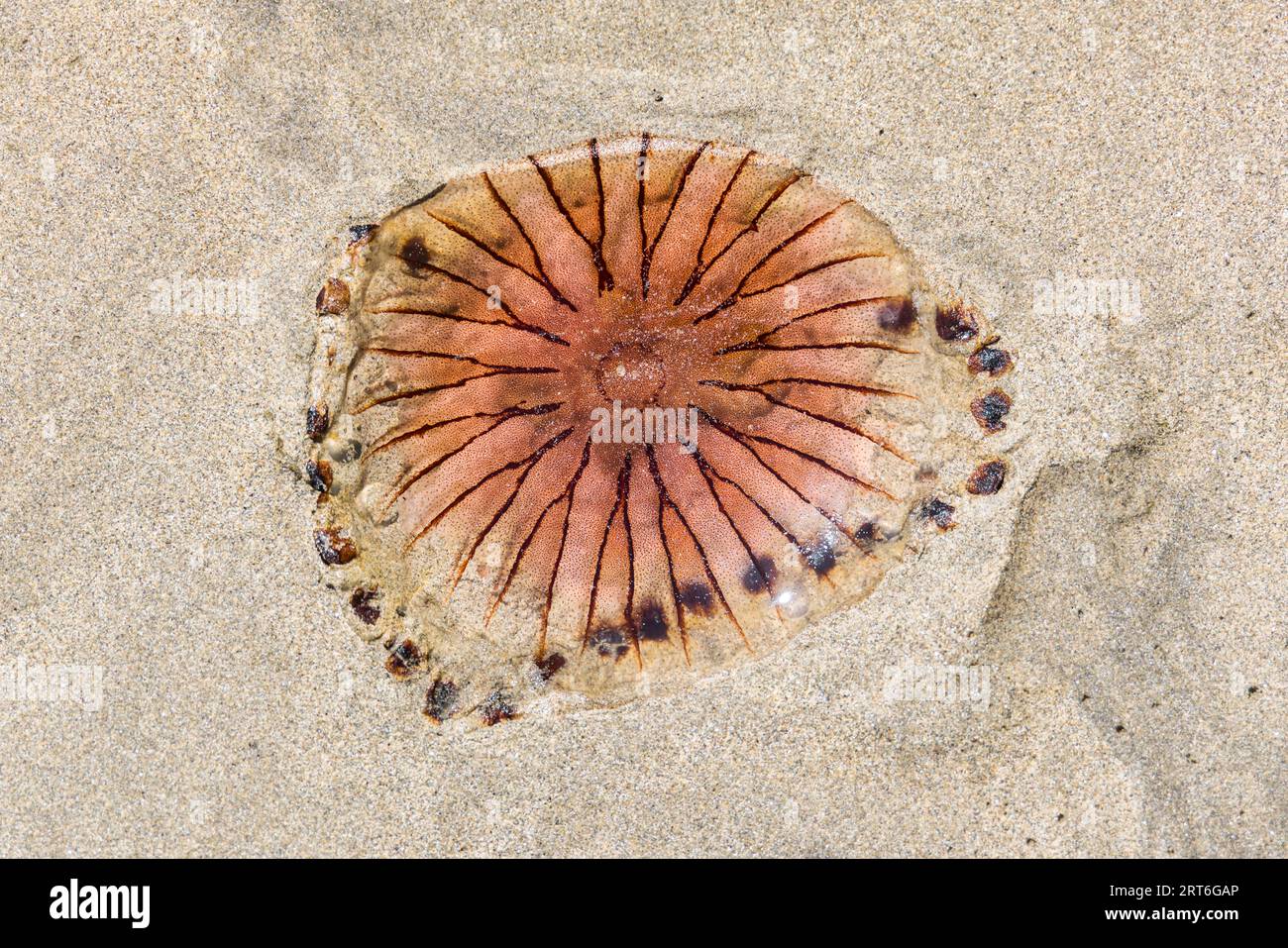
Whether sand jellyfish are "worth the trouble" depends entirely on your risk tolerance, your commitment to safety protocols, and the specific geographic location you are visiting. In essence, these organisms—often referring to members of the Cassiopea genus or other benthic species—are generally not lethal, but their propensity to release stinging cells into the water column can transform a pleasant day at the beach into a painful, itchy experience for unprepared swimmers and snorkelers.
Understanding the "Sand Jellyfish" Phenomenon
To determine if these creatures are worth the trouble, one must first identify exactly what is being encountered. The term "sand jellyfish" is a colloquialism frequently applied to Cassiopea, or upside-down jellyfish. Unlike many other species that drift with the currents, Cassiopea spend much of their time lying on the seafloor with their tentacles facing upward. This behavior allows them to house symbiotic algae called zooxanthellae, which provide the jellyfish with nutrition through photosynthesis.
The "trouble" arises from a unique defense mechanism. These jellyfish release a mucus containing specialized stinging cells known as cassiosomes. These structures can detach and remain suspended in the water long after the jellyfish has moved or been disturbed. Consequently, a swimmer might experience the sensation of being stung—a condition known as "stinging water"—without ever coming into direct physical contact with a jellyfish.
The Ecological Role and Location Significance
Before deciding if their presence ruins a destination, consider the ecological value of these creatures. In ecosystems like the Florida Keys, the Caribbean, or parts of the Indo-Pacific, Cassiopea are vital components of the benthic community. They offer shelter for small fish and shrimp and are indicators of shallow-water health.
If you are visiting a location known for high densities of Cassiopea, the "trouble" is a constant factor rather than a random occurrence. In these regions, the water can feel mildly electric or itchy to sensitive individuals. For those who prioritize pristine, irritation-free swimming, these locations may not be worth the effort. However, for those interested in marine biology, snorkeling, or underwater photography, the unique behavior of these organisms offers an educational opportunity that outweighs the minor discomfort of a superficial sting.
Weighing the Risks: Is the Stinging Worth It?
For most healthy adults, the sting of a sand jellyfish is a nuisance rather than a medical emergency. However, the intensity of the reaction can vary based on individual skin sensitivity and the concentration of cassiosomes in the water.
| Feature | Impact Level | Mitigation Strategy |
|---|---|---|
| Direct Contact | Moderate Pain | Avoid touching; rinse with seawater. |
| Stinging Water | Mild Itchiness/Rash | Wear full-body rash guards. |
| Allergic Reaction | Potential Risk | Keep antihistamines on hand. |
| Environmental Impact | Low | Observe without disturbing; do not remove. |
The primary risk is not usually the intensity of the sting, but rather the panic that can set in when a swimmer feels a sudden, sharp, or pricking sensation while submerged. For families with small children, the persistent itching caused by these jellyfish can be particularly distressing, potentially leading to an early departure from the beach.
Best Practices for Navigating Jellyfish-Prone Areas
If you decide that the destination is worth the trouble, you can significantly mitigate the negatives by adopting a professional approach to coastal safety.
- Protective Clothing: The most effective defense against "stinging water" is a physical barrier. Long-sleeved rash guards, leggings, or full-body lycra suits prevent the mucus and cassiosomes from adhering to your skin.
- Avoidance of High-Traffic Zones: Observe the seafloor before entering the water. If you see circular, pulsing organisms on the sand, do not stir up the sediment. Moving through the water gently reduces the likelihood of triggering the release of stinging cells.
- Post-Swim Hygiene: If you suspect you have been in water containing stinging cells, rinse your skin thoroughly with seawater. Do not use fresh water immediately, as the osmotic shock can cause any remaining stinging cells to fire, increasing the discomfort.
- Observation Zones: Many coastal parks in 2026 provide signage regarding local jellyfish activity. Check the latest visitor alerts before heading to the shore. If the beach report indicates high jellyfish density, consider an alternative activity or relocate to a different area of the coast.
Medical Considerations and Professional Advice
While generally categorized as a minor inconvenience, it is important to understand the medical limitations of self-treatment. If you or a companion experience symptoms beyond mild itching—such as difficulty breathing, severe swelling, nausea, or signs of anaphylaxis—seek professional medical assistance immediately.
For those with a history of severe allergies to marine life, the presence of any jellyfish species, including sand jellyfish, is a significant deterrent. In such cases, the "trouble" is not worth the potential health risk, and it is advisable to choose swimming locations monitored by lifeguards where jellyfish populations are managed or actively tracked.
Frequently Asked Questions
Are sand jellyfish stings as painful as Portuguese man-o'-war stings? No. Sand jellyfish stings are generally much milder. While they can cause a prickly, itchy sensation and localized redness, they rarely result in the severe systemic pain associated with the man-o'-war. The primary issue is the widespread, persistent nature of the itch rather than acute, sharp pain.
Can I get rid of sand jellyfish in my swimming area? No, and you should not attempt to. These organisms are native to many shallow environments. Removing them is not only ecologically harmful but also ineffective, as they are part of a larger ecosystem. The best strategy is to adapt your own behavior, such as choosing to swim during high tide or wearing protective gear.
Does vinegar help with sand jellyfish stings? Vinegar is often recommended for many types of jellyfish, but for Cassiopea, its effectiveness is debated. The most effective immediate step is to ensure that no tentacles or mucus remain on the skin by rinsing with seawater. If you develop a rash, standard over-the-counter anti-itch creams or antihistamines are usually sufficient.
Are these jellyfish dangerous to pets? While not typically life-threatening, pets may experience significant discomfort if they walk through areas with high densities of Cassiopea. The itching can lead to excessive scratching and secondary skin irritation. It is best to keep pets away from the water line in known hotspots.
Why does the water "sting" even when I don't see jellyfish? This is due to the release of cassiosomes—tiny, non-living structures that contain stinging cells. Once released into the water, they drift independently. You can be in water that contains these cells even if the host jellyfish is several feet away or has already drifted off.
Making the Final Decision
The determination of whether sand jellyfish are "worth the trouble" is a personal one. If you are an experienced ocean-goer who values the opportunity to see unique marine life in its natural habitat, the minor discomfort of a potential sting is simply a trade-off for the experience. By wearing appropriate protective gear and practicing cautious water entry, you can enjoy these environments with minimal disruption.
However, if your goal is a carefree, low-maintenance day at the beach where you can wade freely without concern for skin irritation, you might be better served by choosing beaches in regions where these organisms are less prevalent. Always prioritize your comfort and safety, and when in doubt, consult local beach management for the most accurate, real-time conditions for your chosen location in 2026.