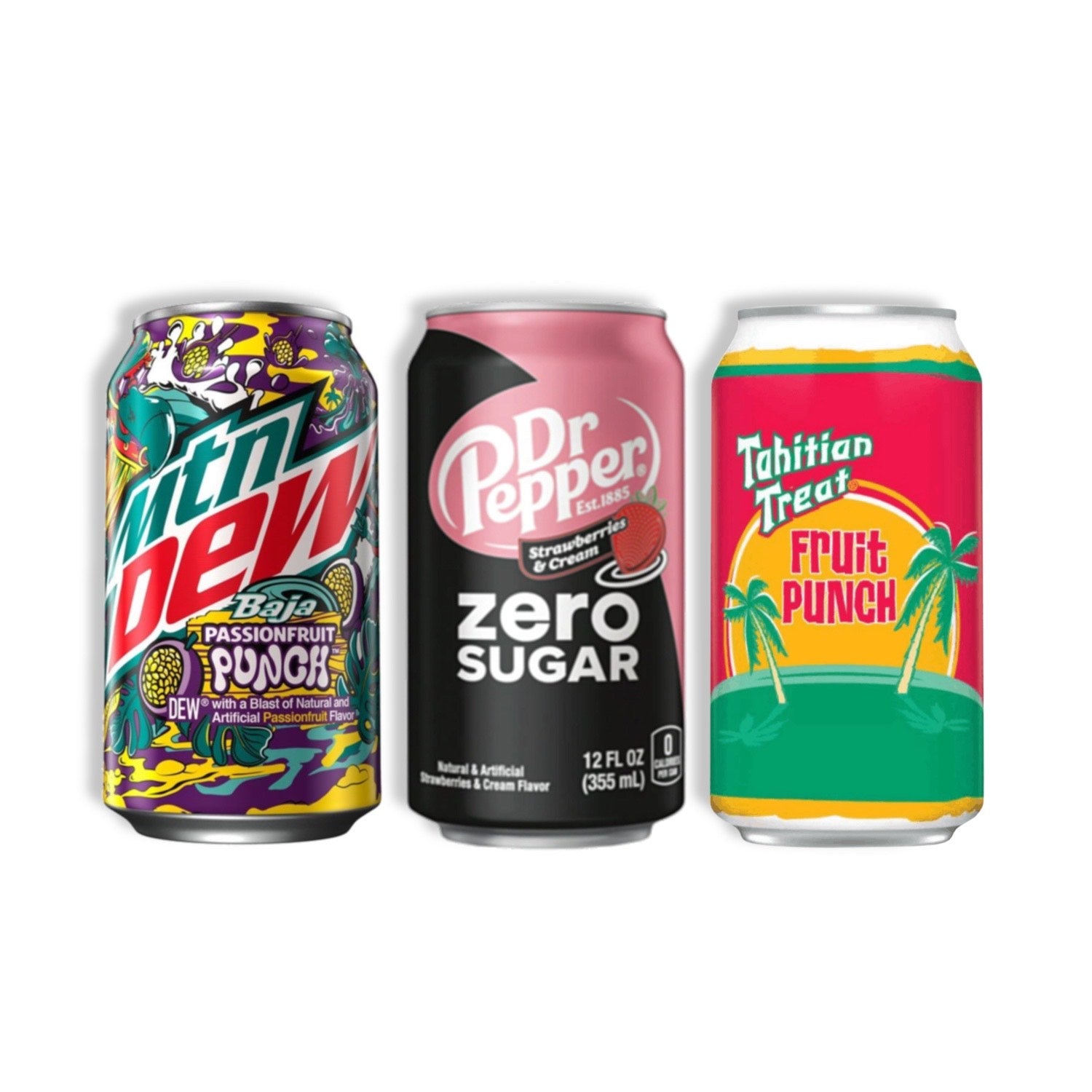
Consumers are increasingly turning to functional sodas—beverages infused with adaptogens, nootropics, and minerals—to manage daily stress and anxiety. These drinks, frequently marketed as "calm in a can," provide a non-alcoholic, low-sugar alternative to traditional beverages, utilizing ingredients like magnesium, L-theanine, and ashwagandha to promote relaxation and mental clarity without the sedative effects of traditional sleep aids.
The Evolution of the Soft Drink: From Sugar to Self-Care
For decades, the soda industry was defined by high-fructose corn syrup, artificial colorings, and excessive caffeine. However, by 2026, the market has undergone a fundamental transformation. The "calm in a can" movement represents the pinnacle of this shift, moving away from the "energy at all costs" mentality of the early 2000s and toward a more holistic approach to mental well-being. This new category of functional beverages does not just aim to quench thirst; it seeks to regulate the consumer’s internal state.
The primary driver of this shift is the global rise in cortisol-conscious consumption. Modern lifestyles, characterized by "always-on" digital connectivity and professional burnout, have created a demand for products that help the nervous system downregulate. Unlike traditional sodas that trigger a blood sugar spike followed by a crash, or energy drinks that induce jitters, these relaxation-focused sodas use biochemical compounds to encourage a state of "flow" or "composed focus."
Understanding the "Calm in a Can" Formula
The efficacy of a functional soda depends entirely on its ingredient profile. While many brands market themselves as "stress-relieving," the technical depth of their formulations varies significantly. In 2026, the industry has consolidated around four primary pillars of relaxation: adaptogens, nootropics, minerals, and hemp-derived compounds.
Adaptogens: Managing the Cortisol Response
Adaptogens are botanical substances, such as ashwagandha, rhodiola rosea, and reishi mushroom, that help the body maintain homeostasis. When a person experiences stress, the adrenal glands release cortisol. Adaptogens work by modulating the hypothalamic-pituitary-adrenal (HPA) axis, effectively "leveling out" the peaks and valleys of the stress response. In a beverage format, these ingredients are often micro-dosed to provide a cumulative effect over time rather than an immediate, overwhelming sensation.
Nootropics: Enhancing Cognitive Ease
Nootropics are substances that improve cognitive function, particularly executive functions, memory, or motivation. In the context of relaxation sodas, the most common nootropic is L-theanine, an amino acid found primarily in green tea. L-theanine is prized for its ability to promote alpha brain wave activity, which is associated with a state of "wakeful relaxation." By pairing L-theanine with small amounts of natural caffeine (often from green tea or yerba mate), companies create a drink that provides focus without the "edge" of standard coffee.
Minerals: The Magnesium Revolution
By 2026, magnesium has become the "star" ingredient of the functional beverage aisle. Specifically, forms such as magnesium citrate and magnesium glycinate are used for their high bioavailability. Magnesium plays a crucial role in over 300 enzymatic reactions in the body, including the regulation of neurotransmitters that send messages throughout the brain and nervous system. It is also essential for the function of GABA (gamma-aminobutyric acid) receptors, which are the brain’s "brakes" for stress.
Hemp and CBD Integration
While the regulatory landscape for CBD (cannabidiol) was turbulent in the early 2020s, 2026 sees a more stabilized market. Many "calm in a can" products utilize broad-spectrum hemp extract. These compounds interact with the body’s endocannabinoid system, which regulates mood, sleep, and appetite. Because these drinks contain 0% THC, they provide the physiological benefits of hemp without any psychoactive effects.
Why the "Sober-Curious" Movement Fuels Demand
The success of calm-inducing sodas is inextricably linked to the decline of alcohol consumption among younger demographics. Generation Z and Millennials are increasingly identifying as "sober-curious," seeking the ritual of a drink without the hangover or the neurotoxicity of ethanol.
Functional sodas serve as a direct replacement for the "after-work drink." They offer a complex flavor profile—often featuring botanicals like hibiscus, elderberry, or ginger—and a tangible physiological "shift" that signals to the brain that the workday is over. This psychological "ritual of the can" is as important as the chemical ingredients inside. The act of cracking open a cold beverage and taking a moment to breathe provides a mindfulness cue that reinforces the effects of the adaptogens.
Technical Comparison of Leading "Calm" Beverages (2026 Market)
| Brand Category | Primary Active Ingredients | Main Benefit | Calorie Count (avg) | Sugar Source |
|---|---|---|---|---|
| Adaptogenic Sparklers | Ashwagandha, L-theanine, Ginseng | Sustained focus; stress management | 15-20 kcal | Agave or Monk Fruit |
| Magnesium Sodas | Magnesium Glycinate, Lemon Balm | Physical relaxation; muscle ease | 0-5 kcal | Stevia |
| Hemp-Infused Tonics | CBD (Broad Spectrum), Hibiscus | Anxiety reduction; mood balance | 10-30 kcal | Cane Sugar (low dose) |
| Botanical Bitters | Gentian Root, 5-HTP, Reishi | Digestive health; emotional lift | 20-40 kcal | Fruit Juice |
The Science of Bioavailability in Liquid Form
One of the major technical hurdles for companies offering "calm in a can" is bioavailability—the proportion of a substance that enters the circulation when introduced into the body and so is able to have an active effect. Fat-soluble compounds like CBD or certain adaptogens are notoriously difficult for the body to absorb when simply mixed into water.
To solve this, leading soda companies in 2026 utilize nano-emulsion technology. This process breaks down oil-based ingredients into microscopic droplets (nanoparticles) that are encapsulated in a water-soluble carrier. This allows the ingredients to bypass a portion of the digestive process and enter the bloodstream more quickly through the soft tissues of the mouth and stomach. This is why many consumers report feeling the effects of a functional soda within 15 to 20 minutes, whereas a supplement capsule might take an hour or more to process.
Safety, Regulation, and Potential Side Effects
While functional sodas are generally recognized as safe (GRAS) by the FDA, consumers should approach them with an informed perspective. The "more is better" philosophy does not apply to adaptogens. Overconsumption of certain herbs, like ashwagandha, can lead to gastrointestinal upset or interference with certain medications, particularly those for thyroid conditions or autoimmune diseases.
Furthermore, the "calm" effect is subjective. What one person experiences as a pleasant relaxation, another might perceive as mild lethargy. It is also important to note that these drinks are not intended to treat clinical anxiety or depression. According to the National Center for Complementary and Integrative Health (NCCIH), while some evidence supports the use of ingredients like L-theanine for stress, they should not replace professional medical advice or prescribed treatments.
Environmental and Ethical Considerations
In 2026, a company offering "calm in a can" is judged not only by its ingredients but also by its footprint. The "calm" philosophy often extends to the supply chain. Consumers are increasingly demanding transparency regarding:
- Sourcing of Botanicals: Are the adaptogens ethically harvested? For example, the surge in demand for Rhodiola rosea led to overharvesting in the wild, prompting companies to shift toward sustainable, cultivated sources.
- Packaging: Aluminum cans are preferred over plastic due to their infinite recyclability. Many brands have also moved toward BPA-free liners and plastic-free six-pack rings.
- Water Usage: As water scarcity becomes a more pressing global issue, leading beverage companies are implementing water-neutral manufacturing processes, ensuring that they replenish the local watersheds where their bottling plants are located.
Frequently Asked Questions
Will "calm in a can" sodas make me sleepy or drowsy?
Most functional sodas are designed for "daytime calm" rather than "nighttime sleep." They typically contain L-theanine and magnesium, which promote relaxation without the heavy sedative effects of melatonin or valerian root. However, everyone's sensitivity varies, so it is best to try them first in the evening to see how your body reacts before consuming them during a workday.
Can I drink these if I am pregnant or breastfeeding?
While many of the ingredients are natural, adaptogens like ashwagandha and certain hemp extracts have not been extensively studied in pregnant or lactating individuals. It is essential to consult with a healthcare provider before introducing functional beverages into your diet during pregnancy.
Are these drinks safe for children?
Generally, functional sodas are formulated for adult physiology. Ingredients like CBD or high-dose magnesium are not typically recommended for children unless directed by a pediatrician. For younger consumers, traditional sparkling waters or low-sugar juices remain a safer choice.
How many can I drink in a single day?
Most manufacturers recommend a limit of one to two cans per day. Because adaptogens and minerals can accumulate in the system, excessive consumption might lead to an upset stomach or an overly relaxed state that interferes with productivity.
Is there a difference between "relaxation drinks" and "functional sodas"?
The terms are often used interchangeably, but "functional soda" usually implies a carbonated beverage that mimics the flavor profile and experience of a traditional soft drink while providing a health benefit. A "relaxation drink" is a broader category that may include non-carbonated teas, juices, or shots.
Practical Recommendations for First-Time Users
If you are looking to integrate functional sodas into your routine, start by identifying your primary goal. If you are seeking to replace a morning coffee with something less jittery, look for a soda containing L-theanine and green tea extract. This combination provides the "alert calm" necessary for deep work.
If your goal is to unwind after a high-stress day without reaching for alcohol, prioritize drinks with Magnesium and Ashwagandha. These ingredients are better suited for physical relaxation and lowering cortisol levels in the evening.
Always check the label for "functional dosage." Some brands add "dustings" of ingredients for marketing purposes without providing enough of the compound to have a physiological effect. Look for brands that specify the milligrams of active ingredients on the can. Finally, remember that "calm in a can" is a tool, not a cure-all. It works best when paired with other stress-management techniques such as regular exercise, adequate sleep, and mindful breathing.