Jellycats are generally worth buying if you prioritize ultra-soft textures, durable stitching, unique character designs, and long-term collectibility over traditional mass-market plush toys. While their premium price point can be difficult to justify for casual buyers or young children who may quickly misplace them, collectors, gift-givers, and sensory-seeking individuals consistently find high value in their exceptional craftsmanship and emotional appeal.
Understanding the Jellycat Phenomenon
The plush toy market is saturated with inexpensive, mass-produced items found in grocery stores and souvenir shops. Yet, London-based brand Jellycat has carved out a massive, highly dedicated global following since its founding in 1999. To understand whether these plush toys are worth your hard-earned money, you must look closely at what sets them apart from standard stuffed animals.
Jellycats are not merely designed for rough-and-tumble play on a playground; they are carefully engineered lifestyle and comfort objects. The brand releases seasonal collections, vaulting popular designs to create artificial scarcity and high demand. This strategy turns casual shoppers into dedicated collectors. However, the appeal goes deeper than marketing hype. It is rooted in tactile engineering, safety compliance, and emotional resonance.
When evaluating these plush toys, consumers are usually balancing three major factors: the initial financial investment, the physical quality of the materials, and the psychological or emotional value the item provides.
Material Quality and Tactile Engineering
The primary reason Jellycats command high prices is their commitment to specialized fabrics. If you handle a Jellycat next to a generic supermarket plush, the difference in texture is immediately apparent.
The Signature Fur and Fabrics
Jellycat sources custom-milled polyester and acrylic blends that mimic various textures. From the heavy, silky weight of the "Bashful" line to the bumpy, textured corduroy of specific animals, the brand invests heavily in tactile variety.
- Sensory Appeal: The fabrics do not easily mat or shed under normal conditions. They retain a plush, cloud-like hand-feel even after months of handling.
- Child Safety and Hypoallergenic Standards: All materials are non-toxic, hypoallergenic, and rigorously tested to meet or exceed international toy safety regulations, including ASTM F963 in the United States and EN71 in Europe.
Stitching and Internal Weighting
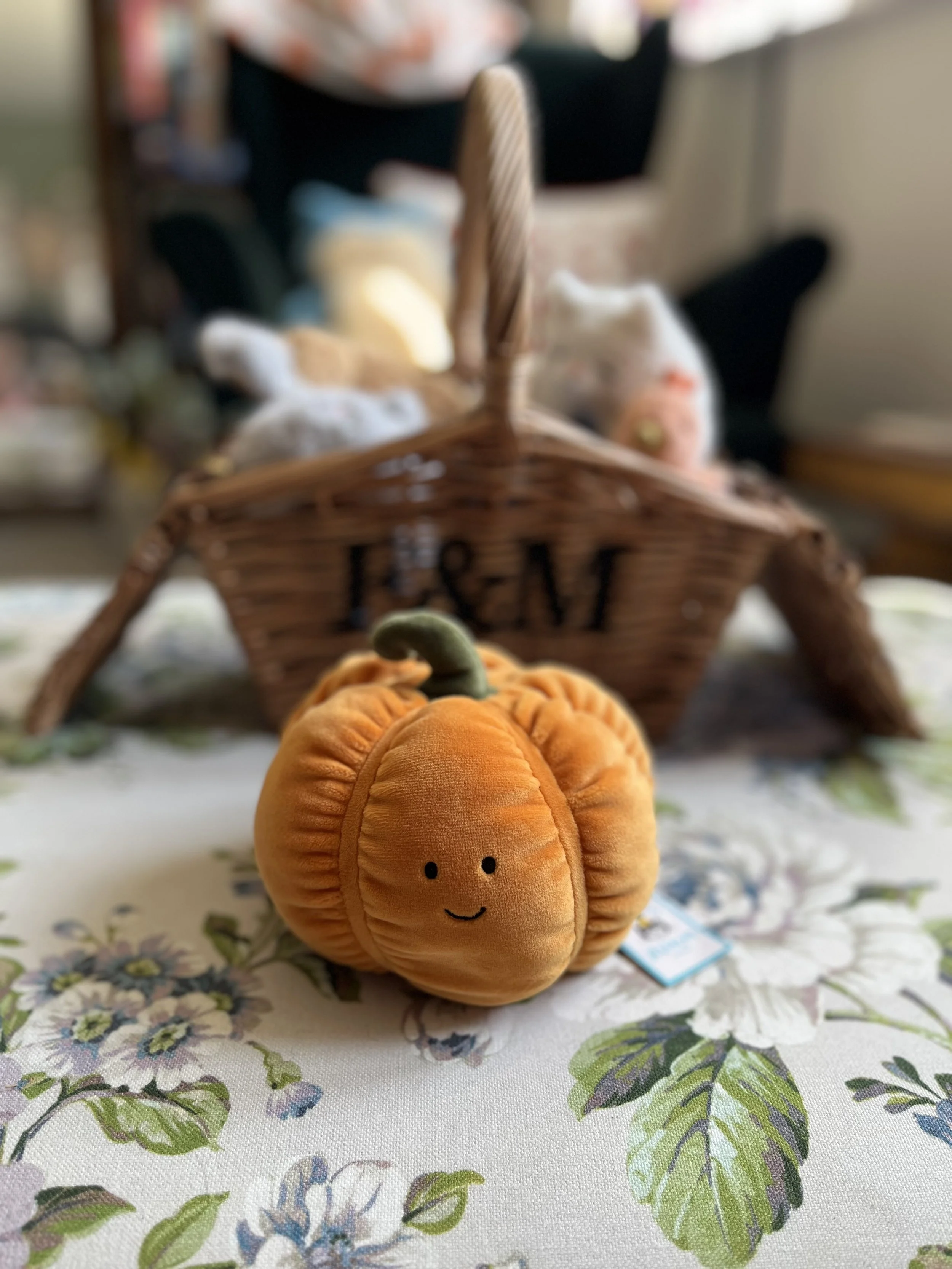
A major point of failure for cheap stuffed animals is weak seams and uneven stuffing. Jellycats utilize reinforced stitching, particularly around stress points like limbs, ears, and tails. Many designs—especially the popular "Amuseables" line (which features inanimate objects like coffee cups, houseplants, and croissants with smiling faces)—incorporate plastic polyethylene pellets. These pellets give the base a satisfying weight, allowing the plush to sit upright independently without slumping over.
Pricing Structure: Why Are They So Expensive?
Jellycat prices can shock first-time buyers. Small bag charms and tiny plushies often start around $15 to $20 USD, while standard medium-sized animals range from $25 to $40 USD. Large, extra-large, or limited-edition collector pieces can easily exceed $100 to $150 USD.
Several factors dictate this pricing model:
- Design Complexity: Unlike symmetrical teddy bears stamped out by automated machines, many Jellycat designs feature intricate, multi-panel construction, hand-embroidered facial details, and specialized appliqués.
- Global Distribution and Import Costs: As a British brand shipping worldwide, logistics, tariffs, and boutique retail markups heavily influence the final shelf price in international markets.
- Boutique Placement: You are rarely buying Jellycats at a discount warehouse. They are predominantly sold in high-end independent toy stores, museum gift shops, children's boutiques, and upscale department stores, which dictates a luxury retail markup.
Jellycat vs. Standard Plush Toys: A Head-to-Head Comparison
To determine value, it helps to compare Jellycats directly against alternative options available on the market.
| Feature / Factor | Jellycat Plush Toys | Mass-Market Toy Store Brands | Handmade / Artisan Plush |
|---|---|---|---|
| Price Point | Moderate to High ($20–$100+) | Low ($5–$15) | Very High ($50–$300+) |
| Texture & Materials | Premium, custom-milled, ultra-soft | Standard polyester, prone to matting | Variable, often high-grade wool or faux fur |
| Durability | High; reinforced stitching and durable pile | Low-to-Moderate; thin seams, easy shedding | Variable; often collector-focused rather than durable |
| Resale Value | High for retired, rare, or sought-after designs | Negligible | Low-to-Moderate |
| Target Audience | Collectors, sensory seekers, gift-givers | Young children, casual impulse buyers | Art collectors, niche enthusiasts |
Who Are Jellycats Actually For?
Not everyone extracts the same value from a luxury stuffed animal. Analyzing your specific use case will clarify whether purchasing one makes financial and practical sense.
1. Collectors and Enthusiasts
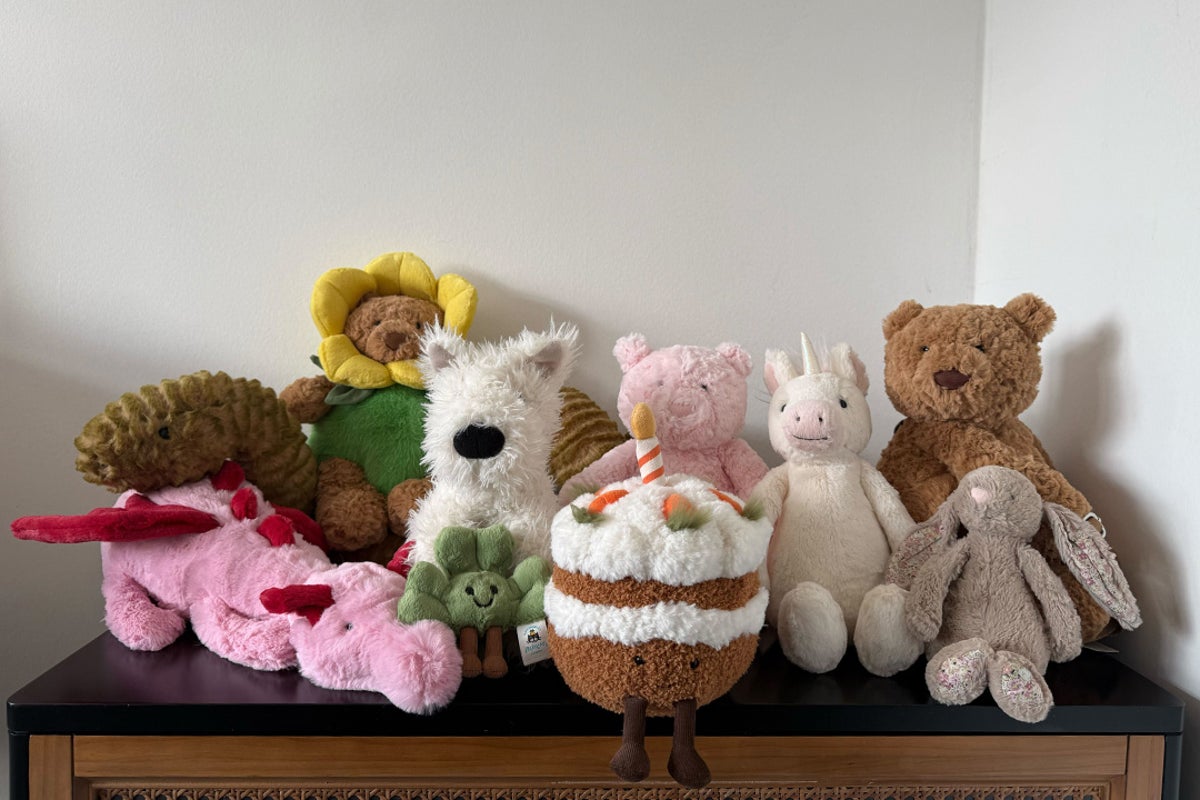
For adult collectors, Jellycats function similarly to designer vinyl figures or trading cards. Because the company frequently retires designs (known in the community as being "retired" or "archived"), older or rare models can appreciate in value on secondary markets like eBay or Mercari. For this demographic, they are worth buying as collectible art pieces.
2. Sensory Seekers and Anxiety Relief
Many adults and neurodivergent individuals use Jellycats as tactile grounding tools. The weight, uniform softness, and lack of stiff plastic parts (like hard eyes or noses, which are often replaced with secure embroidery) make them ideal comfort items for managing stress, anxiety, or sensory processing differences.
3. Newborns and Baby Gifts
Jellycats are ubiquitous as baby shower and newborn gifts. Because they are safety-rated from birth (when adhering to safe sleep guidelines—never leave plush toys in a crib with an unattended sleeping infant), parents appreciate their longevity. A child can grow up dragging the same Jellycat for a decade without it disintegrating, provided it is cared for properly.
Maintenance and Care: Protecting Your Investment
If you decide that Jellycats are worth buying, proper maintenance is vital to preserve their texture and value. Improper washing is the single fastest way to ruin a high-end plush toy.
- Never Use a Washing Machine Agitator: Standard machine washing cycles with a central agitator can rip seams, clump stuffing, and permanently ruin the softness of the fur.
- Hand Washing Protocol: Fill a basin with lukewarm water and a mild, wool-safe detergent. Gently submerge the plush, squeeze the soapy water through the fibers, and rinse thoroughly with clean water.
- Drying Techniques: Do not put a Jellycat in a household tumble dryer. High heat melts the synthetic fibers and destroys the plush texture. Instead, gently squeeze out excess water using a clean towel, reshape the toy, and let it air dry completely. Use a clean, soft-bristled slicker brush gently on the dry fur to restore its fluffiness.
Common Criticisms and Drawbacks
Objectivity requires looking at the downsides. Are there reasons not to buy Jellycats? Absolutely.
- The "Hype" Tax: A portion of the price you pay is undoubtedly driven by social media trends and brand prestige. You are paying for the brand name and designer label, not just raw materials.
- Risk of Loss with Children: If bought for a young child who takes their toy everywhere, the risk of losing an expensive, sentimentally irreplaceable item can cause genuine distress.
- Not Ideal for Rough Outdoor Play: Because the fabrics are delicate and meant to feel luxurious, dragging a Jellycat through mud, sand, or wet grass will quickly degrade its appearance.
Frequently Asked Questions
Are Jellycats safe for babies and newborns?
Yes, most Jellycats are safety-tested and rated suitable from birth, featuring embroidered eyes and noses instead of hard plastic components that could become choking hazards. However, standard infant safety guidelines dictate that soft toys should never be left inside a crib with a sleeping infant.
Why do certain Jellycats become so expensive on the secondary market?
When Jellycat retires a specific design, supply drops permanently while demand from completionist collectors remains high. Rare colors, holiday specials, and large-sized animals see significant price spikes on resale platforms.
Can you put Jellycats in the washing machine?
Machine washing is strongly discouraged, as the heat and agitation can melt synthetic fur fibers and compromise internal stitching. Hand washing with mild detergent and air-drying is the only safe method recommended by long-time collectors.
Do Jellycats hold their resale value?
Certain retired, rare, or highly sought-after designs retain or even appreciate in value. However, standard, currently mass-produced styles generally lose value if sold used, much like standard retail goods.
What makes Jellycat different from a regular teddy bear?
The primary differentiator is the custom-milled fabric technology, which provides a uniquely silky, dense texture that resists standard wear-and-tear. Additionally, their whimsical, diverse character designs range far beyond traditional teddy bears.
Final Recommendation
Jellycats are worth buying if you view them as long-term investments in tactile comfort, high-end design, or sentimental gifting. If you are shopping for a durable, aesthetically pleasing companion for an older child, an anxiety-relief tool for yourself, or a treasured piece for a collection, the superior materials and craftsmanship justify the cost. However, if you simply need a cheap, disposable toy for a toddler prone to losing items on daily outings, a lower-cost alternative is a more practical choice.