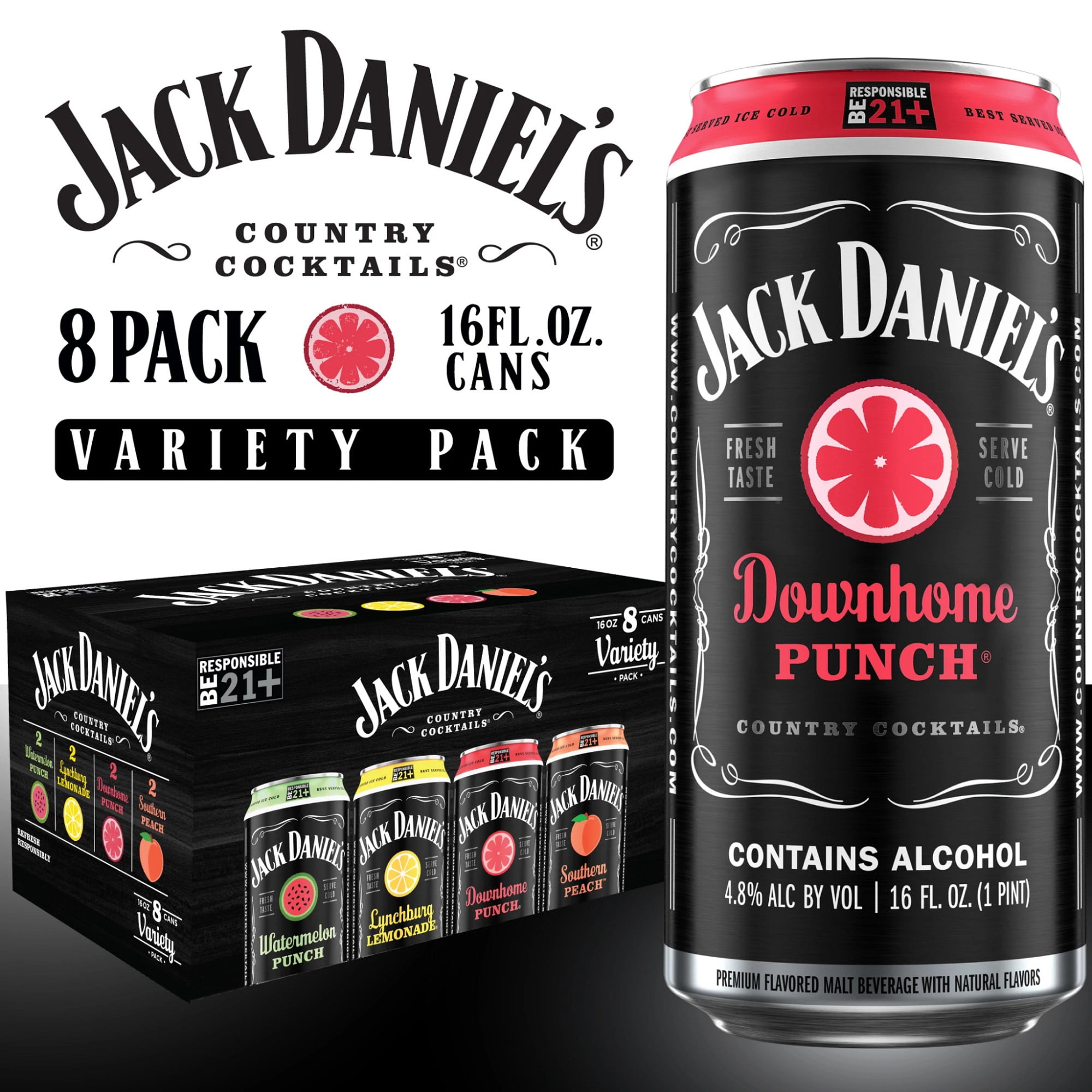
Jack Daniel’s Country Cocktails are pre-mixed, flavored malt beverages that are generally not considered gluten-free, as they are brewed using malted barley. While the distillation process typically removes gluten proteins from traditional whiskeys, these specific ready-to-drink cocktails are formulated differently, making them unsuitable for individuals with celiac disease or severe gluten sensitivities.
Understanding the Ingredients of Jack Daniel’s Country Cocktails
To understand why Jack Daniel’s Country Cocktails are not suitable for those requiring a gluten-free diet, it is essential to look at the composition of the product. Unlike the flagship Jack Daniel’s Tennessee Whiskey, which is a distilled spirit, the Country Cocktails line falls under the category of "malternatives" or flavored malt beverages (FMBs).
The primary ingredient in these beverages is malt, which is derived from barley. Barley is one of the three primary gluten-containing grains, alongside wheat and rye. During the brewing process, the starches in the barley are converted into sugars, which are then fermented to create alcohol. Because the base of the beverage is brewed from a grain that contains gluten, and the product does not undergo a distillation process that strips away all gluten-derived components, the final liquid contains traces of gluten.
For consumers navigating a gluten-free lifestyle, the distinction between a distilled spirit and a malt beverage is critical. Distillation involves heating a fermented liquid to vaporize the alcohol, leaving behind impurities and heavy proteins, including gluten. This is why many distilled liquors are considered safe for those with celiac disease. However, Country Cocktails are not distilled spirits; they are malt-based beverages that retain the characteristics of their grain origin.
The Role of Malted Barley in Flavored Beverages
Malted barley is the cornerstone of the brewing industry, providing both the fermentable sugars and the specific flavor profile that drinkers expect from beer-style beverages. In the case of Jack Daniel’s Country Cocktails, the malt base provides a neutral alcohol foundation that is then flavored with a variety of fruit essences and sweeteners.
Because the regulatory framework for labeling flavored malt beverages often differs from that of wine or distilled spirits, manufacturers are not always required to disclose the presence of barley or gluten on the label in the same way they would for a food product containing wheat. This lack of explicit "gluten-free" labeling on the packaging is a significant indicator for consumers. When a beverage is made with a malt base, the industry standard—and the prudent approach for the consumer—is to assume the presence of gluten.
Furthermore, the production environment for these cocktails may involve shared equipment used for other malt-based products. Even if the formulation itself were modified to include non-gluten grains, the risk of cross-contact in a large-scale manufacturing facility remains high. For individuals with medically diagnosed celiac disease, this risk profile is usually sufficient to discourage the consumption of such products entirely.
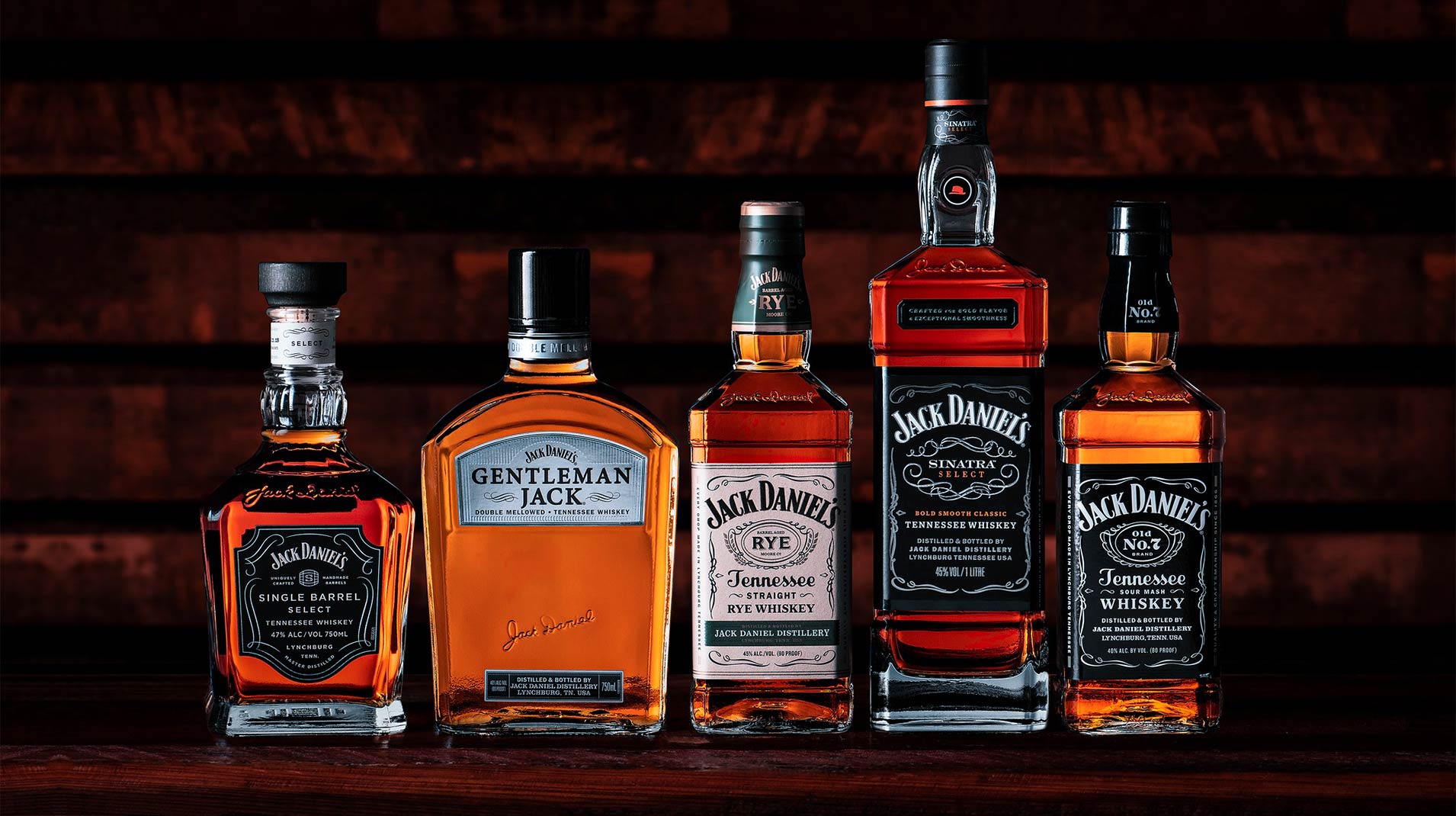
Distinguishing Between Tennessee Whiskey and Country Cocktails
A common source of confusion for consumers is the association of these drinks with the Jack Daniel’s brand name, which is globally synonymous with Tennessee Whiskey. It is important to clarify the material differences between the two product categories to avoid accidental consumption.
Comparison of Beverage Categories
| Feature | Jack Daniel’s Tennessee Whiskey | Jack Daniel’s Country Cocktails |
|---|---|---|
| Production Method | Distillation | Brewing/Fermentation |
| Primary Base | Corn, Rye, and Barley | Malted Barley |
| Gluten Status | Generally safe (Distilled) | Contains Gluten |
| Alcohol Content | High (typically 40% ABV) | Low (typically 4.8% ABV) |
| Regulatory Category | Distilled Spirit | Flavored Malt Beverage |
The distillation process used for Tennessee Whiskey involves the "charcoal mellowing" technique and subsequent aging in barrels. The physics of distillation ensures that the resulting spirit is effectively free of gluten proteins, even if the mash bill includes rye or barley. In contrast, Country Cocktails are not processed in this manner; they remain in their fermented, malted state. Treating these two product lines as equivalent regarding gluten content is a dangerous mistake for anyone managing dietary restrictions.
Risks for Those with Celiac Disease or Gluten Sensitivity
For individuals with celiac disease, the autoimmune response to gluten ingestion is severe. Even microscopic amounts of gluten can trigger damage to the villi in the small intestine, leading to nutrient malabsorption and systemic inflammation. Because Country Cocktails contain malt derived from barley, they are functionally equivalent to drinking beer.
For individuals with non-celiac gluten sensitivity (NCGS), the reaction may be less life-threatening but still highly uncomfortable, often manifesting as bloating, fatigue, brain fog, or gastrointestinal distress. Because there is no legal requirement for these manufacturers to test for gluten content, there is no "safe" threshold established for these specific products. When a company does not market or certify its product as gluten-free, the presence of malt should be treated as a clear warning sign.
Reading Labels and Avoiding Marketing Pitfalls
When shopping, it is easy to be misled by the branding on pre-mixed cocktails. The packaging often highlights "natural flavors" or "fruit-forward" profiles, which might lead a consumer to assume the base is something benign like fruit wine or neutral spirits. Always look for the following indicators on any ready-to-drink cocktail label:
- The "Malt" Designation: If the label states "flavored malt beverage," "malt cooler," or mentions "brewed," avoid the product if you require a gluten-free diet.
- Ingredient Transparency: Check if the manufacturer explicitly discloses the use of barley or rye.
- Certification Labels: If a product does not carry a "Certified Gluten-Free" label from a reputable third party, it is not guaranteed to be safe, regardless of the ingredients list.
- Brand Assumptions: Never assume a product is gluten-free just because a sister product under the same brand (like a distilled whiskey) is considered safe.
The marketing materials for Jack Daniel’s Country Cocktails focus heavily on the refreshment and flavor aspects of the beverage, not the chemical makeup of the base. As a consumer, you must look past the marketing and focus on the technical definition of the product category.
Safe Alternatives for Gluten-Free Drinking
If you enjoy the profile of a refreshing, sweet, pre-mixed cocktail but need to avoid gluten, there are several alternatives that are inherently safer.
Gluten-Free Spirit Bases
- Vodka-based Canned Cocktails: Many modern ready-to-drink (RTD) cocktails are made with vodka distilled from corn, potatoes, or grapes. These are generally safe for those with gluten sensitivities.
- Tequila-based Seltzers: Tequila is naturally gluten-free. Many brands now offer premium canned cocktails using 100% blue agave tequila.
- Hard Ciders: True hard ciders are made from fermented apples and are naturally free of gluten, provided no gluten-containing additives are used during processing.
- Hard Seltzers: Most standard hard seltzers use a base of fermented cane sugar, which is gluten-free. Always check the label to ensure that the fermentation process did not include malted grains.
When selecting these alternatives, always prioritize brands that explicitly label their products as "Gluten-Free" or "Made with [Safe Spirit]." This provides a level of verification that is missing from generic malt-based beverages.
Frequently Asked Questions
1. Does the distillation process in Jack Daniel’s Whiskey remove gluten from the Country Cocktails?
No. Jack Daniel’s Country Cocktails do not undergo the distillation process that the brand’s whiskeys do. They are malt beverages. Therefore, the gluten present in the barley remains in the final beverage.
2. Can I drink Jack Daniel’s Country Cocktails if I only have a mild sensitivity?
Medical professionals generally advise against consuming any malted beverage if you have a known gluten sensitivity or celiac disease. Even "mild" sensitivities can worsen over time with repeated exposure to gluten-containing grains.
3. Are all Jack Daniel’s products gluten-free?
No. While their distilled whiskeys (like Old No. 7) are widely considered gluten-free due to the distillation process, their non-distilled products, such as Country Cocktails, are not. Always verify each specific product line.
4. How can I confirm if a specific flavor of Country Cocktails is gluten-free?
You do not need to verify each flavor individually. Because the entire product line is based on a malted barley foundation, the entire line is considered to contain gluten. There are no gluten-free variations of the Country Cocktails.
5. Why doesn't the label say "contains gluten"?
Under many food labeling regulations, alcohol labeling is overseen by different agencies than standard food items. These regulations do not always mandate the disclosure of gluten-containing grains in the same way, which is why consumers must be diligent in checking the product category (malt beverage vs. distilled spirit).
Final Recommendation
For those adhering to a gluten-free diet, the most responsible course of action is to strictly avoid Jack Daniel’s Country Cocktails. These beverages are fundamentally malt-based, meaning they are brewed with barley—a primary source of gluten. Because the product is not distilled, it retains the proteins that cause adverse reactions in individuals with celiac disease or gluten sensitivity.
If you are hosting a social gathering, ensure that your bar selection includes clearly labeled gluten-free alternatives, such as spirit-based canned cocktails or hard ciders made from pure fruit fermentation. When in doubt, always prioritize your health by choosing products that have verified their gluten-free status on their packaging. If you suspect you have accidentally consumed a gluten-containing product, monitor your symptoms closely and consult with a medical professional if you experience an adverse reaction.