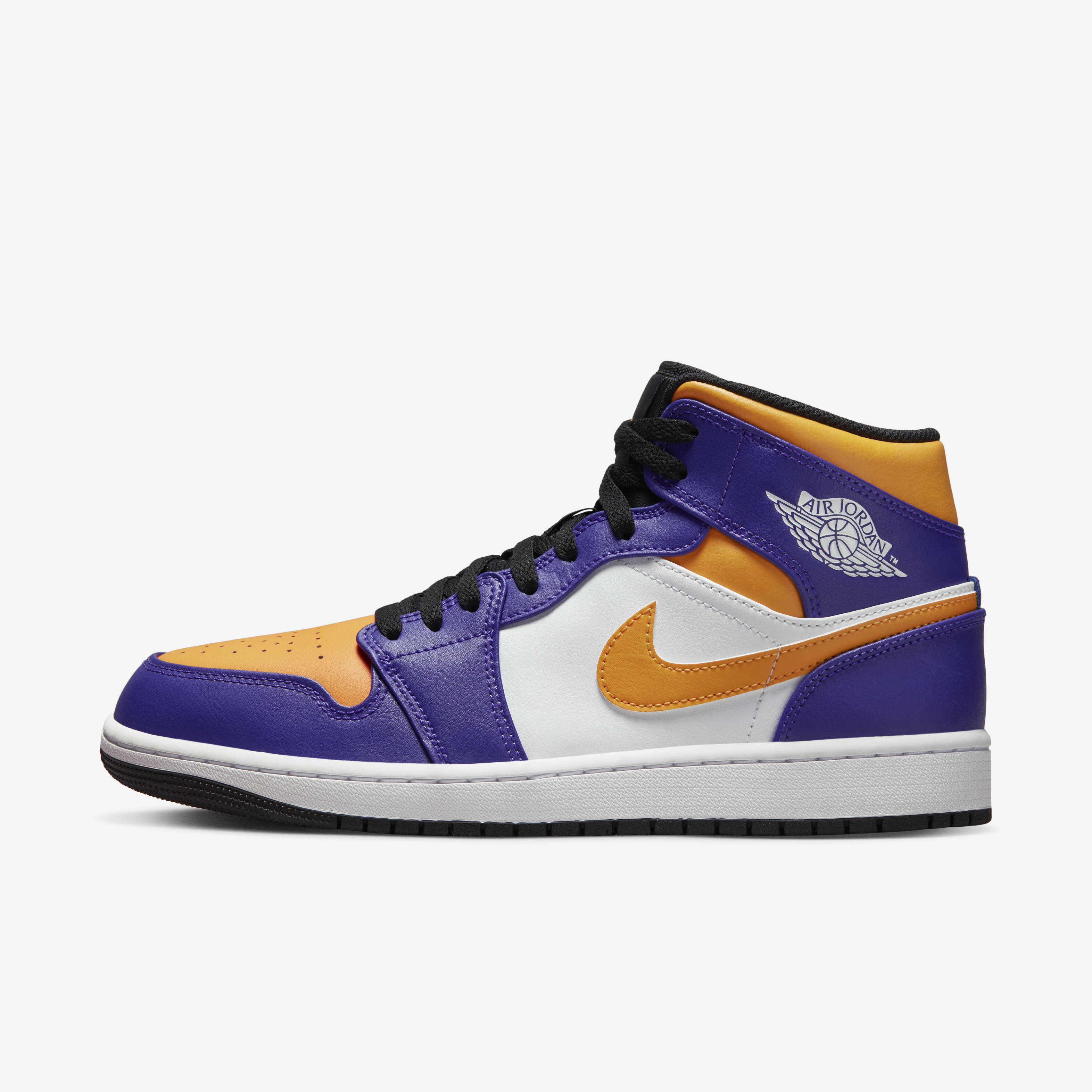
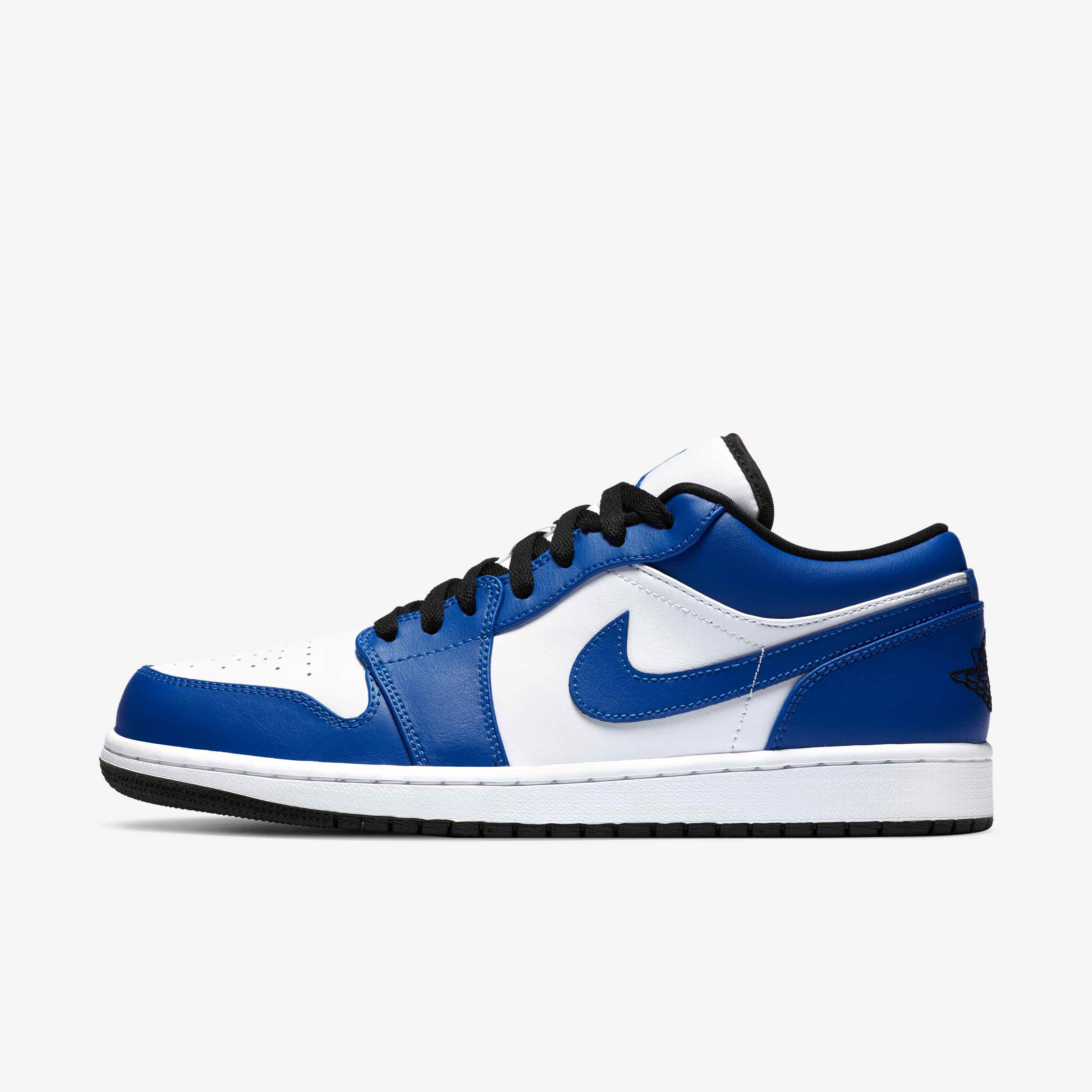
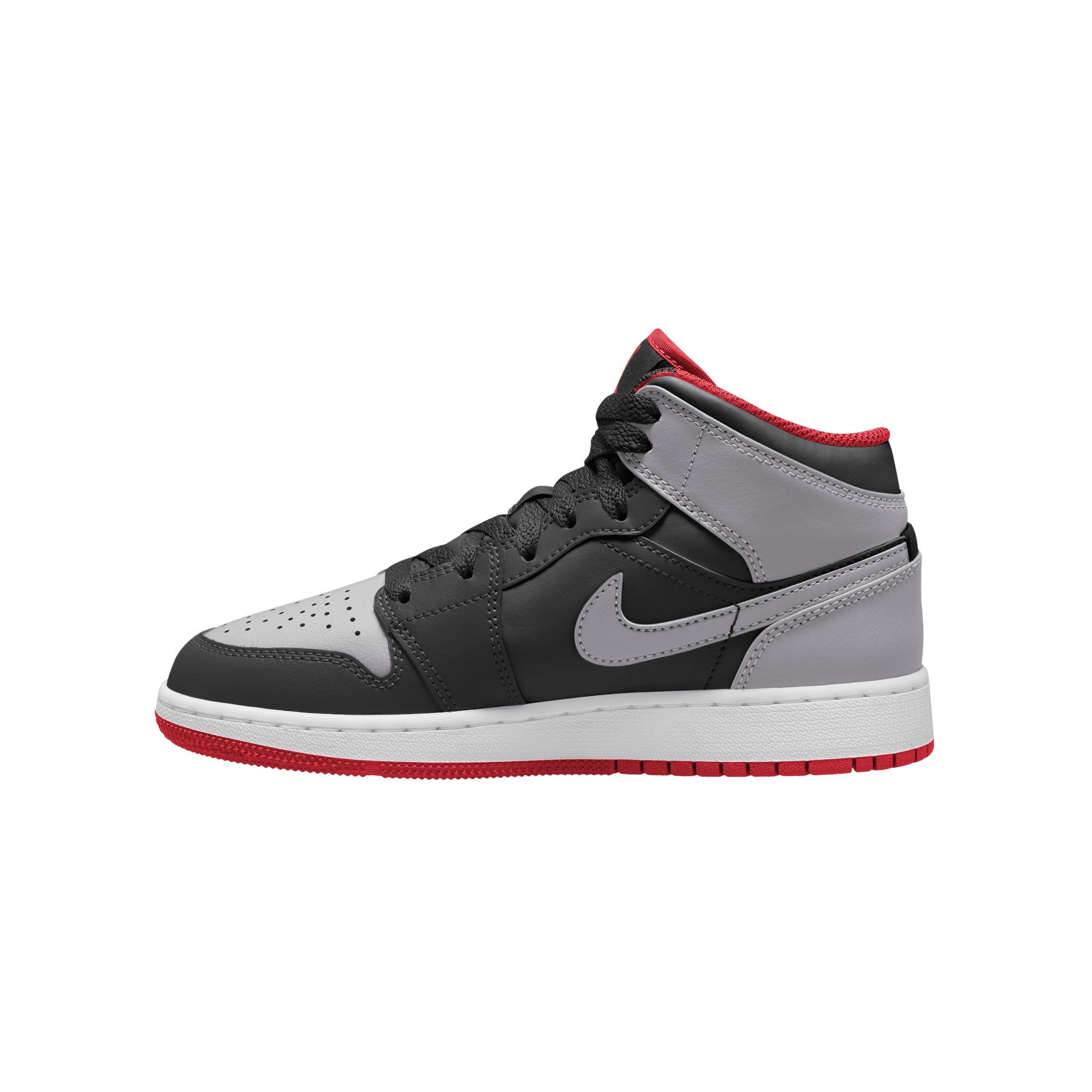
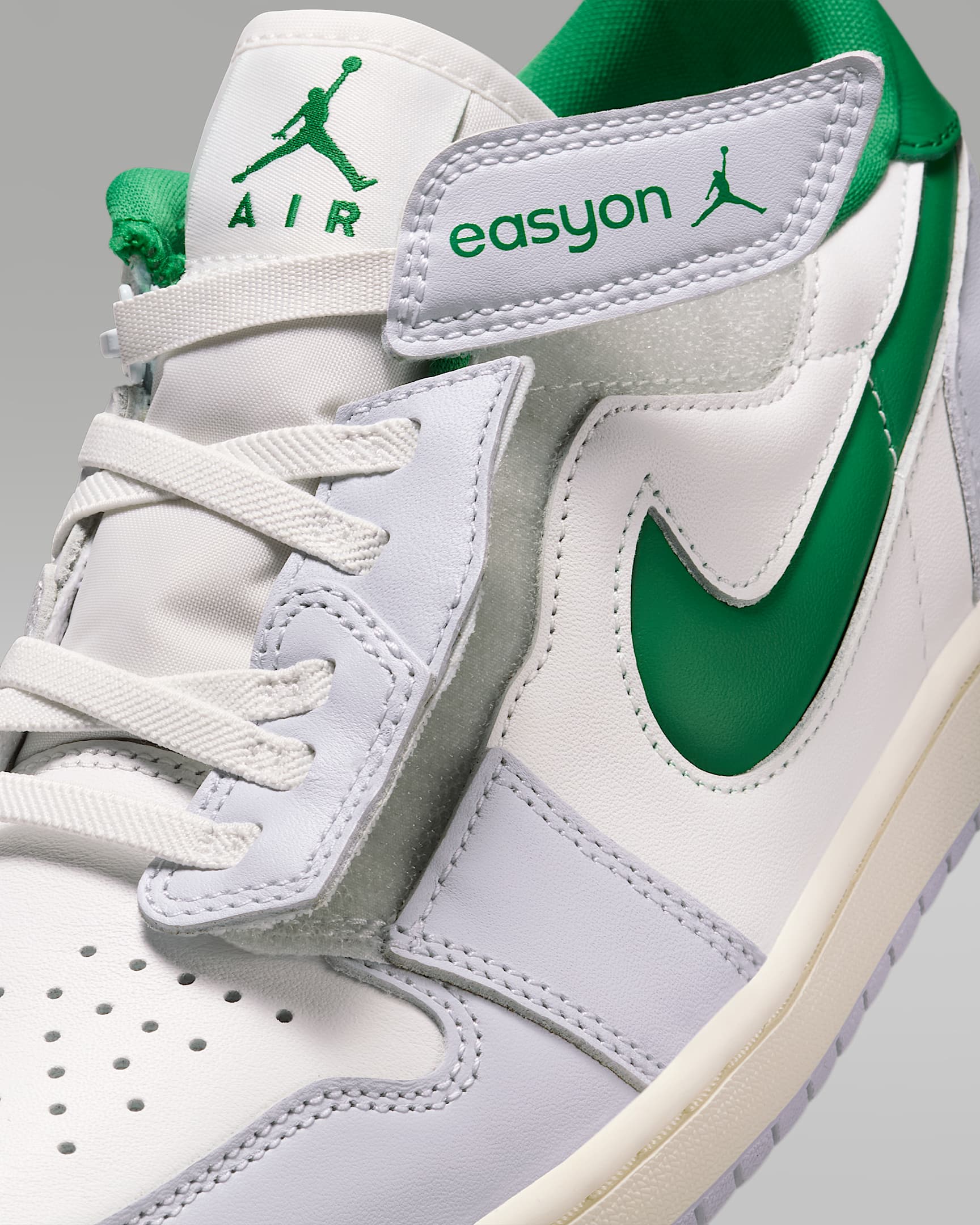
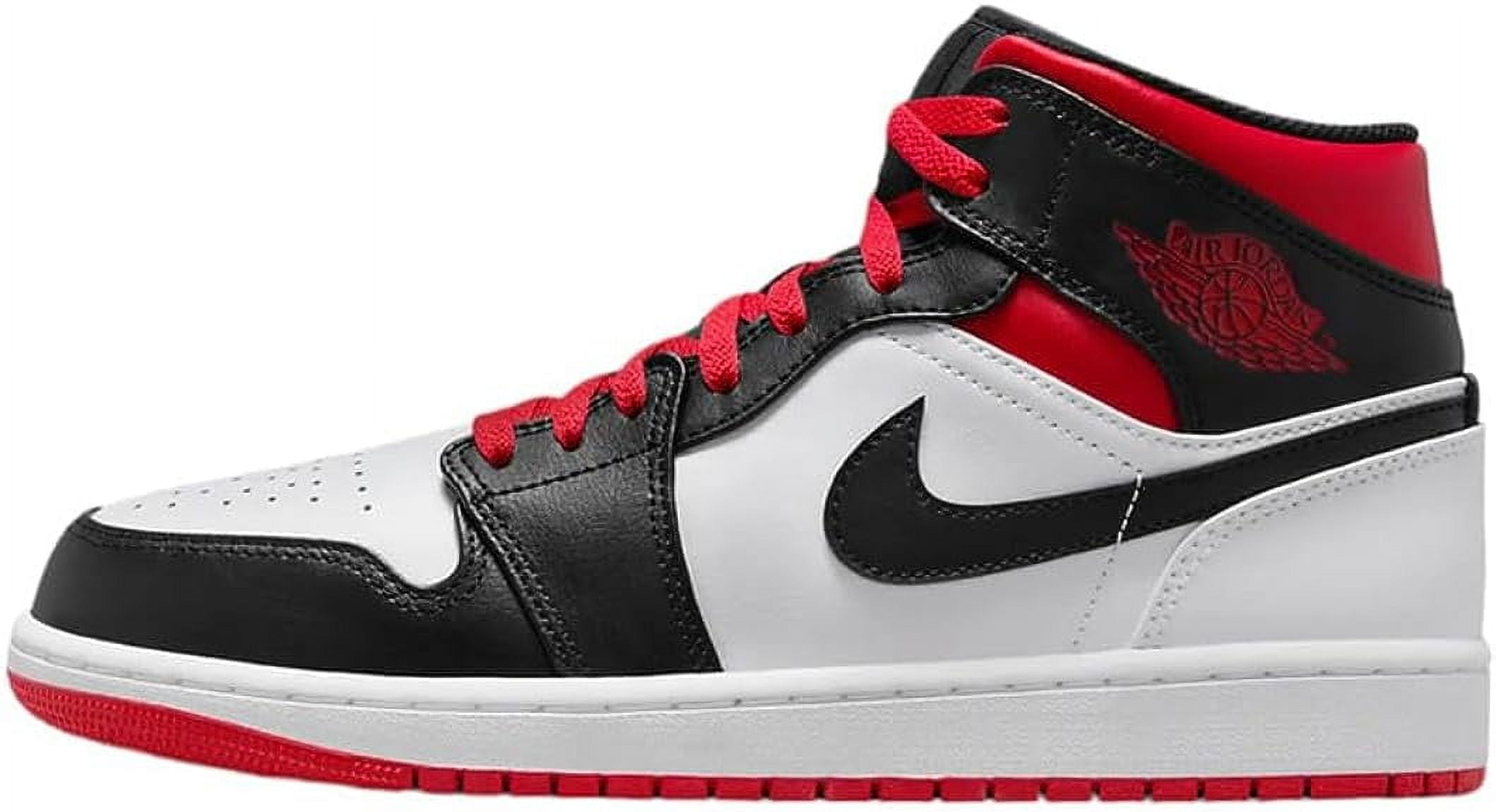
While the Air Jordan 1 was originally designed as a high-performance basketball shoe for Michael Jordan in 1985, modern engineering and basketball footwear standards have evolved significantly. In 2026, while you can technically play basketball in a pair of Jordan 1s, they are classified primarily as lifestyle footwear and lack the impact protection, lockdown, and kinetic energy return found in current professional basketball performance gear.
Historical Context and Original Intent
To understand the position of the Air Jordan 1 in the current athletic landscape, one must look at the climate of basketball footwear in the mid-1980s. When Peter Moore designed the Air Jordan 1, it was considered a technological breakthrough. At the time, basketball sneakers were often flat, heavy, and provided minimal cushioning.
The Jordan 1 introduced several features that were deemed performance-critical for 1985: a high-top cut for ankle stability, a full-grain leather upper for durability, and the inclusion of an "Air" unit in the heel for cushioning. When Michael Jordan debuted the shoe, it was exclusively marketed for professional basketball usage. However, the game of basketball changed rapidly following the mid-80s. Players shifted toward faster, more agile movements and significantly higher-impact landings, leading to the development of specialized materials that the original Jordan 1 construction simply does not utilize.
The Technical Gap: Then vs. Now
The disparity between the Jordan 1 and contemporary performance basketball shoes is rooted in materials science. A modern performance shoe—such as a signature model from 2026—is engineered with lightweight, synthetic, breathable materials that provide high tensile strength. Conversely, the Air Jordan 1 relies on thick, heavy leather overlays that offer little in the way of ventilation or dynamic foot containment.
Cushioning and Impact Protection
The most significant limitation of the Air Jordan 1 for modern basketball is the cushioning system. The original "Air" technology was a static, pressurized pouch. While innovative forty years ago, it lacks the specialized foam compounds found in modern midsoles. Modern shoes utilize energy-returning foams (such as TPU-based beads or proprietary responsive EVA blends) that absorb ground reaction forces and return energy to the athlete.
If you wear Jordan 1s on a hard basketball court, you will notice the lack of impact attenuation. The thin midsole and rubber cupsole design transfer almost all the energy of a jump or a hard cut directly into the wearer’s joints, which can lead to increased fatigue and a higher risk of stress-related injuries over time.
Traction and Outsole Geometry
The outsole of the Jordan 1 features a classic radial pivot point, which was designed to assist with turning movements on the hardwood floors of the 1980s. While this pattern remains iconic, it does not possess the multidirectional grip patterns of modern outsoles designed to handle the lateral forces of today’s game. Modern outsoles are engineered with variable tread depths and high-friction rubber compounds that provide stability during rapid changes of direction. The rigid rubber used in the construction of an Air Jordan 1 is prone to losing traction on dusty indoor courts, which can increase the risk of sliding or instability during high-speed play.
Performance Comparison: Jordan 1 vs. Modern Basketball Shoes
The following table outlines the key technical differences between the original architecture of the Jordan 1 and the standard requirements for a 2026 performance basketball shoe.
| Feature | Air Jordan 1 (Retro/Lifestyle) | Modern Basketball Shoe (2026) |
|---|---|---|
| Upper Material | Full-grain leather | Engineered mesh / Synthetic textiles |
| Midsole Cushioning | Basic encapsulated Air unit | Advanced TPU/PEBAX foam inserts |
| Weight | Heavy (Dense leather construction) | Lightweight (Optimized for speed) |
| Support System | Static high-top collar | Dynamic internal lockdown / Heel cages |
| Ventilation | Minimal (Perforations only) | High (Breathable knit/mesh weave) |
| Primary Usage | Casual wear / Lifestyle | Competitive athletics |
Risks of Using Lifestyle Shoes for Competitive Athletics
Using a lifestyle-marketed version of the Jordan 1 for competitive, full-court basketball carries inherent risks. Because the shoe is designed with fashion and daily wear in mind, the structural integrity of the midsole is not optimized for the repetitive, high-impact stress of basketball.
- Joint Stress: The lack of sophisticated impact absorption translates to direct pressure on the ankles, knees, and lower back.
- Support Fatigue: The leather upper, while durable, does not provide the "lockdown" feel required to prevent foot sliding inside the shoe. This can result in excessive lateral movement, increasing the risk of ankle rolls or ligament strain.
- Heat Management: Due to the leather construction, the shoe traps heat effectively. In a high-intensity environment, this leads to discomfort and potential blistering.
Understanding the "Retro" Factor
It is essential to distinguish between the original 1985 basketball shoe and the "Retro" versions available in 2026. The versions of the Air Jordan 1 sold today are almost exclusively produced as lifestyle products. While they share the silhouette and the aesthetic of the original, the manufacturing processes, glue types, and internal components are prioritized for aesthetic longevity and daily comfort rather than athletic performance.
Purchasing a Jordan 1 with the expectation that it will provide the support, traction, and protection of a professional-grade basketball sneaker is a common misconception. In the context of 2026 footwear categories, the Jordan 1 is a cornerstone of "streetwear" and "lifestyle," not "athletic performance."
Frequently Asked Questions
Can I play recreational basketball in Jordan 1s?
You can play in them, but it is not recommended for frequent use. If you are playing a light game of shooting around or low-intensity H-O-R-S-E, the Jordan 1 is acceptable. However, for full-speed, competitive games, the lack of modern cushioning and lockdown support makes them an suboptimal choice compared to modern performance sneakers.
Do Jordan 1s provide good ankle support?
While the Jordan 1 is a high-top shoe, its "support" is largely aesthetic. It does not contain the specialized ankle-locking mechanisms, heel counters, or torsional shanks found in modern high-tops. It provides a physical sensation of coverage, but not the mechanical stability needed for high-level basketball performance.
Why do some people still play basketball in them?
Some players prefer the "court feel"—a term used to describe a thin sole that allows the foot to be very close to the ground. Because the Jordan 1 has a thin midsole, some players feel they get better traction on the floor. However, this comes at the cost of the impact protection that is vital for long-term joint health.
Are there "performance" versions of the Jordan 1?
Jordan Brand has experimented with "Alpha" or "Modern" iterations of the Jordan 1, such as the Jordan 1 Zoom Air CMFT, which updates the cushioning with superior foam. While these are significantly more comfortable than standard Retro models, they are still categorized as lifestyle shoes when compared to dedicated basketball performance lines.
Will wearing Jordan 1s for basketball ruin them?
Yes. Basketball is a high-friction, high-impact activity. The stress of stopping, pivoting, and jumping will cause the leather to crease aggressively, the midsole to compress or crack, and the outsole tread to wear down prematurely. If you value the aesthetic appearance of your shoes, playing basketball in them will significantly accelerate their depreciation.
Final Recommendation
If your primary goal is to protect your health and enhance your on-court performance, you should opt for footwear specifically designed for the sport in 2026. Look for models labeled as "Performance Basketball" that feature modern responsive foam technologies, engineered breathable uppers, and specialized traction patterns. If you choose to wear Jordan 1s, reserve them for casual settings, as their design intent has shifted from the hardwood to the street.