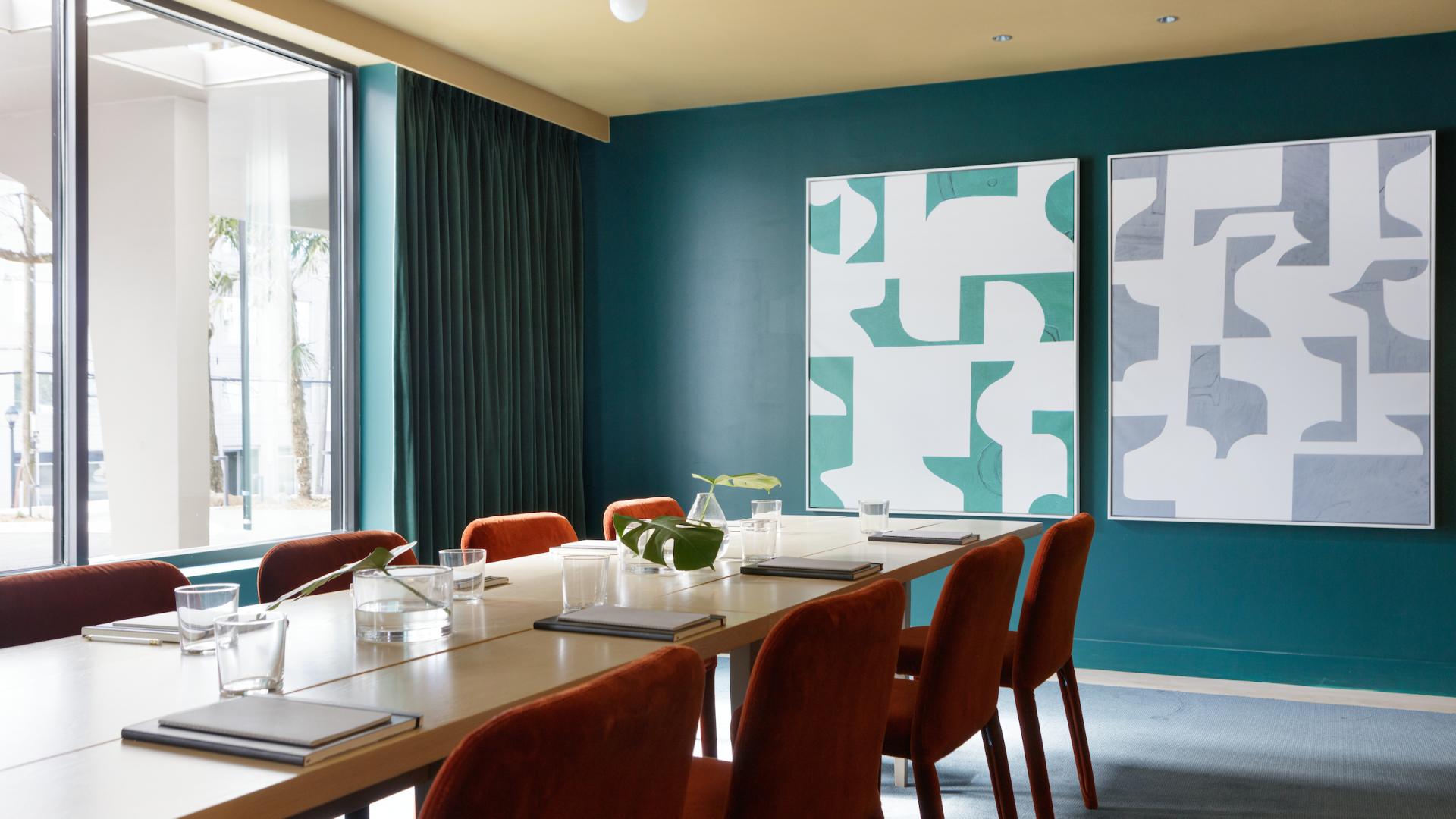
Atlanta offers a diverse range of meeting rooms, from luxury hotels in Buckhead to high-tech coworking hubs in Midtown and the innovative "Tech Square." Selecting the ideal space requires evaluating geographical proximity to Hartsfield-Jackson International Airport, technical infrastructure for high-bandwidth hybrid connectivity, and specific amenity requirements such as onsite catering or dedicated breakout rooms to ensure a productive professional environment.
Navigating the Atlanta Business Landscape in 2026
The city of Atlanta remains a premier destination for corporate events, consistently ranking as a top-tier hub for Fortune 500 headquarters and international commerce. As we navigate the business climate of 2026, the demand for flexible, high-functioning meeting spaces has evolved. Professionals no longer seek just a room with chairs; they require environments that facilitate seamless digital integration, foster creative collaboration, and reflect their corporate brand’s prestige.
The "Gate City" is geographically divided into several distinct business districts, each offering a different atmosphere and set of logistical advantages. Understanding these micro-markets is the first step in narrowing down your options for a business gathering. Whether you are hosting a local board meeting or an international summit, the neighborhood you choose will dictate the ease of travel for your attendees and the overall tone of the event.
Key Business Districts for Meeting Rooms
Midtown: The Innovation and Tech Hub
Midtown Atlanta, often referred to as "Tech Square," is the epicenter of the city’s technological growth. Meeting rooms here are characterized by modern aesthetics and cutting-edge technology. This area is ideal for startups, tech firms, and academic collaborations due to its proximity to the Georgia Institute of Technology.
When considering Midtown, look for venues that offer robust fiber-optic internet and integrated hardware for hybrid meetings. The walkable nature of Midtown also allows attendees to access high-end dining and cultural attractions like the High Museum of Art during breaks, making it a favorite for multi-day sessions.
Buckhead: Sophistication and Luxury
Buckhead is Atlanta’s financial and fashion district, offering the highest concentration of luxury hotels and upscale meeting facilities. If your business gathering requires an atmosphere of exclusivity and prestige—such as a high-stakes negotiation or a VIP client presentation—Buckhead is the primary choice.
The meeting rooms in this district are often located within five-star hotels or Class-A office towers. These venues provide full-service amenities, including concierge support, white-glove catering, and valet parking. However, planners must account for the district's notorious traffic congestion during peak hours, which can impact arrival times for local participants.
Downtown: The Convention and Government Center
Downtown Atlanta is home to the Georgia World Congress Center (GWCC), one of the largest convention centers in the United States. While the GWCC handles massive exhibitions, the surrounding area is dense with hotels and specialized meeting centers that cater to medium-sized business groups.
Downtown is the most accessible district via MARTA (Metropolitan Atlanta Rapid Transit Authority), making it a logical choice if a significant portion of your attendees are flying into Hartsfield-Jackson. The proximity to the State Capitol and major corporate headquarters like Coca-Cola and NCR also makes it a strategic location for government relations and corporate governance meetings.
The Perimeter and Sandy Springs: Corporate Accessibility
Located at the intersection of I-285 and GA-400, the Perimeter Center area is a major employment hub. Meeting rooms here often provide a more cost-effective alternative to the city center while remaining highly accessible for commuters living in the northern suburbs. Many venues in this area offer ample free or discounted parking, a significant advantage over the expensive parking decks found in Midtown or Downtown.
Types of Meeting Room Venues in Atlanta
Choosing the right type of venue is just as important as the location. In 2026, the lines between hospitality and workspace have blurred, giving planners a variety of models to choose from.
1. Dedicated Coworking Spaces
Coworking providers like Industrious, Roam, and WeWork have established a massive footprint in Atlanta. These spaces are designed specifically for productivity.
- Pros: Flexible hourly or daily booking; modern decor; inclusive coffee and tea services; on-site community managers.
- Cons: Potential for noise in common areas; limited privacy in glass-walled rooms; varying levels of AV support.
2. Full-Service Hotels
Hotels remain the traditional choice for business gatherings that require overnight accommodation and extensive catering.
- Pros: Seamless transition from sleeping rooms to meeting space; comprehensive AV teams; professional banquet services.
- Cons: Higher price points; strict cancellation policies; "hidden" fees such as service charges and resort fees.
3. Purpose-Built Conference Centers
Facilities like the Loudermilk Conference Center or the Georgia Tech Global Learning Center are designed exclusively for meetings and education.
- Pros: Ergonomic furniture; specialized acoustic treatments; distraction-free environments.
- Cons: Often have limited weekend availability; may lack the "character" of a boutique hotel or creative coworking space.
4. Unique and Non-Traditional Spaces
For creative brainstorming or team-building, many businesses look toward venues like the Ponce City Market, the Atlanta Botanical Garden, or converted industrial spaces in the Westside Provisions District.
- Pros: Memorable atmosphere; fosters creative thinking; unique photo opportunities.
- Cons: Logistical challenges (e.g., bringing in external AV or catering); potentially unreliable acoustics for formal presentations.
Technical Requirements for 2026 Gatherings
In 2026, the baseline for "adequate" technology has shifted. A simple HDMI cable and a projector are no longer sufficient for most professional gatherings.
Hybrid Connectivity and Bandwidth
With a significant portion of the workforce operating in a hybrid capacity, your meeting room must support high-quality video conferencing. This requires synchronous upload and download speeds (ideally via Wi-Fi 6E or Wi-Fi 7) to prevent lag. Look for rooms equipped with 4K PTZ (Pan-Tilt-Zoom) cameras and spatial audio microphones that can pick up voices clearly from anywhere in the room.
Interactive Displays and Digital Whiteboarding
Traditional flip charts are being replaced by interactive touchscreens (such as Microsoft Surface Hubs or Zoom Rooms). These tools allow both in-person and remote participants to annotate documents in real-time, with the final results instantly shareable via cloud storage.
Power and Ergonomics
Ensure the room has integrated power outlets at the table level for every participant. In a day-long session, attendees will inevitably need to charge laptops and mobile devices. Furthermore, verify that the seating is rated for 8-hour comfort. Ergonomic "task chairs" are far superior to the standard banquet chairs often found in older hotel ballrooms.
Logistics: Getting To and Around Atlanta
Atlanta’s infrastructure is a critical factor in event planning. Your choice of meeting room should be influenced by how your attendees will arrive.
- Hartsfield-Jackson International Airport (ATL): As one of the world's busiest airports, it provides unparalleled access for out-of-town guests. If your meeting is short (under 4 hours), consider venues in the "Airport District" (College Park or Hapeville) to save attendees the 20-30 minute drive into the city.
- MARTA: For meetings in Downtown, Midtown, or Buckhead, encourage the use of MARTA. It is the most reliable way to bypass the city's heavy traffic. When selecting a venue, check its distance from the nearest MARTA rail station (e.g., North Avenue, Arts Center, or Buckhead stations).
- Ride-Share and Parking: If your attendees are driving, clarify the parking situation. Downtown and Midtown parking can range from $20 to $50 per day. Some venues offer "validated parking," which can be a significant cost-saver for your budget.
Cost Considerations and Budgeting
Meeting room costs in Atlanta vary widely based on the district and the level of service. In 2026, many venues have moved toward "all-inclusive" day rates, while others maintain a traditional a la carte model.
Understanding the Pricing Models
- Hourly Rates: Common in coworking spaces. Expect to pay anywhere from $50 to $250 per hour depending on room size and location.
- Day Delegate Rates (DDR): Common in hotels and conference centers. This typically includes the room hire, basic AV, morning/afternoon coffee breaks, and lunch. In Atlanta, DDRs usually range from $85 to $150 per person.
- Minimum Spends: Some restaurant-based meeting rooms or private clubs don't charge a "room fee" but require a minimum spend on food and beverages.
Hidden Costs to Watch For
When reviewing a contract, pay close attention to:
- Service Charges: Hotels often add a 22-25% service charge on top of food and beverage costs.
- Labor Fees: Charges for AV technicians or dedicated banquet staff.
- Connectivity Fees: Some venues still charge per-device for high-speed Wi-Fi access.
- Cleaning Fees: Particularly relevant for non-traditional or warehouse-style venues.
Comparison of Venue Categories
| Venue Type | Typical Capacity | Best For | Technical Support | Price Range |
|---|---|---|---|---|
| Coworking Hubs | 4 – 20 people | Small teams, startups | High (Plug-and-play) | Moderate ($) |
| Boutique Hotels | 10 – 100 people | Creative retreats, VIPs | Moderate (On-call) | High ($$$) |
| Conference Centers | 20 – 500+ people | Training, large seminars | Very High (On-site) | Variable ($$ - $$$) |
| Corporate Office Suites | 2 – 12 people | Legal, board meetings | Basic | Low/Moderate ($) |
| Event Lofts | 30 – 150 people | Launch parties, mixers | Low (Needs rental) | Moderate ($$) |
Sustainability and Corporate Social Responsibility (CSR)
In 2026, corporate gatherings are under increased scrutiny regarding their environmental impact. Atlanta has made significant strides in green building initiatives.
- LEED Certified Venues: Many of the newer skyscrapers in Midtown and the renovated buildings in Downtown hold LEED (Leadership in Energy and Environmental Design) certifications.
- Catering Waste: Inquire if the venue works with local organizations like the Atlanta Community Food Bank to donate excess unserved food.
- Digital Materials: Minimize paper waste by utilizing the venue's digital signage and mobile apps for agendas rather than printing physical packets for every attendee.
Frequently Asked Questions
What is the best neighborhood for a meeting if most people are flying in?
Downtown or the Airport District are the most convenient. Downtown is directly accessible via the MARTA Gold and Red lines from the airport, taking approximately 20 minutes. If the meeting is very brief, the Gateway Center (connected to the airport via the ATL SkyTrain) offers professional meeting spaces within walking distance of the terminal.
How far in advance should I book a meeting room in Atlanta?
For small rooms (under 10 people) in coworking spaces, you can often book 24-48 hours in advance. For mid-sized gatherings (20-50 people) in popular Midtown or Buckhead hotels, it is advisable to book at least 3-6 months out, especially during peak "convention seasons" in the spring and fall.
Do Atlanta meeting rooms typically include catering?
Coworking spaces usually provide water, coffee, and tea, but require you to bring in outside catering or use a preferred vendor list. Hotels and specialized conference centers almost always have in-house catering and may actually prohibit outside food due to health regulations and labor contracts.
Are there quiet meeting rooms available near the Georgia World Congress Center?
Yes, while the GWCC itself is bustling, several adjacent hotels and the Loudermilk Conference Center offer dedicated, sound-proofed meeting rooms that provide a reprieve from the noise of large-scale trade shows.
Is valet parking standard for business meetings in Atlanta?
Valet is standard at luxury hotels in Buckhead and Midtown. In Downtown, self-parking in multi-story decks is more common. Always clarify with the venue if they can "master-bill" the parking costs so your guests do not have to pay individually upon arrival.
Practical Recommendation
When selecting an Atlanta meeting room for 2026, your first action should be to define the "Connectivity-Location-Budget" triad. If your priority is tech-heavy collaboration, focus on Midtown coworking hubs. If you are hosting high-level executives who require premium service, prioritize Buckhead luxury hotels. For groups with diverse travel origins, prioritize Downtown venues near MARTA. Always request a "test login" for the Wi-Fi during your site visit to verify that the speeds meet your technical requirements for video streaming and cloud-based work.