Finding reliable Atlanta plumber services in 2026 requires navigating a landscape of aging historic infrastructure, rapid urban expansion, and specific Georgia licensing regulations. Residents must prioritize licensed professionals who understand local challenges like invasive tree roots in Midtown and Piedmont Park, high-efficiency water heater transitions, and the City of Atlanta’s specific permitting requirements for major sewer or gas line repairs.
The plumbing industry in Metro Atlanta has evolved significantly as of 2026, blending traditional mechanical skills with advanced diagnostic technology. Whether you are dealing with a burst pipe in a Buckhead mansion or a sewage backup in a West End bungalow, the unique environmental and regulatory factors of the "City in a Forest" dictate how plumbing services are delivered and priced.
Understanding the Atlanta Plumbing Landscape in 2026
The plumbing needs of Atlanta are as diverse as its neighborhoods. In 2026, the metropolitan area continues to face challenges stemming from its rapid growth in the late 20th century, alongside a commitment to preserving historic districts. This creates a bifurcated demand: specialized restoration plumbing for older homes and high-tech, high-efficiency installations for new mixed-use developments.
For homeowners, the primary concern is often the intersection of Georgia’s clay-heavy soil and the expansive root systems of the city's massive oak canopy. These factors lead to frequent sewer line disruptions that require specific expertise. Furthermore, the 2026 regulatory environment emphasizes water conservation, with the Atlanta Department of Watershed Management enforcing strict standards to manage the city's water resources effectively.
When seeking professional help, it is vital to distinguish between general handymen and state-licensed plumbers. In Georgia, plumbing is a highly regulated trade, and hiring an unlicensed individual for major work can lead to significant legal and financial liabilities, especially regarding insurance claims and property resale.
Essential Plumbing Services for Atlanta Residents
Plumbing services in the Atlanta area cover a broad spectrum of preventative, emergency, and installation tasks. As technology has advanced into 2026, many of these services now incorporate non-invasive methods that save homeowners time and landscaping costs.
Emergency Repairs and Leak Detection
Emergency services remain the most requested plumbing category in the Metro area. Atlanta’s climate, characterized by high humidity and occasional hard freezes in the winter months, puts unique stress on piping materials.
Modern leak detection in 2026 utilizes acoustic sensors and thermal imaging. Rather than tearing through drywall to find a pinhole leak in a copper pipe, technicians use high-frequency microphones to "listen" for the sound of escaping water. This is particularly crucial in multi-story condos in Atlantic Station or Buckhead, where a single leak can cause cascading damage to multiple units.
Sewer Line and Drain Solutions
Atlanta is famous for its trees, but those trees are the primary enemy of residential sewer lines. The city's red clay soil shifts with heavy rains, causing older terracotta or cast-iron pipes to crack. Once a crack appears, tree roots seek out the moisture, eventually blocking the line entirely.
In 2026, trenchless sewer repair has become the gold standard in Atlanta. Instead of digging a massive trench across a manicured lawn, plumbers use "pipe bursting" or "cured-in-place pipe" (CIPP) lining. This involves pulling a new, flexible resin liner through the existing pipe and inflating it, creating a "pipe within a pipe" that is impervious to root intrusion.
Water Heater Installation and Maintenance
As of 2026, federal and local energy standards have pushed Atlanta homeowners toward more efficient water heating solutions. While traditional tank heaters are still available, tankless water heaters and heat pump water heaters have seen a massive surge in adoption.
- Tankless Systems: These provide on-demand hot water, which is ideal for the large households found in suburbs like Sandy Springs or Marietta. They take up significantly less space, often being mounted on exterior walls.
- Heat Pump Water Heaters: These are particularly effective in Georgia’s climate. They pull heat from the surrounding air to heat the water, effectively acting as a dehumidifier for damp Atlanta basements while providing hot water at a fraction of the cost of electric resistance heaters.
Key Considerations When Hiring an Atlanta Plumber
Not all plumbing companies are created equal. In a major metropolitan market like Atlanta, the sheer number of options can be overwhelming. To ensure safety and quality, several critical factors must be verified before work begins.
Licensing and Certification in Georgia
The most important consideration is the plumber’s license. The Georgia Secretary of State’s Construction Industry Licensing Board oversees plumbing licenses. There are two primary levels:
- Class I (Restricted): This license limits the plumber to one- and two-family dwellings and small commercial structures.
- Class II (Unrestricted): This allows the plumber to work on any residential or commercial project, regardless of size.
In 2026, it is standard practice to request the license number and verify it via the Secretary of State’s online portal. Using an unlicensed plumber for gas line work or major drainage projects is not only dangerous but can result in the City of Atlanta refusing to issue a "Certificate of Occupancy" or "Letter of Completion" for renovations.
Insurance and Liability Protection
A reputable Atlanta plumbing firm must carry both General Liability Insurance and Workers' Compensation. General liability protects your property if a plumber accidentally causes a flood or fire. Workers' compensation is equally vital; if a technician is injured on your property and the company does not have insurance, you could be held liable for their medical expenses and lost wages.
In 2026, the recommended minimum for general liability in a metro area like Atlanta is $1,000,000. Always ask for a "Certificate of Insurance" (COI) that lists you as the certificate holder for major projects.
Pricing Models and Local Labor Rates
Atlanta’s cost of living and the notorious "Sprawl" significantly impact plumbing prices. In 2026, most top-tier plumbing companies have moved toward flat-rate pricing rather than hourly rates. This provides transparency, as the homeowner knows the total cost before the work starts.
Labor rates in Atlanta typically reflect the technician's commute time and the cost of maintaining a fleet in heavy traffic. Homeowners should expect "dispatch fees" or "service call fees" ranging from $79 to $150, which are often waived if the repair is authorized.
| Service Type | Estimated 2026 Price Range (Atlanta) | Typical Duration |
|---|---|---|
| Standard Drain Cleaning | $175 – $450 | 1–2 Hours |
| Hydro-Jetting Sewer Line | $600 – $1,200 | 2–4 Hours |
| Water Heater Replacement (Tank) | $1,800 – $3,500 | 3–5 Hours |
| Tankless Water Heater Install | $4,500 – $7,500 | 1 Full Day |
| Trenchless Sewer Repair | $150 – $300 per linear foot | 1–3 Days |
| Gas Line Repair (Minor) | $350 – $800 | 2–4 Hours |
Geographic and Environmental Factors in Metro Atlanta
The physical environment of Atlanta dictates many of the common plumbing issues residents face. Understanding these factors can help homeowners engage in better preventative maintenance.
Older Infrastructure and Historic Homes
Neighborhoods like Virginia-Highland, Inman Park, and Grant Park feature homes built in the early 20th century. These properties often still contain galvanized steel pipes or old cast-iron drains. By 2026, many of these systems have reached the end of their functional lifespan.
Galvanized pipes corrode from the inside out, leading to low water pressure and "rusty" water. Atlanta plumbers specializing in historic homes often recommend a "whole-home repipe" using PEX (cross-linked polyethylene). PEX is flexible, resistant to scale buildup, and much faster to install than copper, making it the preferred choice for retrofitting older Atlanta structures.
Tree Roots and Soil Conditions
As mentioned, the "City in a Forest" designation comes with a subterranean cost. The aggressive roots of Water Oaks and Willow Oaks can penetrate even small hairline fractures in sewer lines. Additionally, Georgia’s expansive red clay expands when wet and shrinks when dry. This constant movement can cause "bellies" or sags in sewer lines where debris collects, eventually leading to a backup.
Plumbers in the area frequently use sewer cameras to inspect these lines. In 2026, these cameras provide high-definition video feeds that can be shared directly to a homeowner’s smartphone, providing visual proof of the blockage or break.
Weather Impacts: From Humidity to Rare Freezes
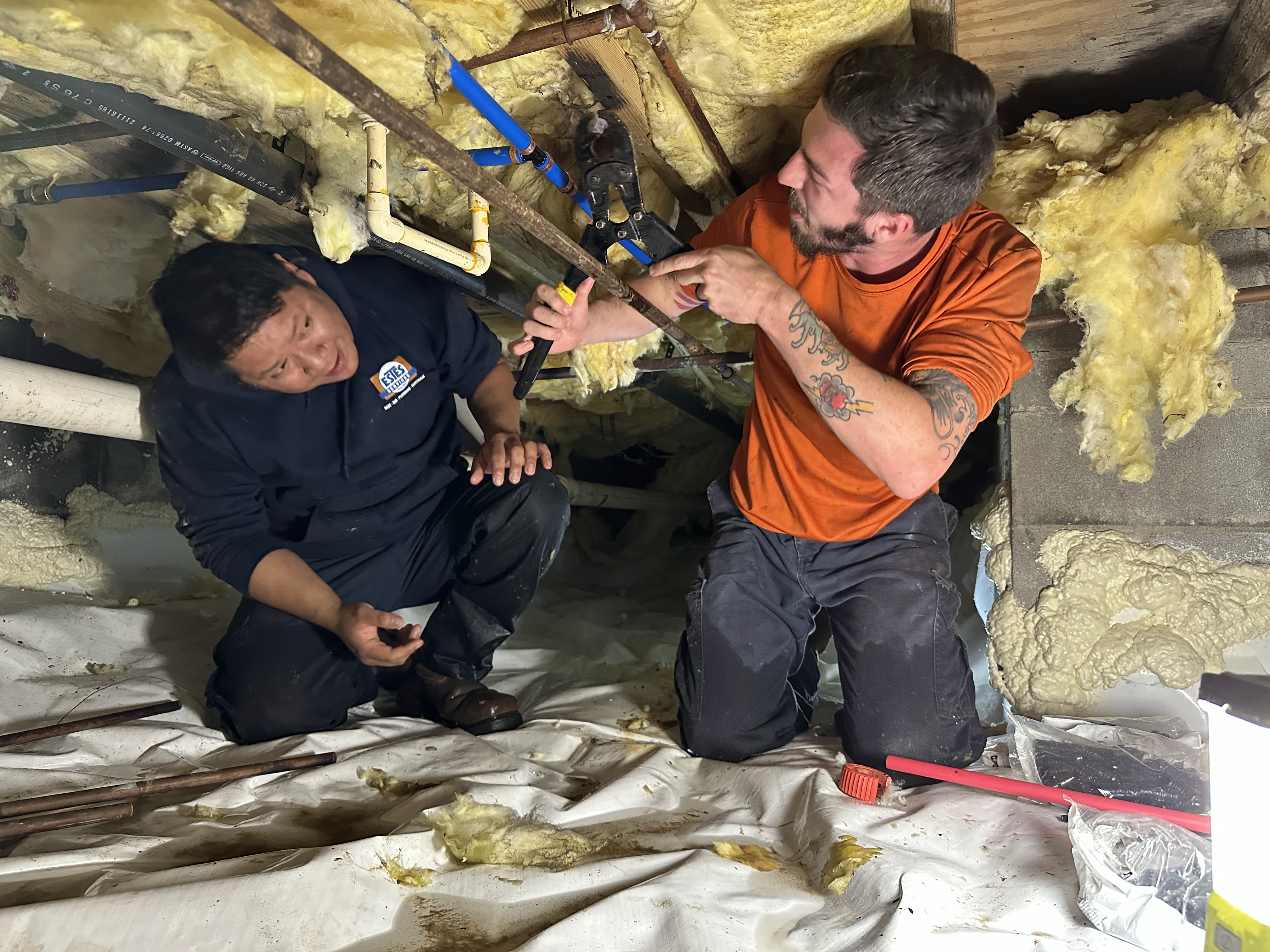
While Atlanta is not the North, it does experience "Polar Vortex" events. Many Atlanta homes are built on crawlspaces with inadequately insulated plumbing. When temperatures drop below freezing for several days, these pipes are at high risk.
Conversely, the extreme summer humidity in Georgia causes "sweating" on cold water pipes. If not properly insulated, this condensation can drip onto drywall or subflooring, leading to mold growth that is often mistaken for a standard pipe leak. Professional Atlanta plumbers in 2026 focus heavily on proper pipe insulation as a core part of their service.
Advanced Technology in Atlanta Plumbing Services
The year 2026 has seen the widespread adoption of "Smart Plumbing" technologies in the Metro Atlanta area. These innovations provide a level of security that was previously unavailable.
- Smart Leak Shut-off Valves: Devices like the Flo by Moen or Phyn are now frequently installed at the main water shut-off. These devices monitor water flow and can automatically shut off the water if they detect a burst pipe, sending an alert to the homeowner’s phone.
- Descaling Machines: For homes with cast-iron pipes that aren't yet ready for replacement, high-speed descaling machines can scrape away decades of rust and scale, restoring the pipe's interior diameter without the need for excavation.
- Greywater Recycling: In some of Atlanta’s newer, "green" developments, plumbers are installing systems that take water from showers and sinks, treat it, and reuse it for toilet flushing or irrigation, significantly lowering the municipal water bill.
Frequently Asked Questions
Do I need a permit for plumbing work in Atlanta? In most cases, yes. The City of Atlanta and surrounding counties (Fulton, DeKalb, Cobb, Gwinnett) require permits for "major" work, including water heater replacements, sewer line repairs, and gas line modifications. A licensed plumber should handle the permitting process for you. Failure to obtain a permit can result in fines and issues with home inspections during a sale.
Why is my water bill suddenly so high in Atlanta? If your usage habits haven't changed, a high bill usually indicates a silent leak. The most common culprit is a leaking toilet flapper or a slab leak (a leak in the pipes under your home's foundation). The Atlanta Department of Watershed Management offers a "leak adjustment" on bills if you can provide a plumber's receipt showing the leak was repaired.
How often should I have my drains cleaned in Atlanta? For older homes with significant tree coverage, a preventative hydro-jetting or professional drain cleaning every 18 to 24 months is recommended. This clears out small root intrusions before they can cause a total blockage and sewage backup into the home.
What is the difference between a Master Plumber and a Journeyman? In Georgia, a Journeyman Plumber has completed the necessary experience and testing to perform work but must work under the supervision of a Master Plumber. A Master Plumber has additional experience (usually at least five years) and has passed a more rigorous exam, allowing them to own a plumbing business and pull permits.
Is PEX piping legal and safe in Atlanta? Yes, PEX is fully approved by the Georgia State Plumbing Code and is the most common material used for repiping in 2026. It is highly resistant to the slightly acidic water found in some parts of the Southeast and is less likely to burst during a freeze than rigid copper or CPVC.
Practical Recommendation
If you are a property owner in the Metro Atlanta area in 2026, the best approach to plumbing is proactive maintenance. Given the city’s environmental challenges, you should establish a relationship with a licensed Class II Master Plumber before an emergency occurs.
Start by scheduling a whole-home plumbing inspection, specifically requesting a camera lateral inspection of your sewer line if your home was built before 2000. This $200–$400 investment can prevent a $10,000 emergency sewer collapse. When choosing a service provider, prioritize companies that offer upfront flat-rate pricing and can provide a current Georgia license number and Certificate of Insurance. This ensures that your property—and your wallet—remain protected against the unique demands of Atlanta’s plumbing environment.