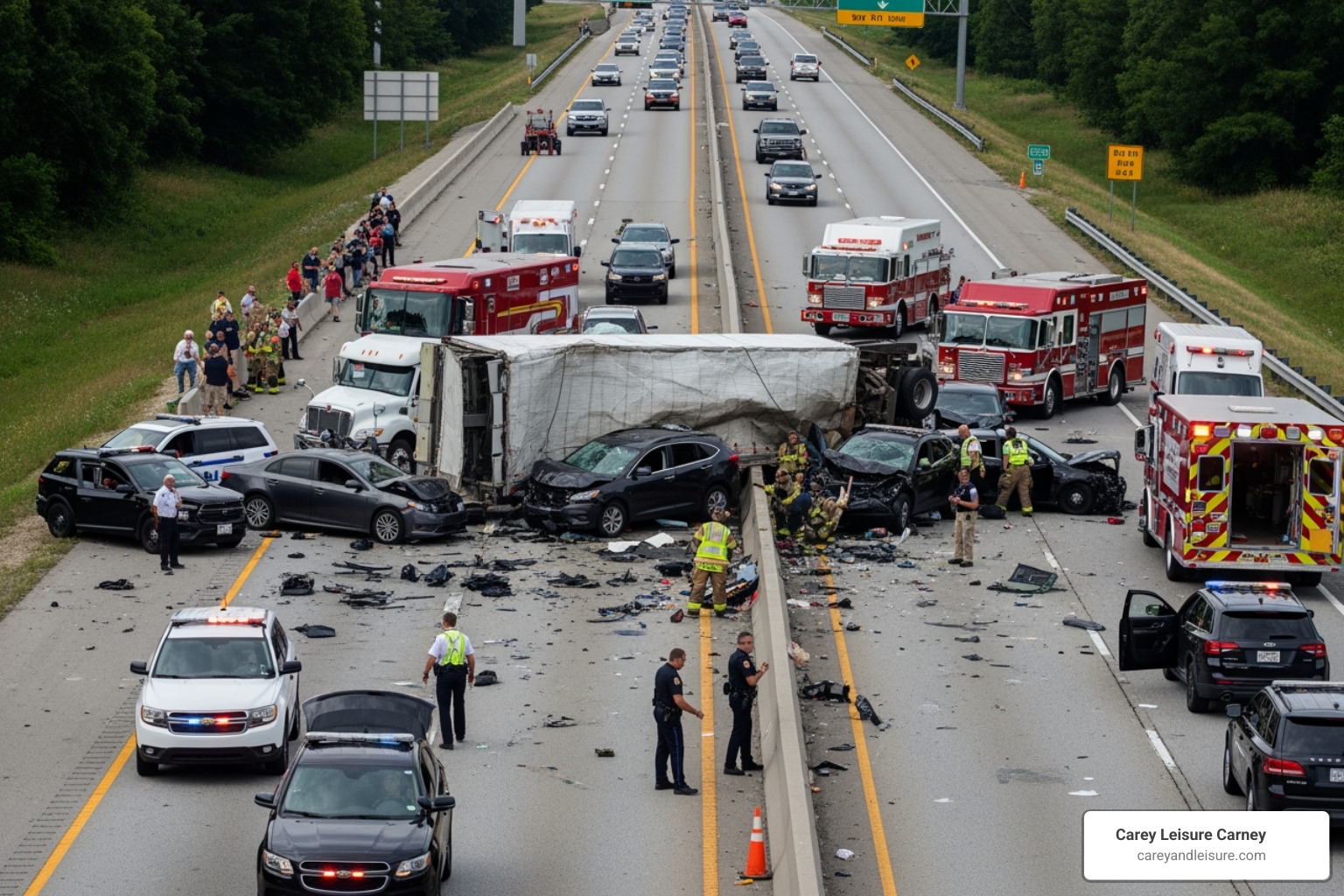
Atlanta rideshare accident attorneys specialize in litigating complex personal injury claims involving companies like Uber and Lyft. These legal professionals navigate the unique three-tiered insurance structure mandated by Georgia law to ensure victims—including passengers, drivers, and third-party motorists—receive maximum compensation for medical bills, lost wages, and pain and suffering following a collision.
The rise of transportation network companies (TNCs) has fundamentally altered the traffic landscape of Metro Atlanta. From the congested corridors of the Downtown Connector to the sprawling suburbs of Gwinnett and Cobb counties, Uber and Lyft vehicles are omnipresent. However, when a crash occurs, the legal path to recovery is significantly more complicated than a standard two-car accident. Because rideshare drivers are typically classified as independent contractors rather than employees, and because their insurance coverage shifts based on their "app status," hiring a specialized Atlanta rideshare accident attorney is often the only way to secure a fair settlement in 2026.
The Legal Framework of Rideshare Accidents in Georgia
In Georgia, rideshare operations are governed primarily by the Corporate Responsibility in Transportation Act (HB 225). This legislation clarifies how insurance must be applied to TNCs. Understanding this framework is the first step an attorney takes when evaluating a case. The law dictates that the amount of available insurance coverage depends entirely on what the driver was doing at the exact moment of the impact.
The complexity arises because there are three distinct "periods" of activity. In Period 1, the driver has the app open but has not yet accepted a ride request. In Period 2, the driver has accepted a request and is en route to pick up a passenger. In Period 3, the passenger is physically in the vehicle. Each period carries different liability minimums. An experienced attorney will subpoena digital logs from Uber or Lyft to verify the driver’s status, as insurance companies frequently attempt to "down-tier" a claim to a lower-coverage period to save money.
Furthermore, Georgia follows a modified comparative negligence system. Under OCGA § 51-12-33, a plaintiff can only recover damages if they are less than 50% responsible for the accident. If an Atlanta rideshare attorney cannot prove the other party’s majority fault, the victim may be barred from recovery entirely. This makes the investigative phase of a legal claim paramount.
Why Specialized Legal Representation is Necessary
Standard personal injury lawyers may understand the basics of a car wreck, but rideshare litigation requires a deeper technical understanding of digital evidence and corporate liability shields. Atlanta rideshare accident attorneys focus on overcoming several specific hurdles that are unique to the TNC industry.
Overcoming the Independent Contractor Defense
Uber and Lyft historically use the "independent contractor" classification to distance themselves from the negligent actions of their drivers. Under the doctrine of respondeat superior, employers are generally liable for the negligence of their employees. By labeling drivers as contractors, TNCs argue they are not responsible for the crashes those drivers cause. However, a skilled attorney looks for "indices of control"—ways in which the company dictates the driver’s behavior—to argue that the company should still bear some level of liability, especially if there were flaws in the driver’s background check or vehicle inspection process.
Accessing App Data and Digital Forensics
One of the most critical pieces of evidence in a 2026 rideshare case is the "telematics" data recorded by the app. This data tracks speed, braking patterns, GPS location, and even whether the driver was interacting with their phone screen at the time of the crash. While this data is incredibly valuable, Uber and Lyft do not hand it over voluntarily. An Atlanta attorney must file a preservation of evidence letter (often called a spoliation letter) immediately to ensure this data isn't deleted, followed by a formal subpoena during the discovery phase of a lawsuit.
Managing Multiple Insurance Policies
A single rideshare accident can involve up to four different insurance policies: the driver’s personal auto insurance, the TNC’s supplemental liability policy, the victim’s own uninsured/underinsured motorist (UM/UIM) coverage, and potentially a third-party motorist’s policy. Navigating the "order of priority"—which policy pays first and which pays second—is a logistical nightmare for unrepresented victims. Attorneys ensure that all "stacked" coverages are exhausted to cover catastrophic injuries.
Common Causes of Rideshare Collisions in Metro Atlanta
Atlanta’s unique geography and traffic patterns contribute to specific types of rideshare accidents. Attorneys in the city frequently see cases originating from the following behaviors:
- Sudden Lane Changes for Pickups: Drivers often swerve across multiple lanes of traffic on Peachtree Street or near Hartsfield-Jackson International Airport to reach a passenger's "pin" location.
- Navigation Distraction: Unlike a standard driver who knows their destination, rideshare drivers are constantly staring at a mounted phone for GPS turn-by-turn directions, leading to "inattentional blindness."
- Driver Fatigue: Many Atlanta rideshare drivers work long hours, often "double-apping" by running both Uber and Lyft simultaneously to maximize earnings. This leads to slowed reaction times comparable to drunk driving.
- Illegal U-Turns: In an effort to reach a passenger quickly in areas like Buckhead or Midtown, drivers may perform illegal maneuvers that result in T-bone collisions.
Compensation Available to Victims
In 2026, the cost of medical care in Georgia continues to rise, making full financial recovery essential. A comprehensive legal claim handled by an Atlanta rideshare accident attorney typically seeks damages in several categories:
- Economic Damages: These are quantifiable losses including emergency room visits, surgeries, physical therapy, and future medical expenses. It also includes lost wages and the loss of future earning capacity if the victim can no longer work.
- Non-Economic Damages: These compensate for intangible losses such as physical pain, emotional distress, loss of enjoyment of life, and "loss of consortium" for the victim’s spouse.
- Property Damage: Coverage for the repair or total loss of a vehicle, which is particularly relevant for third-party drivers struck by a rideshare vehicle.
- Punitive Damages: In rare cases where the driver was under the influence of drugs or alcohol, or where the TNC demonstrated "willful misconduct" or "wantonness," the court may award punitive damages to punish the offender and deter similar conduct.
Comparison of Rideshare Insurance Coverage Limits (2026 Standards)
The following table outlines the typical insurance coverage limits available for accidents in Georgia based on the driver's status within the app.
| Driver Status | Insurance Applicable | Liability Limit (Typical) | UM/UIM Coverage |
|---|---|---|---|
| App Offline | Driver's Personal Policy | Georgia Minimum (25/50/25) | None from TNC |
| App On (No Request) | TNC Contingent Policy | $50,000 per person / $100,000 total | Minimal/Contingent |
| En Route (Accepted) | TNC Commercial Policy | $1,000,000 Combined Single Limit | Included ($1M) |
| Active Trip (Passenger) | TNC Commercial Policy | $1,000,000 Combined Single Limit | Included ($1M) |
Note: These figures represent standard commercial policies used by major TNCs in Georgia as of 2026. Specific limits may vary based on policy updates or municipal regulations.
Steps to Take After an Atlanta Rideshare Crash
If you are involved in an accident involving an Uber or Lyft vehicle in the Metro Atlanta area, the actions you take in the first 60 minutes can dictate the success of your future legal claim.
- Check for Injuries and Call 911: Ensure the Atlanta Police Department or Georgia State Patrol arrives to create an official accident report. This report is the foundational document for any insurance claim.
- Screenshot the App: If you are the passenger, screenshot your ride receipt and the driver's profile immediately. If you are a third-party driver, try to see if the driver has the app open on their dashboard.
- Gather Evidence at the Scene: Use your phone to take photos of vehicle positions, license plates, nearby traffic signs, and the road conditions. If there are witnesses, get their contact information; do not rely on the police to do this for you.
- Seek Medical Attention Immediately: Even if you feel "fine," the adrenaline of a crash can mask symptoms of whiplash or internal bleeding. In Georgia, insurance adjusters often argue that a delay in treatment (even by 48 hours) means the injury was not caused by the accident.
- Do Not Give a Recorded Statement: You will likely be contacted by an insurance adjuster from a firm like Progressive or Farmers (which often handle TNC claims). They are looking for reasons to deny your claim. Politely decline to give a statement until you have consulted with an attorney.
The Statute of Limitations in Georgia
Under OCGA § 9-3-33, the statute of limitations for personal injury claims in Georgia is two years from the date of the accident. While two years may seem like a significant amount of time, the complexity of a rideshare case requires months of investigation before a lawsuit can even be filed. If the claim is against a government entity (for example, if a rideshare driver hit a city-owned vehicle), the deadline to file a "formal notice of claim" (ante litem notice) can be as short as six months. Waiting too long can permanently bar your right to compensation.
Frequently Asked Questions
What if I was a passenger and my Uber driver caused the crash?
As a passenger, you are almost always considered a neutral party with zero liability. You are covered by the TNC’s $1 million commercial liability policy. Even if the other driver was at fault and was uninsured, the TNC’s policy includes Uninsured Motorist (UM) coverage to protect you. An Atlanta rideshare attorney will help you file the claim against the correct policy to ensure your medical bills are paid.
Can I sue Uber or Lyft directly?
In most cases, you do not sue the company directly for the driver's negligence due to their independent contractor status. Instead, you file a claim against their high-limit insurance policy. However, you may be able to sue the company directly for "negligent hiring" or "negligent entrustment" if the attorney can prove the company knew the driver had a dangerous driving record and allowed them to remain on the platform anyway.
What if the rideshare driver's personal insurance denies my claim?
This is a common occurrence. Most personal auto insurance policies in Georgia have a "business use exclusion," meaning they will not cover accidents that happen while the driver is working for a rideshare company. This is why the TNC’s contingent or commercial policy is vital. An attorney will navigate these denials and trigger the TNC's secondary coverage.
How much does it cost to hire an Atlanta rideshare accident lawyer?
Most reputable personal injury firms in Atlanta operate on a contingency fee basis. This means there are no upfront costs or hourly fees. The attorney only gets paid if they win your case, typically taking a percentage (usually 33.3% to 40%) of the final settlement or court award.
What if I was hit by a rideshare driver while walking or biking?
Pedestrians and cyclists have the same rights as other motorists. If an Uber or Lyft driver hits you while their app is active, you are covered by their commercial insurance policy. Because pedestrians often suffer catastrophic or "eggshell" injuries, these cases frequently reach the maximum policy limits.
Practical Recommendation
If you have been involved in a collision with a rideshare vehicle in Atlanta, your first priority should be a medical evaluation, followed immediately by a consultation with a qualified legal professional. Do not attempt to negotiate with TNC insurance adjusters on your own, as they are trained to minimize payouts by exploiting the complex "period-based" insurance rules. Look for an attorney who has a proven track record of litigating TNC cases specifically in Fulton, DeKalb, or Gwinnett County courts, as local procedural knowledge is often the deciding factor in securing a favorable verdict.