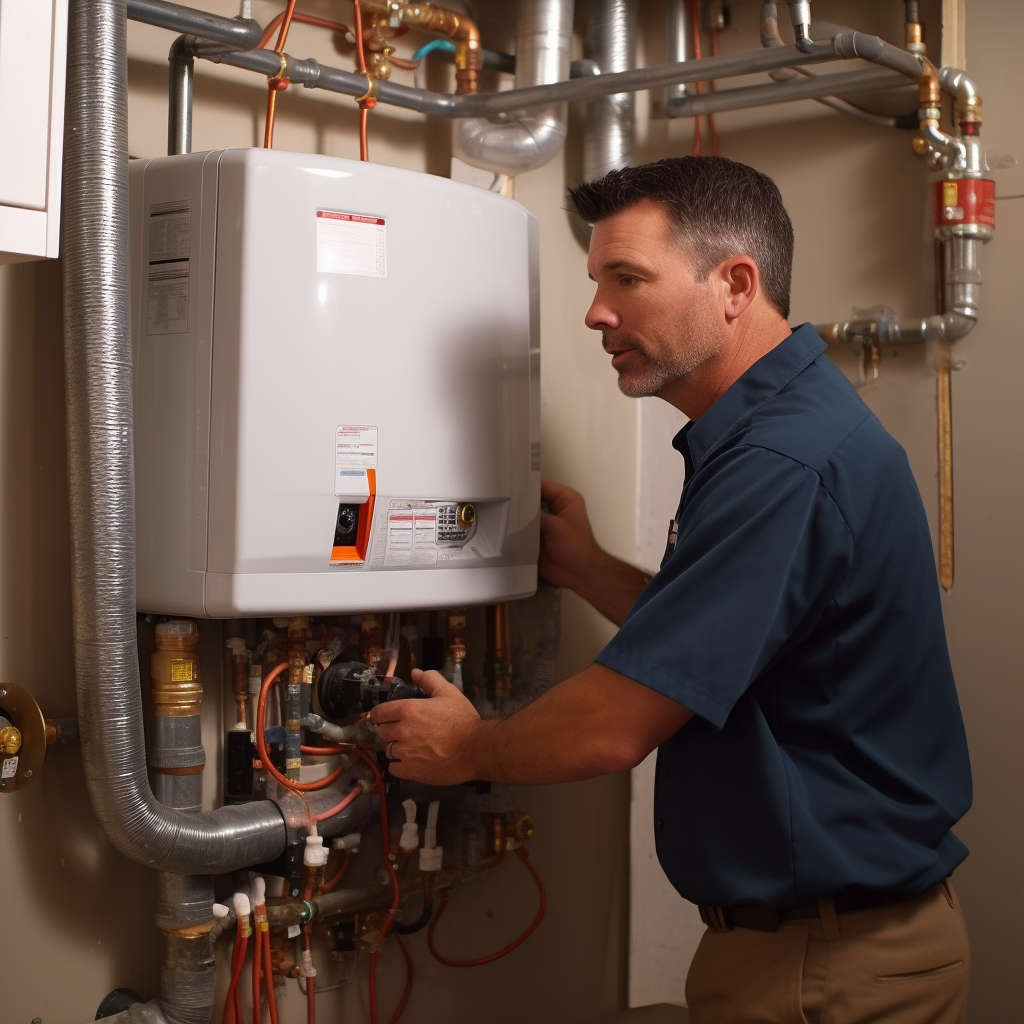
In 2026, Atlanta homeowners can expect to pay between $250 and $800 for professional water heater repairs, depending on the component failure and the unit type. Navigating these costs requires an understanding of Georgia’s strict plumbing codes, local permit requirements, and the specific licensing credentials necessary to ensure a safe and legal installation within the Metro Atlanta area.
Understanding Water Heater Repair Costs in Atlanta for 2026
The cost of maintaining a water heater in Atlanta is influenced by labor rates, which currently average between $150 and $275 per hour for licensed master plumbers. Because Atlanta is a major metropolitan hub, pricing often fluctuates based on the proximity to the city center and the urgency of the service call. Emergency repairs—those requested after hours or on weekends—typically incur a flat "dispatch fee" or a higher hourly rate.
Common Repair Price Points
Repairing a water heater is often more cost-effective than a full replacement, provided the tank is less than ten years old and is not leaking. Below are the estimated price ranges for common professional repairs in the Atlanta market:
- Thermocouple or Igniter Replacement: $250 – $450. This is a common issue for gas water heaters where the pilot light fails to stay lit.
- Heating Element Replacement: $250 – $500. Electric water heaters use two elements; usually, if one fails, the other is nearing the end of its lifespan as well.
- Thermostat Calibration or Replacement: $200 – $450. Inconsistent water temperatures often point to a faulty thermostat.
- Pressure Relief Valve (T&P Valve) Replacement: $200 – $350. This is a critical safety component that prevents the tank from exploding due to excess pressure.
- Anode Rod Replacement: $250 – $400. Replacing the "sacrificial" anode rod every few years can double the life of your tank by preventing internal corrosion.
Factors Influencing Local Pricing
The complexity of the repair is not the only factor. In Atlanta, the location of the unit significantly impacts labor costs. Units located in tight crawlspaces, finished attics, or high-rise condominiums require more time and specialized equipment to access. Furthermore, if your system is a high-efficiency tankless model, repair costs for specialized parts like heat exchangers or electronic control boards can exceed $800.
Georgia Plumbing Codes and Atlanta-Specific Regulations
Repairing or replacing a water heater in Atlanta is not merely a mechanical task; it is a regulated activity governed by the Georgia State Minimum Standard Plumbing Code, which is based on the International Plumbing Code (IPC). Adhering to these regulations is mandatory for safety and for maintaining homeowner insurance validity.
Thermal Expansion Tanks
One of the most frequently cited code requirements in Atlanta is the installation of a thermal expansion tank. Because most Atlanta municipal water systems use "closed-loop" piping with backflow preventers, heated water has nowhere to expand. Without an expansion tank, this pressure stresses the water heater and the home’s plumbing joints. If your current system lacks one, a plumber must install it during a major repair or replacement to meet 2026 code standards.
Venting and Gas Safety
For gas-powered units, the City of Atlanta has rigorous standards for exhaust venting. Improperly vented units pose a significant carbon monoxide risk. Regulations require specific clearances from windows and doors, and the use of approved materials (such as Category III stainless steel for certain high-efficiency models or specific PVC schedules for power-vented units).
Permit Requirements in Atlanta
Many homeowners are surprised to learn that the City of Atlanta Department of City Planning requires a plumbing permit for water heater replacements and major structural repairs. The permit ensures that a city inspector reviews the work to verify it meets safety codes. While a minor repair like a thermostat swap might not require a permit, replacing the entire unit or moving gas lines certainly does. Licensed plumbers generally handle the permitting process, but the homeowner is ultimately responsible for ensuring it is completed.
| Service Component | Estimated Cost (2026) | Permit Required? | Average Lifespan |
|---|---|---|---|
| Standard Tank Repair | $250 - $600 | No (Usually) | 10 - 12 Years |
| Tankless Unit Repair | $400 - $900 | No (Usually) | 18 - 25 Years |
| Full Tank Replacement | $1,800 - $3,500 | Yes | N/A |
| Tankless Installation | $4,500 - $7,500 | Yes | N/A |
| Anode Rod Service | $250 - $400 | No | 3 - 5 Years |
How to Choose a Qualified Atlanta Plumber
Atlanta’s plumbing market is saturated, making it difficult to distinguish between high-quality professionals and uncertified handymen. In Georgia, performing plumbing work for a fee without a license is illegal, yet it remains a common issue.
Verify Georgia State Licensing
The most critical step in choosing a plumber is verifying their license through the Georgia Secretary of State’s Licensing Board. There are two primary license types:
- Master Plumber (Class I or II): Class I is restricted to single-family dwellings and small commercial projects, while Class II has no restrictions. These individuals have years of experience and have passed rigorous state exams.
- Journeyman Plumber: These individuals are licensed to perform work but must typically operate under the supervision of a Master Plumber.
Always ask for the plumber’s license number and verify it online before they arrive at your home.
Insurance and Bonding
Never hire a plumber who cannot provide proof of General Liability Insurance and Workers' Compensation. General liability protects your property if the plumber accidentally causes a flood or fire. Workers' compensation is equally important; if an uninsured worker is injured on your property, you could be held liable for their medical expenses.
Local Reputation and Reviews
In the Metro Atlanta area, word-of-mouth and digital reputation are paramount. Look for companies with high ratings on platforms like the Better Business Bureau (BBB) and local neighborhood forums. Be wary of "national" dispatch services that sub-contract work to local technicians; it is often better to work with a locally owned and operated Atlanta firm that understands the specific water chemistry (such as the acidity levels in North Georgia water) and local municipal requirements.
Common Water Heater Issues Specific to Atlanta
The environment in Atlanta presents unique challenges for water heaters. Understanding these can help you decide between a repair and a replacement.
Sediment Buildup and "Georgia Red Clay"
While Atlanta's municipal water is generally treated well, it can carry fine sediment and minerals. Over time, these settle at the bottom of the tank, creating an insulating layer between the burner and the water. This leads to "knocking" or "popping" sounds and forces the unit to work harder, eventually cracking the glass lining of the tank. Annual flushing is highly recommended in the Atlanta area to mitigate this.
Thermal Stress and Fluctuating Temperatures
Atlanta experiences significant temperature swings between winter and summer. This causes the metal in the water heater tank to expand and contract more aggressively than in more temperate climates. This thermal cycling can accelerate the failure of heating elements and thermostats.
High Water Pressure
Many neighborhoods in Atlanta, particularly those with hilly terrain, experience high municipal water pressure (often exceeding 80 PSI). High pressure is the leading cause of premature water heater failure and leaking valves. A qualified plumber should always check your home's Pressure Reducing Valve (PRV) during a water heater service call.
Repair vs. Replacement: Making the Decision
Deciding whether to spend $500 on a repair or $2,500 on a replacement depends on three primary factors: age, frequency of repair, and efficiency.
- The 10-Year Rule: Most traditional tank water heaters have a lifespan of 10 to 12 years. If your unit is over 10 years old and requires a repair exceeding $400, it is generally wiser to invest that money into a new, more efficient unit.
- The 50% Rule: If the cost of a single repair is more than 50% of the cost of a new unit, replacement is the logical choice.
- Energy Efficiency Upgrades: In 2026, many Atlanta homeowners are transitioning to Heat Pump Water Heaters (HPWH). These units are significantly more expensive upfront but can save hundreds of dollars annually on energy bills. Furthermore, local utilities like Georgia Power often offer rebates for high-efficiency upgrades, which can offset the initial investment.
Navigating Emergency Water Heater Situations
A leaking water heater is an emergency that requires immediate action to prevent thousands of dollars in water damage. If you discover a leak in your Atlanta home:
- Shut off the Power: For electric units, turn off the breaker. For gas units, turn the dial on the water heater to "Off" or "Pilot."
- Shut off the Water: Locate the cold water inlet pipe (usually on the right side) and turn the ball valve or gate valve to the off position.
- Drain the Tank: Attach a garden hose to the drain valve at the bottom of the unit and run it to a floor drain or outside.
- Call a Professional: Contact a licensed Atlanta plumber who offers 24/7 emergency services.
Frequently Asked Questions
1. How much does a plumber charge per hour in Atlanta?
In 2026, most reputable plumbing companies in the Atlanta area charge between $150 and $275 per hour. Some companies use "flat-rate" pricing, where you are quoted a specific price for the job regardless of how long it takes, which can provide more budget certainty for homeowners.
2. Can I replace my own water heater in Atlanta?
While Georgia law allows homeowners to perform work on their own primary residence, you are still required to obtain a permit and follow all local codes. Given the risks associated with gas lines, carbon monoxide venting, and high-pressure water, it is strongly recommended to hire a licensed professional to ensure the safety of your household and to maintain your property's resale value.
3. Why is my water heater making a loud rumbling noise?
Rumbling or popping noises are usually caused by sediment buildup at the bottom of the tank. In the Atlanta area, minerals and sediment can settle and trap water underneath them. As the burner heats the bottom of the tank, the trapped water turns to steam and "pops" through the sediment layer. This indicates your unit needs a professional flush or, if the buildup is severe, a replacement.
4. Are tankless water heaters worth the extra cost in Georgia?
Tankless water heaters offer an endless supply of hot water and take up much less space, which is ideal for Atlanta’s modern townhomes and apartments. However, they require a higher initial investment and may need upgrades to your home’s gas lines or electrical panel. For larger families with high hot water demand, the long-term energy savings and convenience often justify the cost.
5. How often should I replace my anode rod in Atlanta?
In the Metro Atlanta area, you should have your anode rod inspected every 3 years. If you have a water softener installed, the rod may degrade even faster (every 1-2 years). Replacing a $50 part like an anode rod can prevent the $2,000 cost of a new tank.
Final Recommendation for Atlanta Homeowners
If your water heater is exhibiting signs of failure—such as rusty water, inconsistent temperatures, or unusual noises—the first step is to verify the age of the unit by checking the manufacturer’s label for the "Date of Manufacture." If the unit is under eight years old, a repair is likely the most economical path. Always prioritize hiring a licensed Master Plumber and ensure they pull the necessary City of Atlanta permits for any major work. This not only guarantees your family's safety but also protects your home's insurance coverage and future marketability.