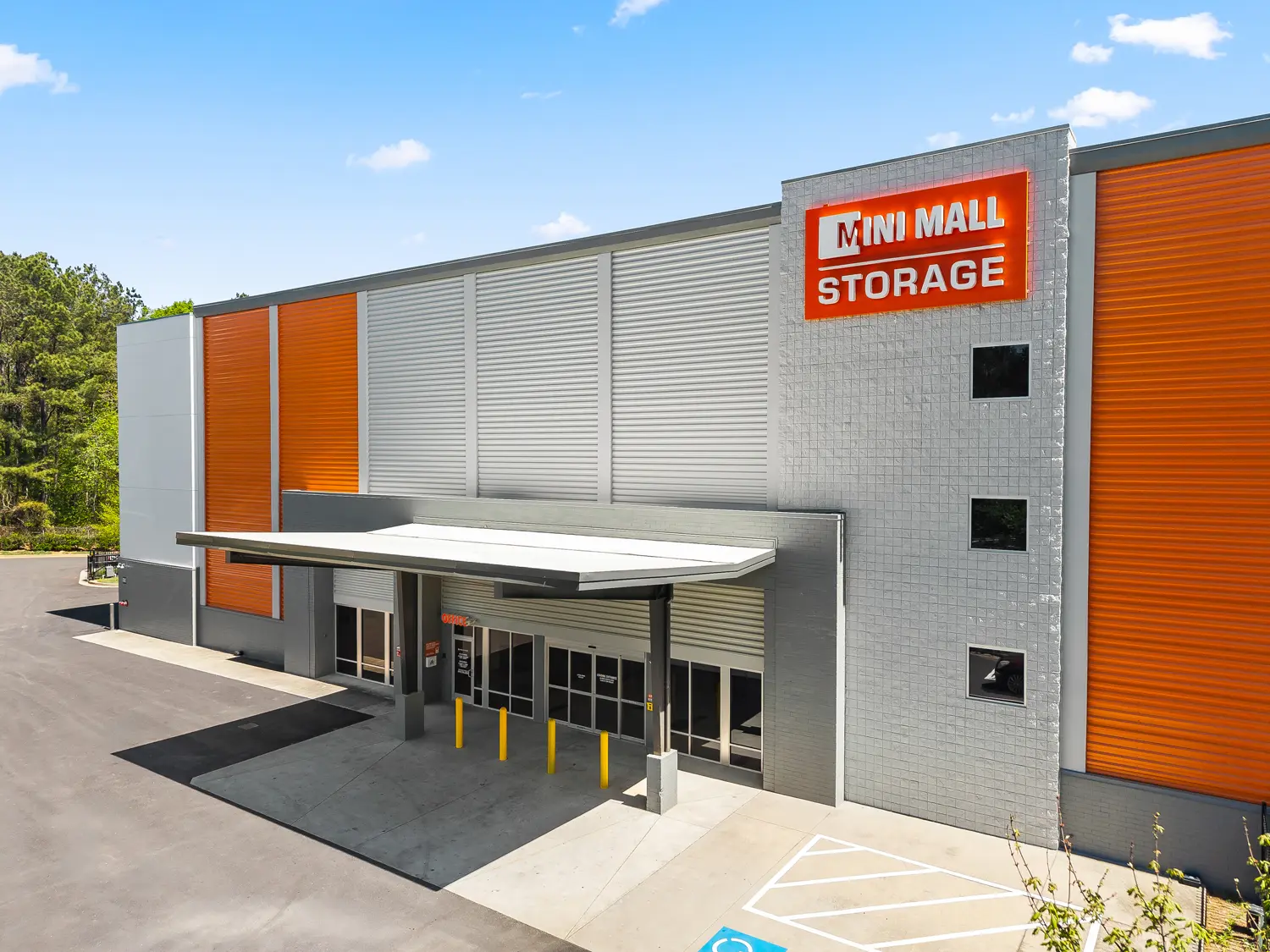
Atlanta storage facilities provide essential space for residents and businesses, offering climate-controlled units to protect against Georgia’s high humidity. Choosing the right facility requires evaluating location-specific traffic patterns, security features like electronic gate access, and unit sizes ranging from small lockers to large vehicle bays across the metro area's diverse neighborhoods.
Navigating the Atlanta Storage Market
The demand for self-storage in Atlanta has reached record levels in 2026, driven by a combination of rapid urban infill, a steady influx of new residents, and a thriving business sector. As the city continues to densify, particularly in core areas like Midtown, Buckhead, and the Old Fourth Ward, the "square footage gap" for individuals living in modern apartments has made off-site storage a logistical necessity rather than a luxury.
Atlanta’s storage landscape is unique due to its geography and climate. Unlike more arid regions, the Southeastern United States presents specific challenges for preserving physical goods. Consequently, the market is bifurcated between legacy "drive-up" facilities located primarily in the suburbs and modern, multi-story, high-tech buildings integrated into the city's urban fabric. Understanding these distinctions is the first step in selecting a facility that aligns with your specific needs, whether you are a student at Georgia Tech, a homeowner in Virginia-Highland, or a logistics manager for a local startup.
The Critical Importance of Climate Control in Georgia
In 2026, climate control is no longer an optional upgrade for most Atlanta residents; it is a fundamental requirement for long-term preservation. Georgia’s subtropical climate features high relative humidity, which can often exceed 70% during the summer months. Without environmental regulation, storage units become breeding grounds for mold, mildew, and structural degradation.
Humidity Regulation vs. Temperature Control
Standard climate-controlled units in Atlanta typically maintain a temperature between 55°F and 80°F. However, the more sophisticated facilities now focus specifically on hygroscopic management. This involves keeping relative humidity levels below 50%, which is the threshold where mold spores generally become active. When evaluating a facility, ask if they use specialized dehumidification systems or if they simply rely on air conditioning.
What Requires Climate Control?
Items that are particularly susceptible to Atlanta’s moisture include:
- Wooden Furniture: Excess moisture causes wood to swell, while extreme dryness causes it to crack.
- Electronics: Internal components can corrode in high-humidity environments.
- Paper and Photographs: Humidity leads to "foxing" (yellowish-brown spots) and the physical breakdown of paper fibers.
- Textiles and Clothing: Natural fibers like wool and cotton absorb moisture, leading to persistent odors and mold growth.
Neighborhood Analysis: Where to Store in Metro Atlanta
Where you choose to store your items in Atlanta depends heavily on your frequency of access and your budget. The city's notorious traffic patterns mean that a facility five miles away could be a 45-minute round trip during peak hours.
Buckhead and North Atlanta
These areas host some of the most premium facilities in the city. You will find high-security, "white-glove" services here that often include interior loading bays to protect you from the elements while moving. Pricing in Buckhead is among the highest in the metro area, reflecting the high property values and the demand from residents in high-rise condominiums.
Midtown and Downtown
Storage in the urban core is characterized by verticality. Facilities are often repurposed industrial buildings or purpose-built skyscrapers for storage. Parking can be tight, and you will likely rely on large freight elevators. These locations are ideal for students and urban professionals who value proximity over ease of drive-up access.
The Perimeter (I-285) and Beyond
Moving toward the suburbs like Sandy Springs, Marietta, or Decatur, the facilities transition back to the traditional sprawling complexes. Here, you are more likely to find drive-up access, which allows you to park your vehicle directly in front of your unit door. This is significantly more efficient for moving heavy machinery, large furniture sets, or frequent inventory rotation.
Security Features and Technological Integration
By 2026, the technology used in Atlanta storage facilities has evolved to offer "contactless" and "frictionless" experiences. Security is no longer just a chain-link fence and a padlocked gate.
Smart Access Systems
Many top-tier Atlanta facilities now utilize mobile apps for entry. Instead of remembering a gate code, your smartphone uses Bluetooth or NFC (Near Field Communication) to authenticate your access at the gate, the elevator, and even your individual unit door. This creates a digital audit trail, ensuring that only authorized users are on the premises at any given time.
Individual Unit Alarms
While perimeter security is standard, the best facilities offer individual door alarms. If a unit door is opened without the corresponding mobile key or code being activated, an immediate alert is sent to the facility manager and the local authorities. In a bustling city like Atlanta, this extra layer of protection is highly recommended for high-value items.
AI-Enhanced Surveillance
Modern facilities have moved beyond passive CCTV. AI-monitored camera systems can now detect "unusual behavior," such as someone loitering in a hallway for an extended period or attempting to enter multiple units. These systems can trigger lights or voice-down speakers to deter potential intruders before a crime is committed.
Understanding Costs and Lease Agreements
Pricing for Atlanta storage facilities is dynamic, similar to airline tickets or hotel rooms. Rates fluctuate based on occupancy levels, seasonality (prices often spike in the late spring during "moving season"), and local competition.
Common Fee Structures
Beyond the base monthly rent, be prepared for additional costs:
- Administrative Fees: A one-time setup fee for your account.
- Protection Plans: Most facilities require proof of insurance. If your homeowners or renters insurance doesn't cover off-site storage, you will need to purchase a facility-provided protection plan, typically ranging from $12 to $30 per month.
- Lock Fees: If the facility uses specialized cylinder locks, you may need to purchase one on-site.
Unit Size and Price Comparison Table
The following table provides a general guideline for unit sizes and their typical monthly price ranges in the Atlanta market as of 2026.
| Unit Size | Equivalent Space | Ideal For | Avg. Monthly Rate (Atlanta) |
|---|---|---|---|
| 5' x 5' | Large Closet | Seasonal decor, 10-15 boxes, small furniture | $45 - $85 |
| 5' x 10' | Walk-in Closet | Studio apartment contents, bicycles, office files | $75 - $130 |
| 10' x 10' | Half Garage | 1-bedroom apartment, large appliances, furniture | $140 - $210 |
| 10' x 15' | Large Bedroom | 2-bedroom home, compact car, business inventory | $190 - $275 |
| 10' x 20' | Standard Garage | 3-bedroom home, full-size vehicle, boat storage | $250 - $380 |
Note: Prices vary significantly by neighborhood; Midtown/Buckhead will trend toward the higher end of these ranges.
Specialized Storage: Vehicles, Boats, and Wine
Atlanta's lifestyle often requires specialized storage solutions that go beyond the standard 10x10 unit.
Vehicle and RV Storage
With strict HOA (Homeowners Association) rules in many Atlanta suburbs like Alpharetta and Peachtree Corners, residents often cannot park RVs or boats in their driveways. Specialized facilities offer covered or uncovered parking with amenities such as trickle-charging stations for batteries and dump stations for RV waste.
Wine Storage
For collectors in the Northside area, standard climate control is insufficient. Wine requires a constant temperature of approximately 55°F and 60-70% humidity to prevent corks from drying out and the wine from aging prematurely. Atlanta has several "boutique" storage providers that offer vibrations-free, darkened, and humidity-locked vaults specifically for wine.
Preparation and Packing for the Atlanta Environment
Moving items into a storage facility in Atlanta requires more than just boxes and tape. You must prepare your items to withstand the transition from a home environment to a storage environment.
Cleaning Items Before Storage
Never store items that are damp or soiled. In the Atlanta humidity, even a small amount of organic residue on a kitchen appliance or a damp spot on a rug can lead to a massive mold outbreak within weeks. All appliances should be defrosted and wiped down with a vinegar solution to kill existing spores.
Strategic Packing
Use high-quality, double-walled corrugated boxes. Avoid plastic bins for items that need to "breathe," such as clothing or leather, as they can trap moisture inside. Place your items on wooden pallets within the unit. This allows for airflow underneath your belongings and protects them from potential water ingress if there is a heavy rainstorm or a localized leak in the facility.
Inventory Management
Atlanta's busy lifestyle means you don't want to spend hours searching for a single item. Create a master list of box contents and use a numbering system. In 2026, many residents use QR code labels that link to a photo of the box’s interior, allowing them to "see" inside the box via their smartphone without opening it.
Common Mistakes to Avoid
- Underestimating the "Atlanta Factor": Do not choose a facility solely on price if it requires you to drive through the Downtown Connector (I-75/85) during rush hour. The time and fuel costs will quickly outweigh the monthly savings.
- Skimping on Climate Control: If you are storing anything other than metal or plastic, opt for climate control. The Georgia heat can reach triple digits, and the humidity is relentless.
- Forgetting to Update Your Insurance: Ensure your storage facility address is added to your insurance policy. If a pipe bursts or a fire occurs, unlisted locations may result in a denied claim.
- Wait-and-See Approach: Atlanta's occupancy rates are high. If you find a unit in a desirable location, reserve it immediately. Many facilities offer 24-48 hour hold periods.
Frequently Asked Questions
What are the typical access hours for Atlanta storage facilities?
Most facilities in Atlanta offer access from 6:00 AM to 10:00 PM. While some offer 24-hour access, this is increasingly rare in urban areas due to security concerns and local zoning ordinances. Always verify if the "office hours" (when staff is present) differ from the "gate hours" (when you can enter with your code).
Do I need a special permit to store a car in an Atlanta storage unit?
You generally do not need a city permit, but the facility will require the vehicle to be registered, insured, and in working condition. You will likely need to provide a copy of the title or registration. Most facilities also require that you place a drip pan under the engine to protect the concrete floor from oil leaks.
How does the "Beltline" development affect storage availability?
The massive redevelopment along the Atlanta Beltline has led to the demolition of several older, industrial-style storage warehouses to make room for luxury apartments. This has decreased supply in areas like Inman Park and Chosewood Park, leading to higher prices and a shift toward modern, multi-story "boutique" storage facilities.
Can I run a business out of my Atlanta storage unit?
While you can store business inventory, most Atlanta fire codes and lease agreements prohibit you from using a storage unit as a primary office or workspace. You cannot have employees working inside the unit, and you cannot conduct retail transactions on the premises. However, many facilities offer "flex space" or have adjacent co-working areas specifically for small business owners.
Are there student-specific storage options near Georgia Tech or GSU?
Yes, many facilities near the city center offer "dorm-sized" lockers (typically 4'x4'x4') specifically for the summer break. Some companies even provide valet-style service where they pick up your boxes from your dorm and return them in the fall, which is highly popular among the Atlanta student population.
Next Steps for Securing Your Unit
Once you have identified your storage needs, the next step is to perform a physical or virtual walkthrough of your top three facility choices. Check for signs of active maintenance, such as clean hallways and functional lighting. In 2026, you should be able to complete your entire lease agreement and ID verification online. Once your lease is signed, purchase a high-quality disc lock or ensure your mobile access is activated before your moving truck arrives. Planning for Atlanta’s traffic by scheduling your move for a weekend morning will ensure the smoothest transition into your new space.