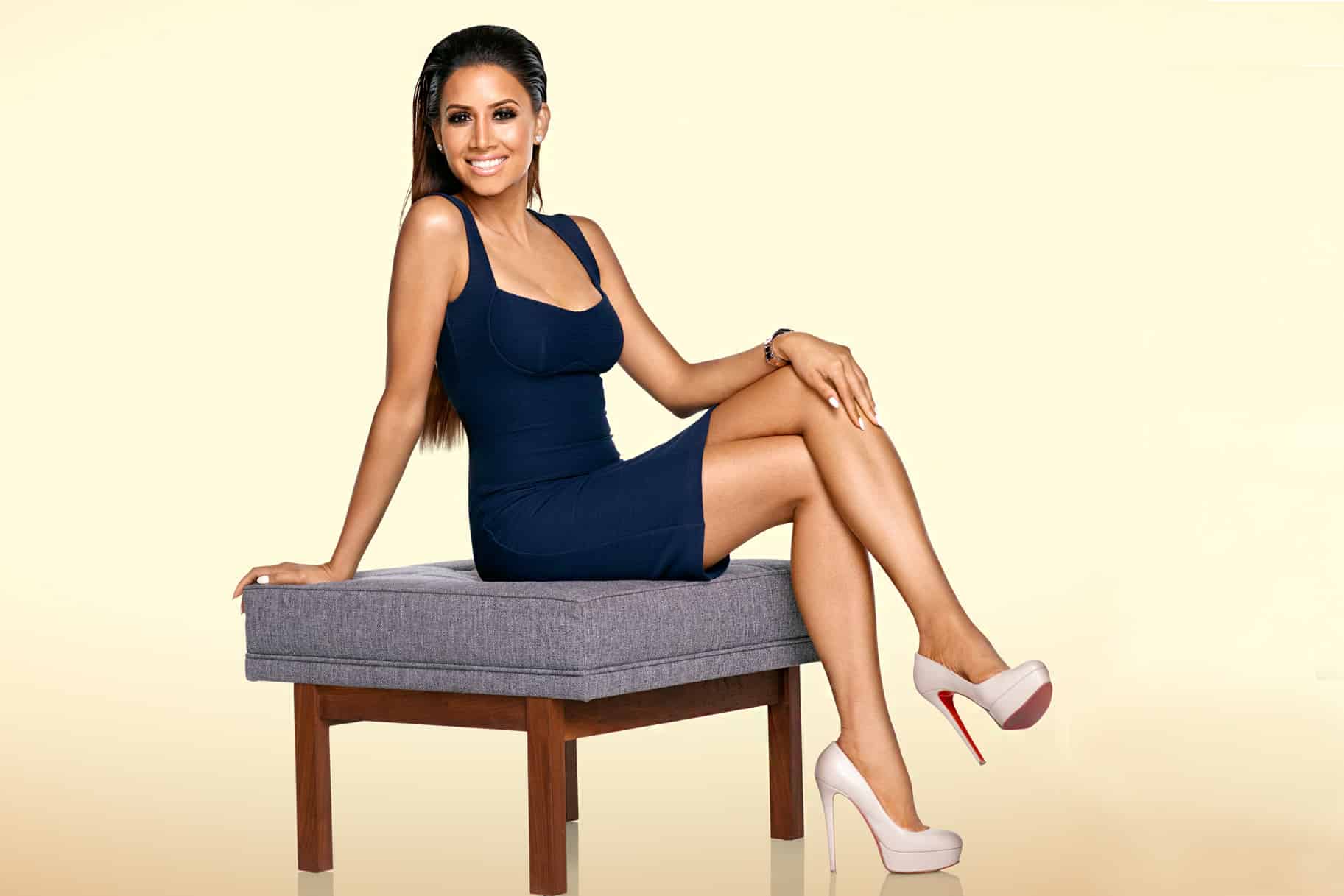
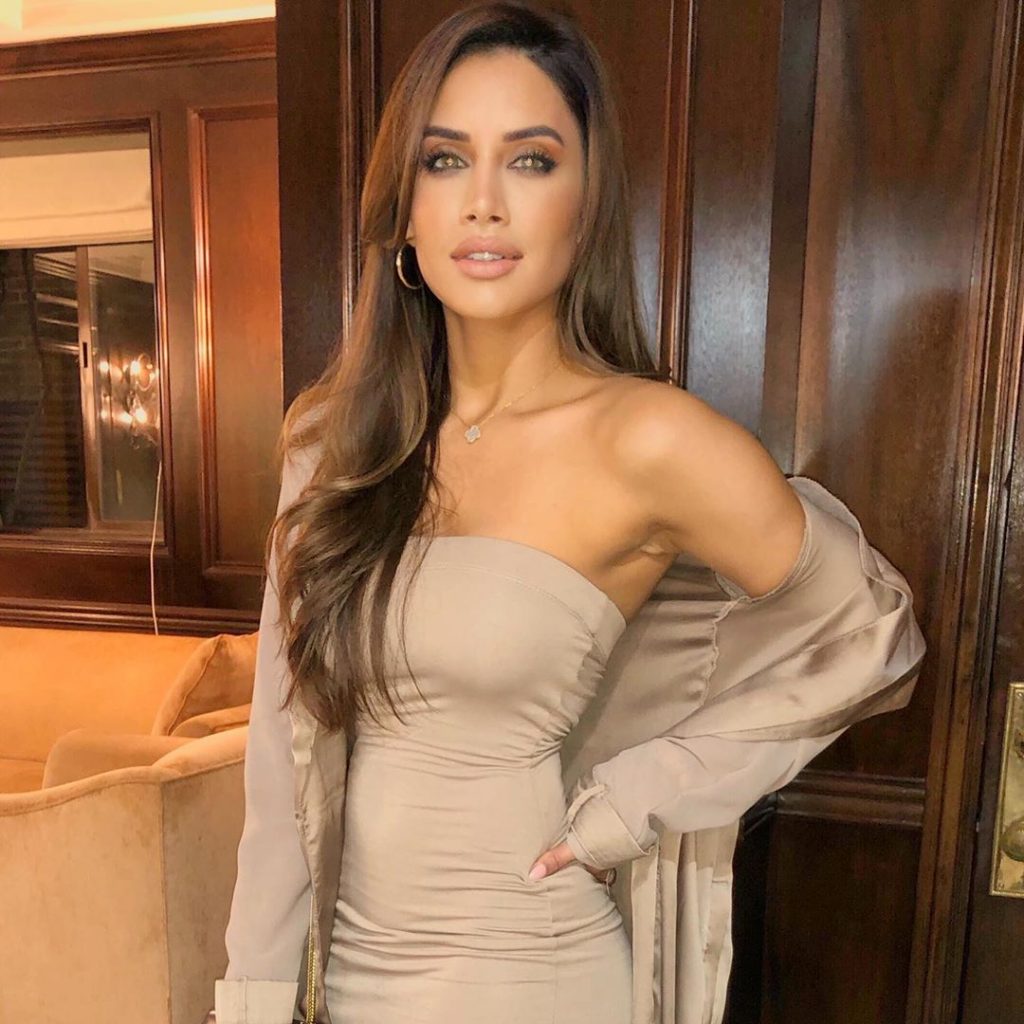
Asifa Mirza is a multifaceted professional and media personality who gained widespread recognition through her appearances on reality television, specifically her role in the Bravo network’s series Shahs of Sunset. Her public journey serves as a case study in the intersection of modern reality entertainment, the representation of the Iranian-American experience, and the complexities of personal branding in the digital age.
Understanding the Public Identity of Asifa Mirza
The public awareness surrounding Asifa Mirza is largely rooted in her participation in the fourth season of Shahs of Sunset, which aired in 2015. While reality television often emphasizes dramatic interpersonal conflict, Mirza’s presence on the show was notable for the specific lens it provided into the lives of Iranian-Americans living in Los Angeles.
Born and raised in the United States, Mirza brought a perspective that frequently balanced Western cultural integration with the traditional expectations of her heritage. Her biography is characterized by a high-achieving academic and professional background, which often contrasted with the stylized, entertainment-focused narrative constructed by reality television editing. In the years following her television tenure, Mirza has pivoted toward leveraging her platform to explore themes of professional development, wellness, and the curation of a digital persona that resonates with a diverse, modern audience.
Professional Background and Early Life
Before her emergence in the public sphere, Asifa Mirza built a foundation in corporate and professional environments. She holds advanced academic qualifications, including a Master’s degree, which distinguishes her from the conventional archetype of a reality show cast member. Her early career endeavors centered on strategic roles, often involving high-level networking and business development within the competitive Los Angeles market.
This professional trajectory is critical to understanding her cultural impact. By maintaining a career trajectory outside of media, Mirza challenged the assumption that reality television participants are defined solely by their broadcast persona. This duality between her "on-camera" life and her "off-camera" professional responsibilities has become a recurring theme in discussions about her influence, as she serves as a bridge for audiences interested in both high-end lifestyle content and traditional career success.
Cultural Representation and Media Impact
The cultural impact of Asifa Mirza lies in how she navigated the nuances of being a woman of Iranian descent within a mass-media framework. The Shahs of Sunset franchise was often critiqued and lauded for its portrayal of Persian culture in America. For many viewers, Mirza represented a modern, assimilated professional who operated within both the Iranian diaspora and broader American societal norms.
Dimensions of Cultural Representation
- Challenging Stereotypes: By presenting as a highly educated, career-focused individual, Mirza provided an alternative narrative to the "trophy" or "socialite" tropes often forced upon female cast members in reality television.
- Diasporic Identity: She highlighted the tension between heritage-based family expectations and the autonomy sought by modern, urban women.
- Media Literacy: Her public journey demonstrated the mechanisms of reality production, showing how segments of one's life are curated to fit a network's editorial needs, thereby fostering a conversation among fans about media consumption and authenticity.
Evolution of Personal Branding
As of 2026, the nature of personal branding has shifted significantly from the era in which Mirza first gained prominence. Her career reflects this transition. She has moved from being a subject of network-led reality production to a creator of her own digital narrative.
In the contemporary landscape, individuals like Mirza utilize their established recognition to pivot into consulting, lifestyle coaching, and brand ambassadorship. This shift is not merely opportunistic; it is a calculated response to the ephemeral nature of reality television fame. By maintaining a consistent, professional online presence, she has successfully transitioned from a "television character" to a "lifestyle authority."
Comparative Perspectives on Reality Media Transitions
| Evolution Phase | Focus Area | Primary Audience | Outcome |
|---|---|---|---|
| TV Debut (2015) | Social Dynamics | Mass Cable Audience | High Visibility / Controversy |
| Mid-Career (2018-2022) | Brand Synthesis | Niche Lifestyle Followers | Audience Retention |
| Current (2026) | Professional Authority | B2B/Wellness Networks | Long-term Brand Equity |
The Mechanics of Public Perception
The intersection of Asifa Mirza’s biography and her cultural impact is also defined by the role of public perception in the age of social media. The "villain" or "hero" arcs common in reality television are often at odds with the true complexity of a person's life.
Mirza’s ability to remain relevant in 2026, over a decade after her primary television debut, is a testament to her management of public sentiment. She has employed several strategies to maintain a positive and professional image:
- Selective Disclosure: Sharing only curated aspects of her personal life to maintain boundaries.
- Active Engagement: Communicating directly with her audience to clarify misconceptions regarding her television portrayal.
- Thematic Consistency: Aligning her brand with values such as independence, education, and health.
Navigating the Challenges of Reality Fame
Transitioning from a reality television platform to a sustainable long-term career is a significant challenge. Many participants experience a "relevance cliff" once their original program concludes. Mirza avoided this by leveraging her existing professional credentials.
The primary lesson from her career path is the necessity of an "exit strategy." For anyone looking to enter public-facing media, the ability to anchor oneself in a stable industry—whether that is real estate, technology, or professional services—is essential. Mirza’s biography underscores that fame is a tool to be managed rather than a destination in itself. Her influence now rests on her ability to communicate her experiences effectively to a new generation of digital consumers who prioritize authenticity over the "manufactured drama" of the 2010s.
Frequently Asked Questions
1. How did Asifa Mirza’s education influence her career path?
Her academic background provided a necessary safety net and professional credibility that allowed her to transition away from reality television. It shifted her brand from a pure "entertainer" to a "thought leader" and professional, enabling her to secure roles outside of media entertainment.
2. What role did ethnicity play in her television career?
Ethnicity was a central marketing component of Shahs of Sunset, a show specifically focused on the Iranian-American experience in Los Angeles. For Mirza, this meant navigating the expectations of the diaspora while also satisfying the entertainment requirements of a mainstream American network.
3. Why is Asifa Mirza still relevant in 2026?
Her relevance is maintained through her successful migration to digital platforms where she continues to curate a lifestyle brand. By pivoting to industries that reward personal branding—such as wellness and professional consulting—she has kept her audience engaged long after the end of her primary television run.
4. How can viewers distinguish between reality TV personas and real people?
Media literacy is essential. Viewers should recognize that reality television is an edited medium. Producers often "cast" individuals to fit specific archetypes, which often obscures the individual’s full spectrum of professional and intellectual capabilities.
5. What is the most important lesson from her media trajectory?
The importance of maintaining an independent identity. Mirza demonstrated that personal branding is most effective when it is tethered to tangible professional skills rather than relying solely on the fleeting attention of a mass-audience television program.
Final Recommendations for Aspiring Influencers
For those looking to leverage public visibility to build a long-term brand, the case of Asifa Mirza provides a clear roadmap. First, ensure that your professional identity is established independently of your public-facing persona. If your fame comes through entertainment, treat that phase as a temporary promotional opportunity, not a permanent career. Second, prioritize the curation of your own digital platforms—social media and personal websites—to ensure you maintain ownership of your narrative. Finally, focus on the "evergreen" value of your brand; share content that provides utility, education, or inspiration to your audience, rather than just documenting daily life for the sake of viewership. By anchoring your presence in skill and substance, you ensure that your influence remains relevant regardless of the shifting tides of media cycles.