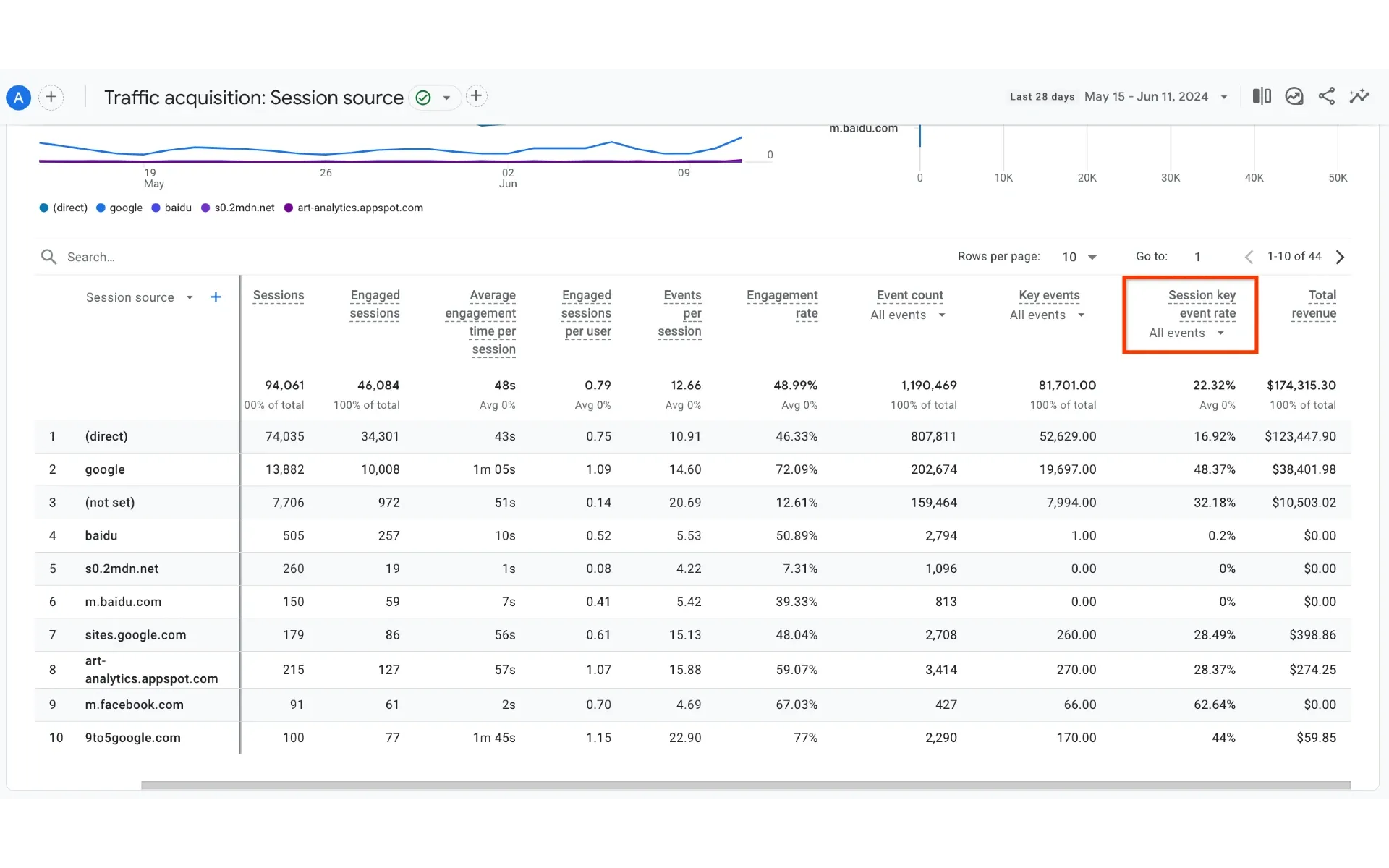
The evaluation of a digital publication like AskMen requires a synthesis of traffic analytics, audience demographics, and monetization potential. Key performance indicators such as unique visitors, session duration, and click-through rates serve as the bedrock for valuation, allowing stakeholders to estimate market standing, advertising revenue capacity, and overall brand equity within the men’s lifestyle media segment.
The Role of Traffic Analytics in Digital Media Valuation
To understand the value of a high-authority domain like AskMen, one must first look at the traffic architecture. Traffic is not merely a count of hits; it is a measure of sustained attention and brand loyalty. For a publication that has been operational since 1999, the traffic history is a significant asset. Valuation models for such entities generally rely on a multiple of annual earnings or, in some cases, a valuation based on monthly unique visitors (MUVs) multiplied by a fixed industry rate per visitor.
Primary metrics for assessing such traffic include:
- Unique Visitors (UVs): This provides a snapshot of the reach. For a legacy site like AskMen, the stability of UVs over time is more valuable than seasonal spikes.
- Sessions and Pageviews: These metrics help determine engagement depth. A high ratio of pageviews to sessions suggests that the content is successfully funneling readers from one article to another, increasing the total ad inventory available for monetization.
- Bounce Rate: This reflects the relevance of the content. A low bounce rate indicates that the user intent matches the content provided, which is crucial for SEO and maintaining high rankings in search engine results pages (SERPs).
- Traffic Sources: Diversification is key. An over-reliance on a single source, such as organic search, creates risk. Healthy traffic profiles include a mix of direct traffic (indicating brand loyalty), social media referrals, and email newsletter engagement.
Key Metrics Defining Operational Success
When analyzing AskMen or similar lifestyle portals, stakeholders look for specific technical and behavioral metrics. These metrics serve as proxies for the "health" of the platform.
Audience Retention and Time on Page
Time on page is a critical metric for publishers who rely on display advertising. Advertisers prefer inventory where the reader stays long enough to engage with the advertisement. For long-form content, such as relationship advice or grooming guides, an average session duration exceeding two minutes is often considered a benchmark of success.
Conversion Metrics
Beyond simple readership, monetization often involves affiliate marketing. The "answers" segment of the site, where readers seek guidance on complex topics, is high-intent territory. Metrics such as the conversion rate on affiliate links—where a reader clicks a recommendation and proceeds to a purchase—are among the most guarded and valuable pieces of data during an acquisition or valuation process.
Technical SEO Health
Search engine optimization is the lifeblood of mature publications. Valuation auditors examine the site’s "link profile," assessing the quality and quantity of external domains linking back to AskMen. A strong backlink profile indicates editorial authority, which helps the site rank for competitive terms in the "men’s health," "lifestyle," and "dating advice" niches.
Valuation Methodologies for Lifestyle Publications
Valuing an established digital brand is rarely a simple arithmetic process. It involves several distinct methodologies that reconcile the tangible assets of the site with the intangible brand value.
| Valuation Method | Primary Focus | Best Used For |
|---|---|---|
| Earnings Multiples | Annual net profit multiplied by a factor (usually 3x–6x) | Established sites with stable profit streams |
| Revenue Multiples | Gross annual revenue; used when profit is volatile | High-growth startups or sites scaling up |
| Asset-Based | Value of domain, content library, and subscriber list | Distressed assets or legacy sites with low current traffic |
| Market Comparison | Recent sale prices of similar media brands | Benchmarking against industry standards |
The Earnings Multiple approach remains the standard. Investors consider the risk profile of the media industry; because digital media trends shift rapidly, the multiplier applied to a site’s earnings is heavily influenced by the "moat" the brand has created. A site that answers evergreen questions—such as "how to dress for a wedding" or "how to navigate office etiquette"—possesses a content library that continues to generate passive traffic and revenue year after year, which justifies a higher multiple compared to sites reliant on volatile, news-cycle-based traffic.
The Significance of the "Answers" Segment
The "answers" vertical within a site like AskMen is particularly valuable because it captures "problem-aware" traffic. When a user searches for a solution to a personal dilemma, they are in a mindset of high engagement. From a valuation perspective, this section of the site is treated similarly to a lead-generation asset.
Content that provides specific answers performs well in voice-search environments and AI-driven answer engines. As search engines shift toward direct answers, the ability of a publication to structure its content—using schema markup, clear H2/H3 headers, and direct, authoritative answers—becomes a primary driver of sustained traffic. This structural excellence adds "future-proofing" value to the valuation of the entity.
Practical Steps for Auditing Traffic and Value
For those looking to conduct an internal review of a similar web entity, the process involves a structured audit.
- Data Normalization: Gather traffic data from the past 24–36 months. Remove anomalous spikes caused by viral one-off events or technical errors (e.g., miscounted bot traffic).
- Segmented Analysis: Breakdown traffic by content category. Determine which sections (e.g., fitness, dating, technology) drive the highest revenue-per-thousand-impressions (RPM).
- Cost-to-Serve Analysis: Calculate the editorial and hosting costs associated with maintaining those sections. A high-traffic page is only valuable if the cost to maintain its relevance does not exceed the revenue it generates.
- Verification of Audience Quality: Use third-party tools to verify the demographic profile of the readers. Advertisers pay a premium for specific, high-intent audiences (e.g., men aged 25–40 with high disposable income).
Common Pitfalls in Digital Asset Evaluation
One of the most frequent mistakes in evaluating sites is assuming that all traffic is created equal. A visitor who arrives from a social media platform and leaves within five seconds is far less valuable than a visitor who arrives from a targeted search query and spends time reading the content.
Another pitfall is ignoring the decay of content. In the lifestyle niche, some topics have a short half-life (e.g., fashion trends from 2022), while others are truly evergreen (e.g., social skills). An effective valuation must discount the value of outdated content and emphasize the "evergreen" core that drives consistent organic search traffic.
Addressing Regulatory and Compliance Factors
In the modern digital landscape, data privacy regulations such as the General Data Protection Regulation (GDPR) and the California Consumer Privacy Act (CCPA) impact the valuation of a site. If a publication relies heavily on third-party tracking cookies to serve targeted ads, its value may be lower than a site that has successfully built a robust first-party data strategy (e.g., through email newsletters or logged-in user accounts). During a valuation, auditors will examine how the entity manages user consent and data retention, as non-compliance can represent a significant legal and financial liability.
Frequently Asked Questions
How does organic search traffic impact the valuation of a lifestyle site? Organic search traffic is highly valued because it is consistent and cost-effective. Unlike paid acquisition, which stops the moment the budget is exhausted, organic traffic represents a long-term investment in the site’s authority. A site with a high percentage of organic traffic is generally viewed as having lower risk and higher stability, leading to a higher valuation multiple.
What is the impact of seasonal traffic on valuation? Seasonality is a normal factor in lifestyle media. For example, topics related to fitness or grooming may see predictable spikes at certain times of the year. Investors and auditors look at "trailing twelve-month" (TTM) averages to smooth out these fluctuations. If a site’s valuation relies on a single high-traffic month, it is viewed as a risk; valuation is based on sustained, year-round performance.
Are email subscribers considered in the valuation process? Yes. Email lists are among the most valuable assets a publication can hold. They represent a direct line of communication with the audience that is not dependent on search engine algorithms or social media platform updates. A large, active, and well-segmented email list significantly increases the potential valuation of a media site because it provides a reliable channel for monetization and community engagement.
Why does content length matter for valuation? Long-form, comprehensive content is generally favored by search engines, which contributes to higher rankings and sustained traffic. Additionally, longer articles provide more opportunities to place advertisements without disrupting the user experience. A site that produces high-quality, comprehensive content typically earns a higher "quality score" from search algorithms, which is a massive intangible asset.
How do AI search engines influence the valuation of legacy sites? AI search engines prioritize sites that provide clear, concise, and structured information. Sites that have historically invested in well-organized, answer-based content are in a strong position. Valuation now accounts for whether a site is "AI-ready," meaning its content is easily indexable and authoritative enough to be cited by LLM-based search interfaces.
Recommendations for Maintaining Value
To maintain or increase the value of a digital publication, the priority must be on "content durability." This means performing regular audits of older pages to ensure they remain factually accurate, updating internal links to point toward modern, relevant resources, and refining the "answers" section to remain the best source of information for the target demographic. As the digital ecosystem in 2026 continues to favor entities that provide genuine utility rather than just click-bait, the focus should remain on reader retention, audience trust, and a diversified revenue model. By treating the site as an evolving repository of knowledge rather than just a static feed of articles, you ensure that the brand remains a viable and valuable asset for years to come.