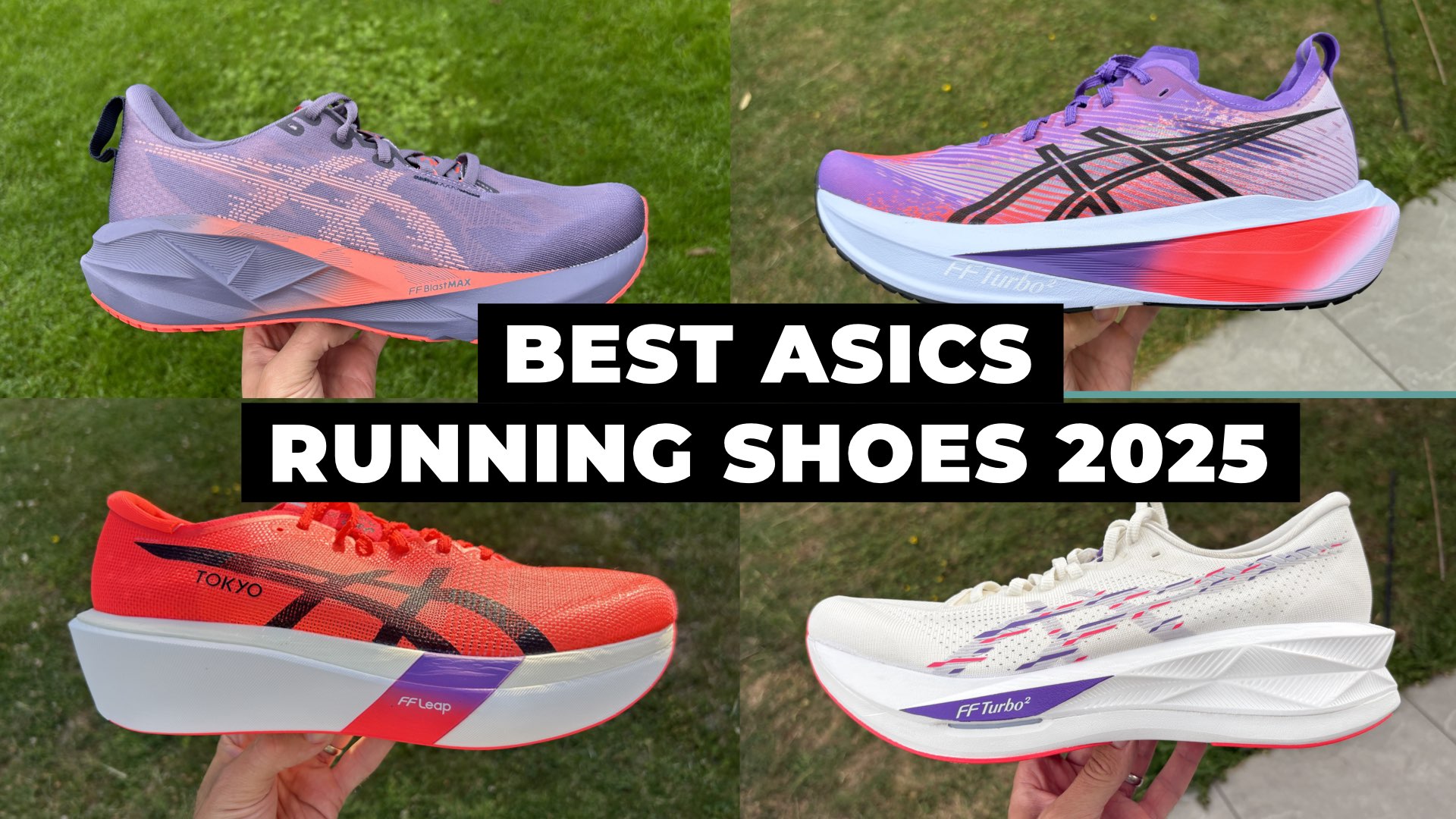
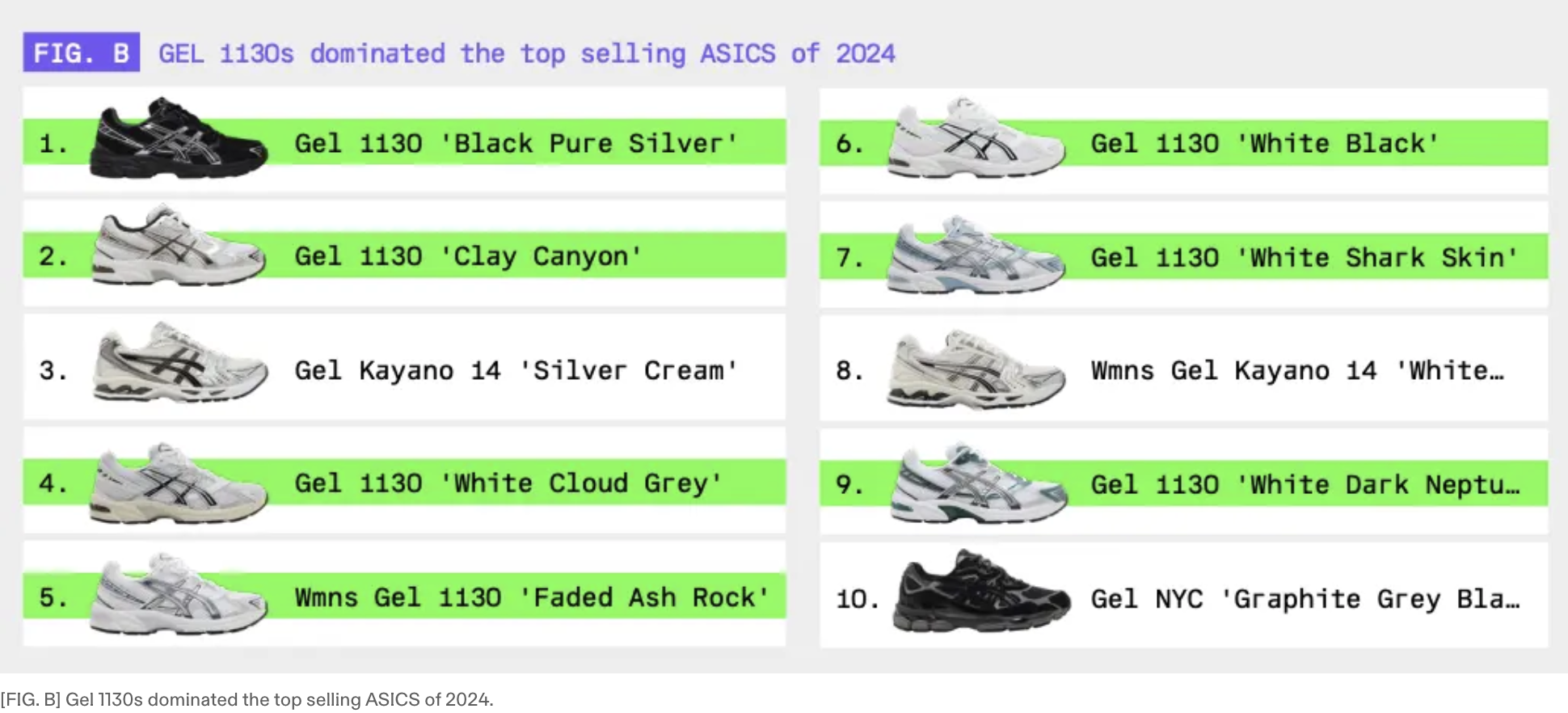
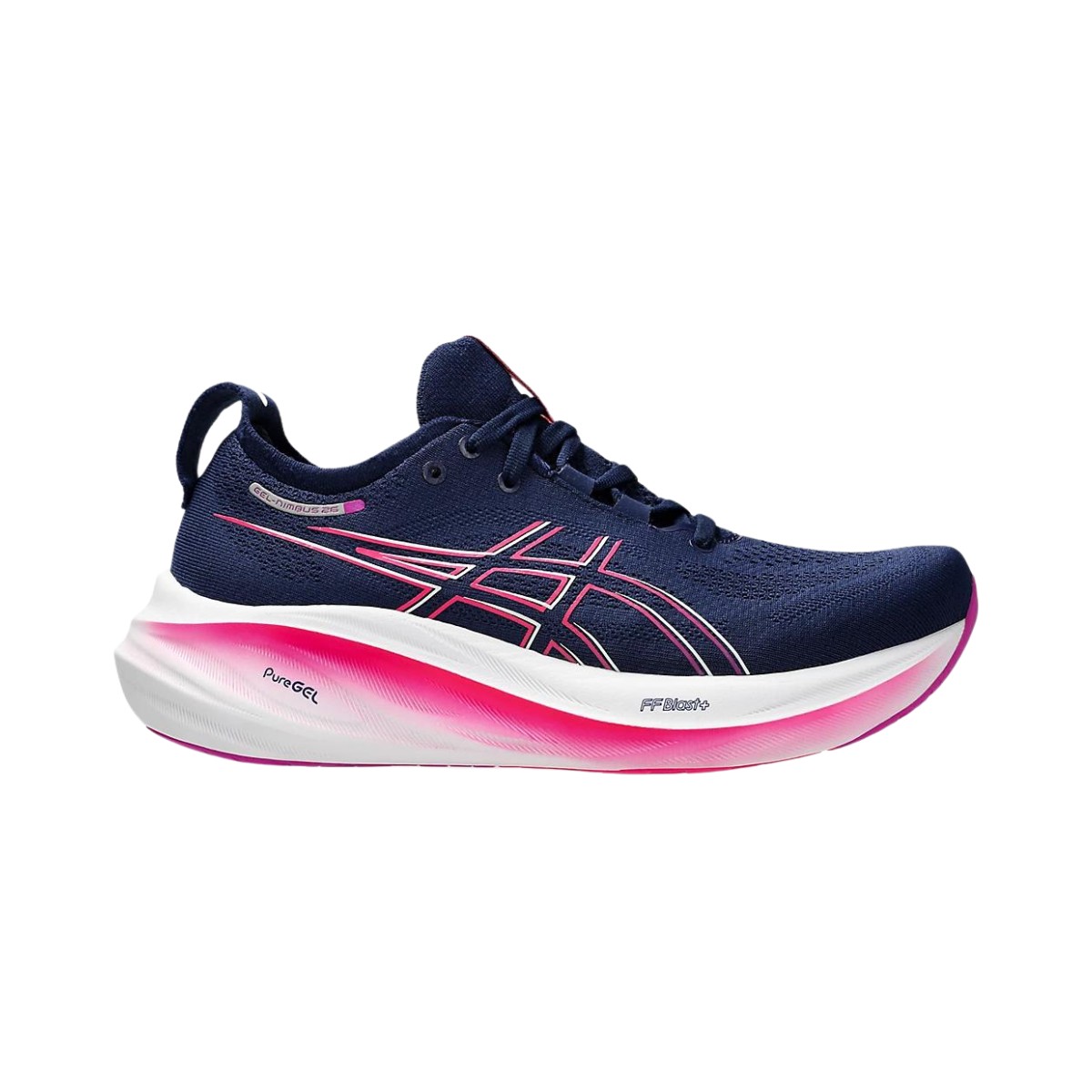
ASICS running shoes range from approximately $80 for entry-level daily trainers to over $250 for carbon-plated elite racing models. The brand's reputation for biomechanical stability has made it a preferred choice for professional athletes, celebrities, and casual runners alike, frequently appearing on public figures during high-profile training sessions and casual outings.
Understanding the ASICS Pricing Structure
The pricing strategy employed by ASICS is primarily dictated by the specific technology integrated into the midsole and the intended use case of the footwear. As of 2026, the company organizes its catalog into tiered categories that reflect the R&D costs associated with their proprietary materials, such as FlyteFoam and GEL cushioning.
Entry-Level and Daily Trainers ($80–$120)
At the base of the price spectrum, ASICS focuses on durability and foundational support. Models in this range are designed for high-mileage training sessions where specific performance features like carbon plates or super-critical foams are unnecessary. These shoes provide a consistent platform for runners who prioritize long-term wear and reliable cushioning over explosive energy return. They are often the standard for recreational runners and gym enthusiasts who require a stable, versatile shoe.
Performance and Mid-Range Models ($130–$180)
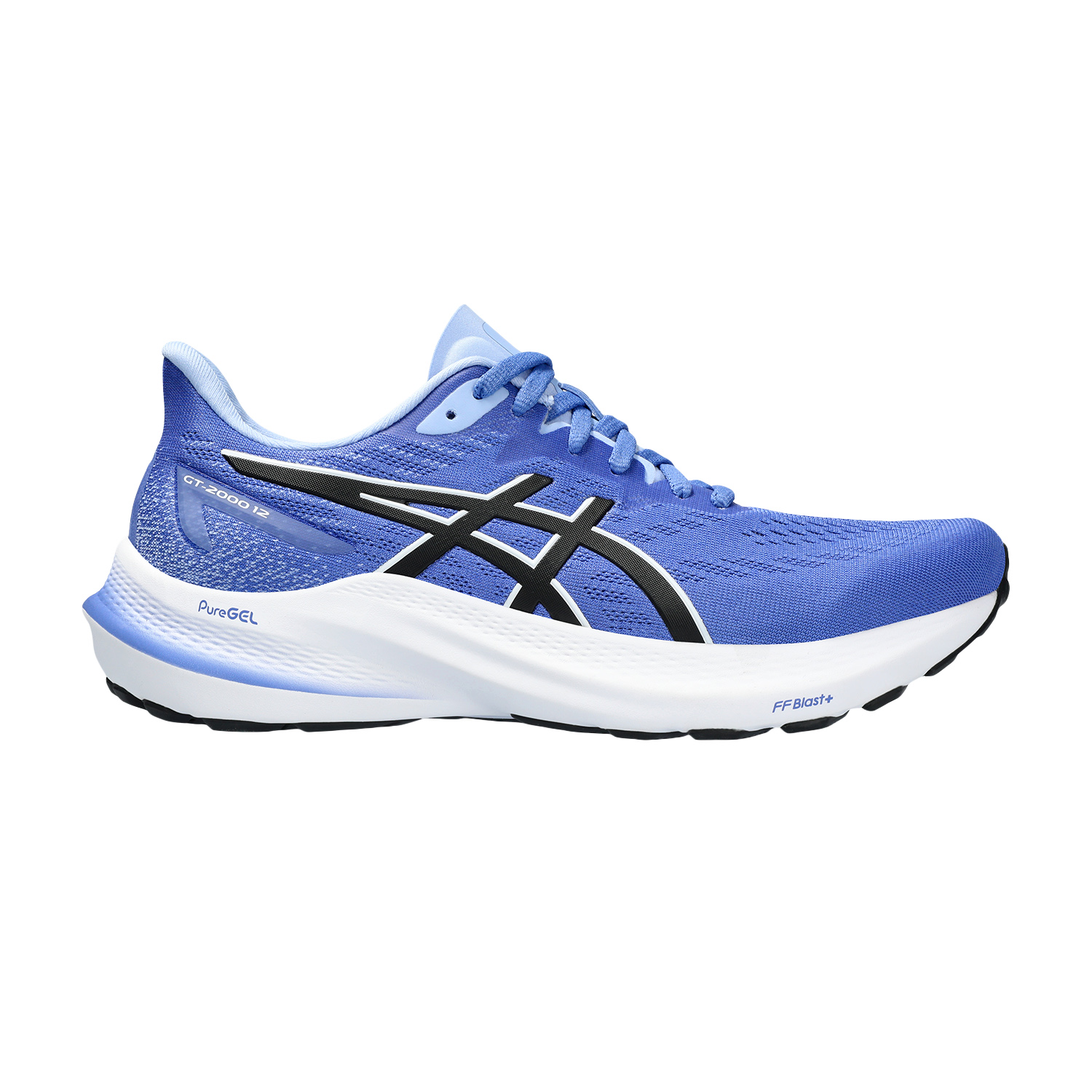
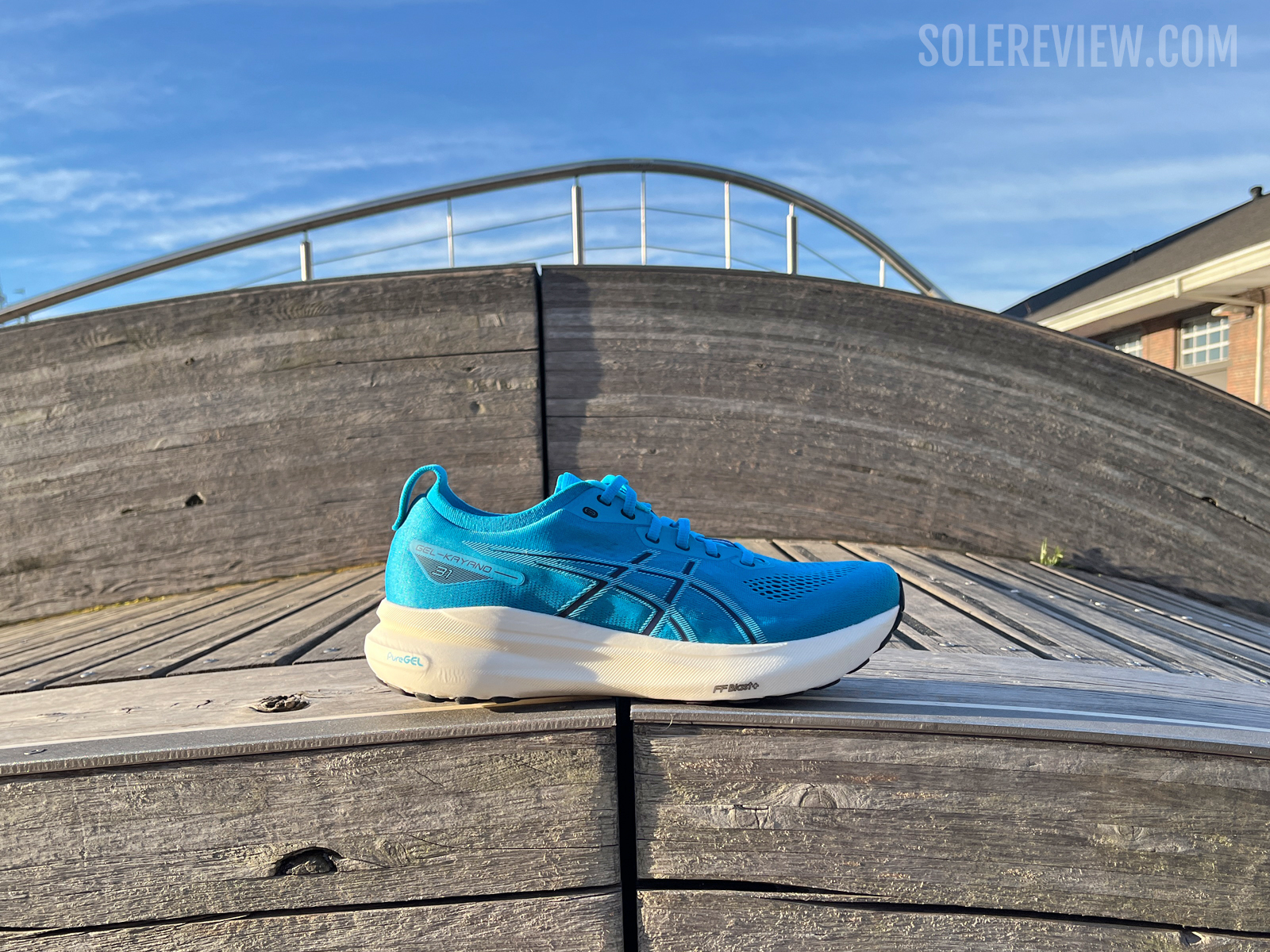
The mid-range represents the most popular segment of the ASICS catalog. This tier includes the "flagship" daily trainers—shoes that have become cultural icons in the running world. These models incorporate sophisticated engineering, such as improved arch support for overpronation (the GEL-Kayano series) or specialized neutral cushioning for long-distance comfort (the GEL-Nimbus series). The price increase here accounts for advanced upper mesh materials, increased foam volume, and precision-engineered stability components that adapt to a runner's gait.
Elite Racing and Technical Footwear ($190–$250+)
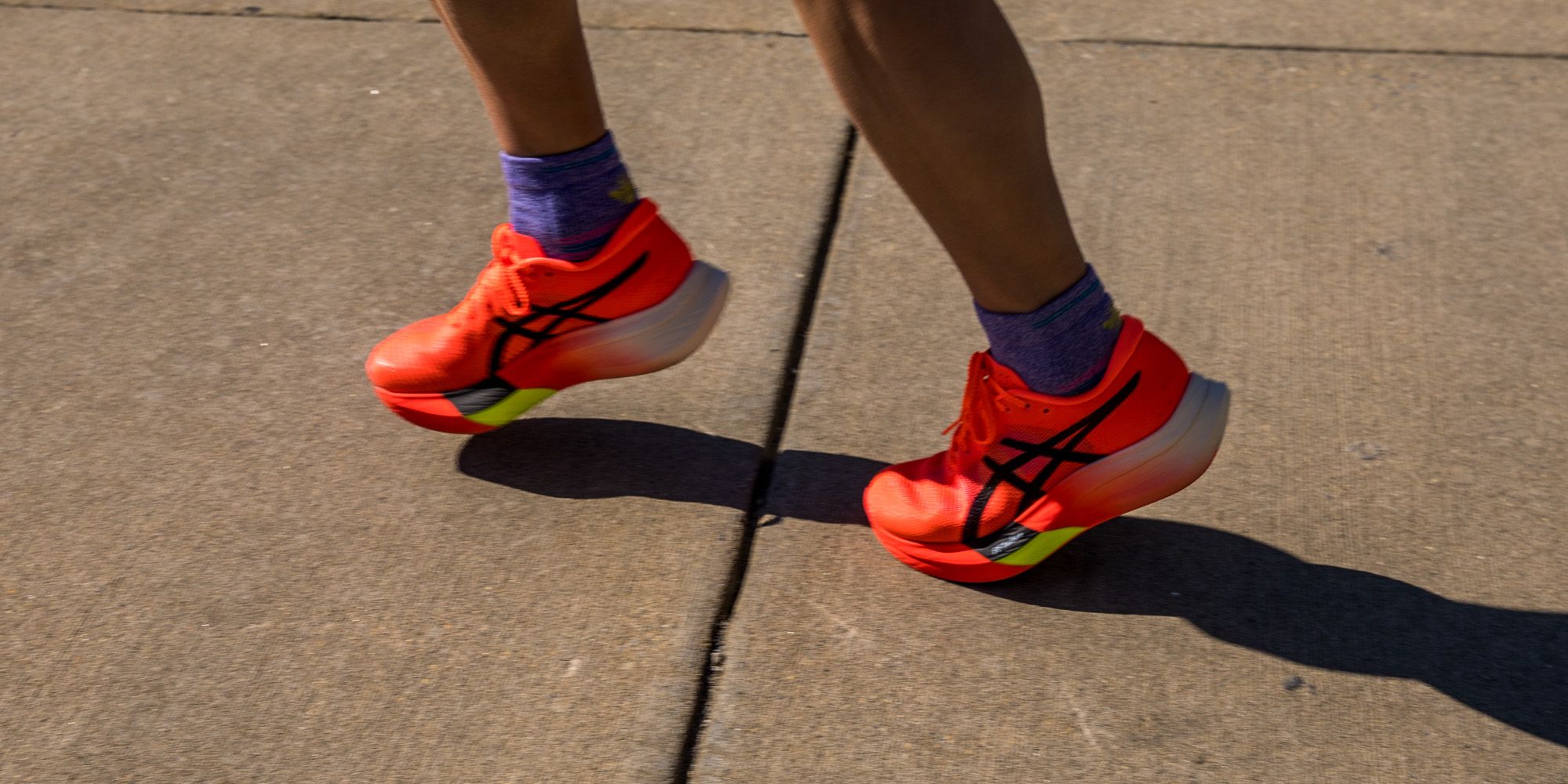
The highest price points are reserved for the "super shoe" category. These models are engineered with rigid carbon-fiber plates and high-rebound, lightweight foam compounds. They are intended for competitive racing, offering mechanical assistance to improve running economy. While the performance benefits are high, these materials are often less durable than those in daily trainers, leading to a shorter lifespan for the product.
The Intersection of Performance and Popularity
The visibility of ASICS in mainstream media is not accidental; it is driven by the brand’s long-standing focus on corrective biomechanics. Because the brand provides specific models for different foot strikes—ranging from neutral to severe overpronation—celebrities and public figures often select these shoes for practical reasons, such as mitigating back pain or preventing injury during intensive public appearances or training regimens.
Famous Figures and Their Footwear Choices
The influence of celebrities on athletic fashion has solidified ASICS as a staple in both the performance and "athleisure" markets. Public figures are often seen wearing ASICS models during candid moments—such as paparazzi shots of celebrities leaving the gym or during charity marathons—which reinforces the brand’s image as an accessible yet high-performance tool.
Several notable individuals have been identified using ASICS across various domains:
- Athletic Professionals: High-level marathoners and tennis players frequently use the brand for training, as the technical specifications allow for a higher level of impact absorption compared to fashion-first sneakers.
- Media Personalities and Actors: Often seen in the GEL-Kayano or GEL-Nimbus lines, public figures involved in intense fitness programs rely on the consistent arch support provided by these designs.
- Public Figures in Training: During marathon charity events, celebrities often opt for established, reliable stability shoes to avoid the fatigue associated with harder, less cushioned footwear.
Comparison Table: ASICS Performance Categories
| Series Category | Primary Use Case | Typical 2026 Price Range | Key Technical Feature |
|---|---|---|---|
| Entry Trainer | General Fitness | $80 - $110 | Standard EVA Foam |
| Stability | Overpronation | $140 - $170 | GEL-Kayano Support |
| Neutral Cushion | Long Distance | $150 - $180 | PureGEL Technology |
| Racing/Elite | Competitive Speed | $200 - $260 | Carbon Plate / FF Turbo |
Factors Influencing Secondary Market Pricing
Beyond the official retail prices listed above, ASICS footwear maintains a unique position in the secondary market. Unlike brands that rely heavily on limited-run hype and scarcity to drive secondary prices, ASICS prices in the resale market are often governed by utility and previous-generation inventory availability.
- Generation Cycles: ASICS frequently updates its models with new version numbers (e.g., from v28 to v29). When a new version launches, the previous iteration often sees a sharp price reduction in retail and secondary channels, making it a cost-effective choice for budget-conscious runners.
- Colorway Variations: While technical features remain constant, limited-edition colorways—especially those released in collaboration with boutique designers or specific cultural events—can command higher prices among collectors, even if the underlying technology is identical to the standard version.
- Endorsements: When a high-profile individual is frequently photographed in a specific legacy model, demand can spike for that particular version, momentarily affecting availability and price in secondary markets.
Maintenance and Lifespan Considerations
A major component of the "cost" of running shoes is their longevity. ASICS shoes are generally rated for 300 to 500 miles of use. Evaluating the price requires an understanding of how frequently the user replaces their footwear. If a runner logs 20 miles per week, a $160 pair of shoes provides roughly 15 to 25 weeks of support. Calculating the cost per mile is a more accurate way to view the investment compared to the sticker price.
Failure to replace shoes once the cushioning material has compressed—often visible via creases in the midsole or felt through reduced energy return—can lead to increased stress on joints. This is a common point of contention among professional athletes who advise against pushing a shoe beyond its structural integrity limit, regardless of how well it may appear on the surface.
Troubleshooting Your Shoe Choice
Many users misidentify their foot type, leading to the purchase of an inappropriate model. If you are experiencing persistent discomfort while using ASICS, consider the following diagnostic steps:
- Gait Analysis: Visit a specialized running store for a gait assessment. This determines whether you require a neutral shoe or one with added support (stability).
- Surface Impact: Determine if your primary training is on pavement, track, or treadmills. Harder surfaces require more cushioning, while soft tracks may allow for lighter, less bolstered models.
- Volume Adjustment: If you are transitioning to higher mileage, consider having two pairs of shoes on rotation. This allows the foam in each shoe to fully "rebound" between runs, extending the life of both pairs and justifying the initial cost of purchasing two units.
Frequently Asked Questions
Why are some ASICS running shoes significantly more expensive than others? Price differences are almost entirely driven by the materials used in the midsole and upper. Expensive models include advanced carbon-fiber plates and specialized foams that are harder to manufacture. These components are designed to provide maximum energy return for racing, which differs from the robust durability required for a daily trainer.
Which ASICS model is the most popular among professional athletes? While preferences vary by sport, the GEL-Kayano and GEL-Nimbus lines are the most frequently cited models in the public eye. These models are favorites due to their predictable performance, extensive cushioning, and stability features that reduce the risk of common overuse injuries during high-intensity training.
Does the price of an ASICS shoe correlate directly to its durability? Not always. In fact, the most expensive "elite" racing shoes often have a shorter lifespan than mid-range daily trainers. Racing shoes prioritize weight reduction and performance, which often comes at the expense of outsole rubber thickness and midsole material longevity. Daily trainers are built to withstand significantly more mileage.
Are the shoes worn by celebrities always the best for average runners? No. Celebrities often choose shoes based on comfort, availability, or brand partnerships. An average runner should prioritize their own biomechanical needs—such as arch shape and pronation tendencies—over the aesthetic choices of public figures. Always opt for the model that fits your unique foot mechanics.
When is the best time to buy ASICS shoes to get the best price? Prices generally drop when a new version of a specific model is released. Most manufacturers follow an annual or semi-annual update cycle. By researching the release calendar for the specific model you want, you can often find previous-version inventory at a significant discount.
Final Recommendations
To ensure you receive the best value for your investment, identify your specific running needs before making a purchase. If you are a casual runner, a mid-range daily trainer provides the best balance of comfort, durability, and cost-efficiency. If you are training for a specific race, prioritize the performance-oriented models but ensure your base training remains in a more durable shoe to preserve your racing gear. Always purchase from authorized retailers to ensure you are receiving authentic product, especially when seeking out models worn by public figures, as high-visibility designs are often targeted by counterfeiters.