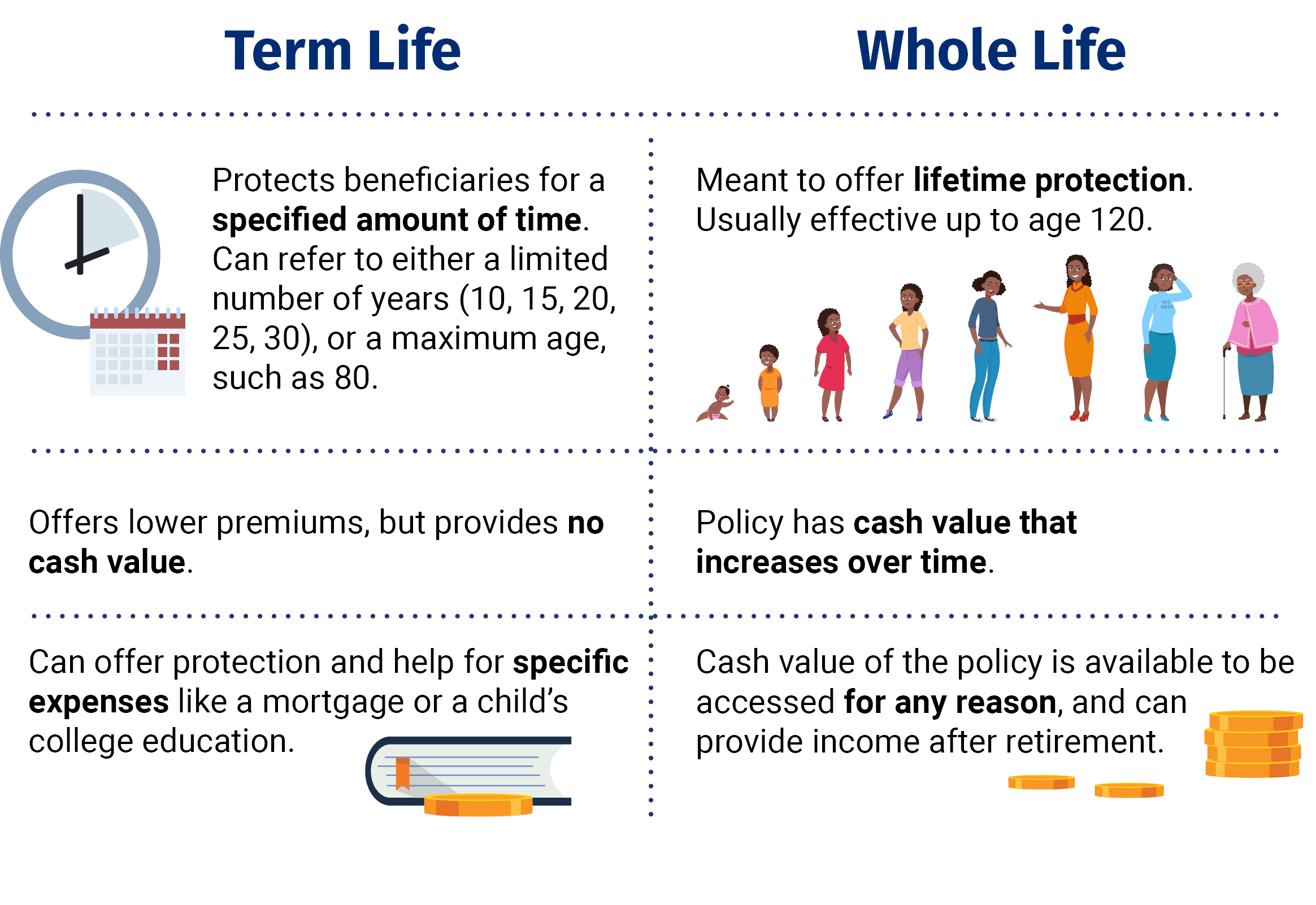
To buy the right term life insurance, you must ask questions that reveal the policy’s long-term flexibility, total cost, and the insurer's reliability. Key inquiries should focus on whether premiums remain level, if the policy is convertible to permanent coverage without a medical exam, and what specific exclusions apply to the death benefit.
Buying term life insurance is often described as one of the most straightforward financial decisions you can make. You pay a set premium for a specific period—typically 10, 20, or 30 years—and if you pass away during that window, your beneficiaries receive a tax-free death benefit. However, the simplicity of the product often masks complex clauses that can affect your family’s security decades down the line.
As we navigate the insurance landscape of 2026, the integration of high-speed data underwriting and personalized "living benefits" has made the selection process more nuanced. Whether you are a first-time buyer or looking to replace an expiring policy, asking the right questions is the only way to ensure the contract you sign today meets the needs of your future self.
Questions Regarding Policy Structure and Duration
The most basic elements of a term policy—how long it lasts and how much it costs—require deeper investigation than a surface-level quote suggests.
1. Is the premium guaranteed to remain level for the entire term?
Most modern term life insurance is sold as "Level Term." This means your monthly or annual payment stays the same for the duration of the policy. However, some "annually renewable" policies exist where the premium starts low but increases every year. You must confirm that the rate is locked in. If an agent presents a quote that seems significantly lower than competitors, verify that it isn’t a "graded" or "increasing" premium structure that will become unaffordable as you age.
2. What happens to the premium if I want to renew after the term expires?
While most people intend for their term insurance to end once their mortgage is paid or children are independent, life rarely follows a linear path. Ask for a schedule of "renewal rates." Almost all term policies offer a "guaranteed renewability" clause, but the premiums post-term are often prohibitively expensive—sometimes 10 to 20 times the original cost. Understanding these rates upfront helps you realize that renewal is a safety net, not a primary strategy.
3. How was this specific term length calculated for my needs?
Don't just pick a 20-year term because it sounds standard. Ask your advisor to justify the duration based on your financial milestones. If your youngest child is two years old, a 15-year term may leave a gap before they graduate college. If you have a 30-year mortgage, a 20-year term leaves a decade of risk. The right question isn't "What is the cheapest term?" but "Which term aligns with my longest-dated debt or obligation?"
Questions Regarding Conversion and Flexibility
One of the most valuable features of a term policy is the "Conversion Rider." This allows you to turn your temporary term policy into a permanent (whole or universal) life insurance policy without undergoing a new medical exam.
4. Is the policy convertible, and what is the "conversion window"?
You may be healthy now, but if you develop a chronic illness in ten years, you may become uninsurable. A conversion option is your "insurance for your insurance." Ask specifically:
- When does the window close? Some policies allow conversion at any time during the term, while others cut off the option at age 65 or after the first 10 years.
- Is it a partial conversion? Can you convert just a portion of your $1 million policy to permanent coverage while letting the rest lapse?
5. What products are available for conversion?
Some insurers limit you to their most expensive permanent products during a conversion. Ask the agent: "If I convert this policy in five years, will I have access to your full suite of permanent products, or am I restricted to a specific 'conversion-only' policy?" A restricted choice often leads to higher costs for the permanent coverage later.
Questions Regarding Underwriting and Digital Data in 2026
In 2026, the underwriting process has shifted heavily toward "Accelerated Underwriting" (AU). This uses algorithmic checks of your medical records, prescription history, and even driving records to approve policies in minutes rather than weeks.
6. Am I being "fully underwritten" or "accelerated"?
Full underwriting involves a paramedical exam (blood and urine samples). Accelerated underwriting does not. While AU is faster, it isn't always cheaper. If you are in exceptionally good health, you might actually secure a better "Super Preferred" rate by opting for a traditional medical exam. Ask: "Would a medical exam potentially lower my premium based on my current health profile?"
7. What specific data sources are used to determine my rate?
In the current era, insurers look at more than just your weight and blood pressure. They may access the Medical Information Bureau (MIB) or pharmacy benefit manager databases. Ask your agent for a list of the reports they will pull. Transparency here allows you to check for errors in your records—such as an incorrectly logged prescription—before they result in a higher premium or a denial.
Questions Regarding Riders and Living Benefits
Riders are optional add-ons that customize your coverage. In 2026, "Living Benefits" have become a standard expectation for many policyholders.
8. Does the policy include an Accelerated Death Benefit (ADB) rider?
This is perhaps the most important rider to ask about. It allows you to access a portion of the death benefit while you are still alive if you are diagnosed with a terminal illness (and sometimes chronic or critical illnesses). Ask: "What is the trigger for the ADB, and is there an additional cost for this rider?" Most reputable insurers include a basic terminal illness rider for free.
9. Should I include a Waiver of Premium rider?
This rider ensures that if you become totally disabled and cannot work, the insurance company will pay your premiums for you, keeping the policy in force. Ask about the "waiting period" (usually six months) and the definition of "disability" used by the insurer. Some define it as being unable to perform any job, while others define it as being unable to perform your specific job.
10. Are there exclusions for "hazardous" activities?
If you enjoy scuba diving, private piloting, or rock climbing, you must ask: "Are there any specific exclusions for my hobbies?" Some policies will cover you but charge a "flat extra" fee, while others will simply exclude the death benefit if you die during those specific activities. Total transparency is required here to avoid a claim denial later.
Questions Regarding the Insurer’s Credibility
The promise of a life insurance policy is only as good as the company’s ability to pay the claim 20 or 30 years from now.
11. What are the company’s financial strength ratings?
Don't rely on the agent's word that the company is "huge" or "stable." Ask for their ratings from independent agencies. Specifically, look for:
- A.M. Best: Look for A or higher.
- Moody’s: Look for A or higher.
- Standard & Poor’s (S&P): Look for A or higher.
These ratings reflect the insurer's claims-paying ability. You can verify these independently through the National Association of Insurance Commissioners (NAIC).
12. What is the insurer's "Clean Peak" or claims-payout ratio?
While most major insurers pay out 99% of valid claims, asking about their reputation for claim processing is vital. Ask the agent: "How long does the average claim take to process once the death certificate is received?" In 2026, many top-tier companies offer "expedited claims" for certain policy types, which can be a massive relief for grieving families.
Summary Comparison of Term Life Options
The following table outlines the differences between standard term life and "modern" enhanced term policies commonly found in 2026.
| Feature | Standard Term Life | Enhanced/Modern Term (2026) |
|---|---|---|
| Underwriting | 4–8 weeks; requires blood/urine. | Minutes to days; often uses AI/data. |
| Living Benefits | Terminal illness only (usually). | Terminal, Chronic, and Critical illness. |
| Conversion | Often restricted to specific dates. | Flexible conversion windows; wider product choice. |
| Premium Cost | Generally the lowest possible. | Slightly higher if "living benefits" are included. |
| Policy Management | Paper-based or basic web portal. | Integrated mobile apps with "Wellness" discounts. |
Frequently Asked Questions (FAQ)
What is the most important question to ask an agent?
"Are you a captive agent or an independent broker?" A captive agent works for one company (like State Farm or Allstate) and can only sell their products. An independent broker represents dozens of companies. Asking this ensures you know if you are seeing the whole market or just one company’s menu. For most consumers, an independent broker provides a better chance of finding the lowest rate for their specific health profile.
Can I change my coverage amount later?
Most term policies allow you to decrease your coverage (e.g., dropping from $1 million to $500,000) to save on premiums. However, you generally cannot increase your coverage without a new application and medical exam. If you think your needs will grow, ask about a "Guaranteed Insurability Rider," which allows you to purchase more coverage at specific intervals or life events (like marriage or the birth of a child) without a medical exam.
How do "Wellness Programs" affect my term life premium?
In 2026, many insurers offer "interactive" policies. If you share data from your wearable fitness tracker showing you walk 10,000 steps a day, you may receive a discount. Ask: "Does this policy offer a path to lower premiums through healthy habits, and how is my privacy protected if I share that data?" Be sure to understand if the premium can also increase if you stop meeting the fitness goals.
What if I smoke occasionally or use "alternative" nicotine products?
Be very specific here. Ask: "What is your definition of a 'smoker'?" Some companies will give you "Non-Smoker" rates if you only smoke a few cigars a year or use nicotine patches, while others will label you a "Smoker" for any nicotine use. The difference in premium can be as high as 300%.
Is it better to buy term life through my employer?
Ask your agent to compare a private policy to your group coverage. While employer-sponsored life insurance is often free or cheap, it is usually not "portable." If you leave your job, you lose the coverage. A private policy stays with you regardless of your employment status. Often, for healthy individuals, a private term policy is more cost-effective than "buying up" additional coverage through an employer's group plan.
Practical Recommendations
Before signing any term life insurance contract in 2026, take these final three steps:
- Request a "Sample Policy": Don't just look at the brochure. Ask for the actual contract language regarding exclusions and conversion. An agent who is hesitant to provide this is a red flag.
- Verify the "Free Look" Period: Most states mandate a 10- to 30-day "free look" period. During this time, you can cancel the policy for a full refund of any premiums paid. Ask exactly how many days you have to review the final document.
- Check for "Layering" Opportunities: If you need $1 million in coverage for 10 years (while the kids are home) but only $500,000 for 20 years (until the mortgage is paid), ask about "layering" or "laddering" policies. This involves buying two smaller policies with different durations, which can be significantly cheaper than one large 20-year policy.
By asking these targeted questions, you move from being a passive consumer to an informed advocate for your family’s financial future. Term life insurance is a contract; ensure you understand every clause before you commit your legacy to it.