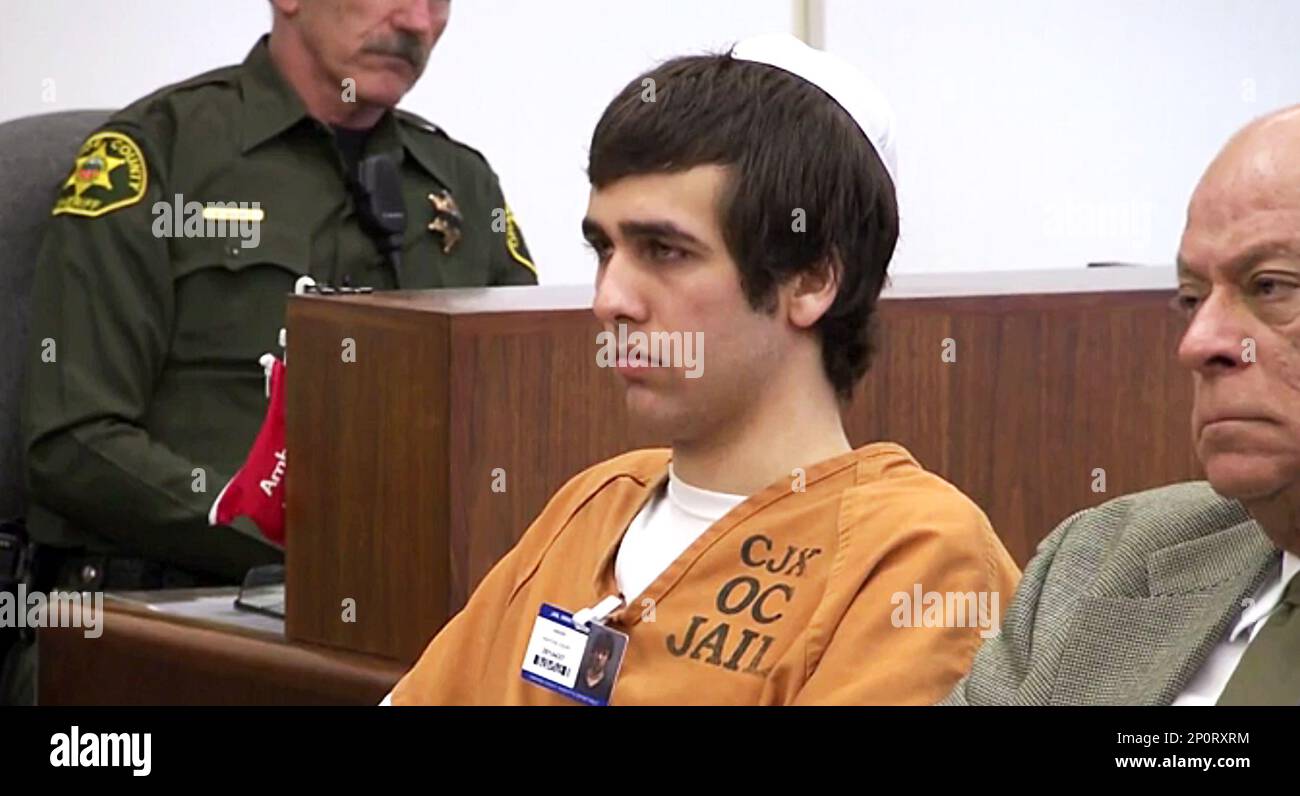
As of 2026, Ashton Sachs is serving a sentence of life imprisonment without the possibility of parole within the California Department of Corrections and Rehabilitation. He remains incarcerated following his 2017 conviction for the 2014 first-degree murders of his parents, Andra and Bradford Sachs, and the attempted murder of his younger brother at their family home in San Juan Capistrano, California.
Background of the Case
The incident, which occurred in the early morning hours of February 9, 2014, remains one of the most widely publicized criminal cases in Orange County history. Ashton Sachs, who was 19 years old at the time of the offense, drove from his college residence in Seattle, Washington, to his parents' gated estate in San Juan Capistrano. Upon arrival, he entered the home armed with a semi-automatic weapon.
The targeted violence resulted in the deaths of Bradford Sachs, 57, and Andra Sachs, 54, who were shot in their bedroom. Additionally, Sachs attempted to take the life of his then-8-year-old brother, who sustained injuries but survived the attack. Following the shooting, Sachs fled the scene and returned to Washington State. He was apprehended by law enforcement several weeks later.
Legal Proceedings and Conviction
The trial of Ashton Sachs concluded in 2017. Throughout the proceedings, prosecutors presented a detailed narrative of premeditation, asserting that Sachs had planned the murders well in advance. Forensic evidence, digital communications, and logistical data regarding his travel from Washington to California were instrumental in securing the conviction.
In March 2017, an Orange County jury found Sachs guilty on two counts of first-degree murder and two counts of attempted murder. The jury also found true special circumstance allegations, including lying in wait and multiple murders, which necessitated a sentence of life without the possibility of parole. During the sentencing phase, the court formally imposed this penalty, effectively ensuring that Sachs would remain in state custody for the duration of his life.
Current Incarceration Status
As of 2026, Ashton Sachs continues to fulfill his sentence. In the California penal system, an inmate serving a sentence of life without the possibility of parole (LWOP) is generally not eligible for parole hearings or early release programs, regardless of conduct or rehabilitation efforts.
The California Department of Corrections and Rehabilitation (CDCR) maintains records on all inmates; however, such records are primarily for internal administrative management and security classification. For the public, Sachs’s status remains static, as the nature of his conviction precludes the legal mechanisms typically used by inmates to transition toward eventual release.
Impact and Legacy of the Event
The case had a profound impact on the local community in San Juan Capistrano and the broader Orange County area. The victims, prominent business figures in the luxury home and electronics sectors, were well-known within their social and professional circles. The brutality and nature of the crime—a son turning against his immediate family—sparked intense public discourse regarding familial dynamics, mental health, and the accessibility of firearms.
In the years since the trial, the case has been frequently cited in legal journals and criminal justice media when discussing the complexities of "familicide" and the challenges inherent in high-profile homicide investigations where the suspect is closely related to the victims.
Comparative Overview of Criminal Sentences in California
To understand the gravity of the sentence imposed on Ashton Sachs, it is helpful to contrast his legal outcome with other categories of sentencing within the California penal code as they stand in 2026.
| Sentencing Type | Eligibility for Parole | Potential for Release |
|---|---|---|
| Life Without Parole (LWOP) | Never | None |
| Life with Parole (15+ Years) | After minimum term | Evaluated by Board |
| Determinate Sentencing | After serving percentage | Automatic based on credit |
| Death Penalty | N/A (Status in flux) | Governed by state stay |
The sentence assigned to Sachs belongs to the most restrictive category, designed specifically for cases involving heinous, premeditated, or multiple acts of violence where the court determines that the offender poses a permanent threat to public safety.
Frequently Asked Questions
Is there any chance of an appeal or sentence reduction for Ashton Sachs? In 2026, there are no active, high-profile legal efforts reported that would suggest a successful appeal or sentencing modification. Because he was convicted of first-degree murder with special circumstances, the legal threshold for challenging the verdict or the sentence is extremely high, and his conviction has already withstood the initial appellate process.
Where is Ashton Sachs currently being held? While the CDCR does not always publish the exact current facility of every inmate for security reasons, individuals serving life sentences for high-profile crimes are typically housed in maximum-security institutions within the California state prison system. He remains under the jurisdiction of the California Department of Corrections and Rehabilitation.
Why was this case considered so unusual? The case was considered highly unusual due to the calculated nature of the travel involved—Sachs drove hundreds of miles to carry out the crime—and the fact that he attempted to kill his younger sibling. These factors distinguished the case from impulsive domestic violence incidents and underscored the premeditated nature of his actions.
What happens to the estate or assets involved in the case? Legal proceedings regarding the distribution of assets following the death of the parents were handled in probate court following the criminal trial. Generally, under California's "Slayer Statute" (Probate Code section 250), an individual who feloniously and intentionally kills a person cannot inherit from or receive any property or benefit from the victim’s estate.
How does California law handle life without parole in 2026? As of 2026, life without the possibility of parole remains a sentencing option for specific capital offenses. Unlike standard life sentences, it provides no mechanism for the Board of Parole Hearings to grant release, ensuring the inmate remains incarcerated until death.
Recommendations and Next Actions
For those seeking to verify specific administrative details regarding the incarceration of an inmate, the most accurate source is the California Department of Corrections and Rehabilitation’s official "Inmate Locator" tool. By inputting the correct legal name or CDCR number, one can confirm the current location and general status of any inmate within the state system.
It is important to note that information regarding private family matters or the personal mental health of incarcerated individuals is often protected by privacy regulations. Those researching this case for academic or journalistic purposes should rely exclusively on court transcripts and official state records rather than third-party speculation or unverified media reports.