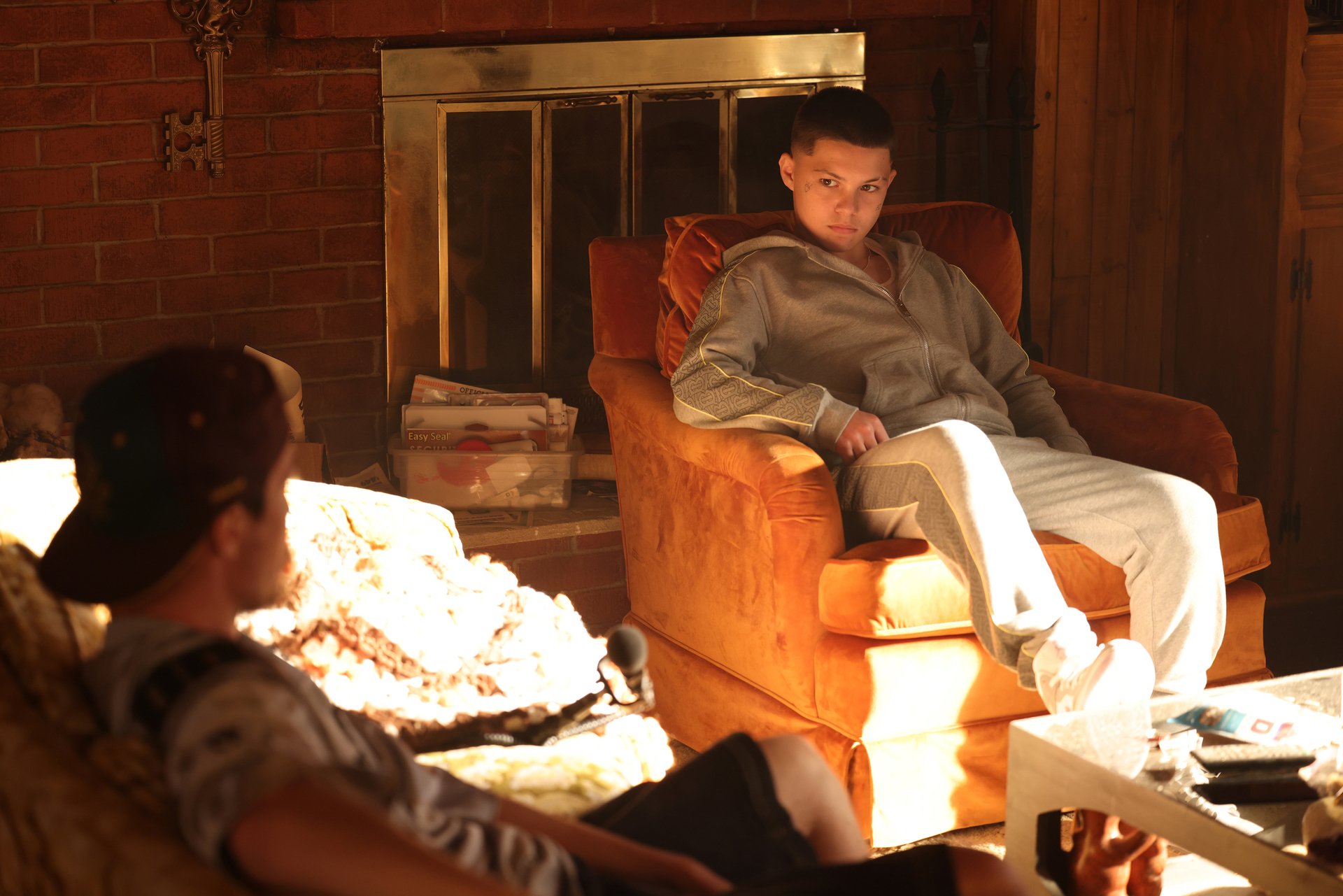
Speculation regarding whether the character Ashtray could return in Season 3 of the HBO series Euphoria hinges on the definitive events depicted in the Season 2 finale. Despite intense fan theories suggesting his survival, the narrative trajectory established by showrunner Sam Levinson concludes that Ashtray sustained a fatal gunshot wound during the police raid, effectively closing his story arc within the current timeline of the show.
The Narrative Conclusion of Ashtray in Season 2
To understand why the question of Ashtray’s status persists, one must first revisit the final moments of Euphoria Season 2, Episode 8, titled "All My Life, My Heart Has Yearned for a Thing I Cannot Name." In a tense standoff involving a SWAT team raid on the apartment he shared with his adoptive brother, Fezco, Ashtray barricades himself in the bathroom. Armed and refusing to surrender, he engages in a firefight with law enforcement.
The sequence concludes with a laser sight landing on Ashtray’s forehead, followed by the sound of a single, definitive gunshot. The camera does not linger on his body, a stylistic choice that often fuels audience speculation regarding hidden survival. However, the internal logic of the scene—the presence of an heavily armed tactical unit and the absence of any medical intervention—signals a narrative conclusion. Unlike other characters who have been shown surviving trauma, Ashtray’s arc was designed to emphasize the harsh, inescapable consequences of the criminal life he and Fezco inhabited.
The Role of Ambiguity in Dramatic Storytelling
Showrunner Sam Levinson has frequently utilized ambiguity to deepen the emotional impact of Euphoria. By choosing not to provide a graphic, lingering shot of the character's death, the show leaves a void that viewers often seek to fill with alternative interpretations. This technique serves several narrative purposes, most notably shifting the focus toward the psychological aftermath for the surviving protagonist, Fezco.
If the character were to return, it would require a significant retcon of the established reality of Season 2. In professional television production, such a reversal is rare unless the narrative requires a flashback or a dream sequence. Because the show focuses on the raw, often tragic reality of its teenage subjects, introducing a survival plot for a character explicitly caught in a fatal crossfire would undermine the thematic stakes that Euphoria has built throughout its run.
Comparative Character Arc Analysis
To determine the likelihood of a character’s return, it is helpful to look at how Euphoria handles character departures compared to other dramas.
| Character | Status | Narrative Mechanism |
|---|---|---|
| Ashtray | Deceased | On-screen tactical raid, implied fatal shot |
| Rue Bennett | Alive | Narration/Recovery arc |
| Nate Jacobs | Alive | Evolving antagonist arc |
| Fezco | Alive | Post-raid legal complication |
The show utilizes death as a catalyst for growth in other characters. Ashtray’s demise is the primary driver for Fezco’s emotional struggle moving into the future of the series. By removing the character, the writers force the remaining cast to confront the finality of loss, a common trope in gritty, character-driven dramas that aim for realism over serialization tropes.
Why Fan Theories Persist Despite Narrative Evidence
The "Ashtray survival" theory is a product of deep emotional investment. Because the character was a breakout favorite, viewers naturally resist the finality of his departure. Fans have pointed to the lack of a funeral scene or an explicit confirmation of death by the authorities in the show's dialogue as potential "loopholes."
However, in the context of television production, the lack of a funeral scene is often simply a matter of pacing. A show with a large ensemble cast has a limited amount of screen time in a season. The focus of the immediate aftermath was correctly placed on the immediate danger facing Fezco and the heartbreak of the remaining cast members, rather than on the bureaucratic details of a crime scene. Expecting a medical or legal procedural update in a show that prioritizes subjective, emotional experiences over forensic accuracy is an attempt to apply the logic of a different genre to Euphoria.
The Technical Reality of Production and Casting
By 2026, the status of the Euphoria production schedule has shifted significantly, with long gaps between seasons influencing the availability of cast members. The actor who portrayed Ashtray, Javon Walton, has moved on to other projects, which is a standard indicator in the industry that a character’s role has concluded. When a major character is intended to return, production contracts and project scheduling usually reflect that continuity. The absence of such indicators, combined with the clear narrative trajectory provided in the Season 2 finale, reinforces the fact that the character is not part of the active cast for future iterations.
Thematic Necessity and the Cost of Survival
Euphoria deals with the intersection of youth, trauma, and systemic failure. Ashtray represents the "point of no return" for children involved in the drug trade. His story acts as a cautionary tale within the show’s universe. If he were to survive, it would fundamentally alter the weight of the tragedy that befell Fezco. The impact of the Season 2 finale relies entirely on the audience believing that the consequences of that raid were permanent. Replacing that permanence with a "miraculous" recovery would weaken the overarching message regarding the volatility of the life his character chose.
Addressing Common Fan Queries
1. Did the showrunners ever confirm Ashtray’s death?
While there hasn't been a press release regarding the specific medical status of a fictional character, the director’s creative choices in the finale serve as the official narrative confirmation. In the medium of film and television, the content of the episode is the definitive record of events.
2. Could he return in a flashback?
It is possible for any character to return in a flashback or a dream sequence. However, this is distinct from "being in" a season in a functional, living capacity. Such appearances do not negate the established fact of his death in the timeline of the show.
3. Why didn't we see a body?
Not seeing a body is a standard directorial choice to keep the focus on the emotional impact for other characters, like Fezco, rather than focusing on the gore of the scene. It is a stylistic preference, not an intended clue for a return.
4. Does the casting news for Season 3 include him?
As of 2026, official production news for Euphoria does not list the character in the active, current-timeline cast. All current promotional and production material focuses on the progression of the existing, living ensemble.
5. Is there any evidence of a secret filming schedule?
There is no verified evidence of secret filming or off-screen production involving the character. Professional film production at this scale requires massive logistics, including SAG-AFTRA filings and location permits, which would make keeping a major character's return a secret for this duration impossible.
Final Perspective on the Show's Progression
When assessing whether a character like Ashtray could be in Season 3, the most reliable evidence is the narrative structure of the previous episodes. The show has consistently shown that actions have heavy, often irreversible costs. The intensity of the finale was crafted to leave no ambiguity regarding the immediate fate of the characters involved.
Moving forward into future seasons, the show remains committed to exploring the aftermath of these events for the characters who remain in the story. Rather than looking for the return of a character whose story has been fully told, viewers can expect the upcoming seasons to deal with the legacy of his loss and how it shapes the motivations and moral compasses of the surviving characters. Understanding this shift is essential for anticipating the tone and direction of the next installments of the series.