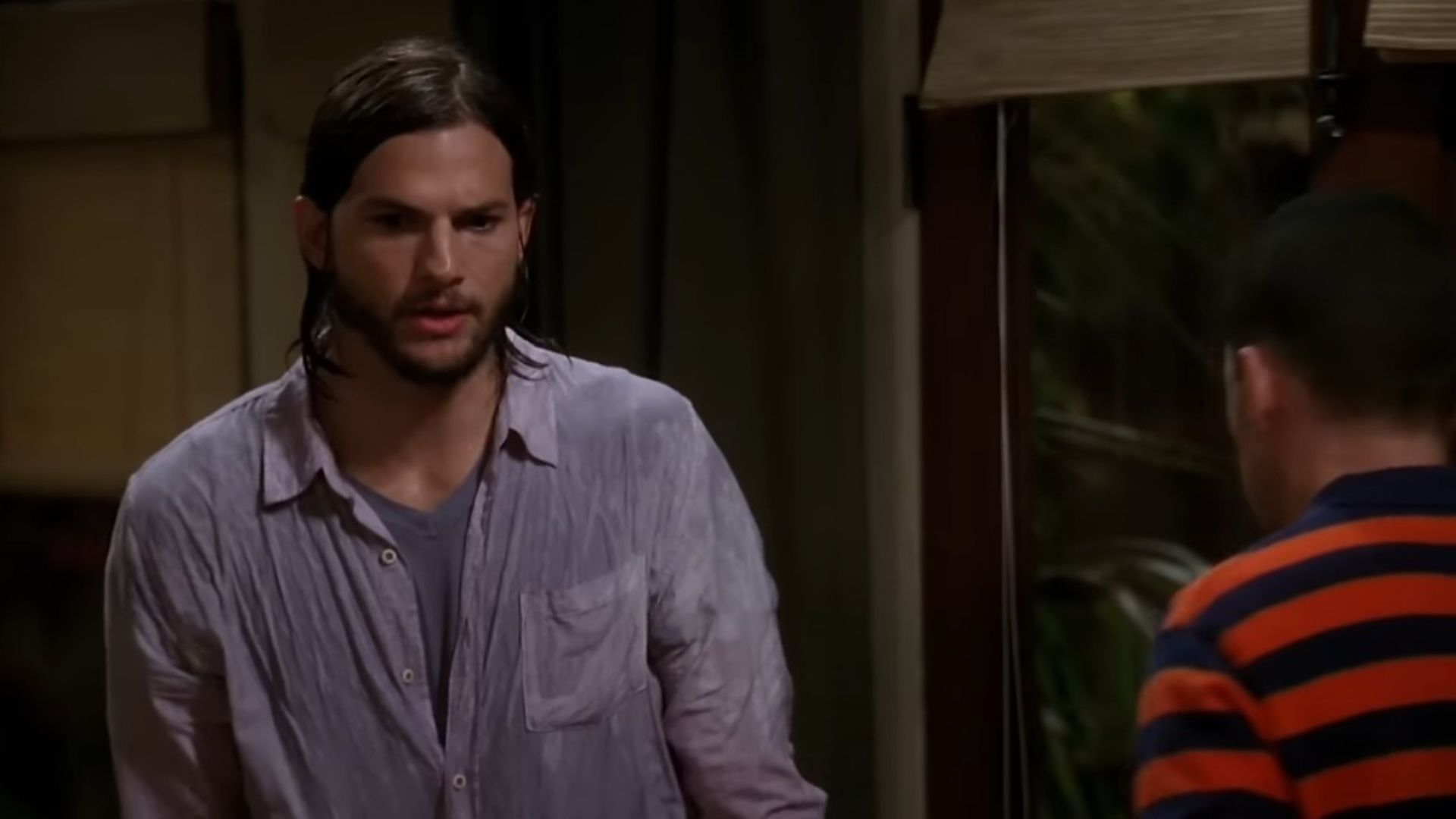
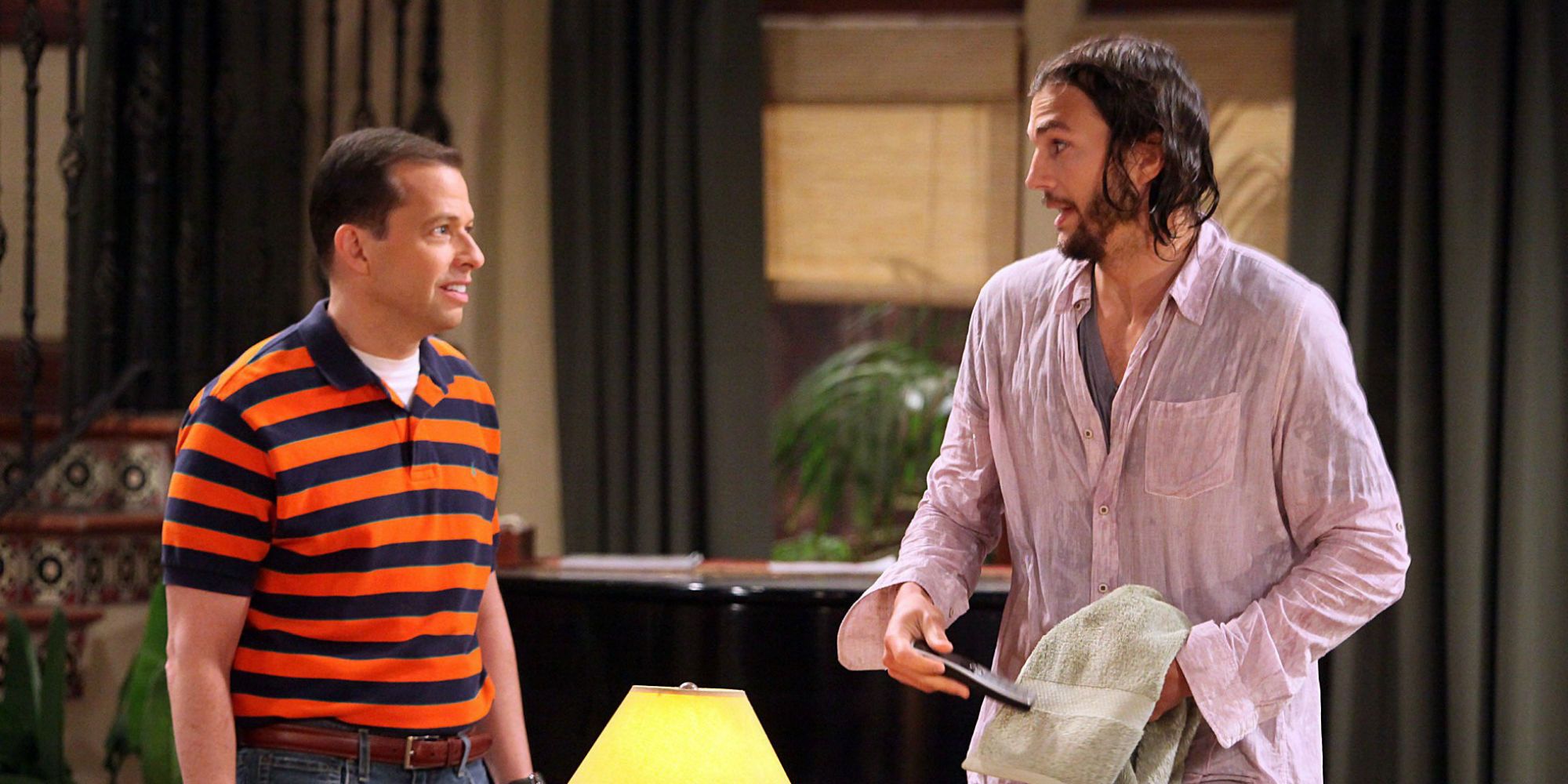
Ashton Kutcher joined the cast of the long-running sitcom Two and a Half Men at the start of its ninth season in 2011, taking over the male lead role following the high-profile departure of Charlie Sheen. He portrayed internet billionaire Walden Schmidt through the show's final four seasons until its conclusion in 2015.
The arrival of Ashton Kutcher on Two and a Half Men marked one of the most heavily scrutinized casting transitions in television history. Stepping into a massive, multi-camera hit that had spent eight years defining its comedic identity around a singular star presented a monumental challenge for both the actor and the production team. Over four seasons, Kutcher helped reinvent the show's core dynamic, guiding it through a creative reboot that sustained high ratings despite the sudden loss of its original protagonist. This comprehensive analysis explores how the transition occurred, the evolution of his character Walden Schmidt, the critical and commercial reception of his run, and the lasting legacy of his time on the series.
The Context of the Transition: Replacing Charlie Sheen
In early 2011, Two and a Half Men was the highest-rated sitcom on television, drawing nearly 15 million viewers per episode for CBS. However, production on the eighth season was abruptly halted following a series of public controversies involving star Charlie Sheen and creator Chuck Lorre. By March 2011, CBS and Warner Bros. Television terminated Sheen's contract, leaving the lucrative franchise without its anchor.
Faced with the choice of canceling a massive revenue generator or attempting a risky recast, the network and studio opted to continue. Chuck Lorre and his writing team faced the creative problem of how to pivot a show whose entire premise centered on the hedonistic bachelor lifestyle of Charlie Harper (played by Sheen). The solution required introducing a character who could inhabit the iconic Malibu beach house while offering an entirely different comedic and dramatic energy.
When Ashton Kutcher was announced as the new lead in May 2011, it represented a strategic shift for the series. Kutcher brought a built-in younger demographic, a background in high-concept feature films, and extensive television experience from his breakout role on That '70s Show. His casting signaled to viewers that the show was not attempting to replicate Charlie Sheen, but rather building an entirely new comedic ecosystem around a different type of protagonist.
Introducing Walden Schmidt: Character Conception and Mechanics
To accommodate Kutcher, the writing team created Walden Schmidt, a billionaire internet entrepreneur introduced in the season nine premiere, "Nice to Meet You, Walden Schmidt." The character was written as fabulously wealthy, emotionally vulnerable, and somewhat naive—a stark contrast to the cynical, self-assured sophistication of Charlie Harper.
The Suicide Feint and House Acquisition
The season nine opener cleverly addressed the vacant Malibu estate by having Walden arrive at the house while contemplating suicide following a devastating divorce from his high school sweetheart, Bridget (played by Judy Greer). Alan Harper (Jon Cryer), still living in the house, attempts to talk him down. Through a series of misadventures involving a runaway hot tub and mistaken identities, the suicide attempt is averted, and Walden ultimately decides to purchase the beach house to start a new chapter of his life.
Dynamic Shift with Alan Harper
With Charlie gone, the power dynamic of the household inverted. While Charlie had treated Alan as an unwanted parasite whom he lorded over, Walden embraced Alan out of genuine loneliness and a desperate need for friendship. Walden’s immense wealth allowed the writers to lean into absurd, high-end comedic scenarios—such as buying ridiculous gadgets, hiring eccentric staff, and funding bizarre business ventures—while Alan functioned as an unwitting mentor trying to help the billionaire navigate basic adult relationships.
Key Seasons and Narrative Evolution
Ashton Kutcher’s tenure on Two and a Half Men spanned seasons nine through twelve (2011–2015). Across these 88 episodes, the character of Walden Schmidt underwent significant personal and professional growth.
| Season | Key Narrative Arcs | Notable Guest Stars / Milestones |
|---|---|---|
| Season 9 | Adjusting to billionaire bachelor life; divorce finalization with Bridget; developing a codependent friendship with Alan. | Judy Greer, Sophie Winkleman, John Stamos |
| Season 10 | Relationship with Zoey (Sophie Winkleman); business struggles; navigating the pressures of public wealth. | Miley Cyrus, Jaime Pressly, Michael Bolton |
| Season 11 | Introduction of Charlie's long-lost daughter, Jenny (Amber Tamblyn); faux marriage to Alan for adoption purposes. | Amber Tamblyn, Mila Kunis, Hilary Duff |
| Season 12 | Decision to simplify his life; entering a sham marriage with a woman to adopt a foster child; series finale. | Arnold Schwarzenegger, Christian Slater, Angus T. Jones (cameo) |
The Integration of Amber Tamblyn and Angus T. Jones's Departure
As the show entered its eleventh season, the cast experienced another major shift with the departure of Angus T. Jones, who had played Jake Harper since childhood. To fill the void of the "half man" in the title, the writers introduced Jenny (Amber Tamblyn), Charlie Harper's lesbian daughter who moves into the beach house. Kutcher's Walden served as a surrogate older brother and mentor figure to Jenny, facilitating a dynamic that mirrored Charlie's old lifestyle through a contemporary female lens.
The Adoption Arc and the Final Season
In the twelfth and final season, Walden suffers a health scare that prompts him to reevaluate his legacy. Deciding that material wealth and superficial dating are unfulfilling, he resolves to adopt a child. Because single-man adoption proves difficult, he proposes a marriage of convenience to Alan. This unusual domestic arrangement formed the backbone of the final season, culminating in a self-referential series finale that leaned heavily into postmodern television tropes.
Critical Reception and Audience Impact
The introduction of Ashton Kutcher into a declining, controversy-ridden show generated intense media scrutiny. Initial audience reaction was sharply divided between nostalgic fans who refused to watch without Charlie Sheen and new viewers drawn to Kutcher's star power.
Ratings Performance
Commercially, the gamble paid off for CBS. The season nine premiere drew a staggering 28.7 million viewers, representing the highest ratings in the history of Two and a Half Men. While viewership naturally tapered off over subsequent seasons as streaming consumption grew and network television ratings generally declined, the show remained a top-tier performer for CBS, regularly pulling in over 10 million consolidated viewers per episode.
Critical Assessment
Critics offered mixed reviews during Kutcher's early episodes, noting that the writing initially struggled to reconcile the show's traditional raunchy humor with Walden's puppy-dog innocence. However, as the seasons progressed, critics frequently praised the genuine chemistry between Kutcher and Jon Cryer. Cryer won a Primetime Emmy Award in 2012 for his work during this era, demonstrating that the new comedic partnership retained critical viability.
Comparison: Charlie Harper vs. Walden Schmidt
To understand how Ashton Kutcher altered the identity of Two and a Half Men, it is useful to examine the structural differences between the two eras:
- Primary Motivation: Charlie Harper was motivated by hedonism, alcohol, and casual romance, viewing life as a game to be manipulated for personal comfort. Walden Schmidt was motivated by a desire for genuine love, emotional connection, and acceptance, often stumbling into romantic trouble due to naivety.
- Financial Status: Charlie was a moderately wealthy jingle writer living comfortably within his means in Malibu. Walden was a self-made tech billionaire whose wealth opened up canvas-scale comedic set pieces involving private jets, high-tech mansions, and Silicon Valley absurdities.
- Relationship to Alan: Charlie treated Alan with overt contempt, keeping him around primarily as an easy target for insults and unpaid labor. Walden treated Alan as an equal and a best friend, viewing him as a crucial emotional anchor during turbulent times.
Behind the Scenes: Production, Salary, and Reception
When Ashton Kutcher signed on to Two and a Half Men, he became one of the highest-paid actors on television. Reports indicated that he earned approximately $700,000 to $750,000 per episode during his peak seasons, reflecting the immense financial stakes riding on the show's successful transition.
Despite the high-pressure environment, cast members and crew frequently reported that Kutcher brought a positive, collaborative energy to the set. In interviews following the show's conclusion, Jon Cryer commended Kutcher for his professionalism and willingness to step into an impossible spotlight without ego. Chuck Lorre also praised Kutcher's comedic timing and his dedication to keeping the production running smoothly despite intense tabloid scrutiny.
The Controversial Series Finale and Legacy
The series concluded on February 19, 2015, with a double-episode finale titled "Of Course He's Dead." The episode became famous for its aggressively meta and bizarre conclusion, which heavily teased the return of Charlie Sheen—only for a piano to drop on a Charlie lookalike in the final moments, followed by Chuck Lorre delivering his famous "Winning" sign-off to the camera.
Ashton Kutcher’s role in the finale was crucial; he and Jon Cryer played straight men to the unfolding absurdity of the episode's homage and final farewell to the Sheen era. Looking back, Kutcher's four-year run successfully rescued a failing asset, proving that a long-running sitcom could survive the departure of its foundational star through a strategic, high-profile pivot.
Summary of Key Takeaways
- Casting Strategy: Ashton Kutcher joined Two and a Half Men in 2011 at the start of season nine, replacing fired star Charlie Sheen.
- Character Profile: He played Walden Schmidt, a naive, tech-billionaire romantic who purchased the Malibu beach house and befriended Alan Harper.
- Ratings Success: The season nine premiere broke records with nearly 28.7 million viewers, stabilizing the franchise for four additional seasons until its 2015 conclusion.
- Dynamic Shift: Kutcher's character inverted the toxic dynamic of the early seasons, replacing cynical contempt with genuine friendship and emotional vulnerability.
Frequently Asked Questions
Why did Ashton Kutcher replace Charlie Sheen on Two and a Half Men?
Ashton Kutcher replaced Charlie Sheen after Sheen was fired by Warner Bros. Television in March 2011 following public disputes with creator Chuck Lorre and erratic behavior. The network and studio chose to cast Kutcher to keep the profitable series running with a brand-new male lead.
How many seasons of Two and a Half Men did Ashton Kutcher appear in?
Ashton Kutcher starred in four seasons of Two and a Half Men, spanning seasons nine through twelve, which aired from 2011 to 2015. He appeared in a total of 88 episodes.
What was Ashton Kutcher's character's name and background?
He played Walden Schmidt, a benevolent, emotionally fragile internet billionaire who made his fortune selling software before buying the Malibu beach house following a messy divorce from his wife, Bridget.
How did the ratings change after Ashton Kutcher joined the show?
The premiere of season nine featuring Kutcher drew a massive audience of 28.7 million viewers, marking a series high. While ratings gradually declined over the next four years as standard television viewership shifted, the show remained a top-rated comedy for CBS throughout his tenure.
Did Charlie Sheen ever return during Ashton Kutcher's run?
Charlie Sheen never physically returned to the show. The series finale heavily teased his return with body doubles and silhouette shots, but ultimately concluded with a gag involving a falling piano rather than an actual appearance by Sheen.
Conclusion and Next Action
For viewers interested in exploring this era of television history, watching the transition from the end of season eight into the premiere of season nine provides a masterclass in network television reinvention. To evaluate the shift firsthand, start by streaming the season nine opener, "Nice to Meet You, Walden Schmidt," to observe how the production team retooled the classic sitcom formula for a new era.