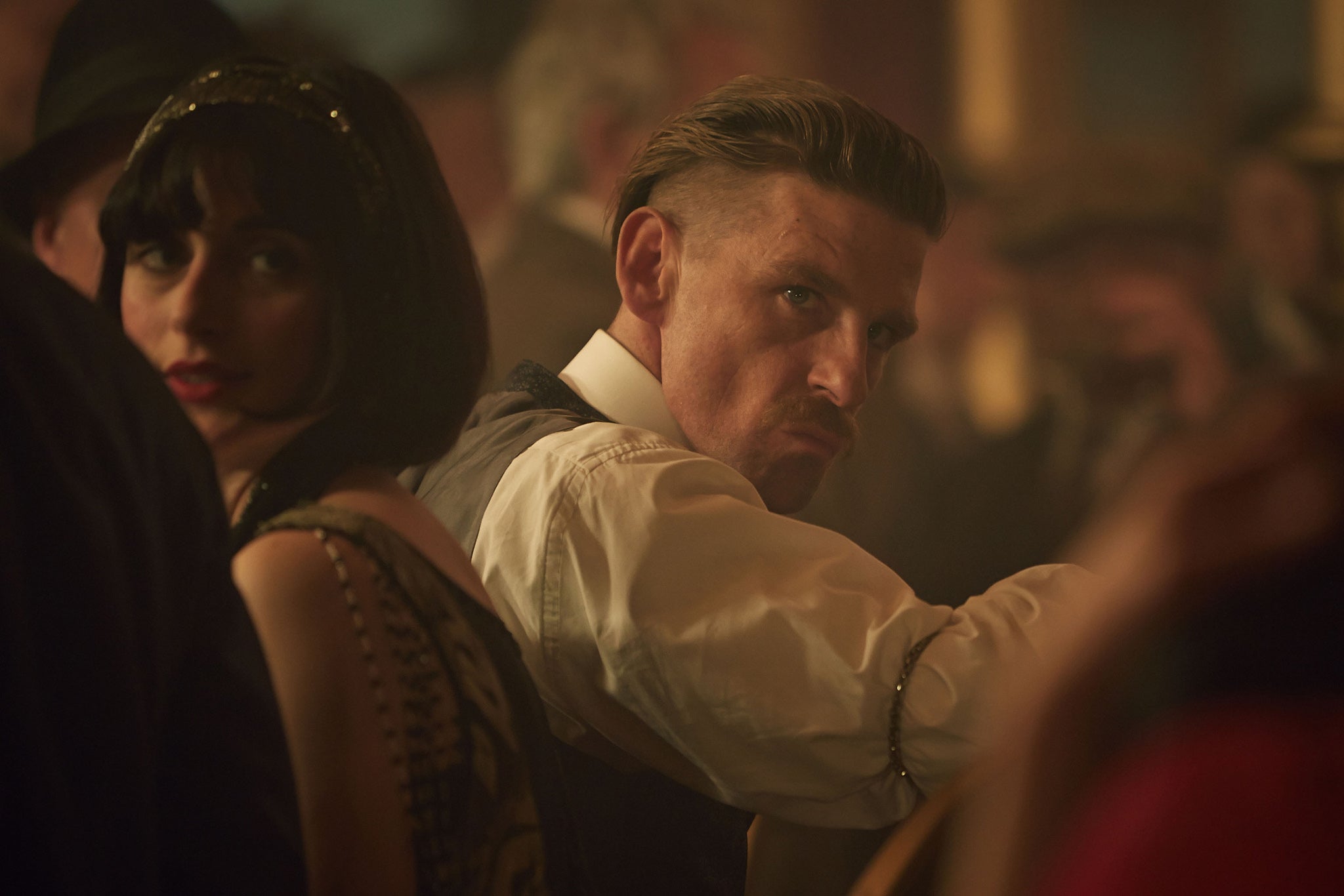
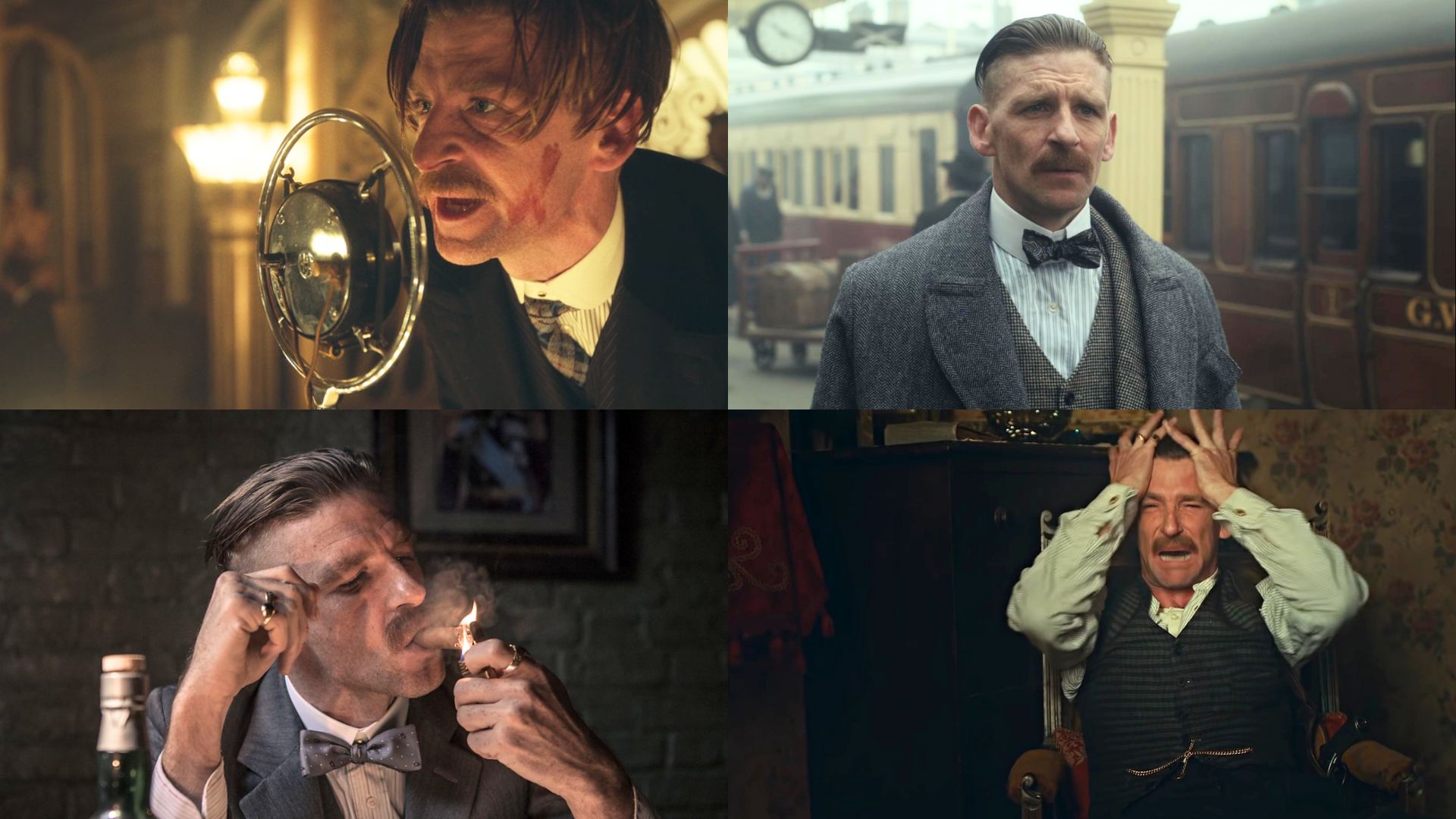
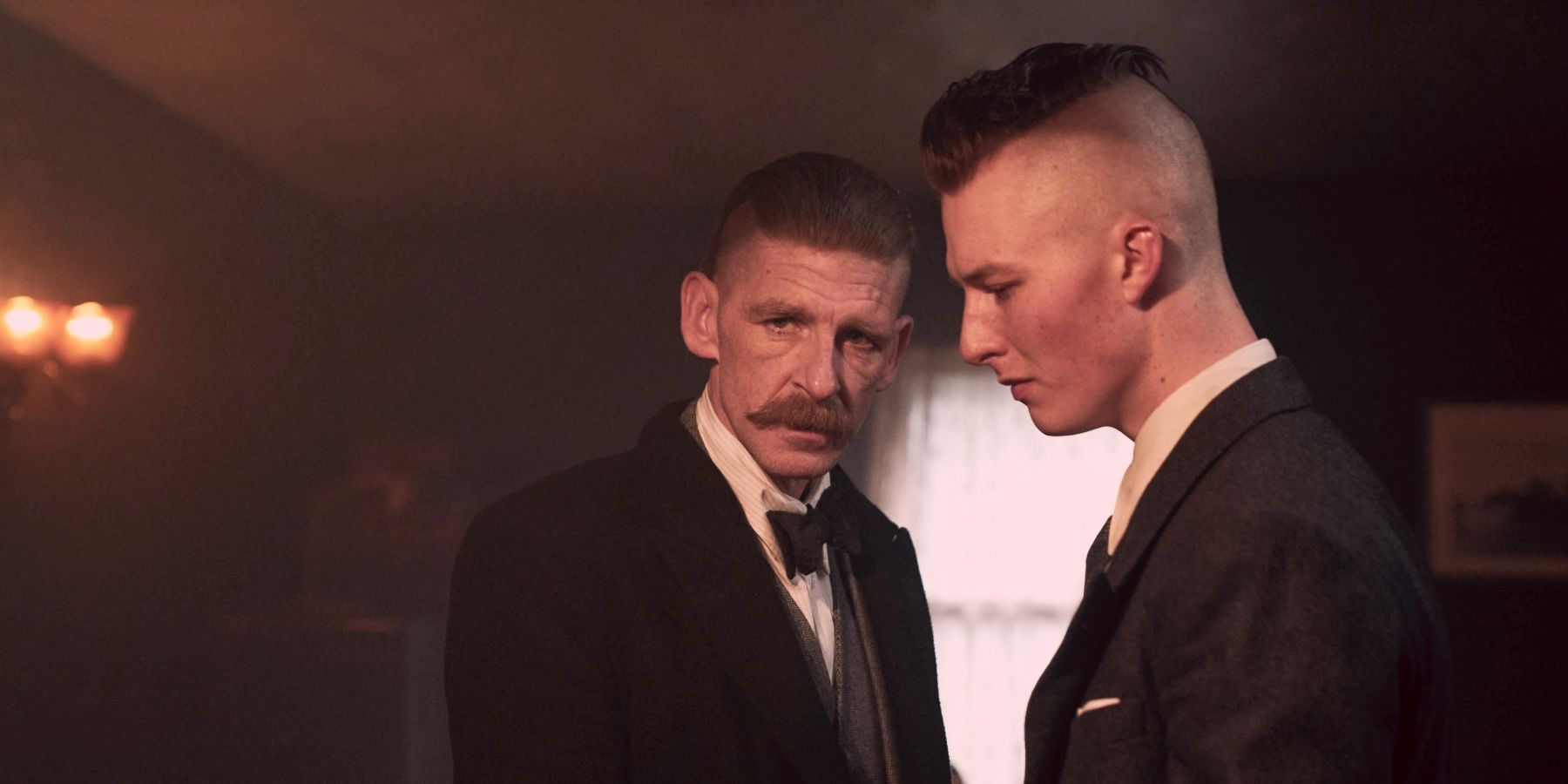
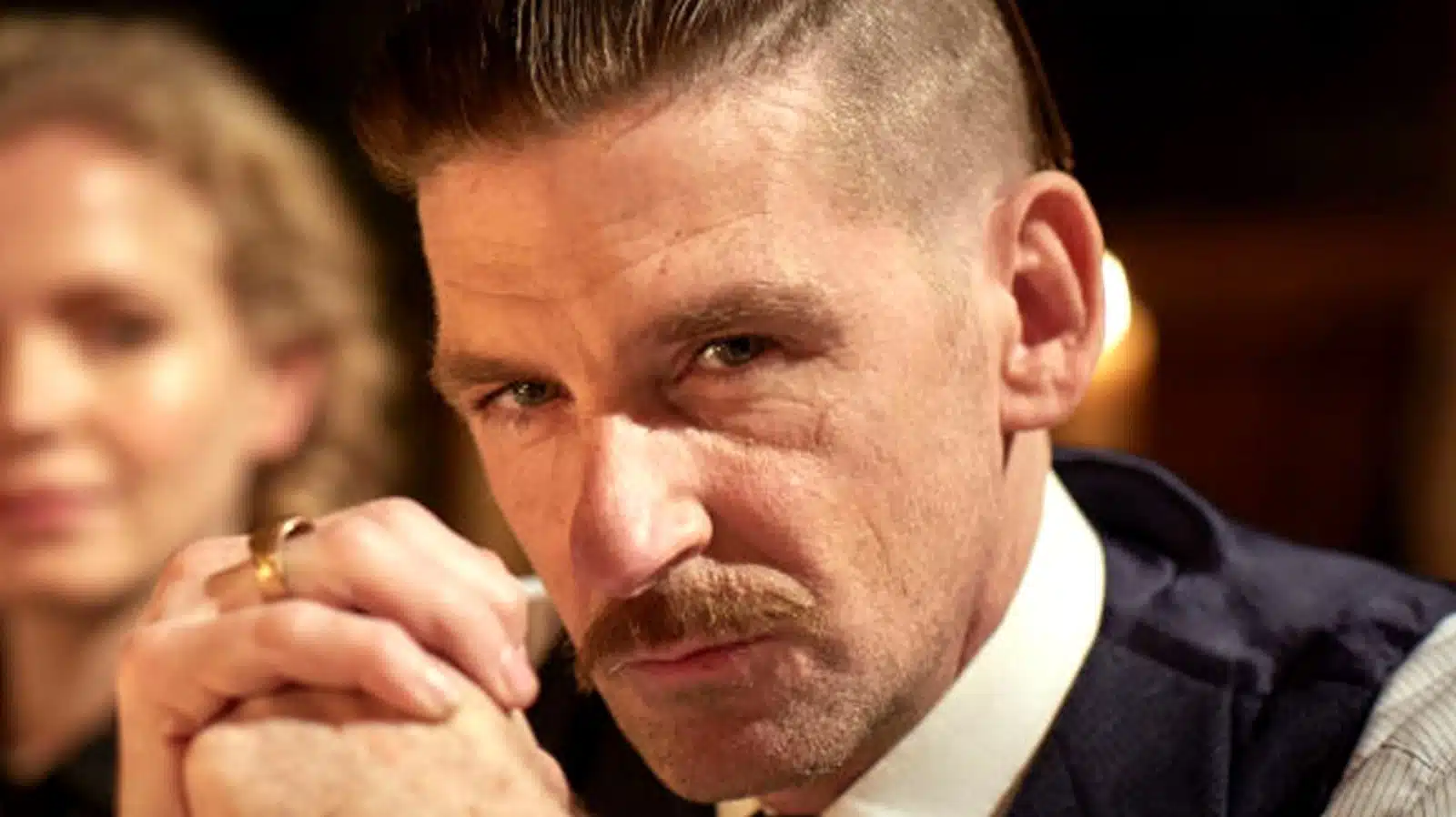
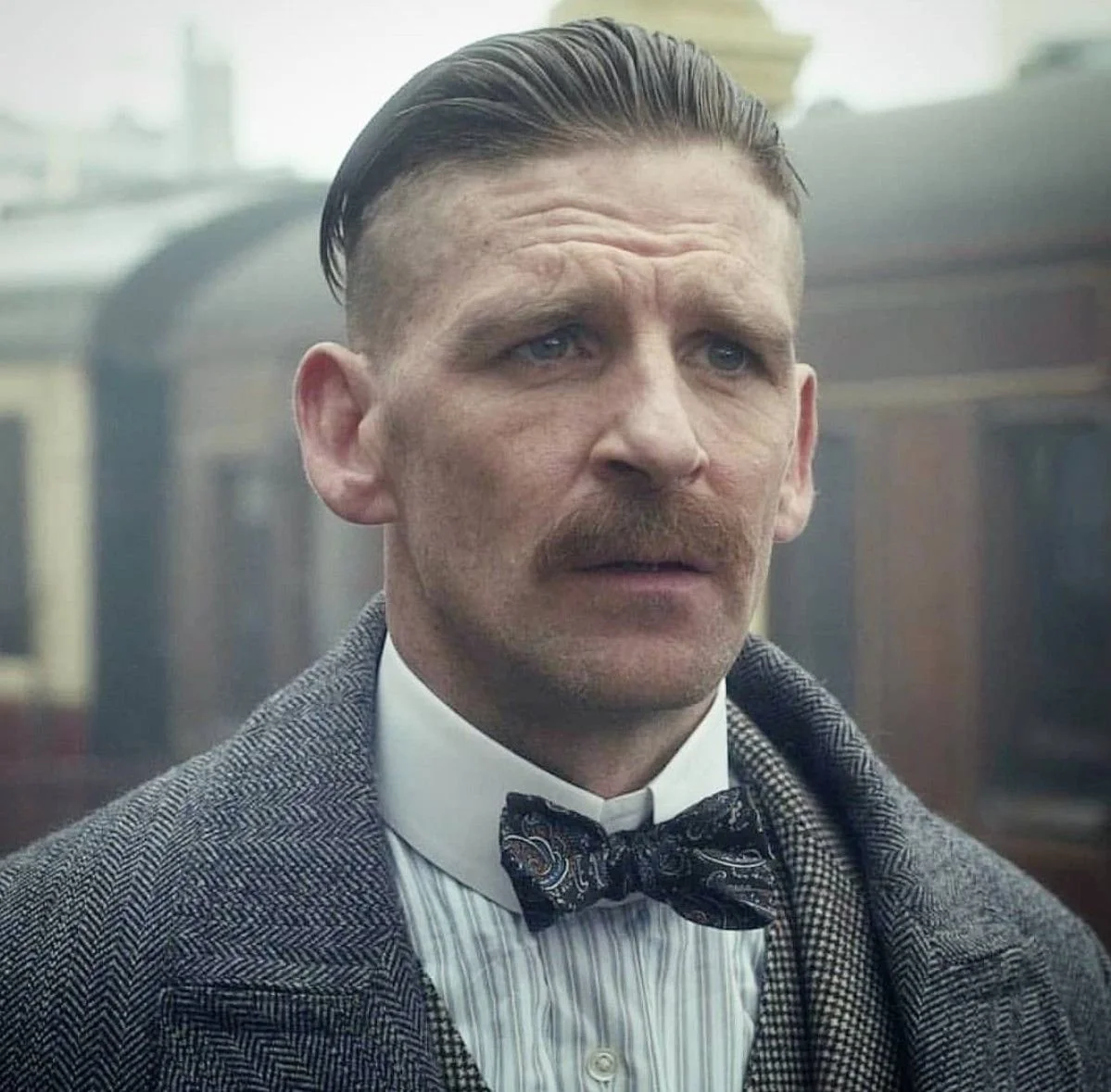
Arthur Shelby does not die in the final season of Peaky Blinders, leaving the troubled and resilient eldest Shelby brother alive as the television series concludes. Throughout the epic six-season run of the BBC and Netflix period crime drama created by Steven Knight, Arthur navigates deep personal trauma, substance addiction, and relentless violence, making his survival a focal point for fans analyzing the psychological weight of the Shelby family legacy.
Introduction to Arthur Shelby's Survival and Narrative Arc
The question of whether Arthur Shelby dies is one of the most frequently debated topics among fans of the television series Peaky Blinders. Played by actor Paul Anderson, Arthur is the volatile, emotionally fractured, and fiercely loyal backbone of the Birmingham criminal enterprise run by his brother, Thomas Shelby (Cillian Murphy). Across six intense seasons set in the interwar period, Arthur's severe struggles with post-traumatic stress disorder, alcohol, and opium addiction place him in mortal danger repeatedly.
While numerous central characters meet violent ends during the show's run—ranging from John Shelby and Grace Shelby to Polly Gray—Arthur survives the series finale, titled "Lock and Key." Understanding his ultimate fate requires a careful examination of his character arc, the threats he faces in the final episodes, and the thematic resolution Steven Knight crafted for the series. This comprehensive analysis explores Arthur's status, the trajectory of his struggles, his relationship with Thomas Shelby, and what lies ahead in the planned cinematic continuation.
The Climax of Season 6: Threats and Near-Death Experiences
To understand why viewers frequently question whether Arthur Shelby dies, it is essential to examine the high-stakes narrative of Season 6. Arthur spends a significant portion of the final season emotionally unmoored following the devastating death of his aunt, Polly Gray, and the escalating pressures of Tommy Shelby's political and criminal maneuvers.
During this period, Arthur is heavily addicted to opium, isolated from his estranged wife Linda Shelby, and consumed by grief. His physical and mental deterioration leaves him vulnerable to assassination plots orchestrated by his enemies, including Michael Gray and Captain Swing of the Irish Republican Army. In the penultimate episodes, Arthur is targeted directly, and his erratic behavior suggests to many viewers that his story will end in tragedy.
However, the climax of Season 6 subverts expectations. While Tommy Shelby believes he is dying from a tuberculoma and sets his affairs in order, Arthur remains a central figure of protection and continuity. When Tommy discovers that his diagnosis was a medical hoax engineered by Oswald Mosley and Dr. Holford, Tommy spares the doctor's life and rides off on a white horse, leaving his family behind to pursue a new path. Arthur, meanwhile, finds a fragile sense of peace, having survived the bloodletting of the final episodes.
Key Survival Moments Across the Series
Arthur's journey to the end of the series is marked by several near-fatal encounters that cemented his reputation as a man who cheats death time and again.
- The Trench Warfare Legacy: Long before the events of Season 1, Arthur survived the brutal horrors of the French trenches during World War I alongside Tommy, John, and Danny Whizz-Bang, an experience that left deep psychological scars.
- The Black Country Boxing Incident: In earlier seasons, Arthur’s involvement in illicit boxing matches and violent street brawls frequently lands him in life-threatening situations, including severe beatings.
- Suicide Ideation and Attempts: Driven by profound guilt over the violence he commits and the accidental deaths of those around him, Arthur battles suicidal ideation throughout the series. A particularly harrowing sequence in Season 5 features Arthur contemplating ending his life in a opium den before being interrupted.
- Assassination Attempts in Season 6: As the Peaky Blinders face their final corporate and political adversaries, multiple ambushes target Arthur directly, testing his dwindling physical reflexes and tactical awareness.
| Season | Major Threat to Arthur Shelby | Outcome |
|---|---|---|
| Season 1 | Changretta family feud and Billy Kimber conflict | Survives; solidifies role as enforcer |
| Season 3 | Economic sabotage and imprisonment by Father Hughes | Survives imprisonment and severe trauma |
| Season 4 | Luca Changretta's mafia vendetta; death of John Shelby | Survives; witnesses brother John's murder |
| Season 5 | Oswald Mosley's fascists and unstable mental state | Survives suicide ideation and assassination attempts |
| Season 6 | Opium addiction, IRA plots, and Tommy's apparent terminal illness | Survives the series finale, remaining in Birmingham |
The Psychological Weight and Redemption of Arthur Shelby
The reason Arthur's fate resonates so deeply with audiences is the tragic authenticity of his character development. Unlike characters who are defined solely by villainy or heroism, Arthur represents the human cost of violence. He is fiercely religious, often reciting scripture before engaging in brutal acts, which highlights his internal moral torment.
Throughout the series, Arthur’s survival is not merely physical; it is a testament to the codependent and protective bond he shares with Thomas Shelby. Tommy repeatedly pulls Arthur back from the brink of self-destruction, recognizing that Arthur is the only person who truly understands the shared trauma of their wartime past. Conversely, Arthur acts as Tommy’s moral anchor and protector, willing to sacrifice his own soul to keep his brother safe.
By the end of Season 6, Arthur achieves a form of emotional catharsis. Although he is deeply scarred, his survival allows him to break free from the absolute control of Tommy's criminal empire, positioning him as a survivor of an era defined by industrialization, war, and moral decay.
Frequently Asked Questions
Does Arthur Shelby die in the final episode of Peaky Blinders?
No, Arthur Shelby does not die in the final episode of Peaky Blinders Season 6. Despite facing severe substance addiction, intense grief, and multiple assassination plots, he survives the series finale, "Lock and Key."
Who betrayed Arthur Shelby in Season 6?
Arthur faces betrayal from multiple fronts throughout the series, most notably from the Birmingham underworld elements manipulated by the IRA and Michael Gray. However, his most formidable adversary remains his own internal demons and severe opium addiction rather than a single direct betrayal within his immediate inner circle.
Will Arthur Shelby appear in the Peaky Blinders movie?
Series creator Steven Knight has confirmed that a feature film continuing the Peaky Blinders saga is in production. While plot details and official cast lists are tightly controlled, the survival of Arthur Shelby at the end of Season 6 leaves the character open for potential inclusion in the cinematic continuation.
What mental health struggles does Arthur Shelby face?
Arthur suffers from severe post-traumatic stress disorder originating from his service as a tunneller in World War I. This condition is compounded by chronic alcoholism, severe opium dependency, depression, and profound grief following the deaths of family members such as John Shelby and Polly Gray.
Why didn't Thomas Shelby let Arthur know about his fake diagnosis?
Tommy kept his terminal tuberculosis diagnosis a secret from Arthur and the rest of the family during the final episodes to ensure they could move forward independently. Tommy needed to sever ties with his old life to reinvent himself politically and personally, believing that his family would be safer and more resilient without his direct shadow hanging over them.
Conclusion and Next Actions
Arthur Shelby's survival at the conclusion of Peaky Blinders marks the endurance of one of modern television's most complex and tragic characters. While his future remains unwritten as production moves toward the planned franchise film, his survival underscores the series' central theme: that trauma and violence leave permanent scars, but the human instinct to endure persists. For viewers looking to explore the complete narrative context, rewatching the pivotal interactions between Arthur and Thomas Shelby across all six seasons provides a deeper appreciation of the psychological depth driving the show's climax.