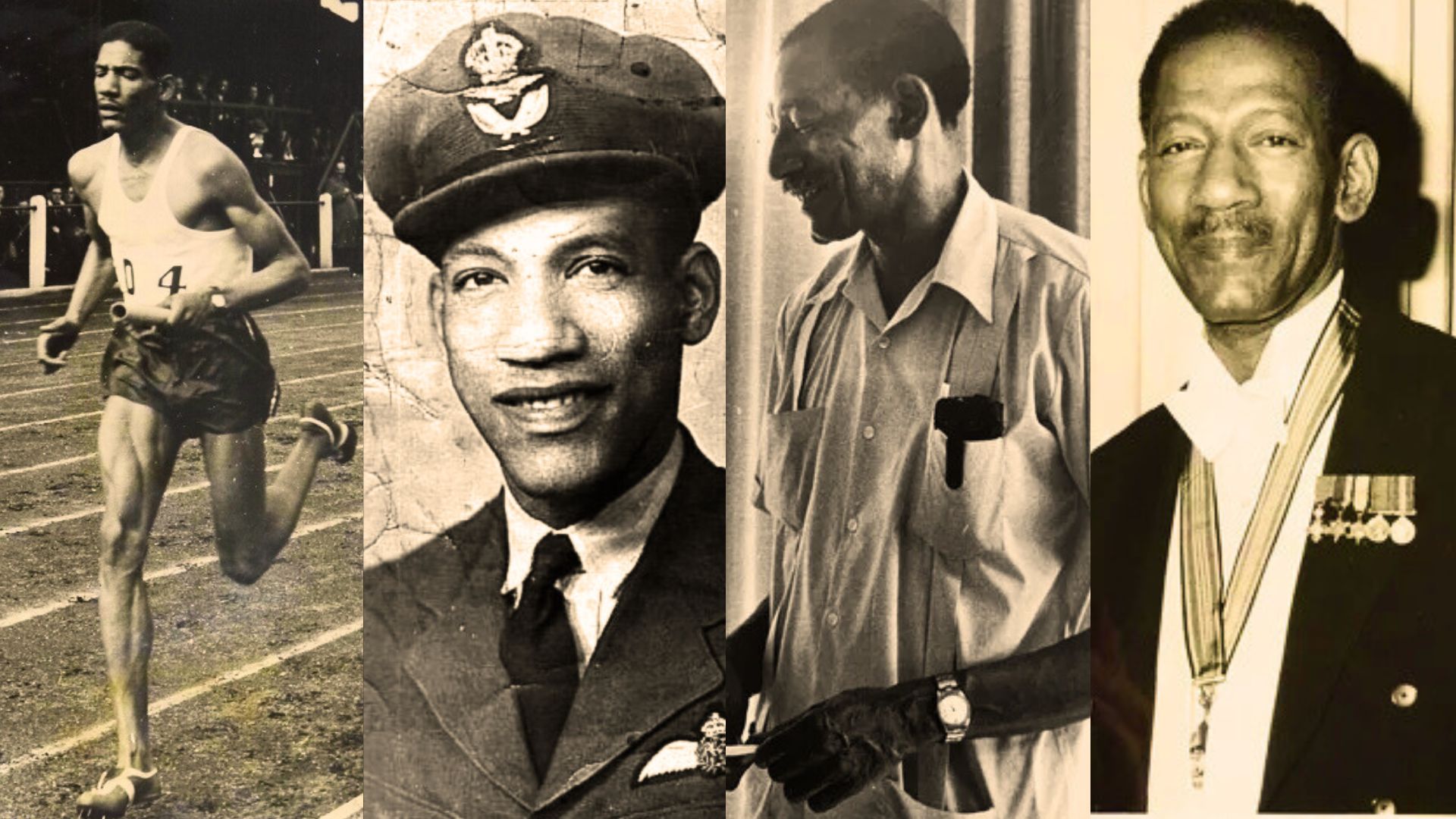
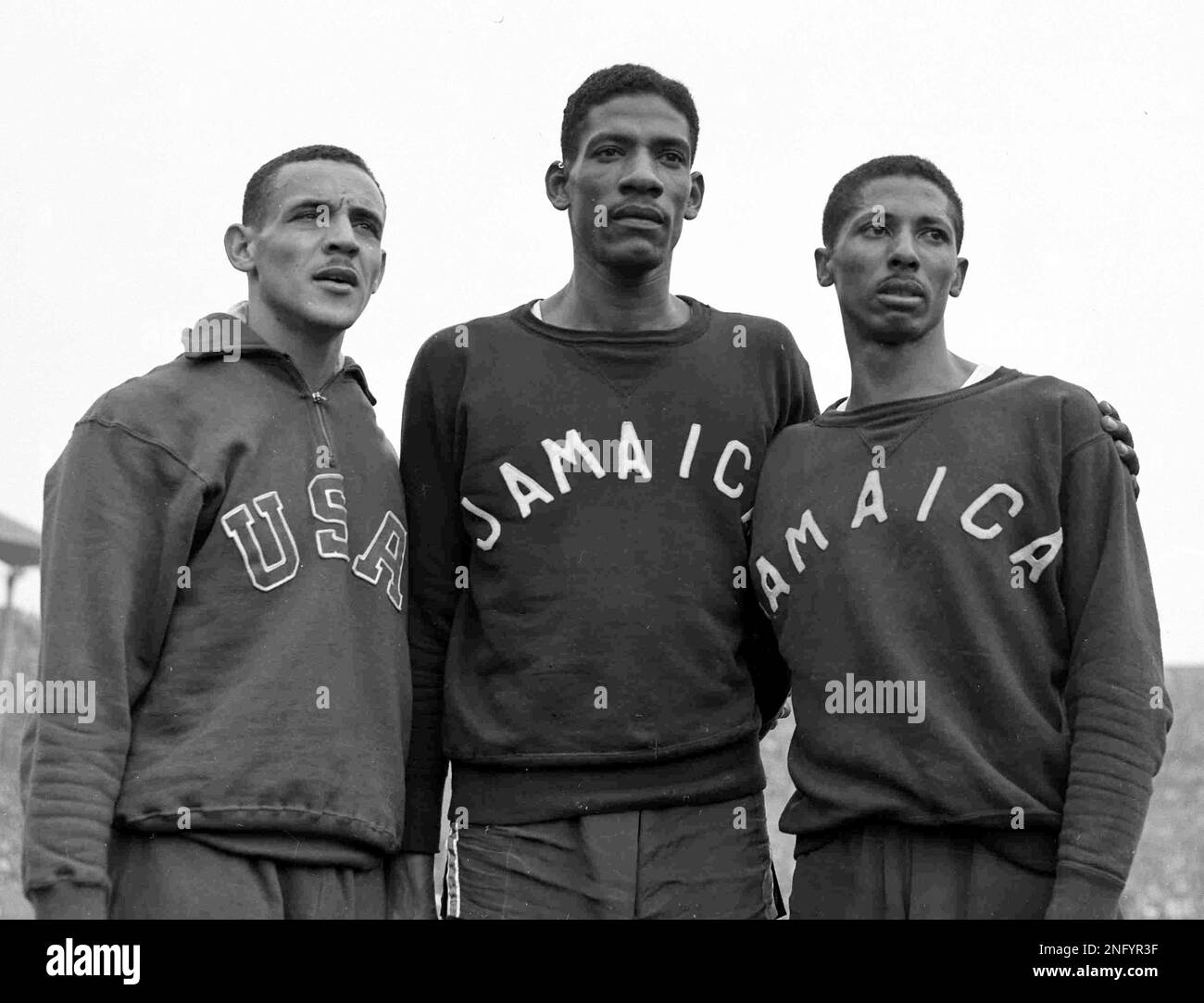
Arthur Wint was a Jamaican trailblazer, military officer, physician, and Olympic gold medalist who wrote his name into athletic history as his country's first-ever Olympic champion, bridging an era of amateur sports excellence with a lifetime of dedicated public service.
The Genesis of a Caribbean Sporting Icon
To understand the historical magnitude of the statement that Arthur Wint was Jamaican is to look back at an era when the Caribbean was still navigating its path toward self-determination and global visibility. Arthur Wint was born on May 25, 1920, in Clarendon, Jamaica. Long before he stepped onto the world stage at the Olympic Games, Wint was shaped by the intellectual and cultural vigor of Jamaican society during the British colonial period.
His early life laid a robust foundation for dual pursuits that would define his character: rigorous academic inquiry and extraordinary physical prowess. Attending Manchester High School and later Munro College, Wint demonstrated an aptitude for both science and sports. He dominated local track and field meets, setting early records that signaled a natural talent for sprinting and middle-distance running. However, the world of the 1930s and 1940s was profoundly disrupted by global conflict, and Wint’s trajectory, like that of many young men of his generation, was temporarily diverted by the call of duty.
Wartime Service and the Interruption of Athletic Ambitions
Following the outbreak of the Second World War, Arthur Wint made the momentous decision to leave Jamaica to serve the British Empire. In 1942, he enlisted in the Royal Air Force (RAF) as a pilot. Serving in a capacity that required immense mental composure and technical skill, Wint flew missions over Europe, demonstrating the same steady nerve that would later characterize his finish-line strategies on the running track.
His military service not only delayed his full emergence on the international athletic circuit but also hardened his discipline. Stationed in England, he managed to train intermittently amidst the demands of wartime duties. The experience of serving in the RAF also exposed him to the broader geopolitical shifts of the mid-20th century, fostering a deep-seated resilience. When the war concluded in 1945, Wint faced a critical crossroads: he could return to Jamaica to pursue medicine immediately, or he could channel his remaining athletic energy into the revival of international sports. Choosing to do both, he enrolled at St Bartholomew’s Hospital Medical College in London while simultaneously intensifying his track training under challenging post-war conditions.
The London 1948 Olympic Games: Breaking Barriers for Jamaica
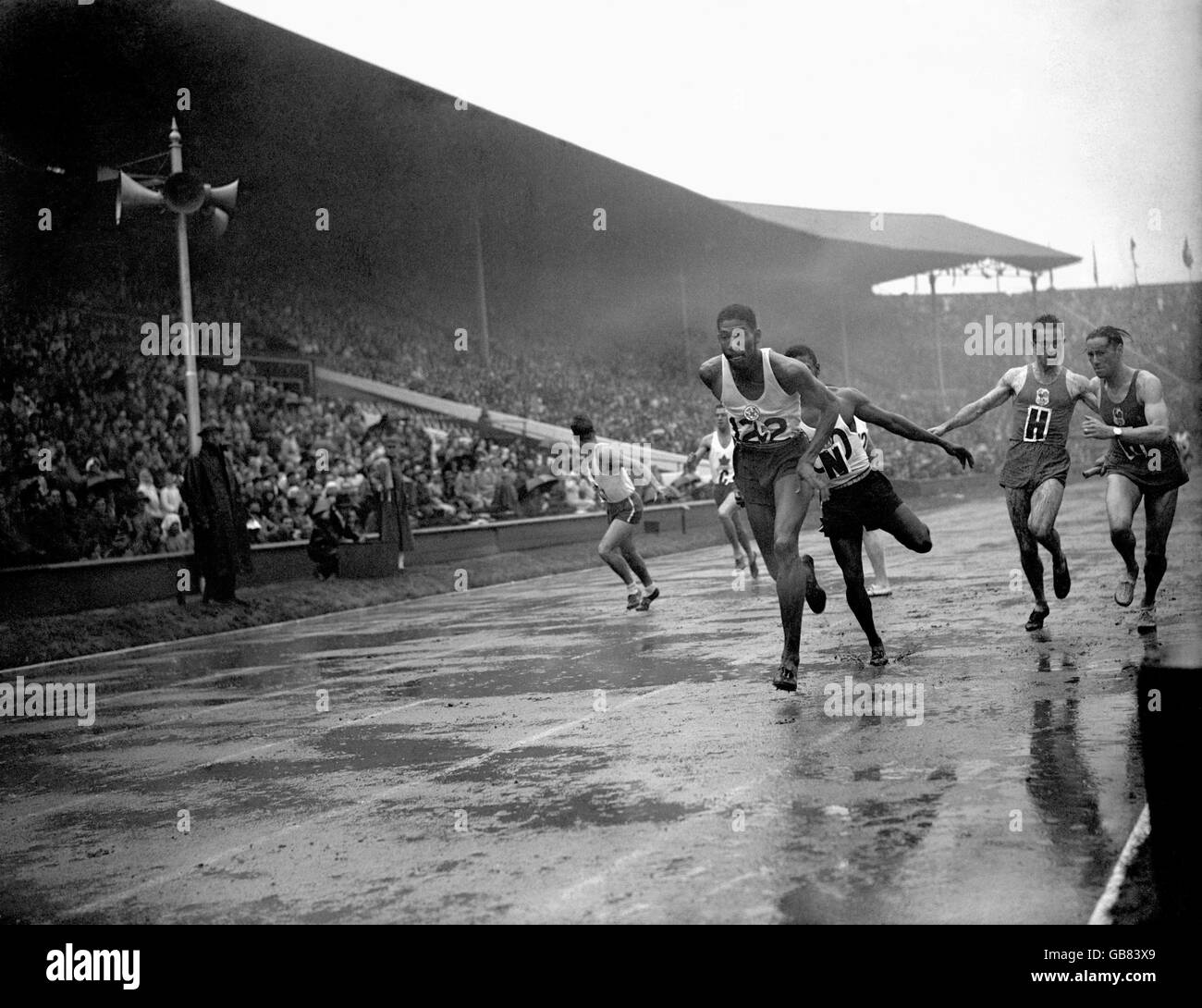
The defining moment of Arthur Wint’s athletic career arrived at the 1948 Summer Olympics in London. Representing Jamaica, Wint entered the Empire Stadium at Wembley not as part of a heavily funded or professionally managed delegation, but as a dedicated amateur balancing medical school lectures with grueling training sessions.
The 400-Meter Gold Medal Triumph
On August 5, 1948, Wint lined up for the 400-meter final. Pitting his long, powerful stride against the world's best, he executed a tactically brilliant race. Wint surged ahead in the home straight, crossing the finish line in 46.2 seconds to secure the gold medal. This victory carried profound historical weight:
- First Olympic Gold for Jamaica: It was the very first gold medal won by an athlete representing Jamaica in Olympic history, instantly elevating the island nation onto the global sporting map.
- Breaking Racial and Regional Boundaries: Wint’s triumph challenged Eurocentric dominance in international athletics, proving that Caribbean athletes could compete and win at the highest echelons.
Silver in the 800 Meters
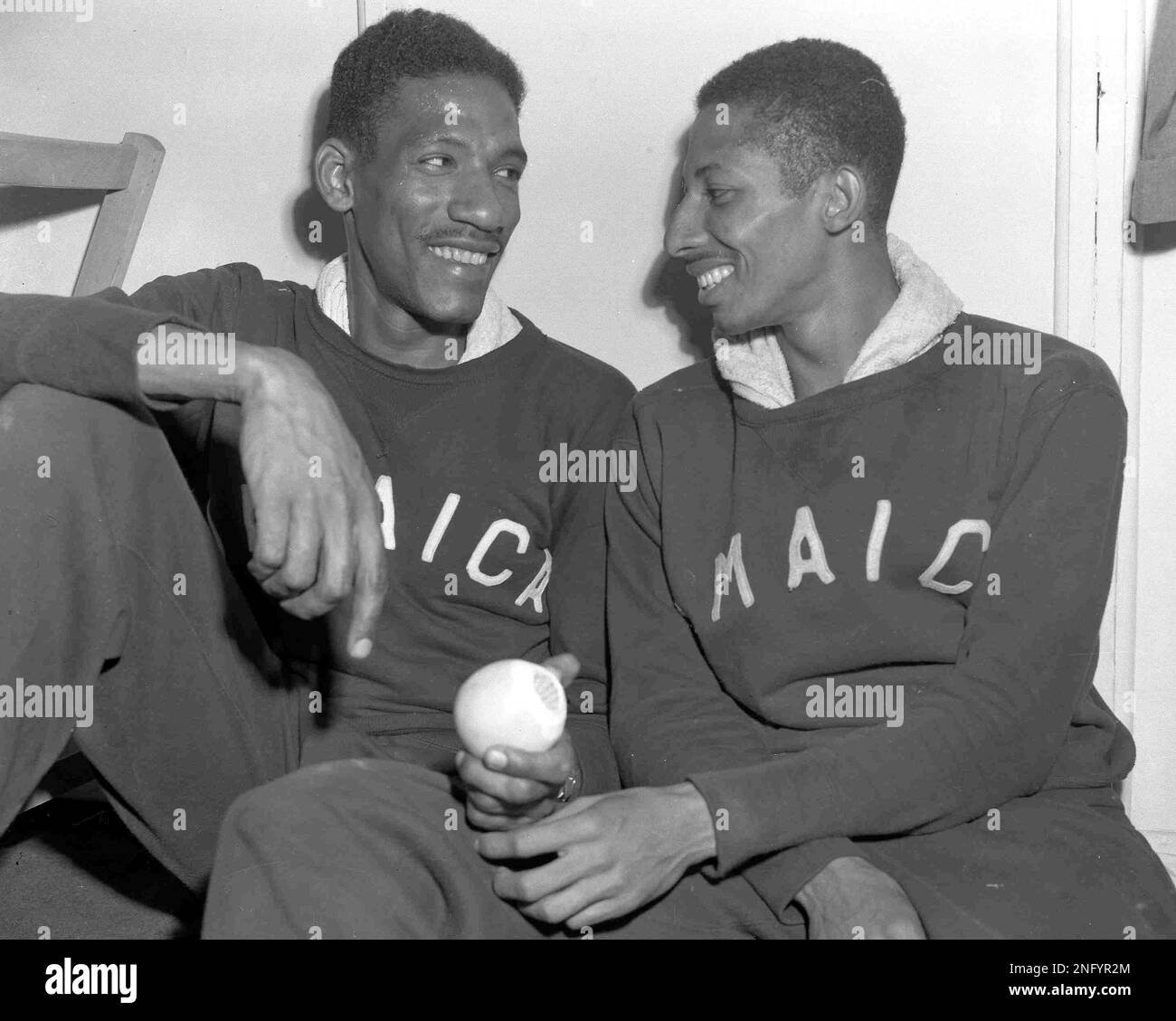
Just days after his grueling 400-meter victory, Wint demonstrated his remarkable versatility and stamina by competing in the 800-meter event. In a fiercely contested race, he secured the silver medal, finishing behind American Mal Whitfield. Earning a gold and a silver medal across vastly different disciplines solidified Wint’s reputation as one of the most complete and formidable middle-distance runners of his generation.
The Helsinki 1952 Olympic Games and the Relay Legend
Four years later, at the 1952 Summer Olympics in Helsinki, Finland, Arthur Wint returned to the global stage as both a veteran competitor and a team leader. While he finished outside the individual medals in his defense of the 400-meter title—placing fifth in a race famously won by teammate George Rhoden—Wint played a starring role in one of the most iconic relay races in Olympic history.
The 4x400-meter relay final at Helsinki remains etched in sports lore. The Jamaican quartet, consisting of Arthur Wint, Herb McKenley, George Rhoden, and Leslie Laing, faced a formidable United States team. Running the second leg, Wint displayed exceptional tactical awareness and courage. Despite battling a recurrence of a hamstring injury mid-race, he maintained his composure to keep Jamaica in contention.
Ultimately, anchor runner Herb McKenley chased down the American leader, securing the gold medal and breaking the world record with a time of 3:03.9. Wint’s contribution to this relay team cemented his status not only as an individual titan but as a vital team player who elevated his compatriots.
Arthur Wint’s Athletic Career Statistics and Honors
To fully appreciate the scope of Arthur Wint’s achievements, it is valuable to examine his competitive footprint alongside his contemporaries and milestones.
| Metric / Honor | Detail | Significance |
|---|---|---|
| Primary Events | 400 meters, 800 meters | Demonstrated elite range from long sprints to middle distance. |
| 1948 London Olympics | Gold (400m), Silver (800m) | Jamaica’s first-ever Olympic gold medal. |
| 1952 Helsinki Olympics | Gold (4x400m Relay) | Set a new world record with teammates McKenley, Rhoden, and Laing. |
| Post-Athletic Honors | Order of Jamaica (OJ), MBE | Honored by the British Crown and the Jamaican government for public service. |
Transition from Track to Medicine: The Doctor in the House
While the world knew him as a flying Jamaican sprinter, Arthur Wint viewed athletics as an avocation rather than his ultimate calling. True to his lifelong ambitions, he successfully completed his medical studies at St Bartholomew’s Hospital in London, qualifying as a physician in 1947—though his peak running years extended through his early medical career.
After hanging up his running spikes following the 1952 Olympics, Wint made a decisive choice to dedicate his life entirely to medicine. In the mid-1950s, he returned to Jamaica to practice, bringing world-class healthcare to communities that sorely needed dedicated practitioners. He worked in various capacities across the island, eventually settling in Hanover, Jamaica, where he served as a general practitioner and surgeon for decades.
Wint was not merely a clinician; he was a pioneer of rural healthcare in Jamaica. He understood that the health of a newly independent nation was intrinsically linked to its social and economic development. His transition from the breathless pressure of the Olympic track to the quiet, demanding corridors of rural clinics demonstrated a deep commitment to human welfare.
Diplomatic and Public Service Contributions
Arthur Wint’s impact extended far beyond the operating room and the athletic field. As Jamaica transitioned from colonial status to independence in 1962, the nation required statesmen of integrity and international standing to represent its interests abroad.
In the 1970s, Wint was called upon to serve his country in a diplomatic capacity. He was appointed as Jamaica’s High Commissioner to the United Kingdom, serving concurrently as ambassador to several European nations, including Sweden, Denmark, and Norway. In this role, he utilized his historical ties to Britain—forged during his RAF service and medical training—to foster strong bilateral relations, advocate for Jamaican expatriates, and project a positive, dignified image of the Caribbean on the world stage.
His diplomatic career was marked by the same humility and quiet efficiency that characterized his running style. He avoided political posturing, preferring pragmatic diplomacy that yielded tangible benefits for Jamaica's development.
Honors, Awards, and Lasting Legacy
The breadth of Arthur Wint’s contributions—spanning military service, Olympic athletics, medicine, and diplomacy—earned him widespread national and international recognition.
In 1953, he was made a Member of the Order of the British Empire (MBE) for his services to athletics and medicine. Following Jamaica's independence, his home country showered him with its highest accolades. He was awarded the Order of Jamaica (OJ) in 1973, one of the nation's highest honors, recognizing his monumental impact on national identity and public service.
Furthermore, Wint's legacy is preserved in the collective memory of global sports. He was inducted into the inaugural class of the International Association of Athletics Federations (IAAF) Hall of Fame in 2012, cementing his place among the immortal figures of track and field history.
Arthur Wint passed away on October 19, 1992, at the age of 72, in Hanover, Jamaica. His passing marked the end of an era, but his influence endures in every Jamaican athlete who steps onto an Olympic track, and in every community health initiative inspired by his medical career.
Frequently Asked Questions About Arthur Wint
What made Arthur Wint famous?
Arthur Wint achieved global fame by becoming Jamaica's first-ever Olympic gold medalist, winning the 400-meter event at the 1948 London Olympic Games. He was also renowned for his silver medal in the 800 meters at the same games and his gold medal in the 4x400-meter relay at the 1952 Helsinki Olympics.
Did Arthur Wint serve in the military?
Yes. During World War II, Wint enlisted in the Royal Air Force (RAF) in 1942 and served as a pilot, flying missions over Europe before resuming his education and athletic career after the war.
What was Arthur Wint's profession outside of sports?
After completing his medical studies at St Bartholomew’s Hospital in London, Wint worked as a medical doctor and surgeon. He spent decades practicing medicine in rural Jamaica, providing vital healthcare to underserved communities.
Did Arthur Wint hold any diplomatic positions?
Yes. In the 1970s, Wint served his country as Jamaica’s High Commissioner to the United Kingdom, as well as ambassador to several Scandinavian countries, bringing diplomatic distinction to his post-athletic career.
How is Arthur Wint remembered in Jamaica today?
Arthur Wint is revered as a national hero and pioneer. His life symbolizes the intersection of athletic excellence, intellectual rigor, and profound civic duty, inspiring generations of Caribbean youth to pursue global ambitions without losing connection to their homeland.