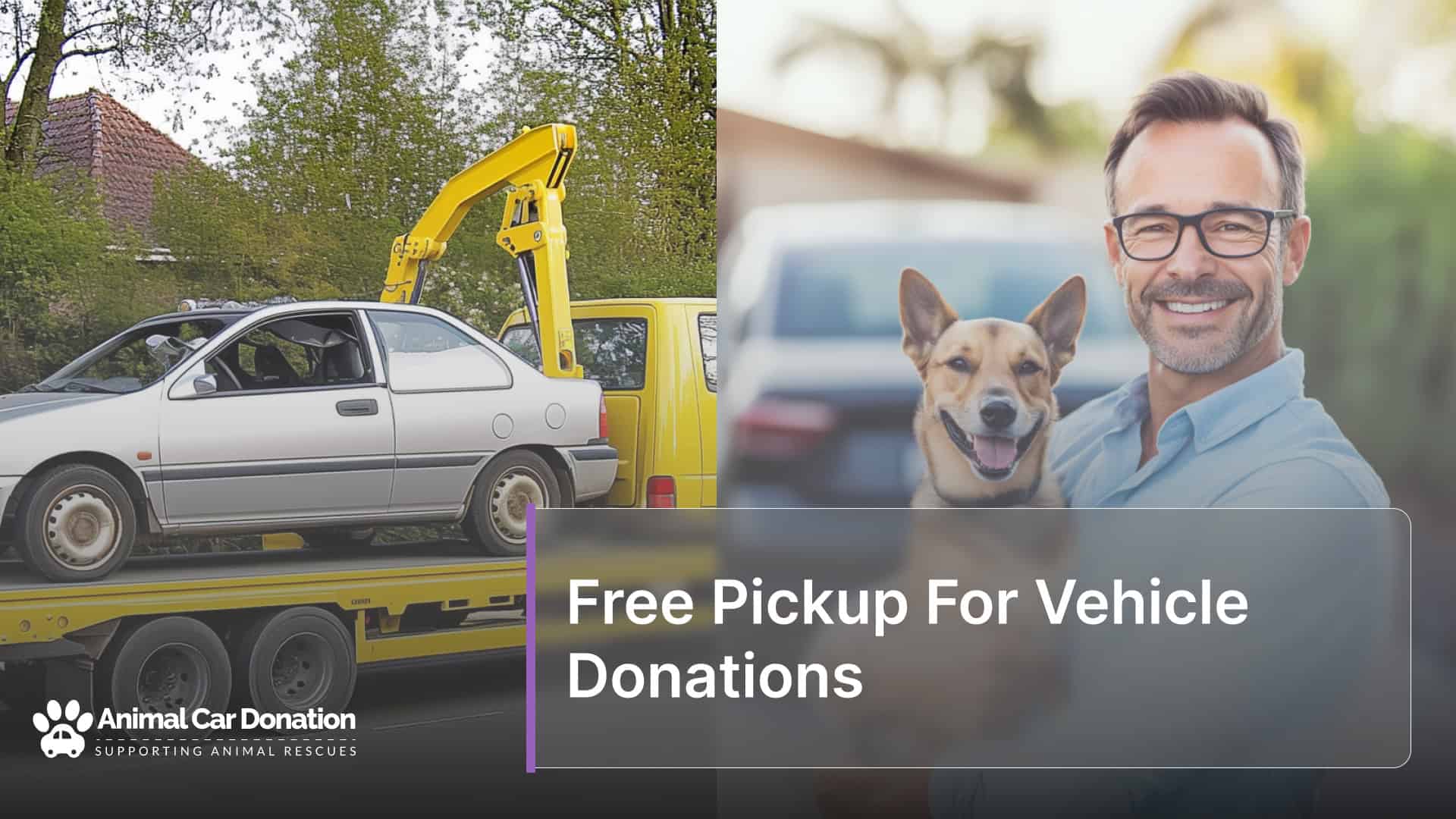
Donating a car in Arizona is a straightforward process that involves transferring the vehicle title, notifying the Motor Vehicle Division (MVD), and obtaining the necessary documentation to claim a potential tax deduction. By following state-specific legal procedures, donors can support charitable organizations while ensuring they are fully shielded from future liability associated with the vehicle.
Understanding the Legal Framework for Arizona Vehicle Transfers
When you decide to donate a vehicle in Arizona, you are essentially initiating a transfer of ownership, just as if you were selling the car to a private party. The Arizona Department of Transportation (ADOT) Motor Vehicle Division governs these transactions. It is critical to recognize that until the MVD records reflect the transfer of ownership, the legal responsibility for the vehicle—including parking tickets, traffic violations, and liability for accidents—technically remains with the registered owner.
The process begins with the physical transfer of the vehicle title. In Arizona, the title must be signed over to the charitable organization. If there are liens on the vehicle, these must be satisfied and removed from the title before the donation can proceed. Once the title is properly signed and delivered to the charity, the donor has met their primary legal obligation; however, the administrative follow-up is what protects the donor from long-term legal exposure.
Step-by-Step Procedure for a Valid Donation
To ensure your donation is handled correctly, you should follow this sequence of actions:
- Verify the Charity’s Status: Ensure the organization is a registered 501(c)(3) nonprofit in good standing. You can verify this through the IRS Tax Exempt Organization Search tool.
- Clear the Title: Locate the vehicle title. If it is lost, you must apply for a duplicate title through the ADOT MVD before completing the donation. Ensure all lienholders have signed a lien release.
- Sign the Title: On the back of the Arizona title, fill out the “Assignment of Title” section. The charity will act as the buyer. Do not leave the buyer section blank.
- Remove License Plates: Under Arizona law, license plates stay with the seller, not the car. Remove your plates before the vehicle is towed or driven away by the charity. You may transfer these plates to another vehicle you own or surrender them to an MVD office.
- Submit a Sold Notice: This is the most crucial step for your protection. Log into your account at AZMVDNow.gov or fill out a “Sold Notice” form (Form 46-8502) to notify the state that you no longer possess the vehicle.
Tax Implications and Valuation
Donating a car does not automatically result in a massive tax windfall. Under Internal Revenue Service (IRS) guidelines, the amount you can deduct depends on how the charity utilizes the vehicle.
If the charity sells the vehicle, your deduction is generally limited to the actual gross proceeds the charity receives from the sale. If the organization sells the car for $1,200, that is the amount of your deduction, regardless of the vehicle’s Blue Book value. You should receive IRS Form 1098-C from the charity within 30 days of the sale, which will state the exact amount of the gross proceeds.
If the charity uses the vehicle for its operations (for example, a van used to transport supplies for a shelter) or makes significant improvements to it, you may be able to deduct the fair market value of the car. In cases where the fair market value is claimed, you must maintain records of how you determined that value, typically through reputable valuation guides, and be prepared to justify it if audited. Always consult with a tax professional regarding your specific financial situation before filing.
Comparison of Donation Methods
Donors often choose between donating to large national charities or local, grassroots organizations. The table below outlines the primary considerations for each approach.
| Feature | Large National Charities | Local Arizona Nonprofits |
|---|---|---|
| Logistics | Often use third-party agencies; highly streamlined. | Often handle towing and processing internally. |
| Impact | Broad, national scope for mission funding. | Direct, local community support within Arizona. |
| Processing | Highly automated, digital, and efficient. | Personalized, often community-based service. |
| Tax Reporting | Robust systems for sending 1098-C forms. | May require more follow-up for documentation. |
| Vehicle Types | Often accept non-running, scrap, or salvage. | Often prefer running vehicles for operational use. |
Handling Non-Running Vehicles
Many Arizonans donate vehicles that are no longer operational. This is a common practice, but it requires specific coordination. When selecting a charity, ask if they provide free towing services. Most reputable organizations will coordinate with a professional towing service to pick up the vehicle at no cost to you.
Ensure that the vehicle is accessible for the tow truck. If the car is parked on the street, notify the charity if there are any parking restrictions or local ordinances that might affect the pickup. You do not need to provide keys if the car is being scrapped, but you must provide the signed title. If the car has been sitting for a long period, ensure that any hazardous materials, such as leaking fuel or coolant, are contained or disclosed to the towing operator for safety purposes.
Common Mistakes to Avoid
The most frequent error in the Arizona car donation process is failing to submit the "Sold Notice" to the MVD. Many donors believe that handing over the keys and the title is sufficient, but failing to update the state database leaves the donor vulnerable. If the vehicle is involved in a hit-and-run, illegal dumping, or an accident before the charity registers it, the original owner may be contacted by law enforcement.
Another common mistake is neglecting to remove the license plates. While this may seem trivial, license plates are linked to your registration records. Having them remain on a vehicle that is no longer in your possession can lead to complications with insurance renewals and potential registration renewal notices that you might be charged for erroneously.
Finally, do not accept a tax receipt that does not clearly identify the name of the organization, your name, the vehicle identification number (VIN), and the date of the donation. If a charity is reluctant to provide a formal 1098-C or equivalent documentation, you should reconsider the legitimacy of the transaction.
Frequently Asked Questions
1. Does my car need to be running to donate it? No. Most charities accept vehicles in any condition, including those that do not start, have missing parts, or have been in accidents. These are often sold at auction for parts or scrap value, and the proceeds still benefit the charity.
2. Can I donate a car if I have lost the title? Yes, but you must obtain a duplicate title before the transfer can be completed. You can request a duplicate title through the ADOT MVD, either online through the AZMVDNow portal or by visiting a local office.
3. When exactly is the tax deduction determined? The deduction is determined by the charity’s handling of the vehicle. If they sell it, you deduct the final sale price. If they retain it for exempt use, you may deduct the fair market value. You must keep the 1098-C form provided by the charity as evidence.
4. How do I know if a charity is legitimate? Check the IRS Tax Exempt Organization Search tool. Legitimate charities must be registered with the IRS as 501(c)(3) entities. If an organization cannot provide an EIN (Employer Identification Number) or proof of status, proceed with caution.
5. What happens to my insurance when I donate the car? Once you have surrendered the vehicle and notified the MVD, contact your insurance provider immediately. Cancel the policy on that specific VIN to avoid paying premiums on a vehicle you no longer own. Do not cancel the policy before the vehicle is physically removed from your possession, as you need active coverage while the car is still legally in your care.
Next Steps for Donors
To begin the donation process, decide whether you want your donation to support a specific cause—such as veteran services, animal welfare, or medical research—and search for reputable nonprofits in Arizona that align with those goals. Once you have selected an organization, call them to confirm they are currently accepting vehicle donations and ask about their specific pickup process. Prepare your title, ensure all lien information is cleared, and schedule a pickup time that allows you to be present to finalize the paperwork. By taking these methodical steps, you ensure that your donation is both a meaningful contribution and a secure administrative transaction.