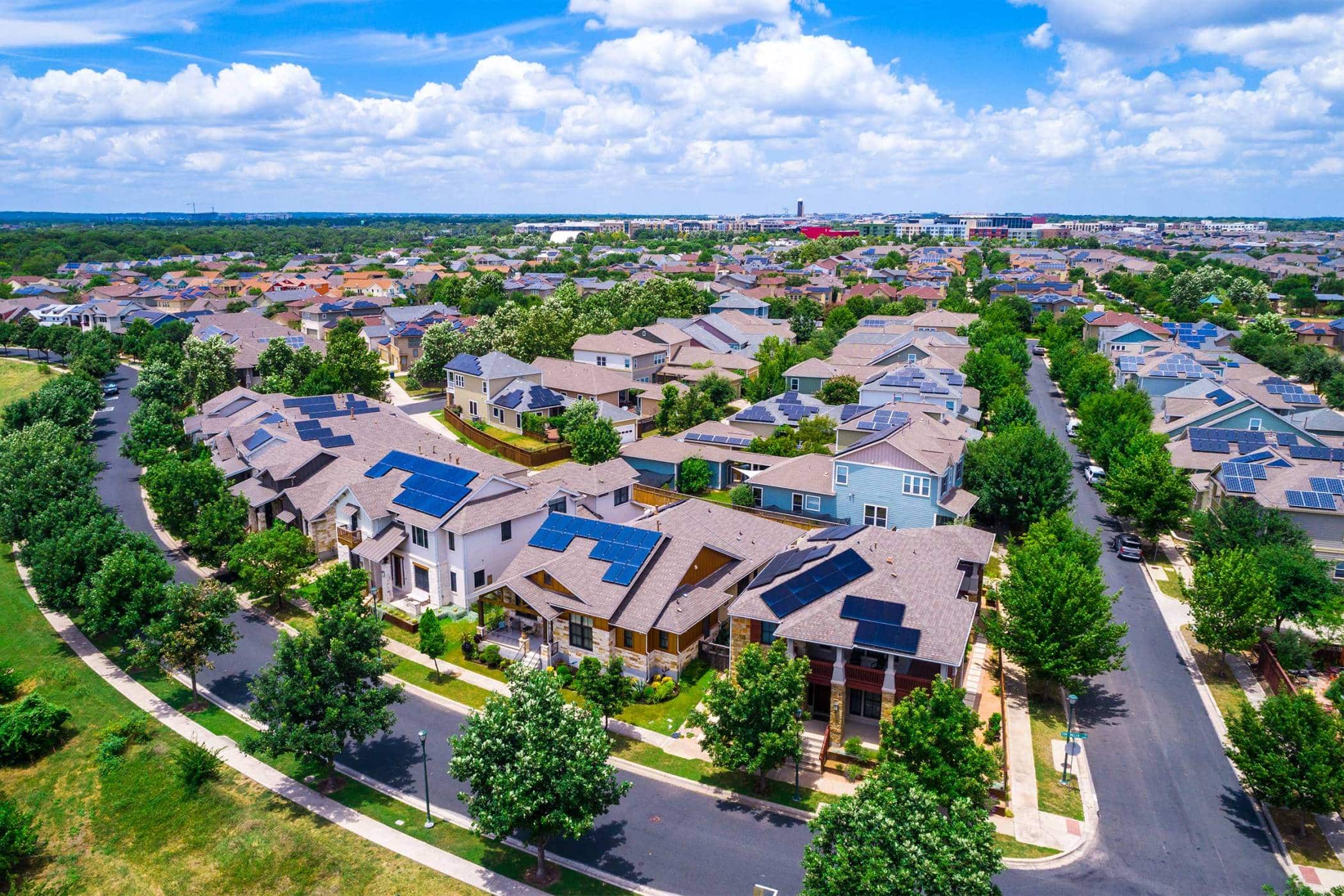
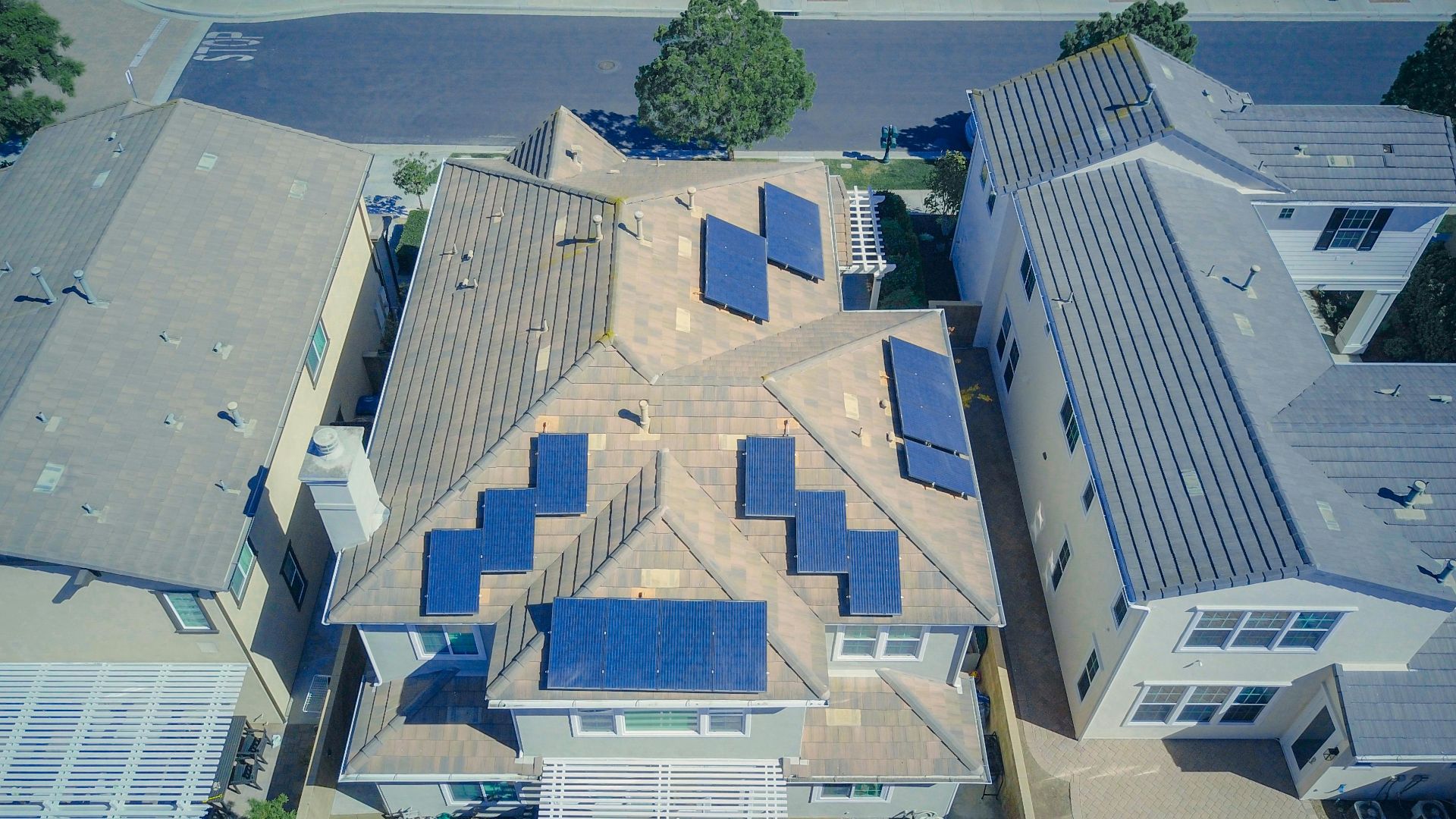
In Arizona, while you generally need to seek HOA approval to install solar panels, your Homeowners Association cannot legally prohibit you from installing them. Under Arizona Revised Statutes (ARS) § 33-1816 and § 33-441, any covenant or rule that effectively prohibits the installation or use of a solar energy device is void and unenforceable. However, the HOA may still impose "reasonable" restrictions regarding the placement and appearance of the system.
Navigating the intersection of property rights and community aesthetics requires a clear understanding of the Arizona Solar Rights Act. As of 2026, Arizona remains one of the most proactive states in protecting renewable energy access, yet many homeowners still find themselves at odds with their HOA boards over the specifics of a solar installation. This guide provides an exhaustive breakdown of the legal framework, the limits of HOA authority, and the practical steps required to move forward with a solar project in an Arizona planned community.
Understanding Arizona’s Solar Rights Laws (ARS § 33-1816)
The foundational legal protection for Arizona homeowners is found in ARS § 33-1816, which specifically addresses solar energy devices in planned communities. The statute is remarkably clear: any covenant, restriction, or condition contained in a property deed or HOA declaration that "prohibits the installation or use of a solar energy device" is legally void.
This law ensures that homeowners have a fundamental right to harness the sun’s energy, a critical protection in a state where summer temperatures and energy demands are among the highest in the country. In 2026, with the maturation of solar technology and increased grid volatility, these protections are more vital than ever. The law applies to "solar energy devices," which includes panels (photovoltaics), solar water heaters, and other equipment designed to collect and distribute solar energy.
However, the law does not grant homeowners a "blank check" to install panels in any manner they choose. The statute allows for reasonable restrictions that do not significantly increase the cost of the device or significantly decrease its efficiency. This is where the majority of disputes between homeowners and HOAs occur. A restriction is generally considered "unreasonable" if it forces the homeowner to move panels to a north-facing roof where they would produce significantly less power, or if it requires expensive aesthetic camouflaging that makes the project financially unviable.
The Role of the HOA Design Review Committee (DRC)
Most HOAs in Arizona operate with a Design Review Committee (DRC) or an Architectural Review Committee (ARC). The purpose of these committees is to maintain the aesthetic harmony of the neighborhood. When you decide to go solar, you are almost always required by your community’s Covenants, Conditions, and Restrictions (CC&Rs) to submit a formal application before beginning construction.
Why You Should Still Apply for Approval
Even though state law protects your right to install solar, skipping the application process is a mistake. An HOA cannot stop the installation, but they can fine you for failing to follow the procedural rules of the community. By submitting an application, you are engaging in a "good faith" effort to comply with community standards.
The DRC will typically look at several factors:
- Visibility: Can the panels be seen from the street?
- Conduit Placement: Is the electrical piping painted to match the house?
- Frame Color: Does the hardware (frames and racking) clash with the roof tiles?
- Inverter Location: Is the heavy equipment tucked away or screened from view?
In 2026, most modern solar installations utilize "all-black" panels and low-profile mounting systems that sit flush with the roof. These advancements have made it much easier for homeowners to satisfy DRC requirements without compromising the system's performance.
Defining "Reasonable Restrictions" in Arizona
The term "reasonable" is the pivot point of Arizona solar law. While the state legislature has not provided a strictly defined mathematical formula (such as a specific percentage of efficiency loss), Arizona courts and the Arizona Department of Real Estate have historically leaned toward the homeowner's right to produce energy.
Aesthetic vs. Functional Balance
An HOA might request that you move your solar panels from the front-facing roof to the back-facing roof to preserve "curb appeal." Under Arizona law, you are required to comply with this request only if the move does not significantly impair the system's performance. For example, if your home faces south and the HOA demands you move the panels to the north side, this would likely be an unenforceable request because north-facing panels in the northern hemisphere produce substantially less energy.
Cost Considerations
If an HOA demands that you install a specific type of high-end, integrated solar shingle (BIPV) instead of standard racking and panels, and the cost of those shingles is double the price of the standard system, this is generally viewed as an "unreasonable" restriction. The HOA cannot impose a financial burden so great that it effectively acts as a deterrent to going solar.
Steps to Securing HOA Approval for Solar in 2026
To ensure a smooth installation process, homeowners should follow a structured path of communication and documentation. Following these steps mitigates the risk of legal friction and ensures that your system is installed according to both state law and community guidelines.
- Review Your CC&Rs: Before talking to a solar provider, read your HOA’s specific guidelines on solar. Most modern Arizona HOAs have updated their bylaws to include a section on renewable energy.
- Request a Detailed Proposal: Your solar installer should provide a site plan that includes panel placement, conduit runs, and an estimated production report.
- Submit the Formal Application: Use the HOA’s required forms. Attach the site plan and specifically note how the installation attempts to minimize visibility (e.g., "All conduit will be painted to match the existing stucco").
- Wait for the Written Decision: Arizona law generally requires HOAs to act on applications within a specific timeframe (often 30 to 45 days, depending on the CC&Rs).
- Address Any Denials Immediately: If the HOA denies the application or requests "reasonable" modifications, review the impact on production. If the request significantly harms your ROI, you may need to provide a letter from your solar engineer explaining the efficiency loss.
Comparing HOA Authority vs. Homeowner Rights
| Feature | HOA Authority | Homeowner Rights (Under ARS § 33-1816) |
|---|---|---|
| Total Prohibition | Not Allowed. Any ban on solar is void. | Protected. You have the legal right to install. |
| Placement Rules | Can request specific locations for aesthetics. | Can reject if it significantly lowers efficiency. |
| Color/Materials | Can require matching frame/conduit colors. | Must comply if costs aren't "unreasonable." |
| Application Process | Can require formal submission/review. | Must follow the process to avoid procedural fines. |
| Approval Timeline | Must respond within CC&R-defined limits. | Can proceed if the HOA fails to follow its own rules. |
| Shared Roofs (Condos) | Significant authority over common elements. | Limited rights if the roof is not privately owned. |
The "Shared Roof" Exception: Condominiums and Townhomes
It is important to distinguish between a detached single-family home in a planned community and a condominium. Under ARS § 33-441, the protections for solar are robust, but they primarily apply to property that the homeowner owns and maintains.
In many Arizona condominiums, the roof is considered a "common element" or a "limited common element" maintained by the association. In these cases, you do not have a unilateral right to install solar panels on a roof you do not own. If you live in a condo, you must gain explicit permission from the board, and the board has much broader discretion to deny the request based on structural integrity, roof warranties, and equitable use of shared space.
Financial Implications and Incentives in 2026
Going solar in Arizona in 2026 is not just an environmental decision; it is a financial one. Homeowners should be aware of how HOA delays or restrictions can impact their ability to claim incentives.
- Federal Investment Tax Credit (ITC): While the percentages have shifted over the years, federal credits remain a cornerstone of solar financing. Delays in HOA approval can push your "permission to operate" (PTO) date into a new tax year, potentially affecting your filing.
- Arizona State Tax Credit: Arizona offers a modest state tax credit (typically capped at $1,000) for residential solar.
- Net Billing and Storage: In 2026, most Arizona utilities (APS, SRP, TEP) use a net billing structure. This makes battery storage almost essential for maximizing the value of your solar energy. Fortunately, HOAs have very little ground to stand on regarding the installation of indoor or screened outdoor battery backups, as these have minimal aesthetic impact.
Common Pitfalls and Troubleshooting
Even with legal protections, disputes can arise. Here are the most common mistakes Arizona homeowners make:
1. Starting Construction Before Approval
Even if you know the law is on your side, starting the "hammering" before you have that approval letter is a recipe for a fine. HOAs can fine you for the act of unapproved construction, even if they can't force you to take the panels down later.
2. Failing to Document "Significant Impairment"
If an HOA asks you to move panels and you refuse, you need data. A "shade report" or a production estimate from your installer showing a 10% or 15% drop in output is usually enough to convince a board (or a judge) that the HOA's request is unreasonable.
3. Neglecting Local Building Permits
Your HOA approval is separate from your city or county building permit. You need both. Arizona municipalities have their own codes regarding setbacks (how close panels can be to the edge of the roof) and fire safety pathways.
Frequently Asked Questions
Can my Arizona HOA tell me I can only put solar panels on the back of my house?
They can request it, but they cannot enforce it if the back of your house is north-facing or heavily shaded. Arizona law protects your right to an efficient system. If placing panels on the back of the house significantly reduces the energy you can produce, the restriction is likely void under ARS § 33-1816. You should provide the HOA with a production comparison showing why the front-facing roof is necessary.
What if my HOA says solar panels are "ugly" and ruin the neighborhood's look?
Aesthetic preference is not a legal basis for a total ban in Arizona. The courts have consistently ruled that the public policy of encouraging renewable energy outweighs the aesthetic concerns of an HOA board. While they can ask for "reasonable" tweaks—like painting the conduit—they cannot use "ugliness" as a reason to deny your application.
Does the Arizona Solar Rights Act apply to renters?
Generally, no. The law protects the rights of property owners. If you are renting a home in an HOA-controlled community, you must have the permission of the property owner (your landlord) before installing any permanent fixtures like solar panels. The landlord, in turn, would need to navigate the HOA approval process.
Can an HOA charge me a fee for "solar review"?
Some HOAs attempt to charge a "special architectural review fee" for solar applications. While small administrative fees are common for any home improvement, if the fee is excessive (e.g., $500+), it could be argued that it is an "unreasonable restriction" because it increases the cost of the solar energy device, which is prohibited by state law.
What should I do if my HOA ignores my solar application?
Check your community's CC&Rs for a "deemed approved" clause. Many sets of bylaws state that if the DRC does not respond within 30 or 45 days, the application is automatically approved. If your CC&Rs do not have this clause, you should send a certified letter to the board citing ARS § 33-1816 and requesting an immediate decision to avoid legal escalation.
Final Recommendation
If you are an Arizona homeowner planning to go solar in 2026, do not fear your HOA, but do respect their process. Begin by selecting a reputable Arizona-based solar installer who is familiar with local HOA tendencies. Submit a thorough application that proactively addresses aesthetic concerns—such as using black-on-black panels and hidden conduits. If you encounter resistance, calmly remind the board of their obligations under ARS § 33-1816. In the vast majority of cases, a professional approach and a clear site plan will result in approval without the need for legal intervention.