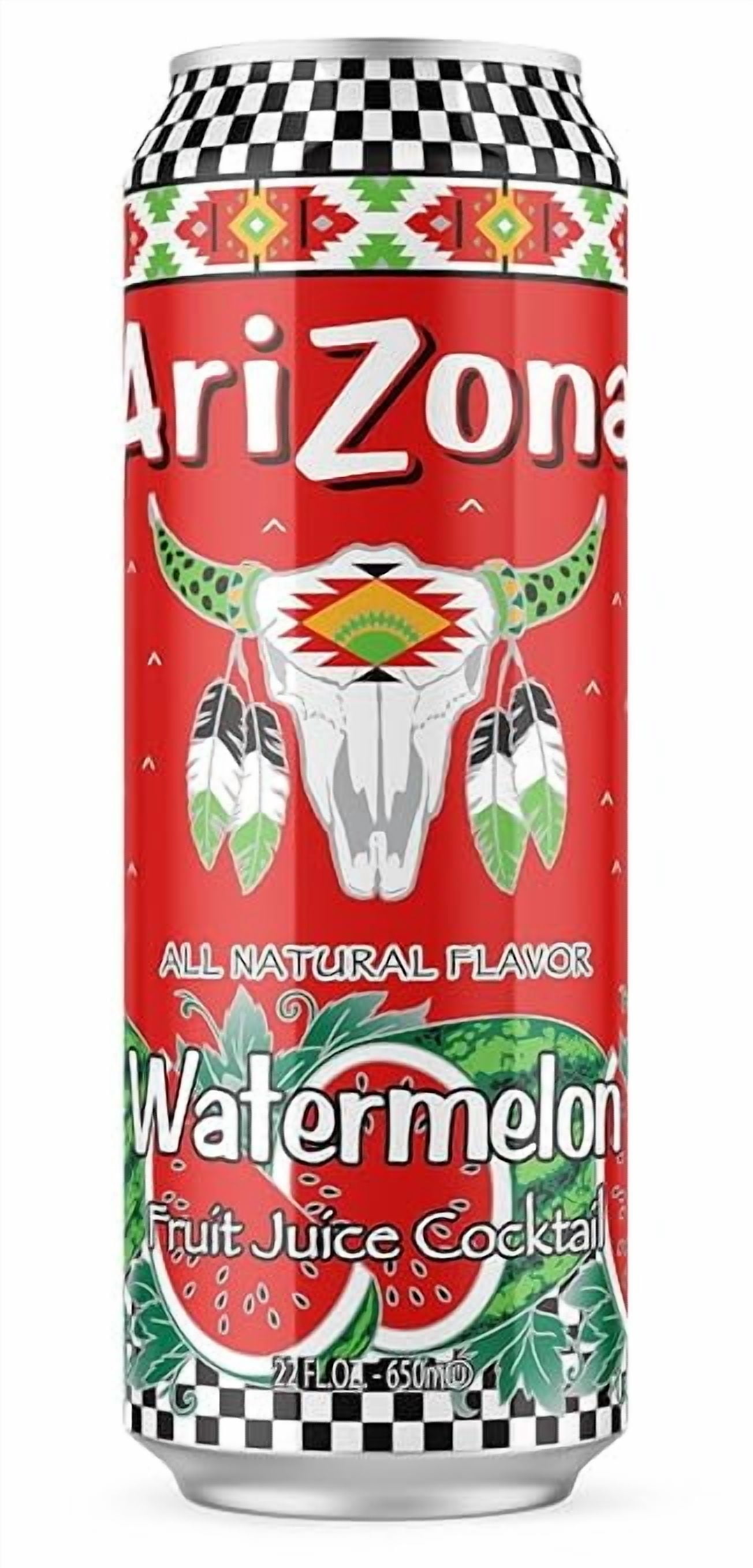
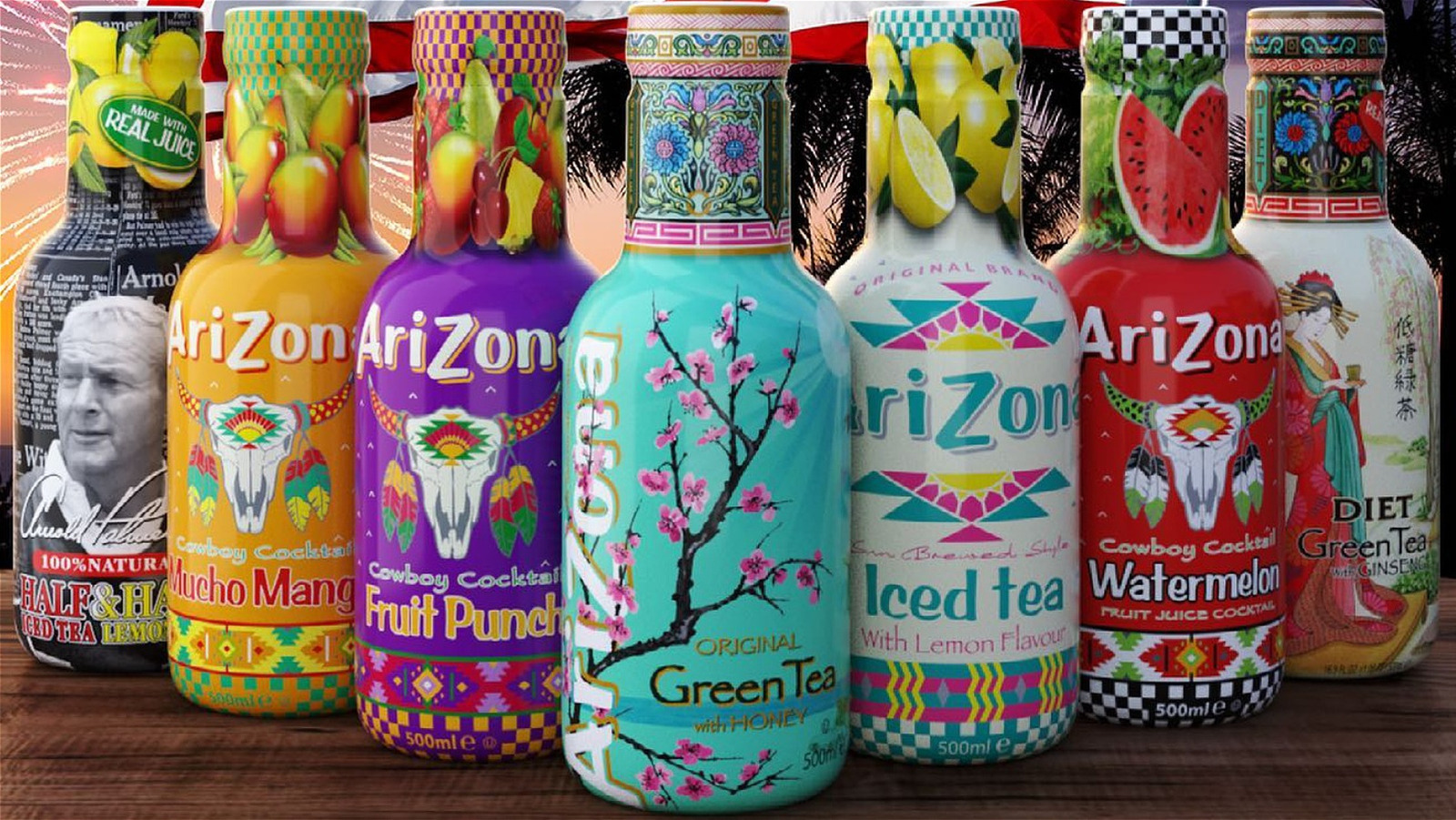
The Arizona Beverage Company, famous for its iconic 99-cent tall cans, operates as a privately held empire generating billions in annual revenue, with an estimated private enterprise value spanning several billion dollars. Because the company remains family-owned and privately held, its precise net worth is not publicly disclosed, though financial estimates and industry benchmarks place the enterprise among the most valuable independent beverage makers in the United States.
Understanding the Arizona Beverage Company Business Model
To comprehend the financial scale and net worth of the Arizona Beverage Company, one must first examine the foundational business model that built the empire. Founded in 1992 by Don Vultaggio and John Ferolito in Brooklyn, New York, the company disrupted the ready-to-drink tea and juice market by introducing a distinctively large, colorful 23-ounce can priced at an accessible 99 cents.
Unlike major multi-national beverage conglomerates that rely heavily on corporate debt, aggressive quarterly financial restructuring, and complex Wall Street backing, Arizona has remained fiercely independent. This independence allows the founders and current leadership to make long-term strategic decisions without answering to public shareholders or private equity boards seeking short-term margin expansion.
The core of Arizona’s commercial strategy relies on high-volume sales coupled with remarkably low marketing and advertising overhead. While competitors spend hundreds of millions of dollars annually on television commercials, celebrity endorsements, and high-profile sponsorships, Arizona historically avoided traditional paid advertising. Instead, the brand built its reputation entirely on word-of-mouth, distinct visual packaging, and consumer loyalty generated by price stability.
Evaluating Private Enterprise Valuation and Financial Estimations
Because Arizona Beverage Co. does not issue public stock, calculating an exact net worth requires analyzing industry estimates, distribution footprints, and revenue models. Industry analysts and trade publications frequently estimate the company's annual revenue to exceed $3 billion, driven by the distribution of billions of cans and bottles globally.
Privately held food and beverage companies of this magnitude are typically valued using a multiple of earnings before interest, taxes, depreciation, and amortization (EBITDA), or through comparable industry acquisitions. When considering valuation benchmarks:
- Revenue Scale: Estimates place annual sales well into the multi-billion-dollar tier, supported by a massive distribution network spanning all fifty states and numerous international markets.
- Profit Margins: Although the 99-cent price point has remained unchanged for over thirty years—defying decades of inflation—operational efficiencies, large-scale manufacturing, and optimized supply chains have preserved sustainable profit margins.
- Asset Ownership: The company owns massive production, filling, and distribution facilities, including a primary headquarters and sprawling production footprint in Woodbury, New York, alongside regional partnerships.
| Valuation Metric / Factor | Arizona Beverage Co. Status | Industry Comparison |
|---|---|---|
| Ownership Structure | Privately Held (Family-Owned) | Most major beverage brands are publicly traded. |
| Public Financial Reporting | Not Required / Confidential | Publicly traded peers report quarterly earnings. |
| Primary Pricing Strategy | Fixed 99-Cent Tall Can Model | Subject to dynamic, inflation-driven pricing. |
| Advertising Expenditure | Minimal to Zero Traditional Ads | Competitors allocate 10%–20% of revenue to marketing. |
The Economics of the 99-Cent Can and Inflation Resilience
The single most frequent inquiry regarding Arizona's finances centers on how the company manages to maintain its legendary 99-cent price tag amid decades of severe inflation, rising aluminum costs, and climbing distribution expenses.
Don Vultaggio has frequently explained that maintaining the price point is a matter of corporate philosophy rather than charity. By keeping prices low, Arizona ensures rapid inventory turnover. Retailers sell massive volumes quickly, which compensates for the lower per-unit profit margin. Furthermore, the company achieves cost containment through several operational strategies:
- Lightweight Packaging: Continuous engineering of aluminum cans reduces the raw material weight required per unit without compromising structural integrity.
- Vertical Integration and Strategic Partnerships: Partnering with efficient regional bottlers and streamlining the supply chain minimizes transportation overhead.
- Volume Purchasing: Procuring raw ingredients, sugar, and packaging materials in massive quantities secures bulk discounts that offset rising commodity prices.
This commitment to price stability has earned the brand intense consumer loyalty, effectively serving as organic marketing that eliminates the need for expensive promotional campaigns. Consequently, profit retention remains robust enough to fuel continuous business expansion without external capital injection.
Founder Wealth: Don Vultaggio and Family Net Worth
While the corporate net worth of Arizona Beverage Co. is estimated in the multi-billions, the personal wealth of co-founder and chairman Don Vultaggio is tracked regularly by financial publications like Forbes. Vultaggio retains a controlling stake in the company, having bought out his co-founder John Ferolito's share following a prolonged legal battle that concluded with a massive private valuation settlement.
As of recent financial tracking, Don Vultaggio’s personal net worth is estimated to exceed $4 billion, placing him securely among the wealthiest self-made entrepreneurs in the United States. His journey from working-class roots delivering beer in Brooklyn to building a global beverage empire illustrates the immense scalability of the consumer packaged goods (CPG) sector when executed with strict cost discipline.
Market Expansion, Diversification, and Product Lines
Although iced tea remains the flagship product that established the brand, the company's financial portfolio has diversified significantly over the decades. Modern revenue streams extend far beyond the classic green tea and sweet tea varieties.
- Juice Cocktails and Arnold Palmers: The co-branded Arnold Palmer line—combining iced tea and lemonade in partnership with the late professional golfer—ranks among the best-selling beverage innovations in the non-carbonated category.
- Energy Drinks and Functional Beverages: Arizona has introduced energy blends, sparkling waters, and hydration beverages to capture younger demographic segments.
- Global Distribution: While North America remains the primary revenue engine, Arizona products are exported to over 60 countries worldwide, opening stable international currency streams.
- Merchandising and Licensing: Capitalizing on retro streetwear trends, the brand has successfully launched licensed apparel, accessories, and lifestyle collaborations with major fashion labels, generating high-margin secondary revenue.
Common Misconceptions About Arizona's Finances
Public curiosity often breeds speculation regarding the financial health of private companies. Several persistent myths surround the Arizona Beverage Company:
- The 99-Cent Price is Mandated by the Company: While Arizona prints the 99-cent price directly onto the can body, the company technically operates on a recommended retail pricing model. In rare instances, independent retailers mark up the price, though public backlash usually forces compliance back to the standard.
- The Company is Owned by a Multi-National Conglomerate: A persistent internet rumor suggests brands like PepsiCo or Coca-Cola own Arizona. In reality, Arizona remains entirely independent and family-operated.
- The Company Operates at a Loss on the Classic Can: Financial analysts confirm that due to massive manufacturing economies of scale, the company still extracts a positive margin per unit sold at 99 cents, even if margins have compressed during periods of peak inflation.
Summary and Practical Financial Takeaways
The net worth of the Arizona Beverage Co. demonstrates the power of brand discipline, consumer trust, and operational efficiency. Operating as a private entity with an enterprise valuation in the multi-billions, the company proves that defying short-term corporate trends in favor of long-term volume stability can yield enduring commercial success. For business analysts and entrepreneurs, Arizona stands as a masterclass in organic growth, supply chain mastery, and unwavering brand identity.