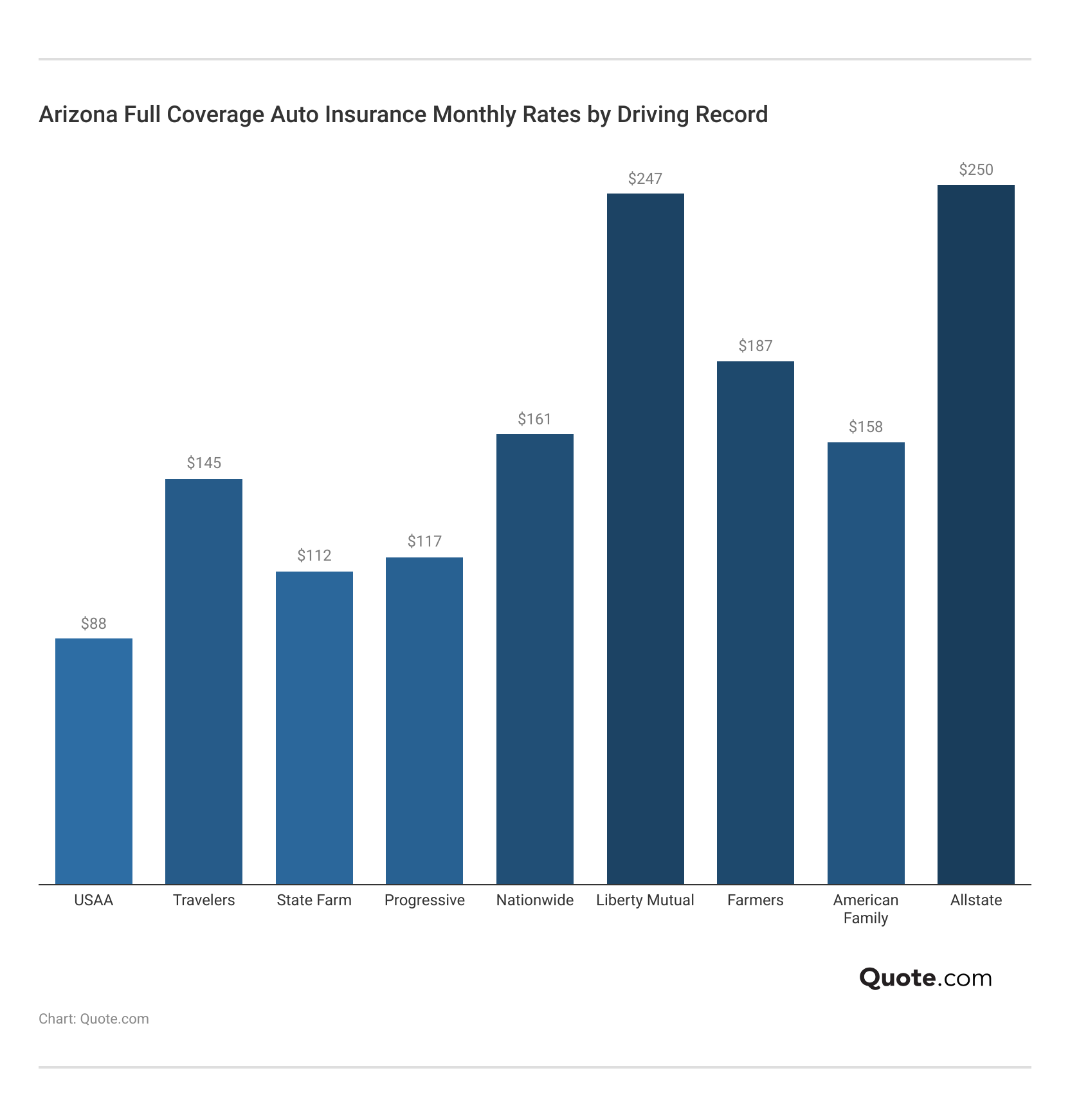
Arizona residents seeking comprehensive protection for their vehicles, primary residences, and investment properties have several high-quality options in 2026. Major carriers such as State Farm, Allstate, Farmers, Liberty Mutual, and Progressive currently dominate the Arizona market, offering integrated multi-policy discounts that can reduce total premiums by 15% to 25%. Selecting a single provider for auto, homeowners, and landlord insurance simplifies claims management and ensures there are no gaps in liability coverage across different asset classes.
The Arizona insurance landscape in 2026 is defined by a unique mix of environmental risks—ranging from extreme heat and monsoons in the Sonoran Desert to wildfire threats in the high-country forests. For individuals who own both a primary residence and rental properties (landlords), the complexity of managing risk increases significantly. Finding a carrier that understands the specific regulatory environment of the Arizona Department of Insurance and Financial Institutions (DIFI) while offering robust digital tools is essential for modern policyholders.
Why Bundle Auto, Home, and Landlord Insurance in Arizona?
Bundling, often referred to by insurers as a "multi-policy discount," remains the most effective way to lower insurance costs in 2026. While many consumers are familiar with bundling auto and home insurance, adding a landlord policy to the mix provides additional financial leverage.
The Financial Advantage of Triple Bundling
In Arizona, where property values have stabilized after the volatility of the early 2020s, insurance premiums remain a significant line item for property owners. Carriers reward "sticky" customers—those who hold multiple lines of business—because they are statistically less likely to switch providers. By placing your auto, primary home, and rental dwellings with one company, you often unlock:
- Tiered Discounting: Discounts often increase as you add the third or fourth policy.
- Single Deductible Options: Some carriers offer a "single deductible" event. If a monsoon storm damages both your car and your roof, you may only have to pay one deductible instead of two.
- Simplified Liability: Maintaining all policies with one carrier reduces the risk of "finger-pointing" between companies during a complex liability claim involving multiple assets.
Streamlined Management for Landlords
Arizona’s rental market continues to thrive in hubs like Phoenix, Scottsdale, and Tucson. Managing a rental property requires specific coverages that a standard homeowners policy does not provide. When this is integrated with your personal auto and home insurance, the administrative burden of tracking renewals, payment dates, and coverage limits is drastically reduced through unified mobile apps and client portals.
Leading Arizona Insurers for Auto, Home, and Landlord Coverage
The following companies have established the strongest footprints in Arizona for 2026, offering specialized products for both personal use and real estate investment.
1. State Farm
State Farm remains the largest property and casualty insurer in Arizona. Their "Good Neighbor" model relies heavily on local agents who understand specific neighborhood risks, from the expansive clay soils in Gilbert to the wildfire-prone zones in Prescott.
- Auto Coverage: State Farm’s 2026 offerings include advanced telematics (Drive Safe & Save) which is highly effective for Arizona’s long-distance commuters.
- Homeowners (HO-3): They provide robust replacement cost coverage, which is vital given the rising costs of construction materials in the Southwest.
- Landlord (Rental Dwelling): State Farm’s landlord policies are specifically designed for 1-4 family dwellings. They cover the building, other structures (like fences or sheds), and provide crucial "Loss of Rents" coverage if a desert fire or flood renders the property uninhabitable.
2. Allstate
Allstate has positioned itself as a tech-forward leader in 2026, offering highly customizable policies. Their Arizona presence is bolstered by a strong network of independent and exclusive agents.
- Auto: Allstate's "Milewise" program is popular among Arizona retirees who own multiple vehicles but drive infrequently.
- Homeowners: Their policies include unique endorsements for electronic data recovery and green improvement reimbursements.
- Landlord: Allstate’s Landlord Package Policy is specifically tailored for Arizona owners. It includes liability protection for injuries occurring on the rental property—a critical feature for landlords with backyard pools, which are ubiquitous in the Phoenix metro area.
3. Farmers Insurance
Farmers is a preferred choice for Arizona residents who want highly granular control over their coverage limits. They are particularly well-versed in the "Next Gen" insurance requirements of modern landlords.
- Auto: Offers a wide array of discounts for professionals (doctors, educators, engineers) common in Arizona’s growing tech and healthcare sectors.
- Homeowners: Farmers provides three distinct tiers (Standard, Enhanced, and Premier), allowing homeowners to match their coverage to the actual value of their desert home.
- Landlord: Their landlord policies allow for the inclusion of "Fair Rental Value" coverage, which compensates the owner for lost income while the property is being repaired after a covered loss.
4. Liberty Mutual
Liberty Mutual excels in providing comprehensive landlord-specific protections that integrate seamlessly with their personal lines.
- Auto & Home: Known for competitive pricing when bundled, especially for new Arizona residents moving from out of state.
- Landlord: They offer a specific "Landlord Protector" series. In 2026, this includes options for "Inflation Protection," which automatically adjusts dwelling coverage limits to keep pace with Arizona's localized inflation in the construction sector.
Technical Comparison of Arizona Policy Features
| Feature | State Farm | Allstate | Farmers | Liberty Mutual |
|---|---|---|---|---|
| Typical Bundling Discount | 17% - 22% | 15% - 25% | 20% + | Up to 20% |
| Landlord Specific Product | Rental Dwelling Policy | Landlord Package | Rental Property Ins. | Landlord Protector |
| Loss of Rent Coverage | Included (Actual Loss) | Optional | Optional | Included |
| Arizona Market Share | High | Medium-High | Medium | Medium |
| Pool Liability Expertise | Extensive | High | Medium | High |
| 2026 Tech Integration | High (State Farm App) | Very High (Arity) | High | Medium-High |
Understanding Arizona-Specific Insurance Requirements
When selecting a carrier for these three policy types, it is important to understand the specific legal and environmental mandates in the State of Arizona.
Arizona Auto Insurance Mandates
As of 2026, Arizona law requires minimum liability limits of 25/50/15 ($25,000 for bodily injury per person, $50,000 for bodily injury per accident, and $15,000 for property damage). However, for individuals who own both a home and rental properties, these minimums are dangerously low. Most experts recommend carrying at least $250,000/$500,000 in liability to protect your real estate assets from being seized in a lawsuit following an auto accident.
Landlord vs. Homeowners: The Crucial Distinction
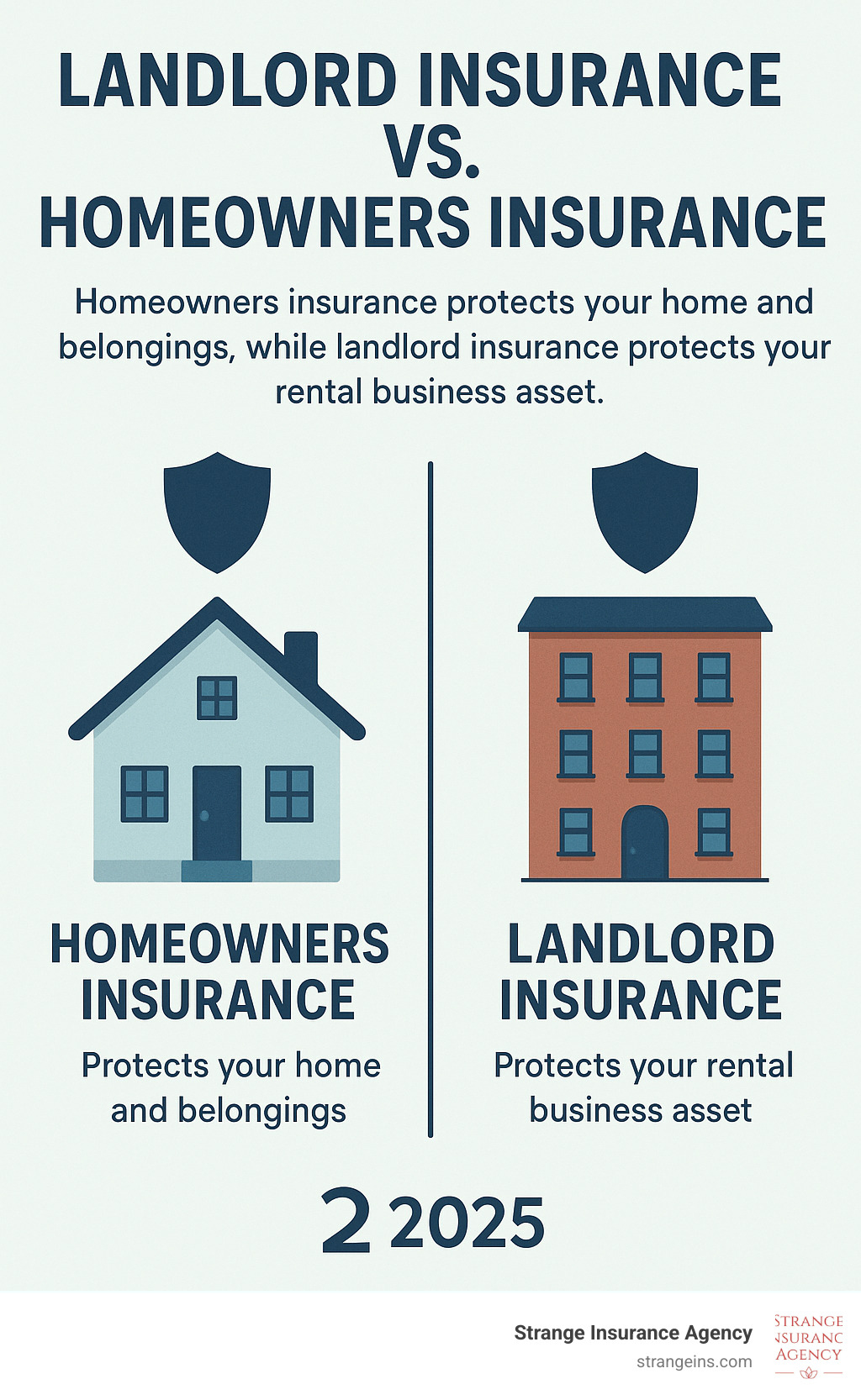
A common mistake among new Arizona investors is assuming their homeowners insurance covers a rental property. It does not.
- Homeowners Insurance (HO-3): Designed for owner-occupied residences. It includes personal property coverage (for your furniture, clothes, etc.) and personal liability.
- Landlord Insurance (DP-3): Designed for non-owner-occupied properties. It typically excludes personal property coverage (except for appliances left for tenant use) and focuses on the structure and "Premises Liability." If a tenant trips on a cracked tile in a Scottsdale rental, the Landlord policy's liability section handles the legal defense.
The Role of an Umbrella Policy
For residents holding auto, home, and landlord policies, 2026 is the year of the Personal Umbrella Policy (PUP). This policy sits on top of your existing liability limits. If you have a $500,000 liability limit on your Arizona landlord policy but are sued for $1 million due to a fire at the rental, the Umbrella policy covers the remaining $500,000. Most Arizona carriers require you to have your auto and home insurance with them before they will issue an Umbrella policy.
Critical Environmental Factors in Arizona Insurance
Arizona’s climate poses specific risks that your chosen carrier must address effectively in 2026.
- Extreme Heat and AC Failure: In Phoenix and Yuma, a failed AC unit in a rental property during July is an emergency. Some modern landlord policies offer "Equipment Breakdown" endorsements that help cover the cost of replacing high-efficiency HVAC systems.
- Monsoon and Haboob Damage: Sudden windstorms (haboobs) can cause significant roof damage and "microburst" flooding. Ensure your Arizona homeowners and landlord policies include comprehensive wind and hail coverage with a manageable deductible.
- Wildfire Mitigation: For properties in Flagstaff, Sedona, or the Rim Country, many carriers now require a "defensible space" inspection. Companies like State Farm and USAA have specific underwriting guidelines for Arizona's WUI (Wildland-Urban Interface) zones.
How to Verify Arizona Insurance Carriers
Before committing to a triple-policy bundle, it is essential to verify the financial stability and licensing of the carrier.
- Check the DIFI: Use the Arizona Department of Insurance and Financial Institutions website to confirm the company is licensed to sell property and casualty insurance in the state.
- Financial Ratings: Consult AM Best or Moody’s to ensure the company has an "A" rating or higher. This ensures they have the capital to pay claims after a major catastrophe, such as a large-scale wildfire.
- Consumer Complaints: The DIFI publishes an annual "Consumer Complaint Ratio" report. A lower ratio indicates higher customer satisfaction regarding claims processing in Arizona.
Frequently Asked Questions
Can I use a homeowners policy for a short-term rental (Airbnb) in Arizona?
Generally, no. Most standard Arizona homeowners policies exclude "commercial use," which includes frequent short-term rentals. In 2026, carriers like Allstate and Proper Insurance offer specific endorsements or standalone policies for short-term rentals. If you do not inform your carrier about your Airbnb activity, they may deny claims related to guest injuries or property damage.
Does bundling auto and home insurance cover my rental property too?
The bundle itself doesn't "cover" the property, but it allows you to apply a multi-policy discount to the landlord policy. You must still purchase a specific Landlord (DP-3) policy for the rental dwelling. However, having all three under one roof usually maximizes the discount percentage applied to each individual policy.
Why are insurance rates rising in Arizona in 2026?
Rates in Arizona have seen upward pressure due to two main factors: increased litigation costs and "social inflation," and the skyrocketing cost of home repairs. The price of specialized labor and materials in the Phoenix and Tucson metros has outpaced national averages, forcing carriers to adjust premiums to maintain their ability to pay future claims.
What is "Loss of Use" vs. "Fair Rental Value"?
"Loss of Use" is found on your Arizona homeowners policy; it pays for your hotel and meals if your primary home is damaged. "Fair Rental Value" is found on your landlord policy; it pays you the rent you lose while your tenant is forced to move out due to a covered fire or storm. Both are essential for protecting your cash flow.
Is flood insurance included in Arizona landlord policies?
No. Standard landlord and homeowners policies in Arizona exclude flood damage caused by rising surface water (common during monsoon season). If your rental property is near a wash or in a FEMA-designated flood zone, you must purchase a separate flood insurance policy through the National Flood Insurance Program (NFIP) or a private flood insurer.
Final Recommendation for Arizona Property Owners
For the average Arizona resident with a car, a primary home, and one or more rental properties, State Farm and Allstate offer the most balanced combination of local expertise and multi-line discounts in 2026. However, if you own high-value properties or have unique liability needs (such as multiple backyard pools or short-term rental activity), working with an independent agent who can access Travelers or Liberty Mutual may provide more tailored coverage.
Always request a "Comprehensive Insurance Report" (often called a CLUE report) before switching carriers to ensure your claims history is accurate, as this significantly impacts the multi-policy rates you will be quoted in the Arizona market.